
Recognizing Signs of Pain in Dogs and Cats
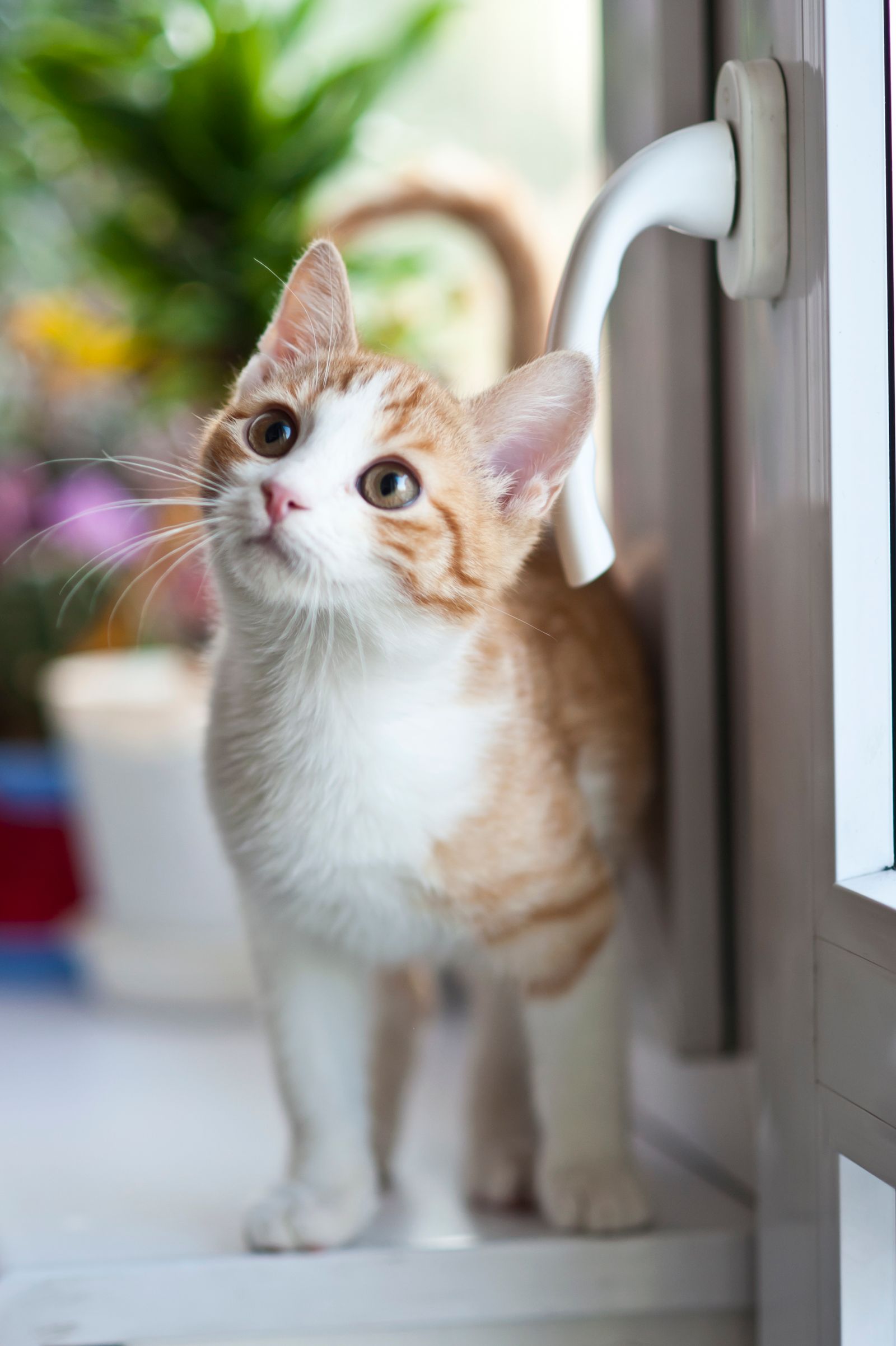
One of the hardest parts of caring for a pet is that they cannot tell us when they hurt. Dogs and cats are also remarkably good at hiding pain, an instinct inherited from ancestors for whom showing weakness could be dangerous. As a result, pain often goes unrecognized until it is significant, which is why learning to spot the subtle signs is such an important skill for any owner.
This guide explains why pets mask pain, the behavioral and physical clues that can signal discomfort in dogs and cats, and how to tell the difference between sudden and long-standing pain. Most importantly, it covers when to contact your veterinarian. Recognizing pain is not about diagnosing the cause yourself; it is about knowing when your pet needs professional help.
Important: This article shares general educational information for pet owners and is not a substitute for an in-person veterinary examination, diagnosis, or treatment. For any medical concern or emergency, contact your veterinarian promptly.
Why Pets Hide Their Pain
In the wild, an animal that visibly showed pain or weakness could become a target for predators or lose standing within a group. Domestic dogs and cats retain this deep-seated instinct to mask discomfort, carrying on with normal activities as best they can even when they do not feel well.
This means that by the time a pet is clearly showing pain, it may have been uncomfortable for some time. Cats in particular are masters of concealment, which is one reason feline illness and pain are so often noticed late. Understanding this instinct helps owners take subtle changes seriously rather than waiting for obvious distress.
The practical lesson is to watch for small deviations from your pet's normal patterns, because those quiet changes are often the earliest and clearest window into how your pet is feeling.
The Value of Knowing Your Pet's Normal
Because pain often shows up as a change from the usual, knowing your individual pet's baseline is your most powerful tool. How does your pet normally move, eat, sleep, greet you, and play? What are its typical energy levels and habits? The better you know these, the more quickly you will notice when something is off.
Keeping this baseline in mind, or even jotting down notes for a pet with health concerns, turns vague worry into useful observation. When you can tell your veterinarian exactly what has changed and when, you give them valuable information for helping your pet.
Behavioral Signs of Pain
Changes in behavior are often the first and most telling signs of pain. A pet in discomfort may act differently in ways that are easy to dismiss as moodiness or aging but that deserve attention.
- Withdrawal or hiding: a social pet becoming distant, or a cat hiding more than usual.
- Irritability: uncharacteristic grumpiness, or reacting when touched in a certain area.
- Restlessness or difficulty settling: pacing, repeatedly shifting position, or trouble getting comfortable.
- Reduced activity: less interest in play, walks, jumping, or climbing than usual.
- Changes in appetite: eating less, or approaching food and then backing away.
No single sign proves pain, but a cluster of changes, or a clear departure from your pet's normal personality, is a meaningful signal that something may be wrong and worth a veterinary check.
Physical Signs to Watch For
Alongside behavior, physical clues can point to pain. Some are obvious, while others are subtle and easy to overlook unless you are looking for them.
- Limping or stiffness: favoring a limb, difficulty rising, or stiffness after rest.
- Altered posture: a hunched back, tucked belly, or a lowered head and tail.
- Changes in grooming: a cat over-grooming one spot, or a pet neglecting grooming so the coat looks unkempt.
- Facial tension: squinting, a furrowed look, or flattened ears in cats.
- Panting or altered breathing: in dogs, panting unrelated to heat or exertion can accompany discomfort.
Guarding a body part, flinching when touched, or vocalizing when moving or being handled are also important signs. Never force a suspected sore area to test it, since a pet in pain may react defensively; instead, note what you observe and share it with your veterinarian.
Signs Specific to Cats
Cats hide pain especially well, so their signals tend to be subtle. A painful cat may retreat to quiet spots, sit hunched with paws tucked, groom less or over-groom a specific area, become reluctant to jump to favored perches, or change its litter-box habits. A normally affectionate cat may grow withdrawn, or a placid one may become irritable.
Because these cues are quiet, changes in a cat's routine deserve particular attention. A cat that suddenly stops jumping onto the couch, hides for long periods, or eats noticeably less may be telling you it hurts, and such changes warrant a veterinary visit rather than a wait-and-see approach.
Signs Specific to Dogs
Dogs may be somewhat more expressive than cats, but they too mask pain. A painful dog might slow down, hesitate on stairs or before jumping, lick or chew persistently at one area, hold its body stiffly, seek more attention or conversely withdraw, or show a change in temperament such as unusual grumpiness when approached.
Subtle signs like a reluctance to do a formerly loved activity, difficulty getting comfortable at night, or a change in the way a dog carries itself can all point to discomfort. As with cats, a pattern of change from your dog's normal behavior is the key thing to notice.
Sudden vs Long-Standing Pain
It helps to distinguish between pain that comes on suddenly and pain that develops gradually. Sudden pain, such as after an injury, often produces more obvious signs like acute limping, crying out, or clear distress, and it generally calls for prompt veterinary attention.
Long-standing or chronic discomfort, such as that associated with age-related joint changes, tends to creep in slowly and show as gradual reductions in activity or subtle behavior shifts that are easy to attribute simply to getting older. Recognizing that ongoing, low-grade changes can reflect treatable discomfort, rather than inevitable aging, is important, since your veterinarian may be able to help improve your pet's comfort and quality of life.
What to Do If You Suspect Pain
If you think your pet may be in pain, the most important step is to contact your veterinarian, who can examine your pet, identify the cause, and recommend appropriate care. Recognizing signs of pain is about knowing when to seek help, not about diagnosing or treating the problem yourself.
Crucially, never give your pet human pain medications or another pet's medication, as many common human drugs are dangerous or even fatal to dogs and cats, and doses that are safe for people can seriously harm them. Only use pain relief prescribed by your veterinarian for your specific pet.
When you call, describe what you have observed as specifically as you can, including what changed, when it started, and any patterns. This information helps your veterinary team assess the situation and decide how urgently your pet needs to be seen.
Keeping a Simple Comfort Journal
For pets with ongoing or intermittent discomfort, a simple journal can be surprisingly powerful. Noting a few observations each day, such as how easily your pet rises, its willingness to play or climb, its appetite, and its overall demeanor, turns fuzzy impressions into a clear record you can track over time.
This kind of record helps you notice gradual trends that are easy to miss day to day, and it gives your veterinarian concrete information to work with. Even short notes, or occasional phone videos of how your pet moves, can help your veterinary team understand what is happening between visits and judge whether your pet is becoming more or less comfortable.
Supporting Comfort at Home
While diagnosing and treating pain is your veterinarian's role, there are gentle, general ways you can help a pet be more comfortable at home as part of a vet-guided plan. Soft, supportive bedding, easy access to food, water, and resting spots, and help avoiding stairs or high jumps can all reduce strain for a sore or aging pet.
Keeping a pet at a healthy weight, where appropriate, lightens the load on joints, and calm, low-impact activity suited to your pet can support mobility, always following your veterinarian's guidance. For cats, a litter box with a low entry and food and water on an accessible level can make daily life easier on stiff joints.
These comfort measures support, but never replace, proper veterinary care. If your pet seems to be in pain, the home environment can help, but the underlying cause still needs professional assessment, and any pain relief must come from your veterinarian rather than from human medications or guesswork.
When Pain Is an Emergency
Certain situations call for immediate veterinary attention rather than watchful waiting. Signs of severe pain or a possible emergency include crying out or severe distress, inability to stand or walk, a suspected serious injury, a swollen or very painful abdomen, difficulty breathing, or collapse.
For any of these, contact your veterinarian or the nearest emergency clinic right away. When in doubt about whether a situation is urgent, it is always safer to call for guidance than to wait, since prompt care can make a significant difference for a pet in serious pain.
The Bottom Line
Dogs and cats instinctively hide pain, so recognizing it depends on knowing your pet's normal patterns and noticing subtle behavioral and physical changes, from withdrawal and irritability to limping, altered posture, and shifts in grooming or appetite. Cats especially require a watchful eye because their signals are so quiet.
If you suspect pain, contact your veterinarian rather than reaching for home remedies or human medications, and seek immediate care for signs of severe or emergency pain. By staying attentive and acting on what you observe, you can make sure your pet gets the help it needs to stay comfortable.




















































































