Pet-Safe Houseplants: Greenery for Dog and Cat Homes

Plants and pets are two of the nicest things to have at home, and they do not always coexist peacefully. Cats climb, chew and knock things over; dogs dig in pots and sample fallen leaves. Meanwhile, several extremely popular houseplants are genuinely dangerous to animals, and a few are dangerous enough that keeping them at all is unwise in a cat household.
The good news is that plenty of attractive greenery is generally regarded as non-toxic to dogs and cats, and most conflicts can be designed away with sensible placement and a few habits. You do not have to choose between a green home and a safe one.
This guide covers plants commonly listed as safer choices, the well-known hazards to avoid, why cats and dogs chew plants at all, practical arrangement strategies, and what to do if you suspect your pet has eaten something it should not have. Plant identification can be difficult, so when in doubt, ask your veterinarian rather than guessing.
Important: This article shares general educational information for pet owners and is not a substitute for an in-person veterinary examination, diagnosis, or treatment. For any medical concern or emergency, contact your veterinarian promptly.
How Plant Toxicity Actually Works
Toxicity is not a single yes-or-no property. It varies with the plant species, which part was eaten, how much was consumed, and the size and health of the animal. Many plants cause nothing worse than mild mouth irritation or an upset stomach; a smaller number cause serious organ damage even in tiny amounts.
Terminology matters too. A plant described as non-toxic simply means it is not expected to cause poisoning — it does not mean an animal can safely eat a large quantity. Any plant material can cause vomiting or an intestinal obstruction if enough is swallowed, and potting soil, fertilisers and drainage stones bring their own risks.
Plants Commonly Listed as Safer Choices
The following are widely listed by veterinary poison resources as non-toxic to dogs and cats. They still should not be eaten in quantity, and individual animals can react to anything, but they are reasonable choices for a home with curious pets.
- Spider plant: resilient, easy to grow, and famously attractive to cats, so hang it high if your cat is a nibbler.
- Boston fern: lush and forgiving in humid rooms such as bathrooms.
- Areca palm: a large, elegant floor plant often chosen as a safer alternative to more hazardous palms.
- Calathea and prayer plants: striking foliage, happy in lower light.
- Peperomia: compact, varied and undemanding.
- African violet: a flowering option for windowsills.
- Money plant tree, also called jade friendship types: check the exact species carefully, as similar common names cover very different plants.
- Herbs such as basil, thyme and rosemary: useful in the kitchen and generally regarded as safe in ordinary amounts.
Common names are unreliable — several unrelated plants share the same nickname. Whenever possible, buy plants labelled with their botanical name and keep the tag so you can identify them accurately in an emergency.
Plants to Keep Out of the House Entirely
Some risks are serious enough that avoidance is the only sensible policy, particularly in cat households where animals climb to places you assumed were unreachable.
- True lilies and daylilies: exceptionally dangerous to cats. Even small exposures, including pollen groomed off the fur or water from the vase, can cause severe kidney injury. Do not keep them, and ask visitors not to send them in bouquets.
- Sago palm: every part is highly toxic to dogs and cats, and the seeds are especially dangerous.
- Dieffenbachia, philodendron, pothos and peace lily: contain irritant crystals that can cause intense oral pain, drooling and swelling.
- Oleander, foxglove and lily of the valley: affect the heart and are dangerous in small quantities.
- Autumn crocus and azalea or rhododendron: associated with severe illness in companion animals.
- Cut-flower additives: preservative sachets and vase water can themselves cause stomach upset.
This list is not exhaustive. Before bringing home an unfamiliar plant, check it against a veterinary poison control plant database, and treat any bouquet from a florist as unknown until identified.
Why Cats and Dogs Chew Plants
Cats often chew greenery out of curiosity, play, or a preference for the texture of long thin leaves. Dangling stems move like prey, which is exactly why hanging spider plants attract so much attention. Boredom and lack of enrichment increase the behaviour considerably in indoor cats.
Dogs are more likely to chew plants while exploring, teething, or scavenging in pots that smell interesting because of fertiliser. Occasional grass eating is common and usually unremarkable in both species, but frequent, determined eating of non-food items — a pattern called pica — deserves a veterinary conversation, since it can accompany digestive or behavioural issues.
Designing a Home Where Both Can Coexist
Placement solves most conflicts. Think vertically for cats and think ground level for dogs, and remember that determined cats reach far more surfaces than owners expect.
- Hang or wall-mount: use secure ceiling hooks and wall planters well away from shelves and cat trees that provide launch points.
- Use closed spaces: glass cabinets, terrariums and a plant room with a door work well for higher-risk species.
- Weight the pots: heavy planters and wide bases resist enthusiastic dogs and leaping cats.
- Cover the soil: large decorative stones or mesh discourage digging and litter-box confusion, but avoid small pebbles that could be swallowed.
- Mind the drop zone: fallen leaves and pruned cuttings end up exactly where a curious pet will find them, so sweep promptly.
- Skip cocoa mulch and check fertilisers: store all plant chemicals well out of reach and follow label safety guidance.
Give Cats Their Own Greenery
A cat that wants to chew leaves will usually accept a substitute. Cat grass grown from wheat, oat or barley seed is inexpensive, quick to grow and gives cats a designated legal target. Placing a tray of it beside your favourite plant redirects attention surprisingly effectively.
Catnip and silver vine appeal to many cats and can be grown at home or offered in toys, though the response varies between individuals and not all cats react. Rotate greenery so it stays interesting, and keep the tray fresh — a wilted, mouldy pot is unappealing and unhygienic.
Enrichment Reduces Plant Interest
Plant chewing is often a symptom of an under-stimulated animal. Cats with climbing shelves, window perches, daily interactive play sessions and puzzle feeders have far less reason to investigate the ficus. Dogs with adequate exercise, chew outlets and mental work rarely bother with houseplants.
Build enrichment into the daily routine rather than treating it as a special event. Ten minutes of wand play twice a day for a cat, or a food puzzle instead of a bowl for a dog, changes behaviour more than any deterrent spray, and it improves general wellbeing at the same time.
Deterrents That Work Without Causing Stress
Environmental management beats punishment. Aluminium foil or double-sided tape on a pot rim, a heavier planter, or simply moving the plant out of the pet's route are all more effective than scolding, which teaches only that you are unpredictable when you are in the room.
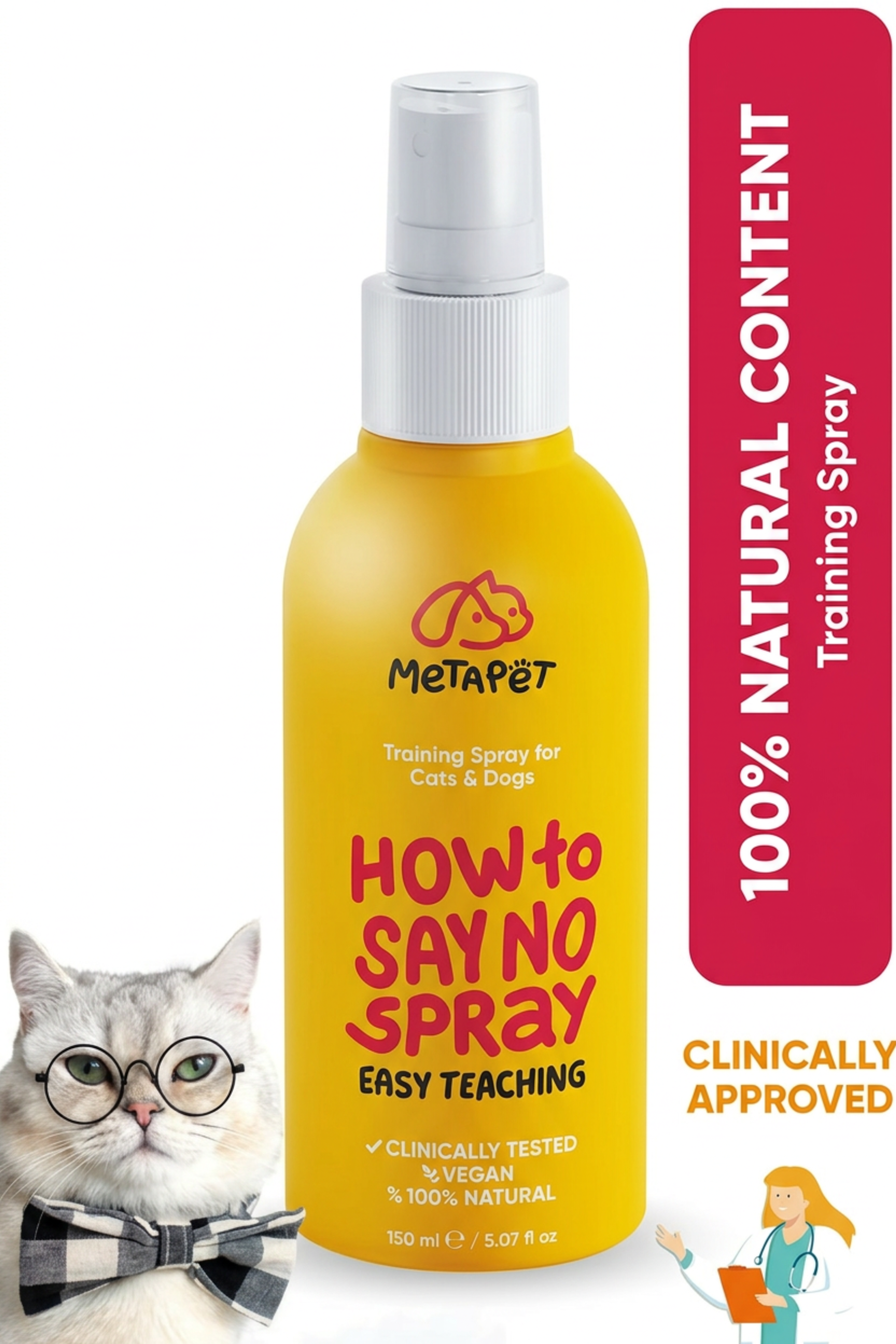
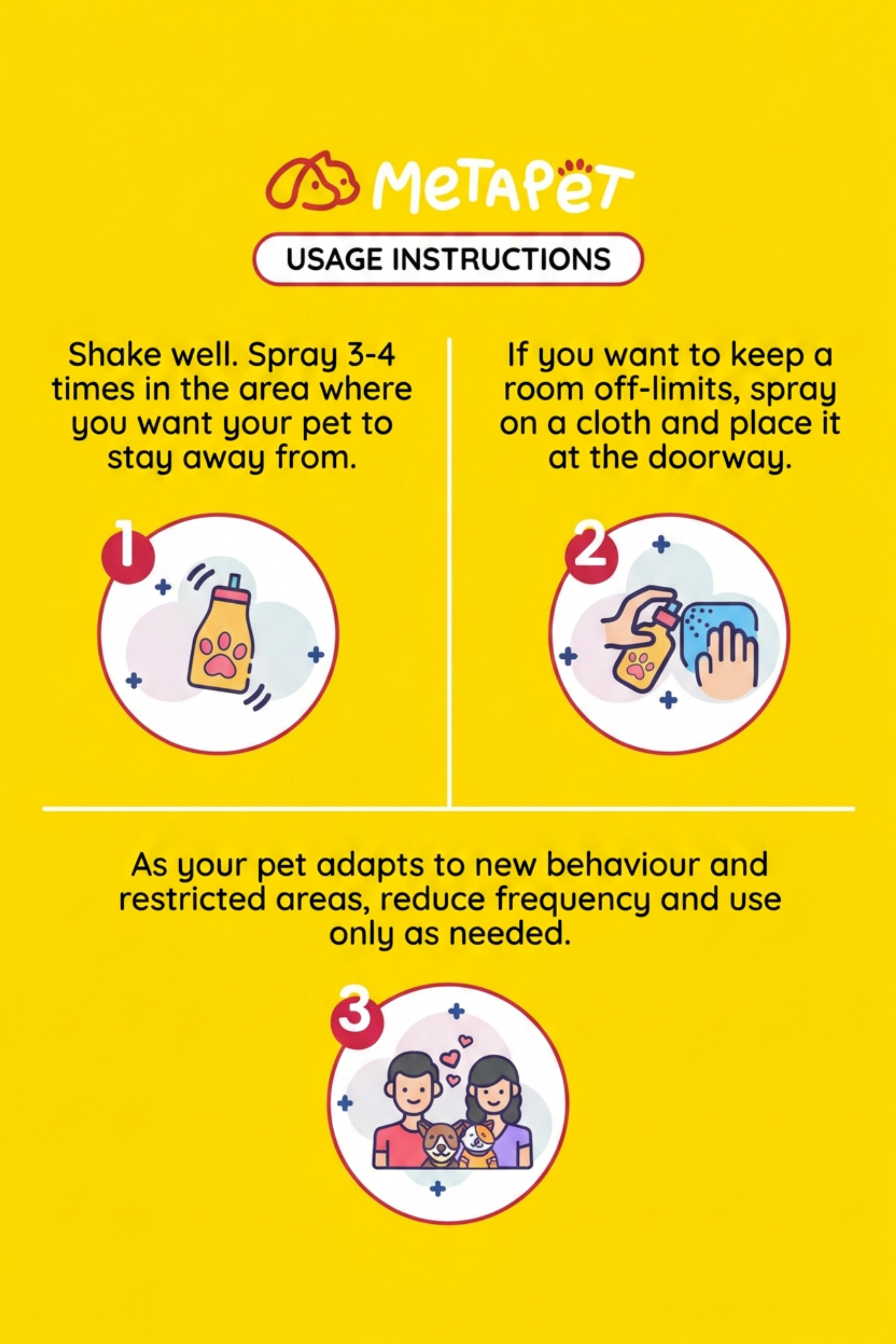
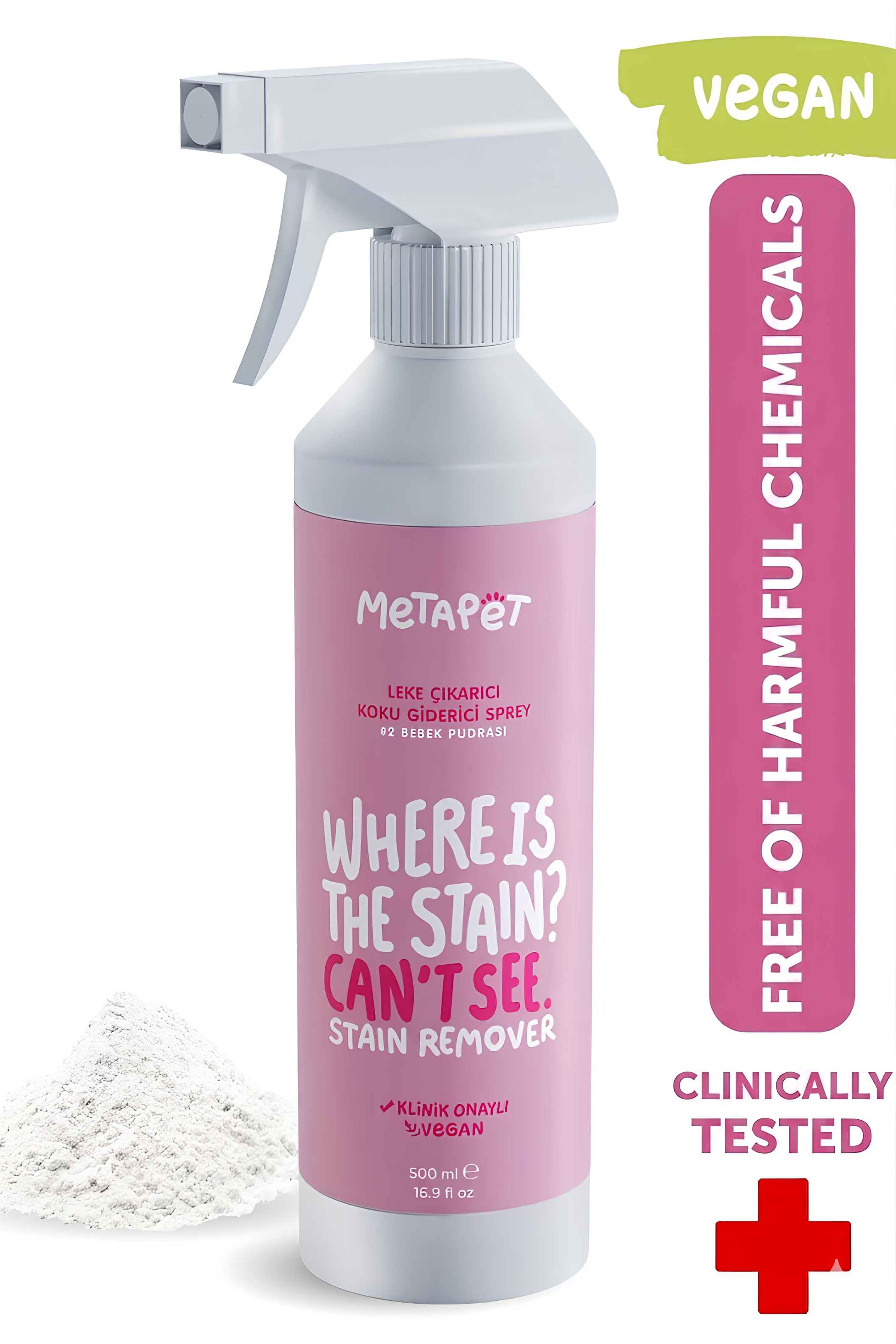
Training sprays can be a useful signal for pets that persistently target particular furniture or areas. Choose products designed for pets, apply them according to label instructions, and never apply anything directly to your pet. Treat them as one part of a management plan alongside placement changes and enrichment, and check with your veterinarian if your pet has sensitive skin or ongoing behavioural concerns.
Outdoor Plants and Garden Spaces
Gardens deserve the same review. Bulbs are a common springtime hazard, several ornamental shrubs are toxic, and compost heaps can contain mouldy material that is harmful if eaten. Fertilisers, slug pellets, weed treatments and cocoa-based mulch products all carry their own risks and should be stored securely.
Create a pet zone with hardy, safer planting and a shaded resting area, and fence off beds where you grow riskier species. Supervise dogs who dig, and check the garden after storms for fallen branches and berries. Neighbours' garden waste tossed over a fence is a surprisingly common source of unexpected exposures.
If You Suspect Your Pet Ate Something Toxic
Act quickly and calmly. Remove any remaining plant material from your pet's mouth, take a sample or photograph of the plant, and note roughly how much may have been eaten and when. Then contact your veterinarian or an animal poison control service immediately — do not wait to see whether symptoms develop.
Never induce vomiting at home unless a veterinary professional specifically instructs you to do so, and never give human medications. Signs that warrant emergency care include drooling, pawing at the mouth, repeated vomiting, diarrhoea, tremors, weakness, difficulty breathing, collapse, or any change in urination. With lily exposure in cats, treat it as an emergency even if your cat seems completely normal.
Building a Safer Plant Habit
Make identification part of buying. Photograph the label, keep a list of what you own, and check anything new against a reputable veterinary plant database before it comes indoors. Tell friends and family about the lily rule if you have cats, since bouquets are a classic accidental exposure.
Review the home periodically, especially after moving furniture, acquiring a kitten or puppy, or receiving gift plants around holidays. Seasonal decorations bring their own hazards, and a five-minute check each season prevents most emergencies before they start.
Frequently Asked Questions
Is any lily safe around cats?
Some plants called lilies are unrelated botanically, but because identification is difficult and true lilies are so dangerous to cats, most veterinarians advise cat owners to avoid all of them and to refuse them in bouquets.
My cat nibbled a leaf and seems fine. Should I still call?
Yes, if you cannot confidently identify the plant as non-toxic. Some toxins act with a delay, and early advice is far better than waiting for signs to appear.
Are succulents safe?
It depends entirely on the species. Some are considered non-toxic while others, including certain euphorbias and the sago palm often sold alongside them, are dangerous. Identify each plant individually.
Will a bitter deterrent spray stop plant chewing?
Sometimes, but not reliably on its own. Combining placement changes, a designated cat grass tray and more enrichment works far better than relying on taste deterrents alone.