Litter Box Problems in Cats: Solutions and Prevention

Few things frustrate cat owners more than a cat that stops using the litter box. It can feel mysterious and even personal, but litter box problems are almost always a form of communication: your cat is telling you that something is not right. The good news is that most litter box issues can be understood and addressed once you know what to look for.
This guide explains the common reasons cats avoid the litter box, how to set up and maintain boxes in a way cats prefer, and supportive steps, including odor management, that help keep the litter area appealing. Crucially, it also covers why a sudden change in litter box behavior can be a medical red flag that warrants a prompt veterinary visit.
Important: This article is general educational information and is not a substitute for an in-person veterinary examination. Litter box avoidance can signal a medical problem, especially urinary issues, which can be serious. If your cat suddenly stops using the box or strains to urinate, contact your veterinarian promptly.
Why Cats Stop Using the Litter Box
When a cat avoids the litter box, the reasons generally fall into a few broad categories: medical issues, problems with the box or litter itself, location concerns, and stress or behavioral factors. Often, more than one factor is involved. Understanding these categories is the first step toward solving the problem.
It is essential to recognize that litter box avoidance is not your cat being spiteful or difficult. Cats are naturally inclined to use a litter box, so when they stop, it usually reflects discomfort, dislike, or distress of some kind. Approaching the issue with patience and curiosity, rather than frustration, leads to better results for both you and your cat.
Rule Out Medical Causes First
Before assuming a litter box problem is behavioral, it is important to consider medical causes, because several health conditions can lead a cat to avoid the box. Urinary issues in particular can cause pain or urgency that a cat associates with the litter box, and some urinary conditions can become serious quickly.
If your cat suddenly stops using the litter box, strains to urinate, urinates frequently or in small amounts, cries while eliminating, or has blood in the urine, contact your veterinarian promptly. A male cat that is straining and unable to pass urine is a medical emergency requiring immediate care. Because medical issues need professional diagnosis, a veterinary visit is the right first step whenever litter box behavior changes suddenly.
Choosing the Right Litter Box
The box itself can make a big difference. Cats have preferences, and a box that does not suit them may discourage use. Consider these factors when selecting and placing boxes.
- Size: Many cats prefer a box large enough to turn around in comfortably; boxes that are too small can deter use.
- Sides: Lower sides help kittens and senior cats with mobility challenges get in and out easily.
- Covered vs. open: Some cats dislike covered boxes, which can trap odor and feel confining; others prefer the privacy. Observe your cat's preference.
- Number of boxes: A common guideline is one box per cat plus one extra, placed in different locations.
If you are troubleshooting, try offering different box styles to learn what your cat prefers. Small changes to the box can sometimes resolve avoidance.
Litter Type and Depth
Cats can be particular about the litter itself. Texture, scent, and depth all influence whether a cat finds the box appealing. Many cats prefer an unscented, soft-textured litter, as strong fragrances that appeal to people can be off-putting to cats.
- Texture: Fine, soft litters are often preferred; experiment if your cat seems hesitant.
- Scent: Many cats favor unscented litter; heavy perfumes may deter use.
- Depth: A moderate depth is usually appropriate, neither too shallow nor too deep.
- Consistency: Cats can dislike sudden changes; transition to a new litter gradually if needed.
If you suspect litter preference is an issue, try offering boxes with different litters side by side to see which your cat chooses. Let your cat's behavior guide you.
Location Matters
Where you place the litter box strongly affects whether your cat will use it. Cats generally prefer a location that feels safe, quiet, and accessible. A poorly placed box can discourage even a cat that is otherwise content.
- Quiet and low-traffic: Avoid noisy areas or spots near appliances that can startle.
- Away from food and water: Cats typically prefer not to eliminate near where they eat and drink.
- Accessibility: Ensure easy access, especially for kittens and seniors; avoid locations that require climbing or navigating obstacles.
- Privacy with escape routes: Cats often like some privacy but also want to see their surroundings and not feel trapped.
- Spread boxes out: In multi-cat homes, place boxes in different areas so one cat cannot block access.
If avoidance is an issue, experiment with location. Sometimes simply moving a box to a calmer spot makes a meaningful difference.
Keeping the Box Clean
Cleanliness is one of the most important factors in litter box success. Cats are fastidious animals, and many will avoid a box that is not clean enough for their standards. A consistent cleaning routine keeps the box appealing.
- Scoop frequently: Remove waste at least once daily, more often in multi-cat homes.
- Regular full changes: Periodically empty, wash, and refill the box per your litter's guidance.
- Gentle cleaning: Wash with mild soap and water; avoid strong-smelling cleaners that may deter your cat.
- Manage odor thoughtfully: Control odor in ways that keep the area pleasant for both you and your cat.
A clean box not only encourages use but also gives you a daily opportunity to monitor your cat's output, which can provide early clues about health.
Managing Litter Box Odor
Odor control benefits both you and your cat, but it is best achieved without overwhelming fragrances that cats may dislike. The goal is a fresh, neutral-smelling area rather than a heavily perfumed one. Frequent scooping is the foundation, supported by thoughtful products.
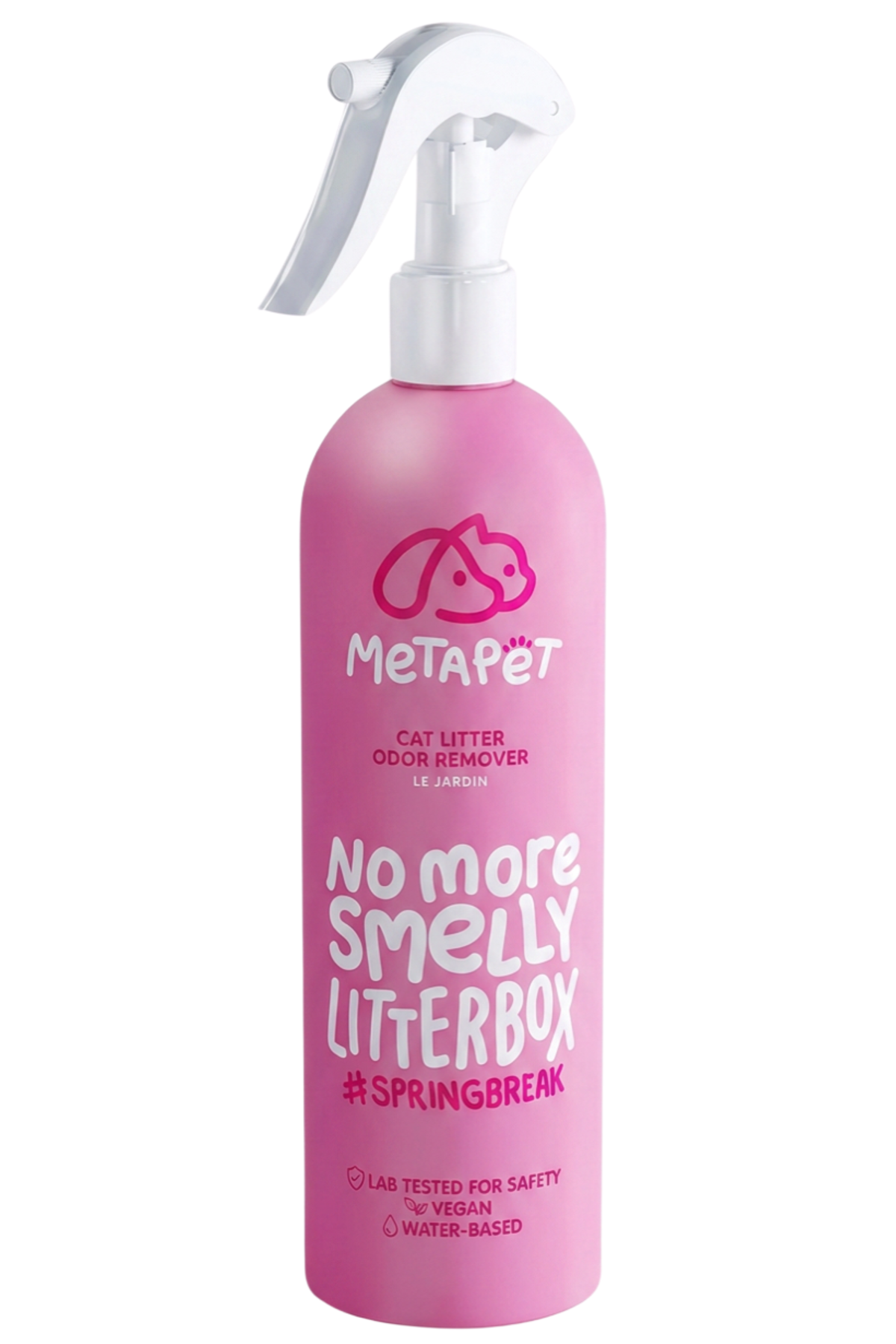
Some owners use odor-management aids designed for the litter area. For example, an activated-carbon deodorizer such as the MetaPet No Smell in Litterbox Activated Carbon Litter Deodorizer is designed to help absorb litter-area odors, and a deodorizer spray like the MetaPet No More Smelly Litterbox Deodorizer Spray is formulated to help keep the litter and toilet area fresh. These are cosmetic odor-management aids that complement a good cleaning routine; they do not replace regular scooping or veterinary care. Choose unscented or mild options where possible, follow label directions, and watch that your cat remains comfortable using the box.
Cleaning Up Accidents Properly
When accidents happen outside the box, thorough cleanup is important, because lingering odor can draw a cat back to the same spot. Effective cleaning removes the scent that signals a repeat location.
- Act promptly: Clean accidents as soon as you find them.
- Use appropriate cleaners: Products designed to neutralize pet odors are more effective than masking scents. A pet stain and odor remover such as the MetaPet Where Is The Stain Pet Stain Remover & Deodorizer Spray is designed to help clean and freshen affected areas.
- Avoid ammonia-based cleaners: These can resemble urine scent and may attract repeat use.
- Discourage repeat spots: Once clean, consider making the area less appealing for elimination.
Always follow product directions and test on inconspicuous areas first. Proper cleanup supports your broader efforts to redirect your cat back to the box.
Stress, Change, and Behavior
Cats are sensitive to changes in their environment, and stress can contribute to litter box problems. New pets, household changes, moving, or even rearranged furniture can unsettle a cat and affect their habits.
- Maintain routine: Predictable schedules help cats feel secure.
- Provide enrichment: Play, climbing spaces, and engagement reduce stress and boredom.
- Offer safe spaces: Quiet retreats give anxious cats a sense of control.
- Introduce changes gradually: Ease transitions like new pets or moves when possible.
If you suspect stress is contributing to litter box issues, and once medical causes have been ruled out by your veterinarian, addressing the underlying stress is key. Your vet can also offer guidance on behavioral approaches suited to your cat.
Monitoring Your Cat's Litter Box Habits
The litter box offers a valuable window into your cat's health. Paying attention to what is normal for your cat helps you notice meaningful changes early. Track the frequency, volume, and appearance of urine and stool as best you can.
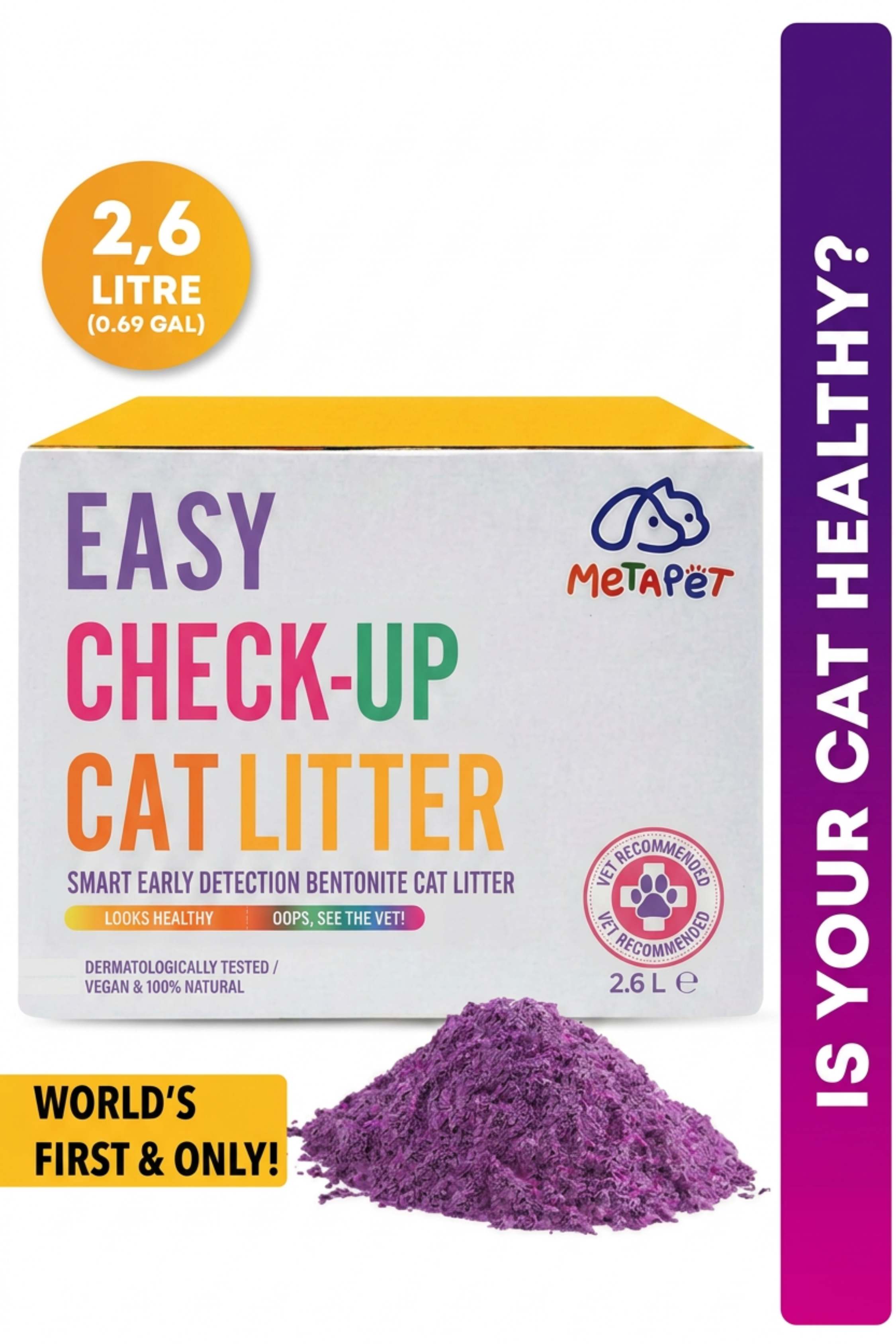
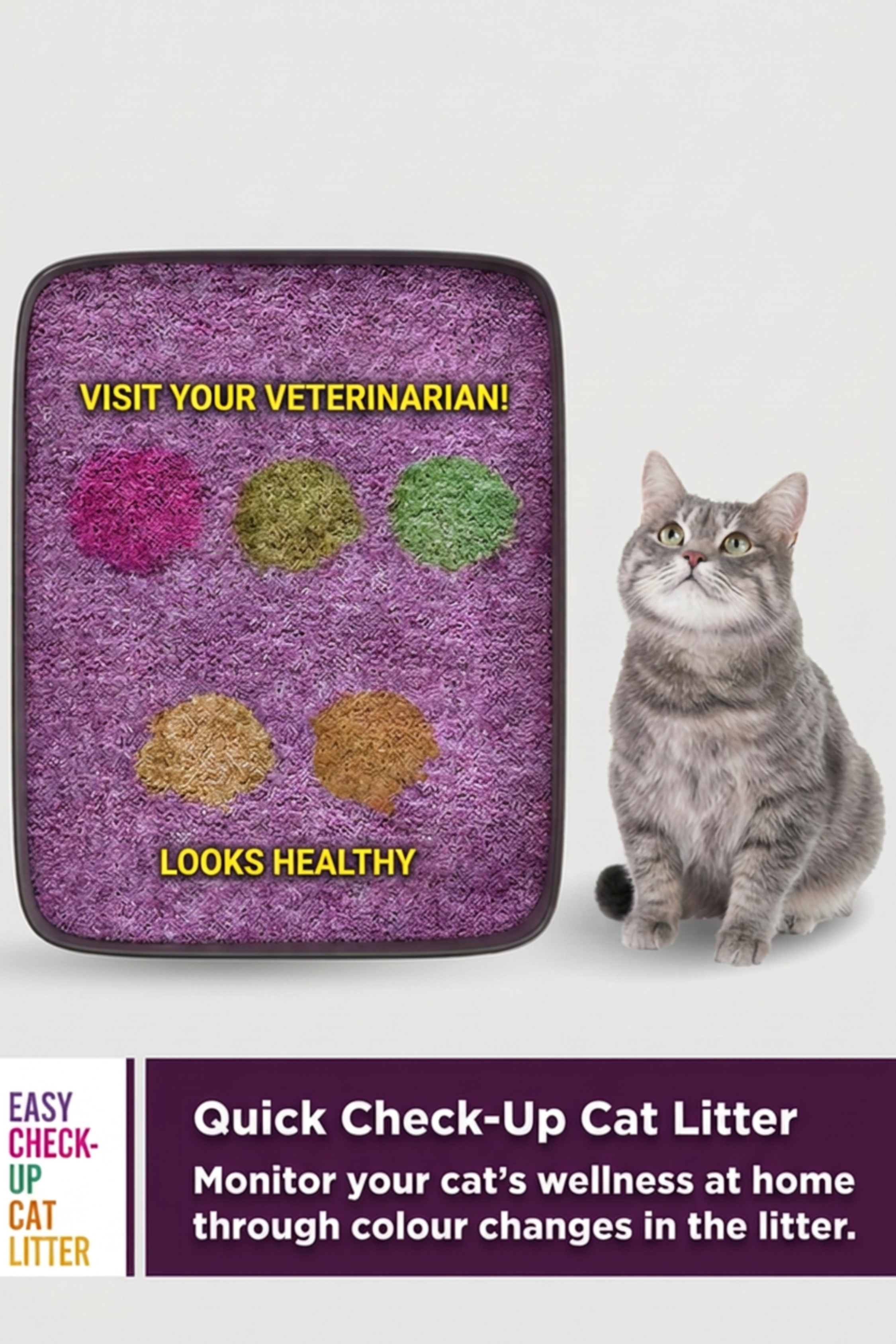
Some products are designed to support at-home wellness monitoring. For instance, a color-changing litter such as the MetaPet Easy Check-Up Smart Cat Litter is designed to provide a color-change wellness indicator that may help prompt you to seek veterinary advice. It is a monitoring aid, not a diagnostic test, and it does not replace veterinary evaluation. Any concerning change you notice, whether through observation or such an aid, should be discussed with your veterinarian, who can perform proper testing and diagnosis.
Special Considerations for Senior and Multi-Cat Homes
Certain situations call for extra attention to litter box setup. Tailoring your approach helps prevent problems before they start.
Senior cats
Older cats may have mobility challenges that make high-sided boxes difficult. Provide boxes with low entry points and place them in easily accessible locations, so reaching the box is never a struggle.
Multi-cat households
With several cats, competition and territory can complicate litter box use. Provide enough boxes, spread across different areas, so each cat has reliable access without feeling guarded or blocked by another cat.
When to See Your Veterinarian
Because litter box problems can have medical roots, veterinary involvement is often essential. Contact your veterinarian if your cat suddenly stops using the box, strains or cries while eliminating, urinates very frequently or in tiny amounts, has blood in the urine, or shows any sign of discomfort.
A male cat straining and unable to urinate is a medical emergency, seek immediate veterinary care. Even when the cause turns out to be behavioral, ruling out medical issues first is the responsible approach. Your veterinarian is your partner in identifying the cause and guiding both medical and behavioral solutions.
Frequently Asked Questions
How many litter boxes should I have?
A common guideline is one box per cat plus one extra, placed in different locations. This helps ensure reliable access, especially in multi-cat homes.
My cat suddenly stopped using the box. What should I do?
A sudden change warrants a prompt veterinary visit to rule out medical causes such as urinary problems, which can be serious. Contact your veterinarian first.
Do scented litters help with odor?
Many cats dislike strong fragrances and may avoid scented litter. Frequent scooping and mild, unscented odor management are usually more cat-friendly approaches.
Can stress cause litter box problems?
Yes, stress and environmental changes can contribute, but medical causes should be ruled out first. Once that is done, addressing stress and enrichment can help.