Life on Three Legs: Amputation Recovery in Dogs and Cats

Hearing that your dog or cat may need a limb removed is one of the harder conversations an owner can have. It sounds drastic, and most people picture a permanently disabled animal. In practice, the reality is usually far more encouraging: dogs and cats are remarkably good at adapting to three legs, and many return to a comfortable, active life within weeks.
Amputation is recommended for a range of reasons — severe trauma that cannot be repaired, certain tumours of the limb, intractable pain, or nerve damage that leaves a leg permanently non-functional and prone to injury. The decision is always individual, and the goal is the same in every case: removing a source of pain or disease so the animal can get on with living. This guide explains what recovery typically involves, how to prepare your home, and which signs mean you should be on the phone to your veterinary team.
Important: This article shares general educational information for pet owners and is not a substitute for an in-person veterinary examination, diagnosis, or treatment. For any medical concern or emergency, contact your veterinarian promptly.
Why Pets Adapt Better Than People Expect
Dogs and cats already carry their weight across four legs in a way that is quite different from human two-legged balance. Front legs typically bear a larger share of body weight than hind legs, which is one reason a hind-limb amputation is often adjusted to slightly faster than a front-limb amputation. Their centre of gravity, low body position, and flexible spine all help.
Just as importantly, animals do not carry the psychological weight that people attach to losing a limb. They do not compare themselves to how they used to be. Once the pain that prompted the surgery is gone, most pets simply start problem-solving: how do I get to the water bowl, the sofa, the door? That practical, unselfconscious approach is a genuine advantage.
This is not to say adaptation is automatic or effortless. Size, age, body condition, the health of the remaining limbs, and any arthritis already present all influence how smoothly a pet manages. Your veterinarian weighs those factors before recommending the procedure, and they are worth discussing openly beforehand.
Questions Worth Asking Before Surgery
Going into the conversation with clear questions helps you feel involved rather than swept along. Consider asking:
- Why is amputation preferable to the alternatives? Understanding the reasoning helps you feel settled about the decision.
- How are my pet's other three limbs? Existing arthritis or a previous cruciate injury changes the plan and the rehabilitation approach.
- What does the pain-management plan look like? Ask about the hospital stay and the first two weeks at home.
- What will the incision look like, and how large will it be? Seeing an unexpectedly long incision for the first time is easier if you were told to expect it.
- What follow-up is planned? Suture removal, recheck timing, and whether rehabilitation is recommended.
- What should I have ready at home before the day? Practical preparation is easier before rather than after.
If any part of the plan is unclear, ask again. A good veterinary team expects questions and would much rather answer them in advance than discover confusion at discharge.
Setting Up Your Home in Advance
The single most useful thing you can do before your pet comes home is to reduce the number of difficult movements they have to make. Newly three-legged animals slip, and a slip on a hard floor in the first fortnight is both painful and discouraging.
- Lay non-slip runners, yoga mats, or rubber-backed rugs along the routes between the bed, water, food, and the door.
- Create a small, quiet recovery area on one level, away from stairs and away from other pets.
- Choose bedding that is supportive but easy to step onto — a low-sided, firm bed is usually better than a deep, soft nest.
- Block access to stairs, sofas, and beds with a baby gate or by closing doors, at least for the first weeks.
- For cats, move the litter box to the recovery area and switch temporarily to a box with a low entry side.
- Trim the fur between the paw pads of the remaining limbs and keep the nails short for better grip.
If you have hard floors throughout, borrow or buy enough matting to create a continuous path. Stepping stones of grip with slippery gaps between them are less helpful than a single connected route.
The First 48 Hours at Home
Your pet will come home tired, medicated, and likely a little disoriented. Expect low energy, and expect them to want to sleep. This is normal and desirable.
- Follow the medication schedule exactly. Pain control works far better when it is given on time rather than when discomfort reappears.
- Keep visits short and calm. Well-meaning visitors and excited children can prompt sudden movement.
- Offer water freely. Appetite is often reduced on the first evening; a small, bland meal is usually enough.
- Support movement, do not lift by the body. Ask your veterinary team to show you a safe sling or towel technique before you leave the clinic.
- Take toilet breaks on a lead, even in the garden. This keeps the trip short, controlled, and slip-free.
- Leave the incision alone. No creams, sprays, powders, or home remedies unless your veterinarian has prescribed them.
Do not be alarmed by bruising, some swelling, or a surprisingly long incision line. Ask what your specific pet's incision should look like so you have a reference point, and take a photo on day one so you can compare objectively later.
Caring for the Incision
Incision care is mostly about protection and observation rather than active treatment. The two biggest risks are licking and premature activity.
Protecting the site
A protective collar or a recovery suit is not optional. Pets can undo a surgical closure in minutes, and the moment you are not watching is the moment it happens. Keep the collar on for the full period your veterinarian specifies, including overnight, and only remove it under direct supervision if you have been told that is acceptable.
What to check twice daily
- Colour and swelling. Some bruising is expected; increasing swelling or spreading redness is not.
- Discharge. A small amount of clear or slightly blood-tinged fluid may occur early. Thick, coloured, or foul-smelling discharge needs a same-day call.
- Gaps in the closure. Any opening of the incision line should be reported immediately.
- Pain on approach. A pet that suddenly guards the area more than the day before may be developing a problem.
- Temperature and appetite. Being off food, dull, or feeling hot are general warning signs worth reporting.
Weeks Two to Six: Learning a New Gait
Once the acute post-operative period passes, the work shifts to rebuilding strength and confidence. Most pets start to experiment on their own; your role is to channel that into safe, gradual progress rather than one enthusiastic burst that sets them back.
Short, frequent, controlled lead walks on non-slip ground are usually more useful than a single long outing. Many owners find five to ten minutes several times a day works well early on, extending gradually as advised by their veterinary team. Off-lead running, jumping into cars, and stairs are typically the last things to be reintroduced.
Expect a period of clumsiness. Pets often overbalance when turning, shaking, or toileting, and cats may misjudge a jump they used to make easily. Reducing the height of the things they want to reach — a step or ramp to a favourite window seat, a lower perch — solves most of these problems without confrontation.
Signs that activity is too much
- Increased limping or reluctance the next morning. A classic sign that yesterday was overdone.
- New stiffness in a remaining limb. Report this; the other legs are now carrying more work.
- Panting, restlessness, or difficulty settling in the evening. These can indicate discomfort rather than excitement.
Protecting the Remaining Three Limbs
This is the long-term priority and the part owners most often underestimate. Three legs now do the work of four, and the joints that remain need to last. Two factors matter more than anything else: body weight and consistent, moderate activity.
Keeping a three-legged pet lean is arguably the most valuable thing an owner can do. Extra body weight increases load on every remaining joint and makes movement harder. Ask your veterinary team to show you how to assess body condition by feel, and weigh your pet regularly rather than judging by eye.
Steady, moderate exercise keeps supporting muscle strong. Long periods of complete rest followed by sudden bursts of intense activity are harder on joints than a consistent daily routine. Where available, formal physical rehabilitation with a qualified professional can be genuinely useful, particularly for larger dogs or pets with pre-existing arthritis.
Some owners choose to add a daily joint supplement to the routine. Products such as MetaPet Hip & Joint Drops for Dogs and MetaPet Hip & Joint Drops for Cats are complementary supplements formulated with ingredients such as glucosamine, chondroitin and MSM, and are designed to support joint comfort and easy movement as part of a daily routine. They are not medicines, are not intended to diagnose, treat, cure or prevent any disease, and are never a substitute for veterinary care, prescribed pain management, or a rehabilitation plan. Always talk to your veterinarian before adding any supplement, especially for a pet that is recovering from surgery or already on medication.
Cats Have Their Own Considerations
Cats generally cope very well, but their recovery needs are not identical to a dog's.
- Vertical space needs rethinking. Favourite high spots may need a ramp, a step, or relocation to a reachable height.
- Litter access must be easy. A low-entry box, close to the resting area, prevents accidents that get blamed on behaviour.
- Grooming may become harder. Cats missing a hind limb often struggle to reach the lower back and tail base, so gentle owner-assisted brushing becomes part of the routine.
- Outdoor access is worth reconsidering. Many veterinarians recommend keeping a newly three-legged cat indoors or in a secure enclosed area, at least initially.
- Hiding is normal early on. Provide a covered, easily accessible hiding place rather than one that requires climbing.
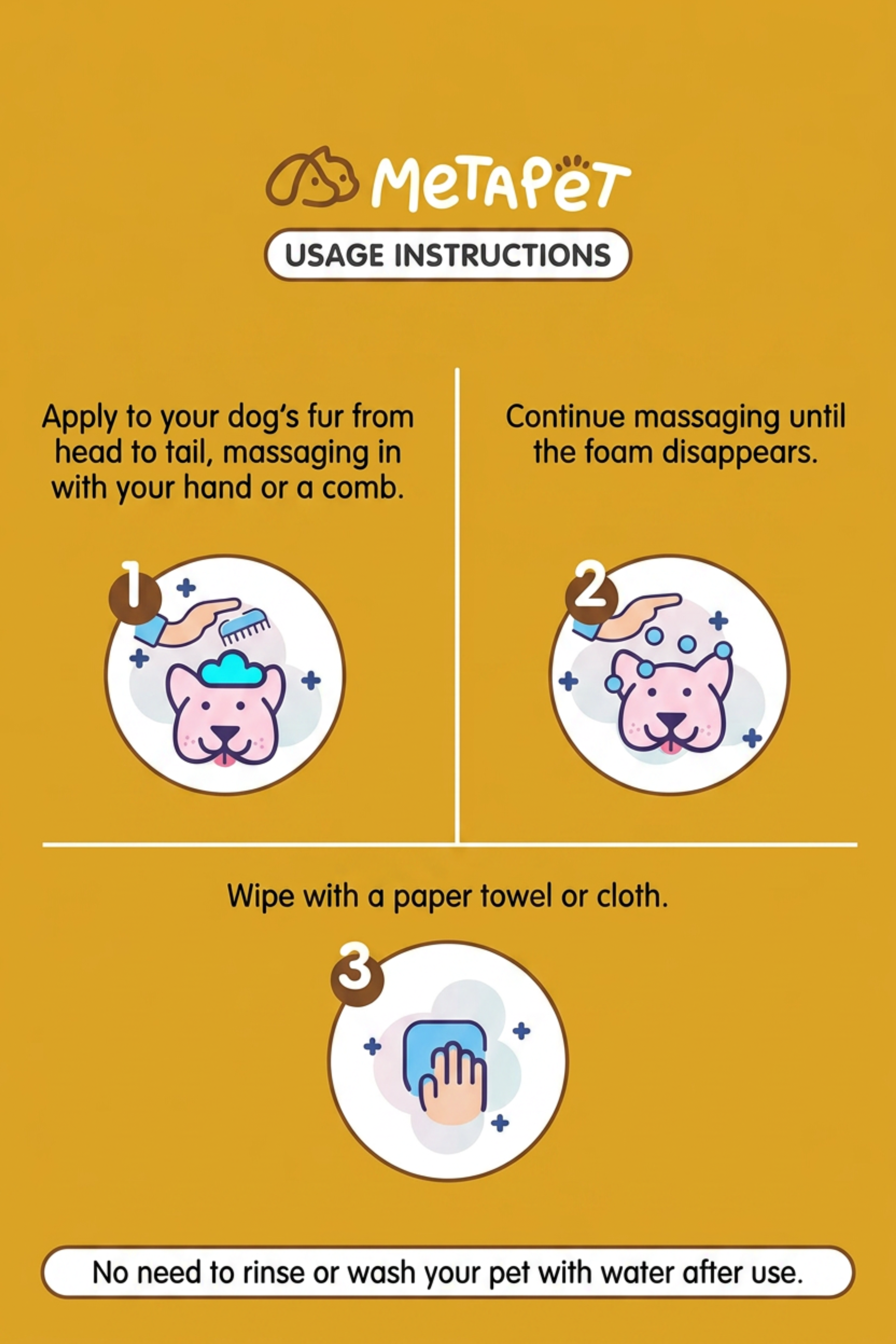
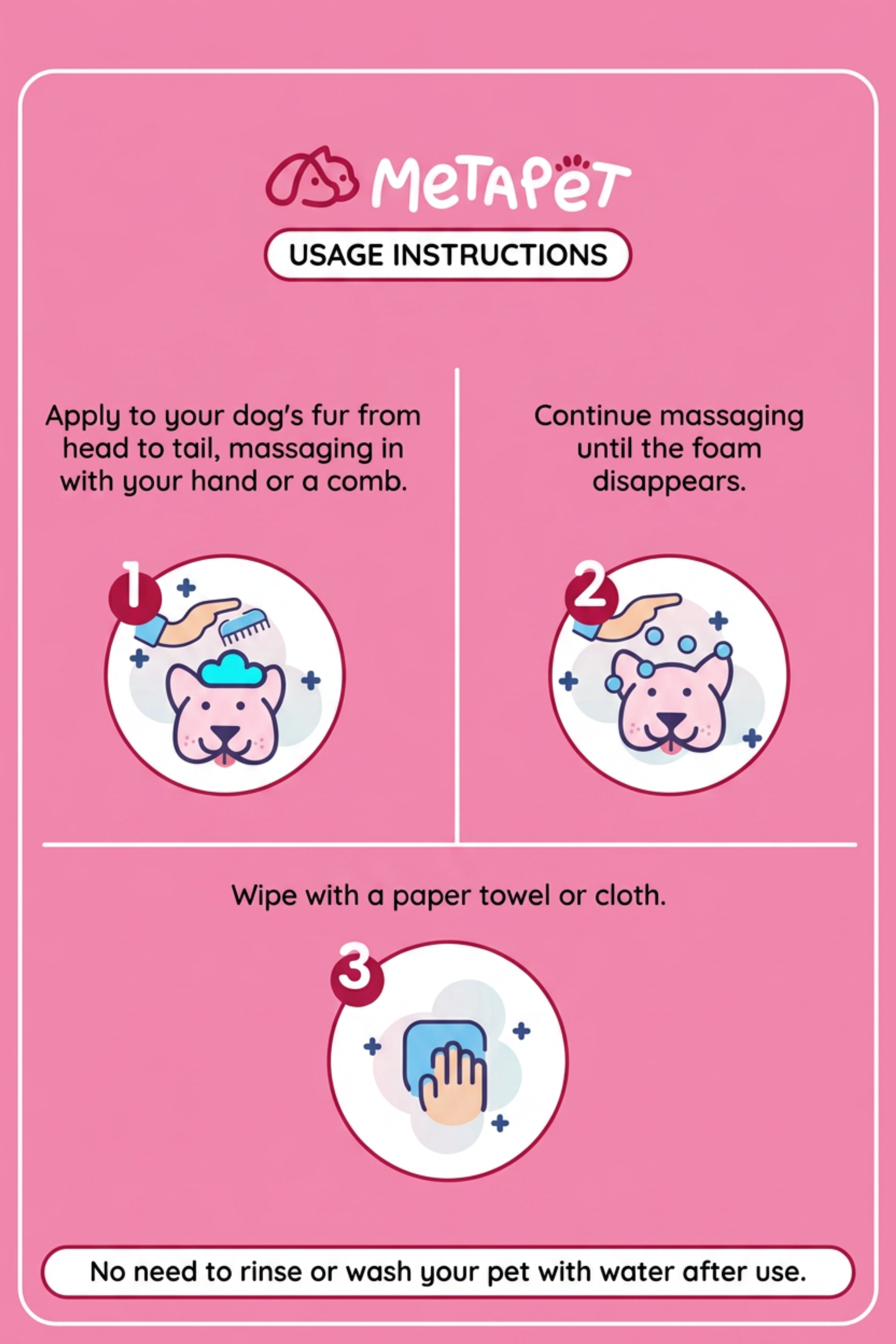
If grooming has become difficult in the areas your cat can no longer reach, gentle brushing and, between baths, external cleansing wipes such as MetaPet Nano-Series Hygiene & Care Towel Wipes can help with everyday coat and paw freshening. These are external grooming products, not medicines, and should be kept well away from any surgical incision unless your veterinarian says otherwise.
When to Contact Your Veterinarian
Some situations should never be watched at home overnight. Contact your veterinary practice, or an emergency veterinary hospital outside normal hours, if you see any of the following.
- The incision opens, or there is active bleeding. Do not wait to see whether it stops.
- Thick, coloured, or foul-smelling discharge. Or rapidly increasing swelling and heat.
- Your pet will not stand or bear weight at all. Particularly after previously managing to stand.
- Refusal to eat or drink for more than about a day. Especially in cats.
- Repeated vomiting, collapse, or laboured breathing. These are emergencies regardless of the surgery.
- Pain that is not controlled by the prescribed medication. Restlessness, crying, panting, or inability to settle.
For anything less urgent but still worrying — a lump near the site, a change in gait, a new limp in another leg — a routine call the same day is the right response. Nothing about a post-surgical pet is too small to ask about.
Frequently Asked Questions
How long until my pet walks normally?
Many pets take their first steps within a day or two of surgery and walk short distances early. Developing a smooth, confident gait usually takes several weeks, and continues to improve over months. Larger, older, or arthritic animals generally take longer.
Will my pet be in pain long term?
The point of the surgery is usually to remove a source of pain, and most pets are more comfortable afterwards than before. Long-term discomfort is possible, particularly if arthritis affects the remaining limbs, which is why weight control, activity, and regular check-ups matter.
Should I get a prosthetic instead?
Prosthetics are appropriate only for certain amputation levels and certain patients, and they require significant commitment. Ask your veterinarian whether your pet is a realistic candidate rather than assuming it is a general option.
Can a three-legged dog still swim or hike?
Many can, within limits and after a full recovery. Build up gradually, watch for fatigue, and get specific guidance from your veterinary team based on your dog's size and the limb removed.
Will other pets in the house react badly?
Most settle quickly. Reintroduce housemates calmly and with supervision, and give the recovering pet a space where they cannot be jostled.
The Bottom Line
Amputation is rarely anyone's first choice, but it is a well-established procedure with a strong track record, and it is usually chosen precisely because it ends suffering rather than causing it. The picture that frightens owners in advance — a permanently struggling animal — is not what most families end up living with.
What makes the biggest difference is preparation and patience: grip underfoot, a calm recovery space, exact adherence to the pain-management plan, protection of the incision, gradual return to activity, and long-term attention to body weight and the health of the remaining limbs.
Talk openly with your veterinary team, ask for a demonstration of any handling technique you are unsure about, and report changes early. With that support in place, three legs turns out to be enough for a great many dogs and cats to live full, comfortable lives.