Keeping Your Dog Fresh Between Baths: A Practical Guide

Most dogs do not need frequent full baths, and bathing too often can strip away the natural oils that keep skin and coat healthy. Yet between baths, even the cleanest dog can pick up that familiar "doggy" smell after a rainy walk, a roll in the grass, or a long nap on the sofa. The good news is that keeping your dog fresh between baths is mostly about simple, regular habits rather than constant washing.
This guide covers why dogs develop odors, how often bathing is usually appropriate, the everyday grooming steps that make the biggest difference, how to use no-rinse and fragrance products thoughtfully, and which smells are a signal to see your veterinarian rather than reach for another grooming product.
Important: This article shares general educational information for pet owners and is not a substitute for an in-person veterinary examination, diagnosis, or treatment. For any medical concern or emergency, contact your veterinarian promptly.
Why Dogs Develop That "Doggy" Smell
A mild natural scent is normal for dogs. Their skin produces oils, called sebum, that help protect the skin and keep the coat supple. Over time, these oils mix with dust, pollen, and the normal microbes that live on skin, creating a characteristic smell.
- Natural skin oils: some breeds, such as Basset Hounds and many retrievers, naturally produce more oil than others.
- Moisture: the classic "wet dog" smell becomes stronger when water releases odor compounds from the coat.
- Outdoor adventures: mud, puddles, and rolling in interesting smells all add to the mix.
- Thick or double coats: hold moisture and debris close to the skin.
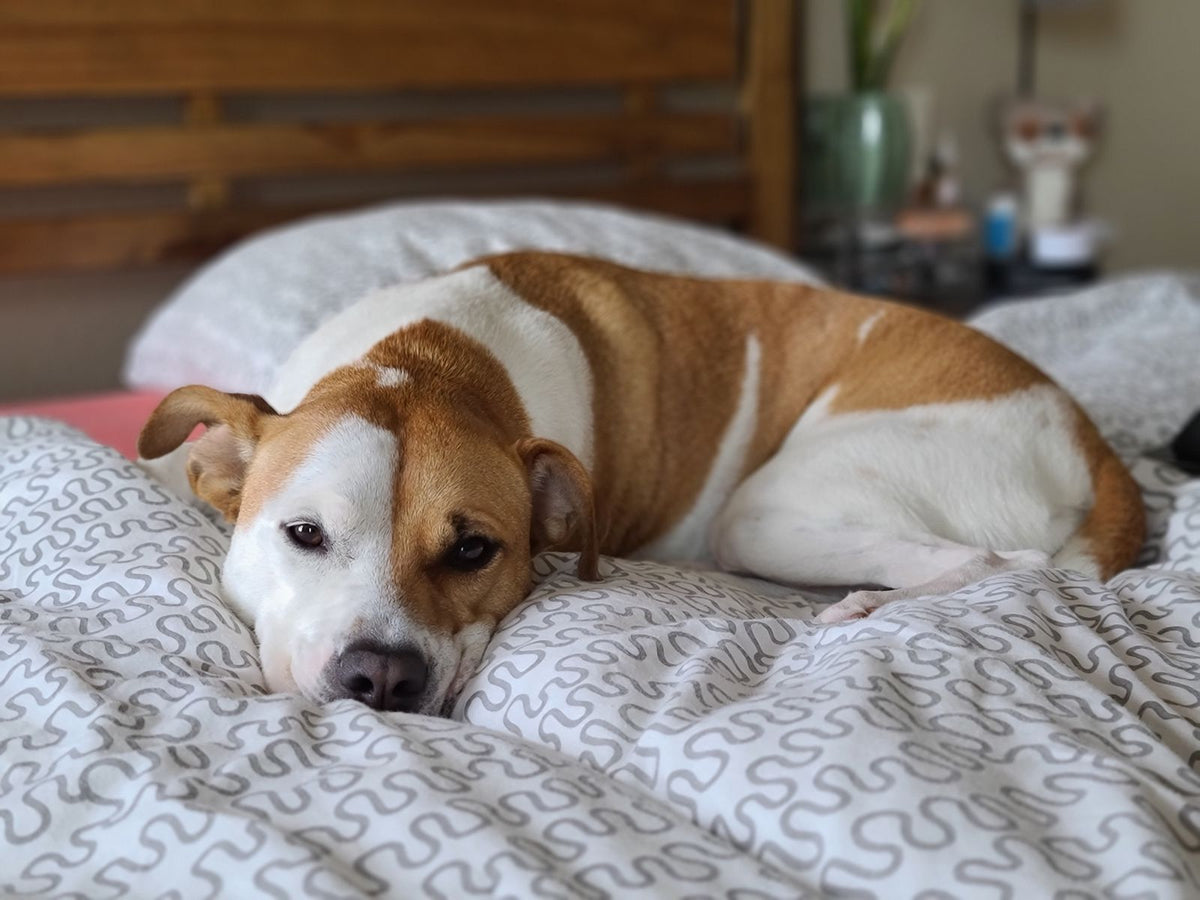
- Bedding and fabrics: dog beds, blankets, and sofas absorb odors and transfer them back to your dog.
Understanding these sources makes it clear why a combination of brushing, drying, and household cleaning often does more than extra baths.
How Often Should You Bathe Your Dog?
There is no single rule for every dog. The right schedule depends on coat type, skin health, lifestyle, and your veterinarian's advice. Many healthy dogs do well with a bath every few weeks to every couple of months, with extra baths after particularly messy adventures.
- Short, smooth coats: often need bathing less frequently and respond well to regular brushing and wiping.
- Long or double coats: benefit from thorough brushing before any bath to prevent tangles from tightening.
- Oily coats: may need somewhat more frequent bathing.
- Dogs with skin conditions: should follow the bathing plan and products recommended by their veterinarian.
Always use shampoo made for dogs. Human shampoos are formulated for human skin, which has a different pH, and may cause dryness or irritation in dogs.
Brushing: The Foundation of a Fresh Coat
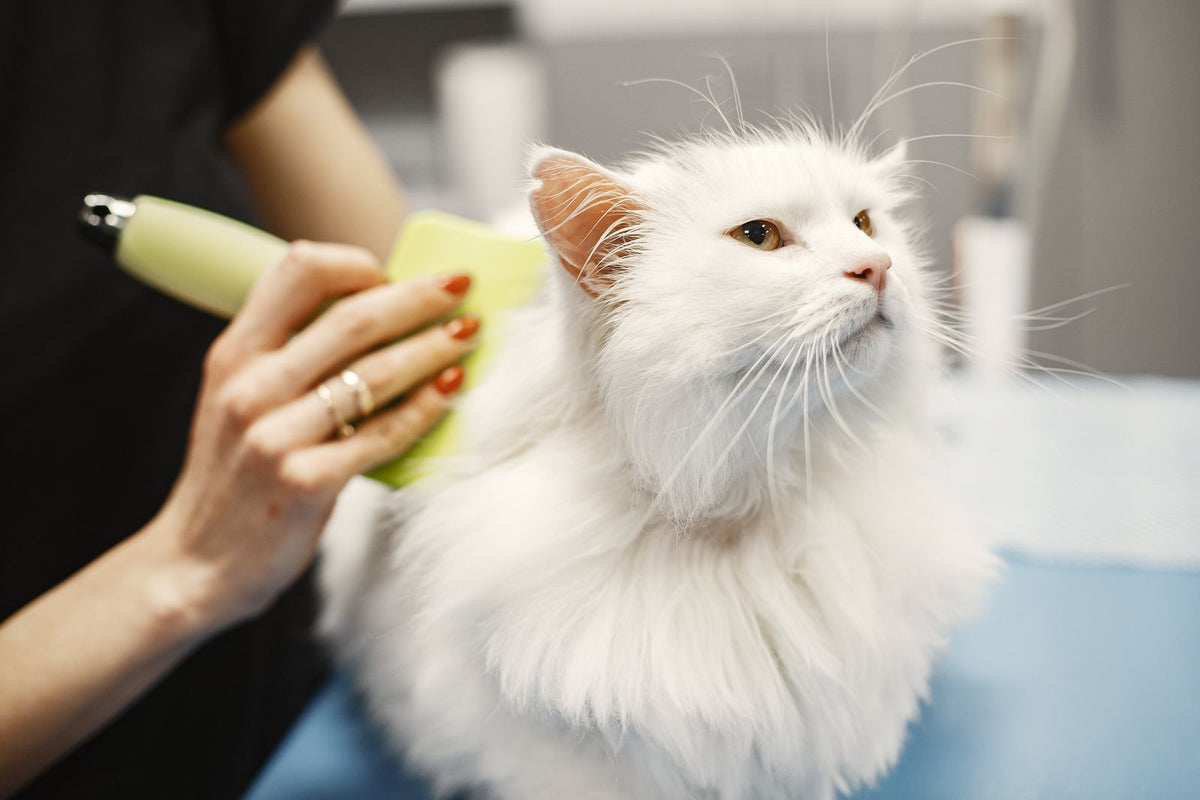
Regular brushing is one of the most effective ways to keep your dog smelling clean. It removes loose hair, dust, dander, and debris before they build up, and it spreads natural oils along the hair shafts for a healthy shine.
- Choose the right tool: slicker brushes, pin brushes, rubber curry brushes, and undercoat rakes suit different coat types. Ask your groomer or veterinarian for advice.
- Brush often: several times a week for most dogs, and daily for long-haired or heavily shedding breeds.
- Work systematically: brush in the direction of hair growth, section by section, paying attention to behind the ears, the armpits, and the back legs where mats form.
- Brush outdoors when possible: so loose hair and dust stay out of the house.
- Keep sessions positive: short, calm sessions with praise help your dog enjoy grooming.
Dry Your Dog Thoroughly After Getting Wet
Damp fur is one of the biggest contributors to odor. After walks in the rain, swims, or baths, take the time to dry your dog properly.
- Towel-dry first: press and squeeze rather than rubbing hard, which can tangle long coats.
- Use absorbent towels: microfiber towels hold a lot of water and speed up drying.
- Dry the hidden spots: between the toes, under the collar, the armpits, and the base of the ears.
- Use a cool dryer if your dog tolerates it: keep the setting low and the dryer moving to avoid overheating the skin.
- Remove wet collars and harnesses: let them dry separately, as damp fabric and leather hold odor.
Keep Bedding, Toys, and Gear Clean
Even a freshly groomed dog will pick up smells from dirty bedding. A clean environment makes a noticeable difference.
- Wash dog beds and blankets weekly: or more often for dogs that spend a lot of time outdoors.
- Choose washable covers: removable covers make regular cleaning much easier.
- Clean collars, leashes, and harnesses: fabric items can often be hand-washed and air-dried.
- Wash soft toys and clean chew toys: toys carry saliva and dirt that contribute to odor.
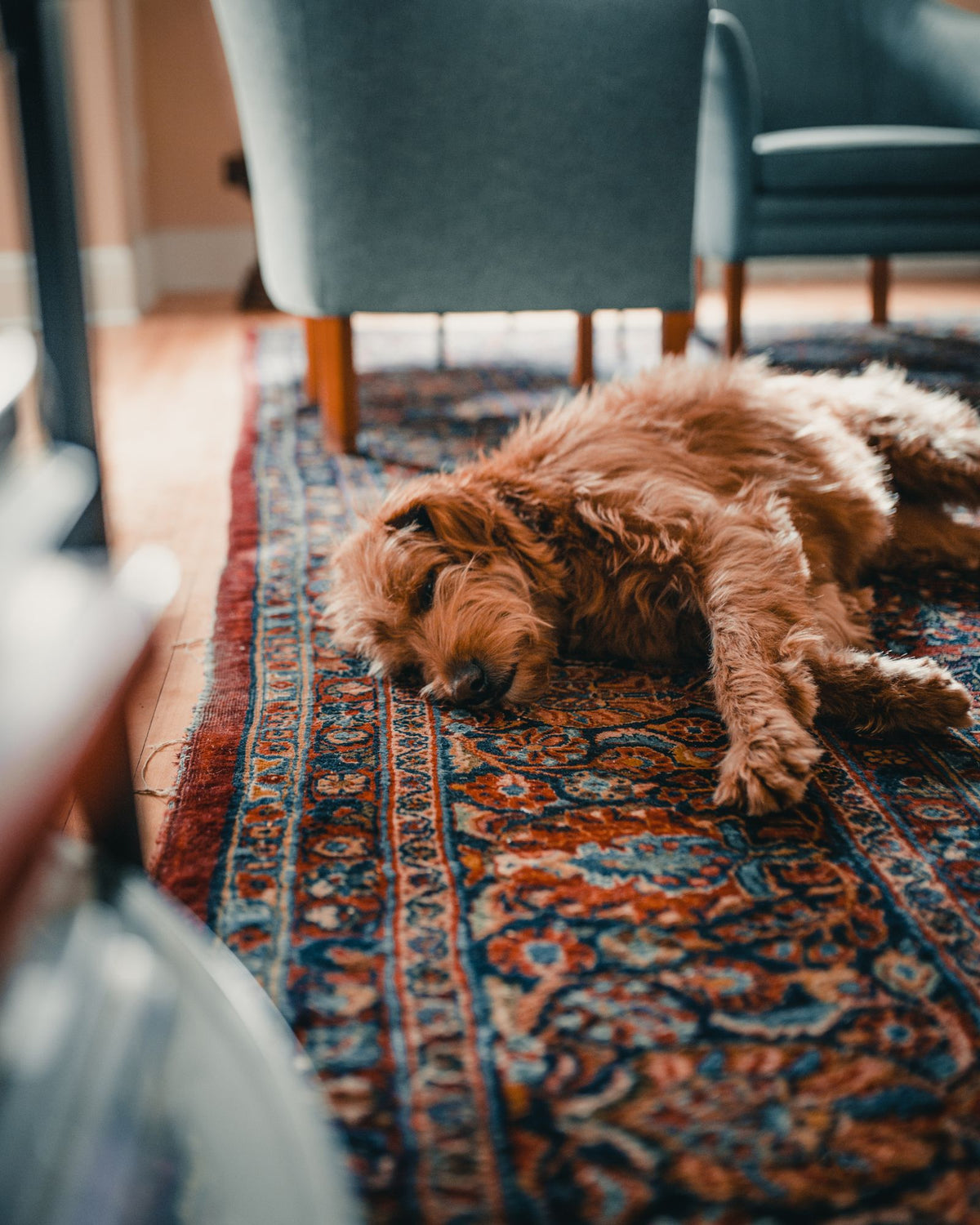
- Vacuum regularly: especially sofas, rugs, and car seats where your dog lies.
- Use unscented or pet-safe detergents: strong fragrances can irritate sensitive noses and skin.
No-Rinse Options for Quick Freshening
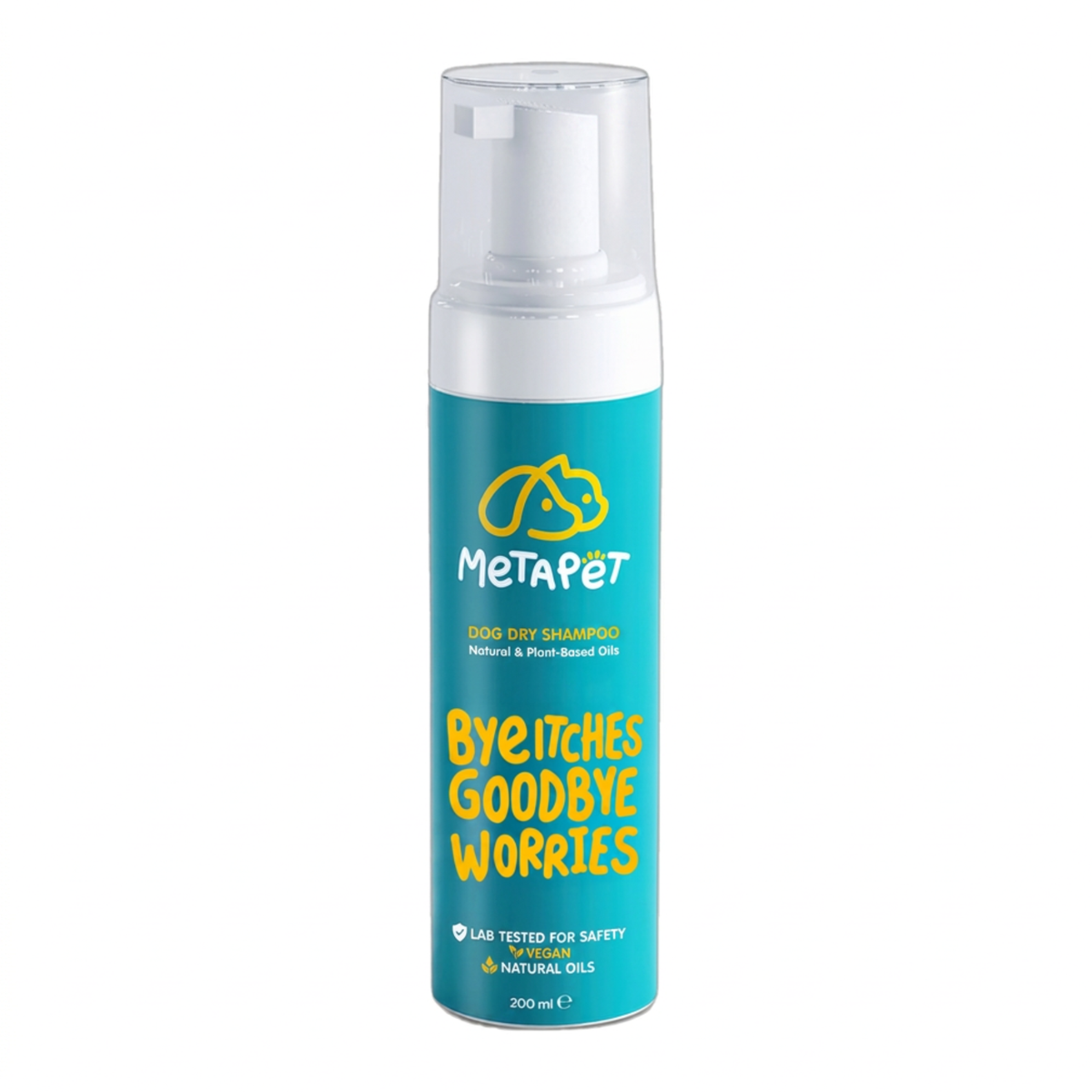
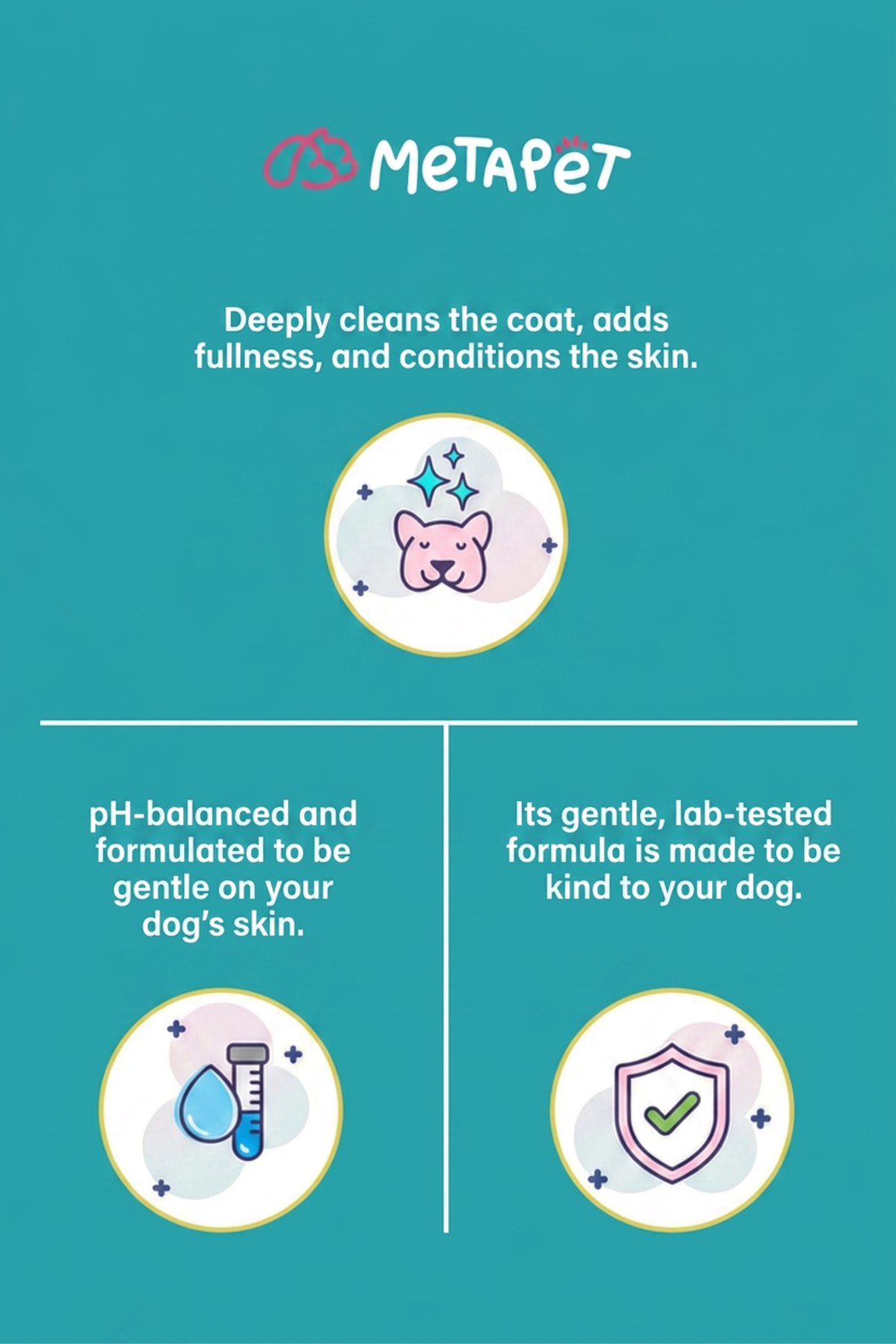
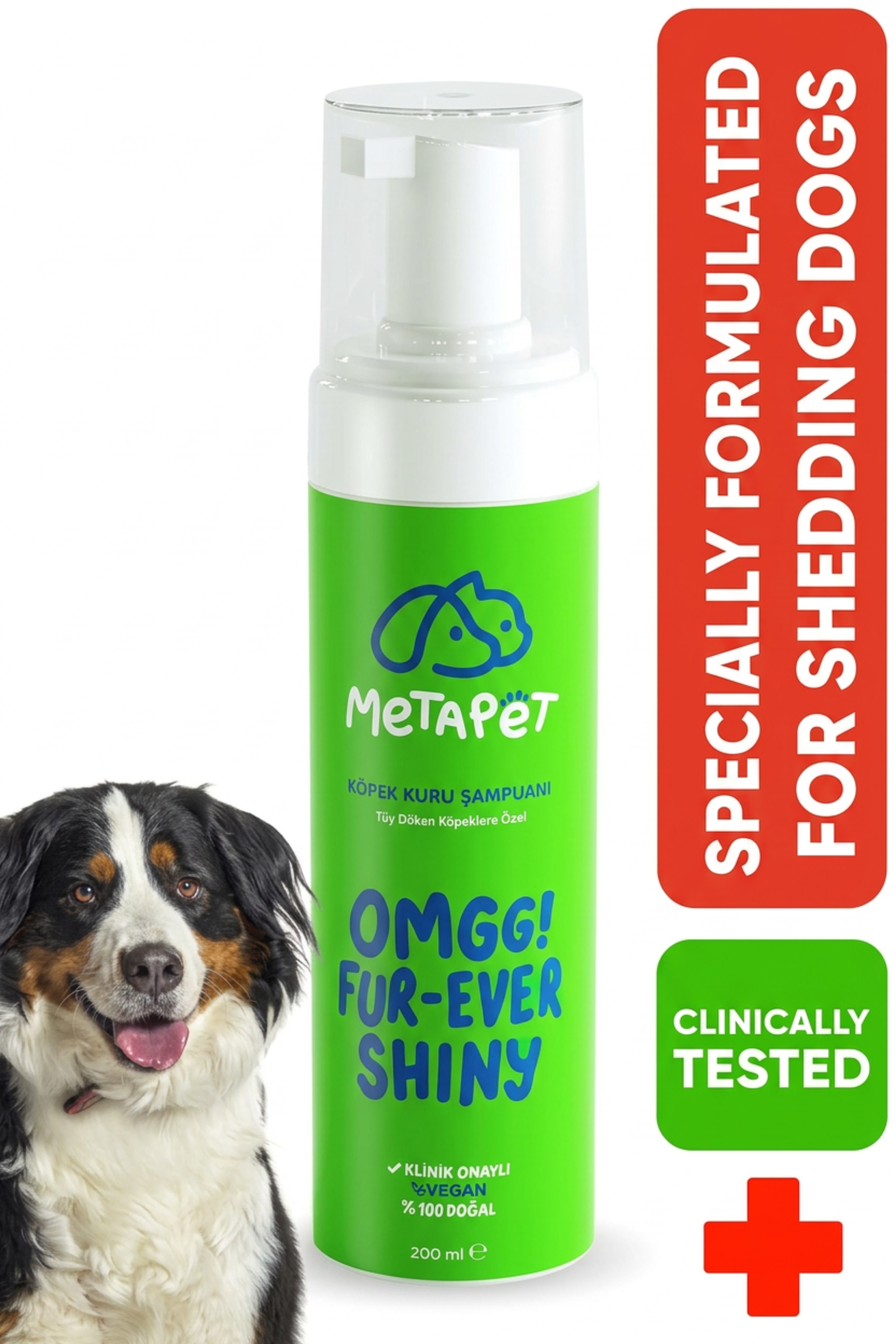
Waterless or dry foam shampoos are convenient for freshening up between full baths, for dogs that find bathing stressful, or when a full bath is not practical. They are cosmetic grooming products designed for external cleansing, and they work best as part of a routine that includes brushing and regular baths.
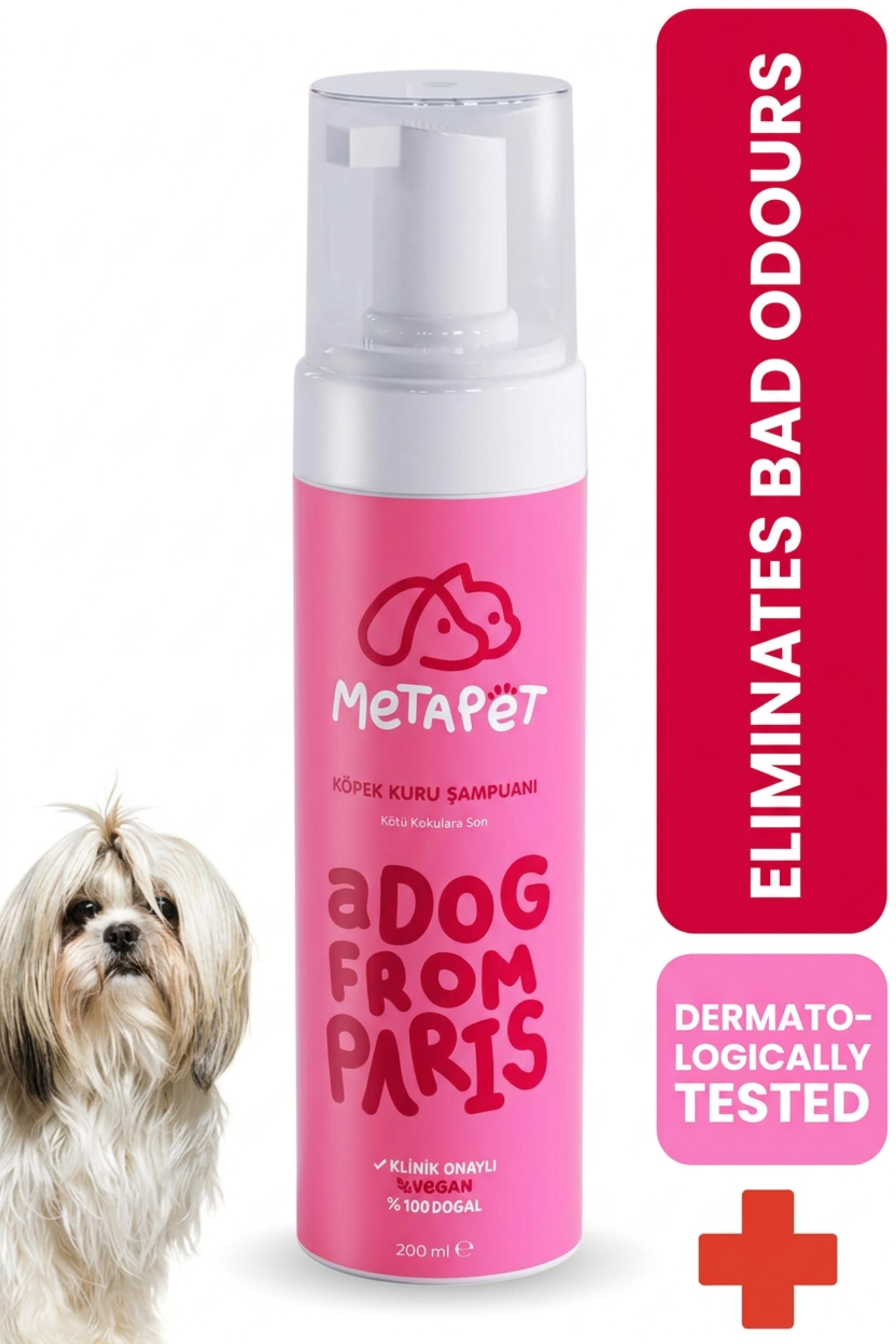
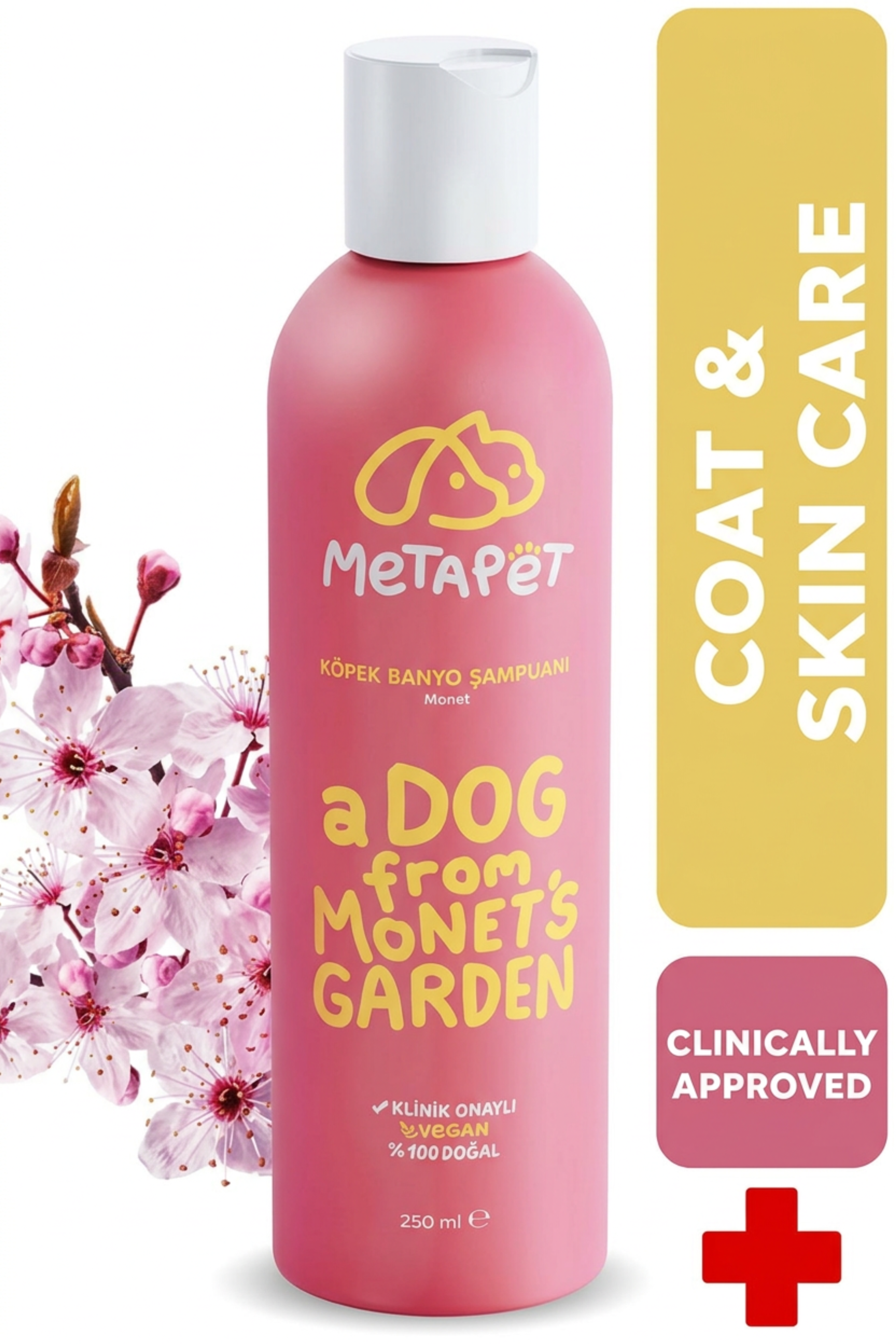
- MetaPet A Dog From Paris Waterless Dry Foam Shampoo for Dogs: a no-rinse foam designed to help keep dogs clean and smelling fresh between baths. According to the product description, it conditions the coat for a soft, well-groomed look and leaves a long-lasting signature scent.
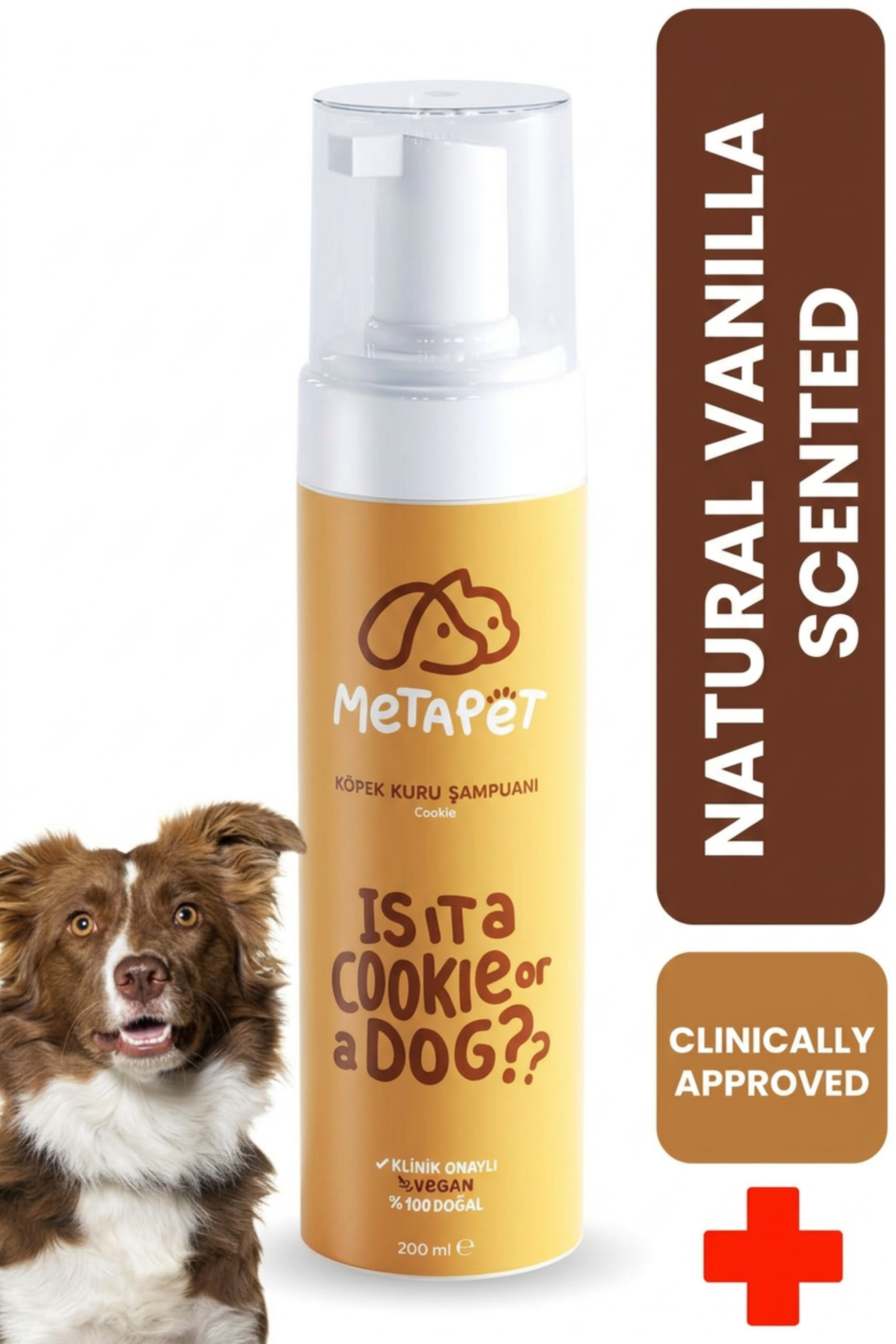
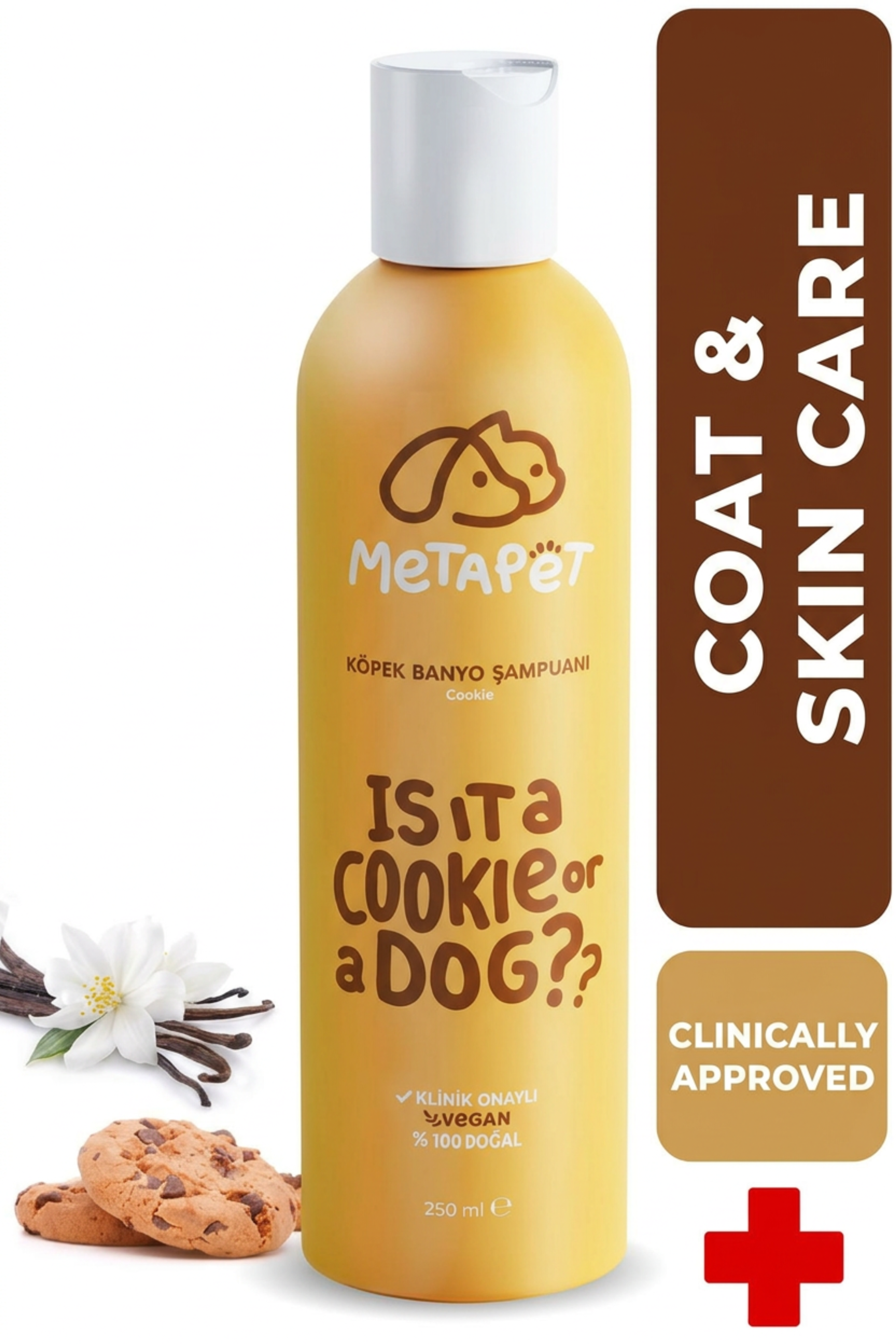
- MetaPet Is It a Cookie or a Dog? Vanilla Dry Foam Shampoo for Dogs: a pH-balanced dry foam with a natural vanilla fragrance, described as helping to reduce a greasy feel between baths, which may suit dogs with oilier coats.
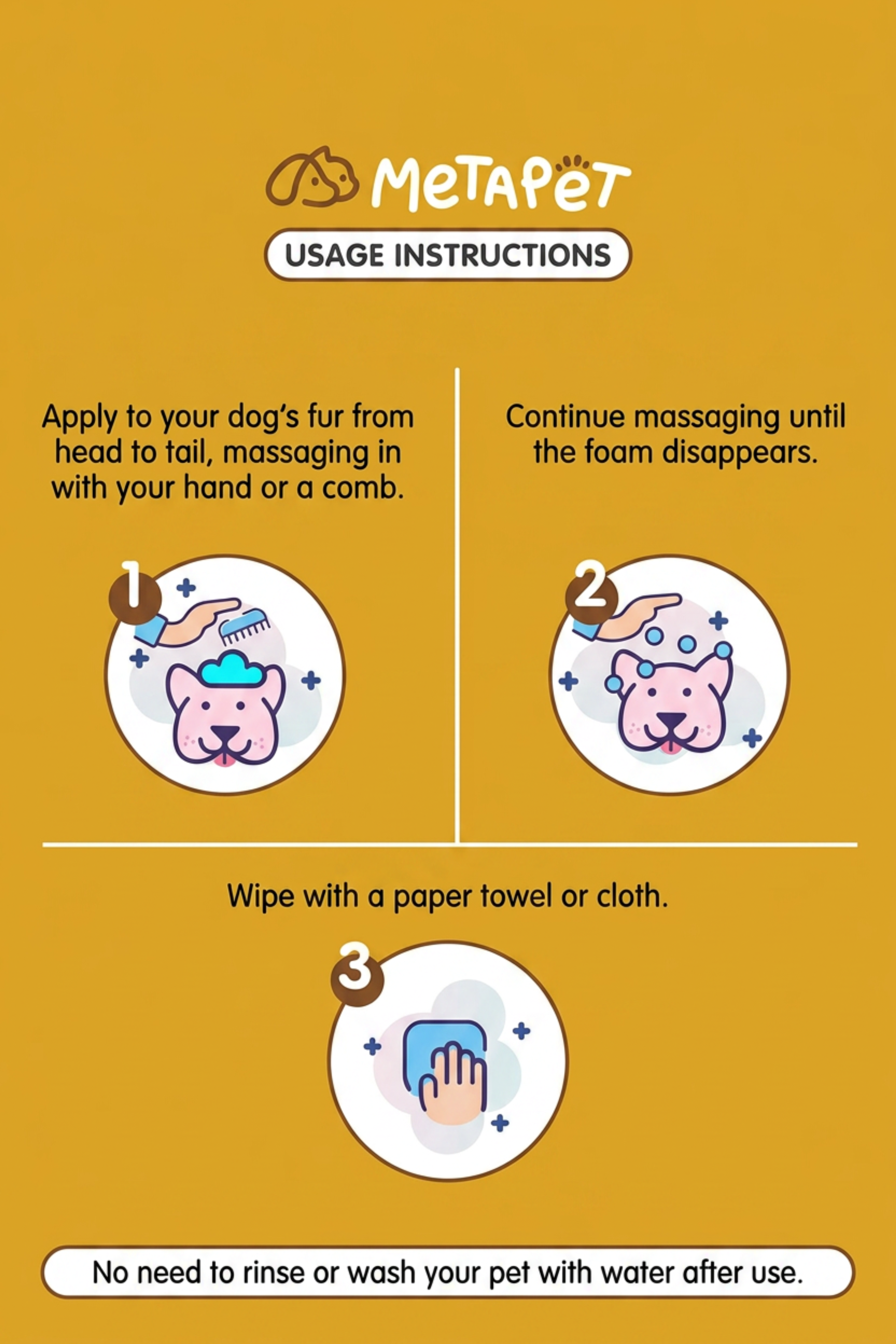
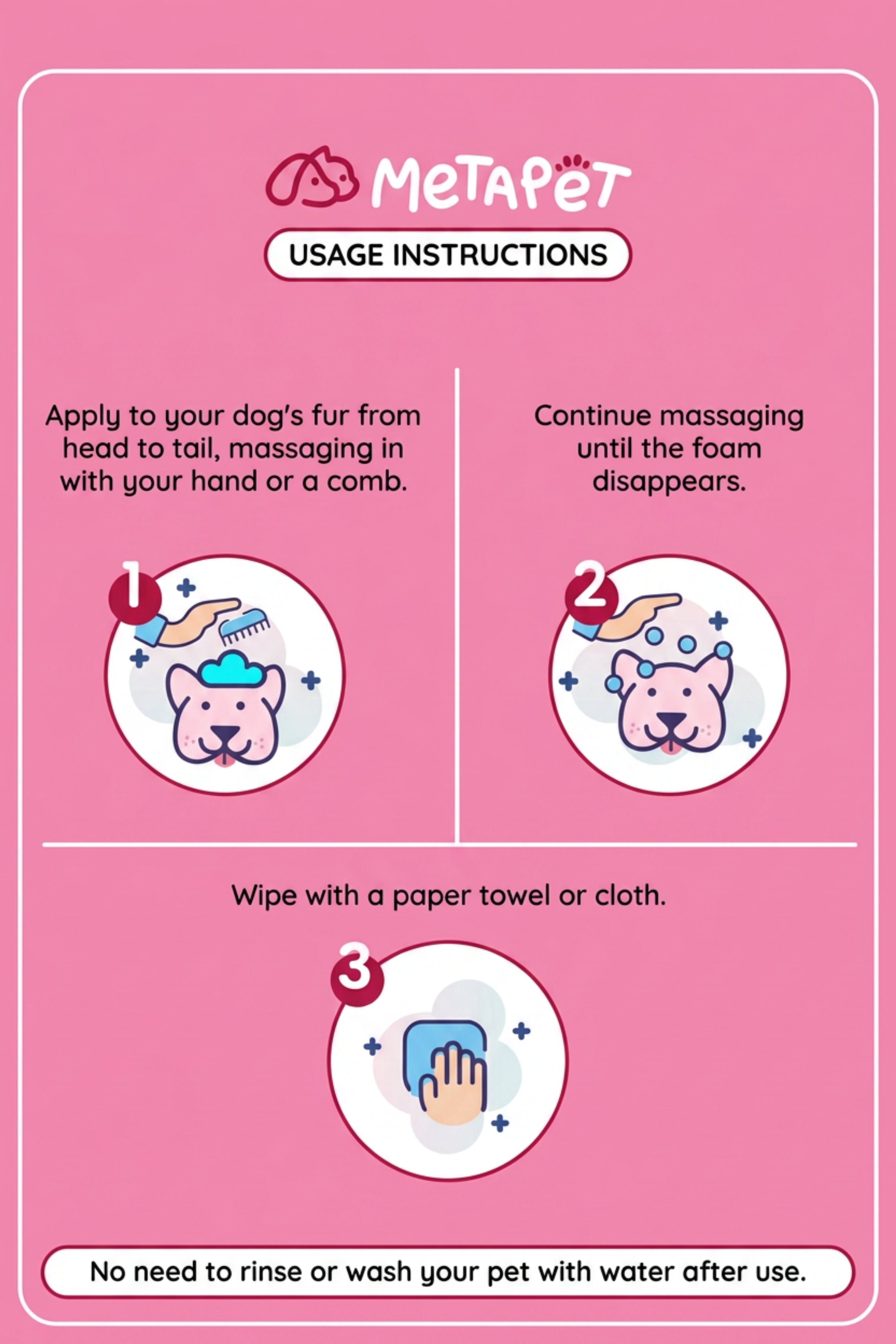
To use a dry foam, shake well, massage it through the coat from head to tail while avoiding the eyes, and wipe off with a towel or cloth, following the label directions. Stop use if you notice any redness or irritation. These products are not intended for broken, sore, or irritated skin, and they are a complement to, not a substitute for, veterinary care for any skin concern.
Using Dog Fragrances Thoughtfully
A light fragrance can be a pleasant finishing touch after grooming. Dogs experience the world through their noses, so it is worth using any scented product with care.
- Choose products made for dogs: never use human perfumes, colognes, or body sprays, which can irritate a dog's skin and nose.
- Be cautious with essential oils: some essential oils can be harmful to pets, so avoid applying concentrated oils or homemade blends to your dog.
- Apply lightly and away from the face: spray onto the coat from a distance, avoiding the eyes, nose, and mouth.
- Skip irritated skin: do not apply fragrance to scratched, red, or broken skin.
- Watch your dog's reaction: sneezing, rubbing the face, or avoiding you afterward suggest the scent is too strong.
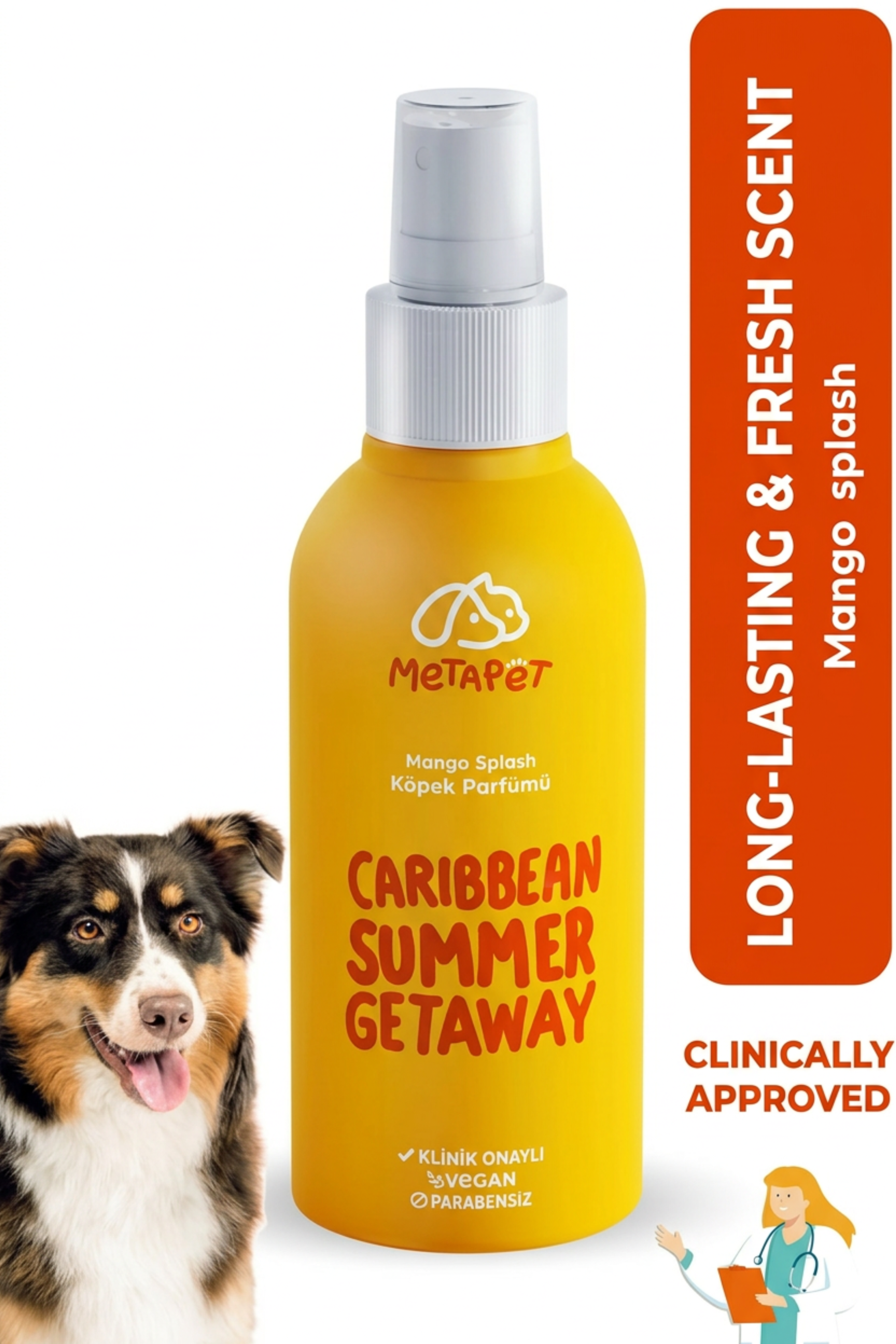
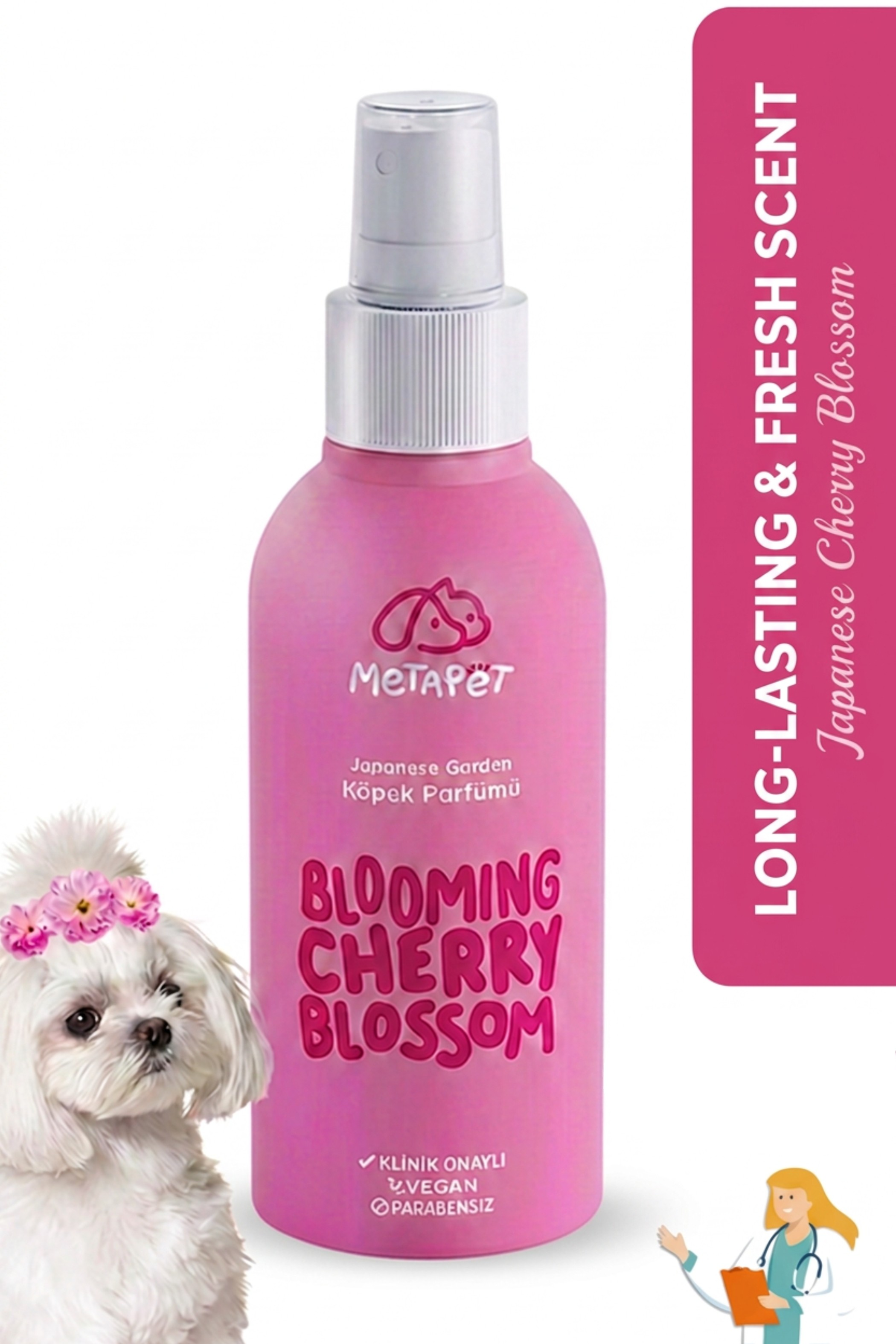
The MetaPet pH-Balanced Perfume for Dogs is a cosmetic grooming spray described as helping to neutralize unwanted odors and leaving a long-lasting natural scent without sticky residue. It is available in several scents. Spray onto the coat and work it in gently with your hand or a comb, avoiding the eyes and face. Remember that fragrance can freshen a coat, but it should never be used to cover up a persistent or unusual odor, which may point to a health issue.
Don't Forget Ears, Teeth, and Paws
Sometimes the smell you notice is not coming from the coat at all. A quick check of these areas can help pinpoint the source.
- Ears: a yeasty or foul smell, discharge, redness, or head shaking can indicate an ear problem that needs veterinary attention.
- Mouth: persistent bad breath is often linked to dental disease. Regular tooth brushing and veterinary dental checks help keep the mouth healthy.
- Paws: a mild corn-chip smell is often normal, but strong odors, redness, or constant licking deserve a check.
- Rear end: a fishy smell may be related to the anal glands, and soiled fur around the tail needs gentle cleaning.
- Skin folds: wrinkly breeds may develop odor in facial or body folds, which should be kept clean and dry as advised by your veterinarian.
Odors That Mean It's Time to See Your Veterinarian
Grooming handles everyday smells, but some odors are a sign of an underlying problem. Contact your veterinarian if you notice:
- A strong, sour, or musty odor: that returns quickly after bathing, which may suggest a yeast or bacterial skin problem.
- Greasy, flaky, or red skin: along with odor or itching.
- A foul smell from the ears or mouth: especially with discomfort, discharge, or reluctance to eat.
- A sudden change in body odor: which can sometimes accompany medical conditions.
- Odor with hair loss, sores, or scratching: all of which need a proper diagnosis.
Masking these smells with more fragrance or extra baths can delay the care your dog needs. Your veterinarian can identify the cause and recommend the right plan.
Diet, Hydration, and Coat Health
What happens on the inside shows on the outside. A complete and balanced diet appropriate for your dog's life stage supports healthy skin and a glossy coat, while poor coat condition can sometimes reflect nutritional or health issues. Fresh water should always be available.
If your dog's coat seems dull, greasy, or flaky despite good grooming, talk with your veterinarian before changing foods or adding supplements. They can check for underlying causes and advise on whether any dietary change is appropriate for your dog.
A Simple Weekly Freshness Routine
- Daily: a quick brush for long-haired dogs, wipe paws after walks, and dry any damp fur.
- A few times a week: brush short-coated dogs, check ears and skin folds, and brush teeth if possible.
- Weekly: wash bedding and blankets, clean food and water bowls thoroughly, and vacuum resting areas.
- As needed: use a dry foam for quick freshening, and finish with a light, dog-specific fragrance if you like.
- Every few weeks to months: give a full bath with a dog shampoo, or follow your groomer's or veterinarian's recommended schedule.
Key Takeaways
- A mild natural scent is normal: dogs produce skin oils that give them their own smell.
- Brushing and drying matter most: they remove debris and moisture that cause odors.
- Clean the environment: fresh bedding and gear keep your dog smelling fresher for longer.
- Use no-rinse and fragrance products thoughtfully: as cosmetic extras, applied lightly and away from the face.
- Persistent odor needs a vet: strong or unusual smells can signal skin, ear, or dental problems.
With a few simple habits, most dogs can stay pleasantly fresh between baths, and you will have more chances to spot small changes in their skin and coat before they become bigger problems.