Halloween Safety for Dogs and Cats: Candy, Costumes, and Doors

Halloween is one of the most exciting nights of the year for people, and one of the most confusing for many dogs and cats. Within a few hours, a quiet home can fill with bowls of candy, flickering candles, strange decorations, costumed visitors, and a doorbell that rings again and again. For a pet who thrives on routine, that combination can be overwhelming, and it also creates a handful of very real safety risks.
The good news is that most Halloween problems are predictable, which means they are preventable. With a little planning, you can enjoy the evening while your dog or cat stays safe, calm, and comfortable. This guide covers candy and food hazards, costume safety, decorations, door-dashing, stress management, and the signs that mean it is time to call your veterinarian.
Important: This article shares general educational information for pet owners and is not a substitute for an in-person veterinary examination, diagnosis, or treatment. For any medical concern or emergency, contact your veterinarian promptly.
Why Halloween Is Hard on Pets
Dogs and cats experience the world largely through smell, sound, and routine. On Halloween, all three change at once. Visitors arrive in masks and capes that hide familiar human faces and body shapes. Children shriek, laugh, and run. The front door opens dozens of times, letting in cold air, new scents, and noise. Many pets also notice that their people are distracted, busy, and moving around more than usual.
Some animals take this in stride, but many show mild to moderate stress: pacing, panting, hiding, barking at the door, or refusing food. A smaller number become genuinely frightened. Fear can lead to escape attempts, defensive behavior toward strangers, or, in cats, days of hiding and reduced appetite afterwards. Planning ahead for your individual pet's personality is the most effective way to keep the evening low-stress.
Know your pet's personality
A social, confident dog who loves visitors may enjoy greeting trick-or-treaters on a leash, while a shy dog or most cats will be far happier in a quiet room away from the action. Be honest about which group your pet belongs to. There is no benefit in pushing a nervous animal to 'get used to' a chaotic night; it usually makes the next one harder.
Candy and Food Hazards
The biggest medical risk on Halloween is pets getting into treats meant for people. Dogs are the usual culprits because they are quick, curious, and food-motivated, but cats can also chew wrappers or lick sweet foods. Keep candy bowls and children's collection bags well out of reach, and remind everyone in the house, especially kids, not to share treats.
- Chocolate: contains theobromine and caffeine, which dogs and cats process slowly. Dark and baking chocolate are the most concerning, but any amount should be taken seriously. Read more in our chocolate toxicity guide.
- Xylitol (birch sugar): a sweetener found in some sugar-free gum, mints, candies, and baked goods. In dogs it can cause a rapid drop in blood sugar and has been linked to liver injury. See our xylitol guide.
- Raisins and grapes: sometimes found in snack boxes and trail mixes, and associated with kidney injury in dogs.
- Wrappers and sticks: foil, plastic wrappers, and lollipop sticks can cause choking or blockages in the stomach or intestines.
- Rich party food: fatty leftovers can upset the stomach and, in some dogs, trigger pancreatitis.
If you know or suspect your pet has eaten something harmful, do not wait for symptoms. Call your veterinarian or an animal poison control service right away, and have the wrapper or package on hand so you can describe what was eaten and roughly how much. Do not try to make your pet vomit unless a veterinary professional specifically tells you to.
Costumes: Cute, but Only If Comfortable
Pet costumes are popular, and some easygoing animals tolerate them well for a short photo session. Others find them restrictive, itchy, or frightening. Watch your pet's body language closely. A relaxed animal moves normally, keeps a soft face, and continues to play or take treats. A stressed pet may freeze, flatten its ears, tuck its tail, lick its lips, try to back out of the outfit, or refuse to walk.
- Fit: a costume should never restrict breathing, vision, hearing, movement, or the ability to go to the toilet. You should be able to slide a finger easily under any strap.
- Materials: avoid small dangling pieces, buttons, beads, or bells that can be chewed off and swallowed.
- Heat: full-body outfits can make some pets overheat, especially flat-faced breeds and thick-coated dogs, even in autumn.
- Supervision: never leave a pet alone in a costume, and remove it as soon as photos are done.
- Alternatives: a festive bandana or a simple collar accessory is often enough, and most pets accept it far more easily.
Introduce any costume a few days early, in short, positive sessions with treats. If your pet clearly dislikes it, let it go. A happy pet without a costume is always the better choice. Cats in particular rarely enjoy being dressed up, and most are best left in their natural fur.
Decorations, Candles, and Glow Sticks
Seasonal decorations bring their own set of hazards. Walk through your home and yard with your pet's perspective in mind, checking what can be chewed, knocked over, or tangled in.
- Candles and jack-o'-lanterns: a wagging tail or curious cat can knock over a lit candle, causing burns or a fire. Battery-powered lights are a safer choice.
- Glow sticks and jewelry: the liquid inside usually tastes very bitter and can cause dramatic drooling and agitation. Rinse the mouth gently with a little water and call your veterinarian for advice.
- Fake cobwebs and string: can wrap around legs or be swallowed. Cats are especially attracted to string-like items, which can cause serious intestinal problems.
- Electrical cords: lights and animated decorations add cords that pets may chew. Tuck them away or use cord covers.
- Decorative corn and pumpkins: older, moldy pumpkins and decorative gourds are best kept out of reach to avoid stomach upset.
Door-Dashing and Escape Prevention
With the door opening constantly, Halloween is one of the easiest nights for a pet to slip outside unnoticed. Once outdoors, a frightened animal may run far from home, and dark costumes and busy streets make that even more dangerous.
- Choose a safe room: set up a quiet room away from the front door with water, a bed, toys, and, for cats, a litter box. Close the door during trick-or-treat hours.
- Use barriers: baby gates or a closed inner door add an extra layer between your pet and the entryway.
- Check identification: make sure your pet wears a well-fitted collar with a current ID tag and that microchip details are up to date. Our microchipping guide explains why this matters.
- Bring outdoor cats in: keep cats indoors for the evening, and ideally for the days around Halloween, to protect them from traffic, pranks, and stress.
- Walk early: take dogs for a good walk before dusk so they are tired and relaxed before visitors start arriving.
Managing the Doorbell and Visitors
For many dogs, the doorbell is a trigger for barking and excitement even on a normal day. On Halloween, it may ring dozens of times. You have a few options depending on your dog's temperament.
Skip the doorbell
Some families sit outside on the porch with the candy bowl, or place a sign asking visitors not to knock. This keeps the door closed and the noise down, and is often the simplest solution for anxious pets.
Practice ahead of time
If your dog enjoys company, practice calm greetings in the weeks before Halloween. Ring the bell, reward your dog for going to a mat or bed, and gradually build up the challenge. Keep sessions short and positive. On the night itself, keep your dog on a leash or behind a gate so it cannot rush the door.
Give a job to do
A long-lasting chew, a stuffed food toy, or a snuffle mat in the safe room gives your pet something enjoyable to focus on while the activity happens elsewhere. Soft music or a fan can help mask street noise.
Supporting a Calm Evening
Routine is one of the most reassuring things you can offer a pet. Keep meals, walks, and bedtime as close to normal as possible, and give your pet a predictable, cozy retreat. Stay calm yourself; animals notice our tone and movement.
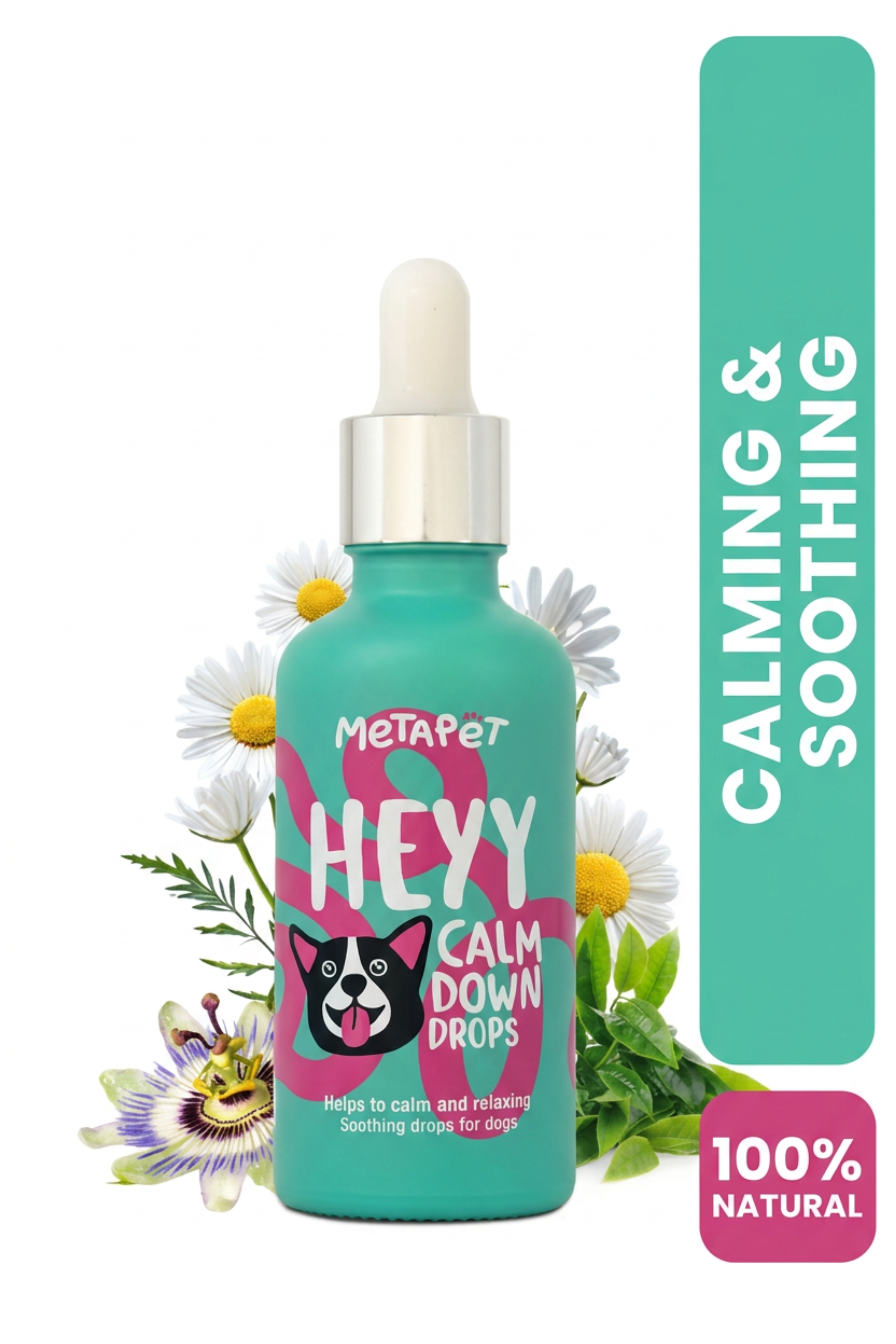
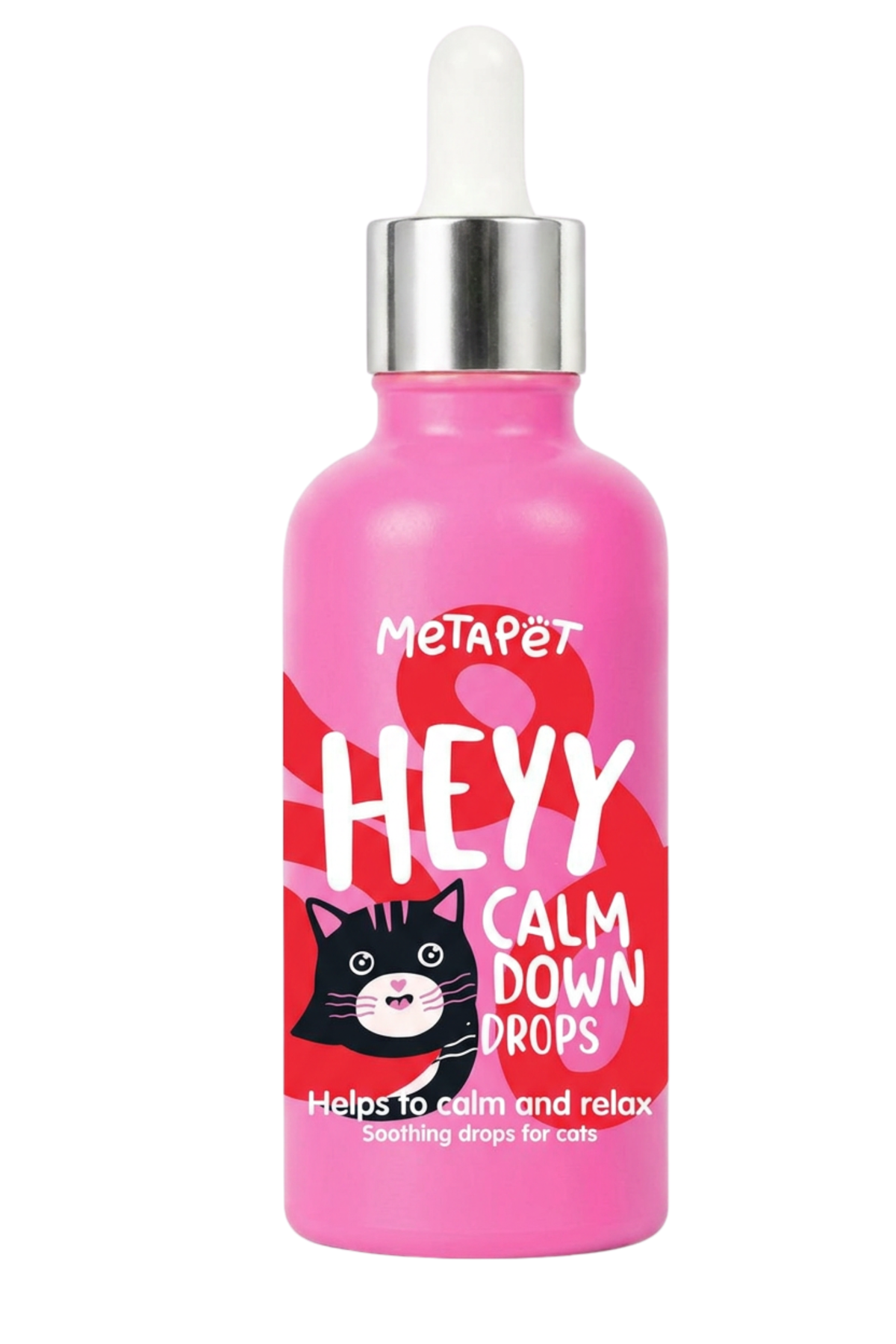
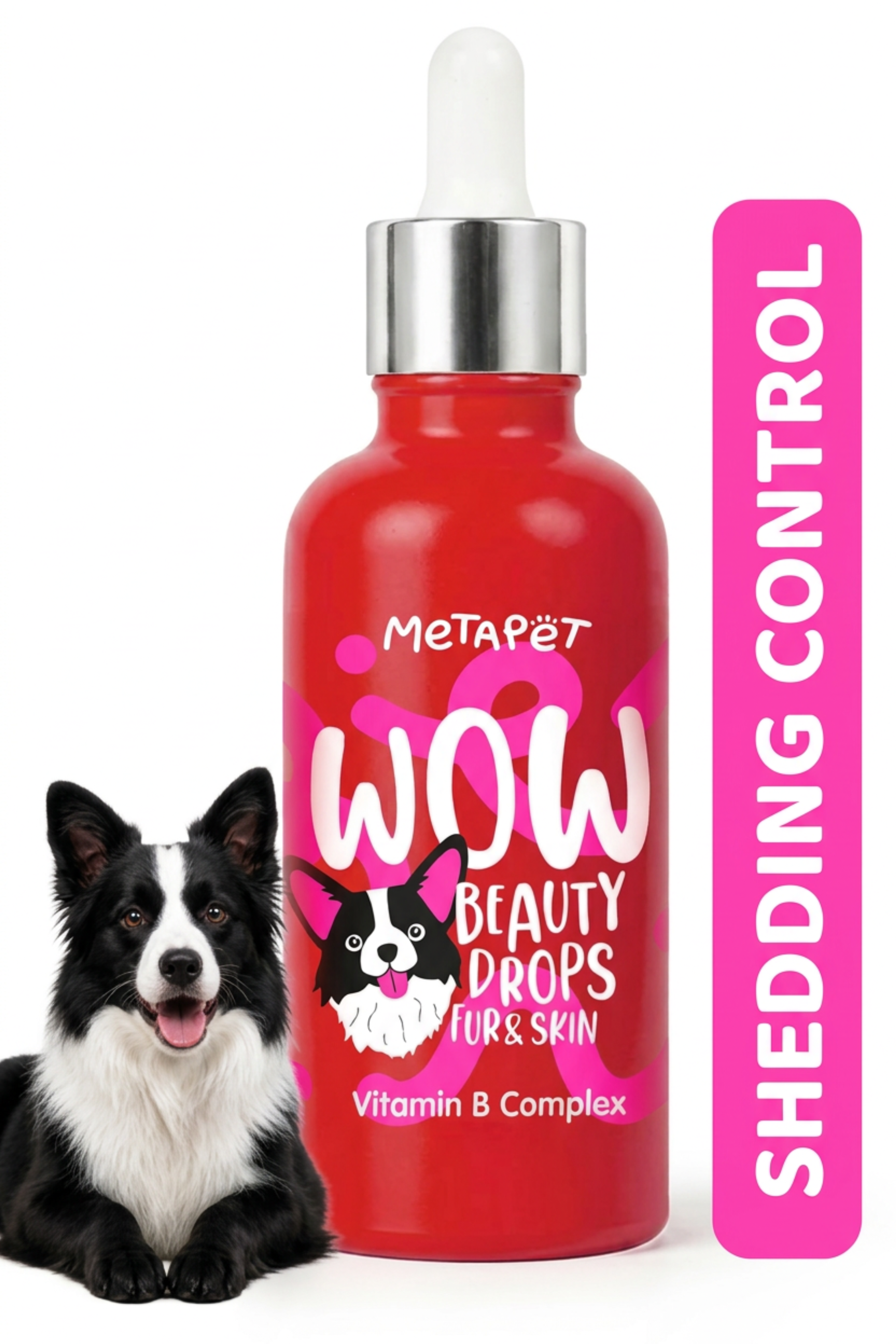
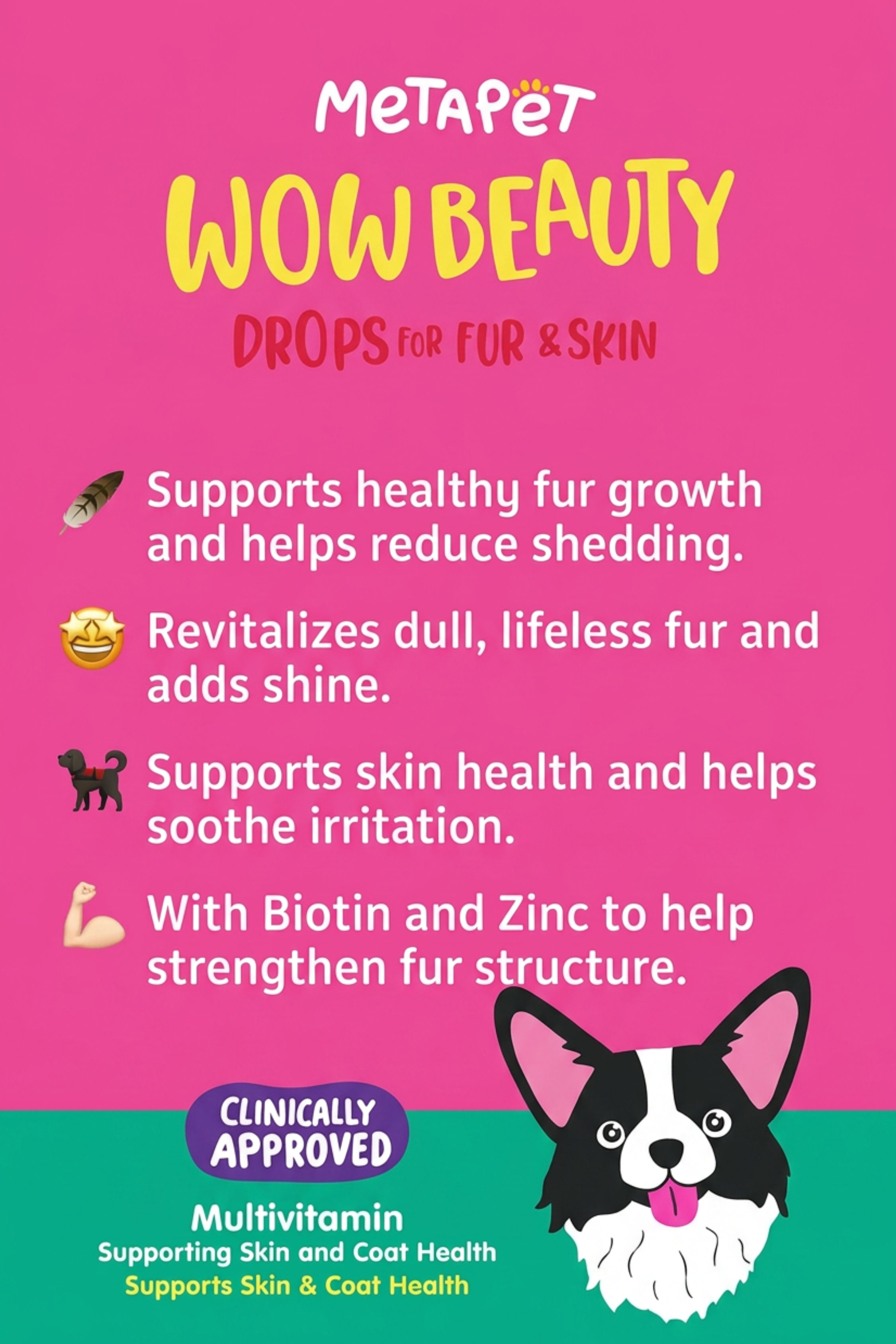
Some owners like to add a calming supplement to their pet's routine ahead of predictable stressful events such as houseguests, travel, or holidays. For example, MetaPet Heyy Calm Down Calming Drops for Dogs and Heyy Calm Down Calming Drops for Cats are complementary supplements formulated with naturally derived ingredients to help support calm and comfort during stressful moments. Follow the label directions, and check with your veterinarian before starting any supplement, especially if your pet takes medication or has a health condition.
A supplement is only one optional part of a broader plan. It is a complement to, not a substitute for, good management, behavior training, and veterinary care. Pets with severe fear, panic, or noise phobia deserve a conversation with your veterinarian, who can discuss behavior plans and, where appropriate, prescription options. Our guide to noise phobia in dogs covers this in more detail.
Special Notes for Cats
Cats tend to cope with change by hiding, and Halloween is no exception. Provide hiding places with soft bedding in a quiet room, along with food, water, and a litter box, so your cat does not have to cross busy areas. High perches give many cats a sense of security.
- Keep them in: indoor-only on Halloween night protects cats from traffic and frightened bolting.
- Watch the aftermath: some cats stay withdrawn for a day or two after a stressful event. A cat who stops eating, hides for an extended period, or shows litter box changes should be checked by a veterinarian.
- Secure the décor: cats love to bat at dangling decorations and chew string, ribbon, and tinsel-like materials, which can be dangerous if swallowed.
Halloween Safety Checklist
- Candy: stored high and closed; kids reminded not to share.
- Safe room: quiet space ready with water, bed, toys, and litter box.
- ID: collar tag and microchip details checked and current.
- Costumes: optional, comfortable, supervised, and removed quickly.
- Decor: flameless candles; cords, cobwebs, and glow sticks out of reach.
- Door plan: gates, leashes, or a porch setup to prevent escapes.
- Contacts: your veterinarian's number and the nearest emergency clinic saved in your phone.
When to Call Your Veterinarian
Contact your veterinarian or an emergency clinic promptly if your pet has eaten chocolate, sugar-free candy, raisins, wrappers, or anything else unusual, even if it seems fine right now. Some toxins take hours to cause signs.
- Urgent signs: vomiting, diarrhea, restlessness, rapid breathing, trembling, weakness, wobbliness, collapse, or seizures.
- Mouth or burn injuries: drooling, pawing at the mouth, or any burns from candles.
- Behavior changes: a pet who remains hidden, will not eat, or seems painful in the following days.
Halloween can be fun for the whole family when pets are part of the plan rather than an afterthought. Keep treats out of reach, put comfort ahead of costumes, guard the door, and give your dog or cat a calm place to rest. With those basics in place, everyone can enjoy a safe and happy night.