Hairball Management in Cats: Causes and Care
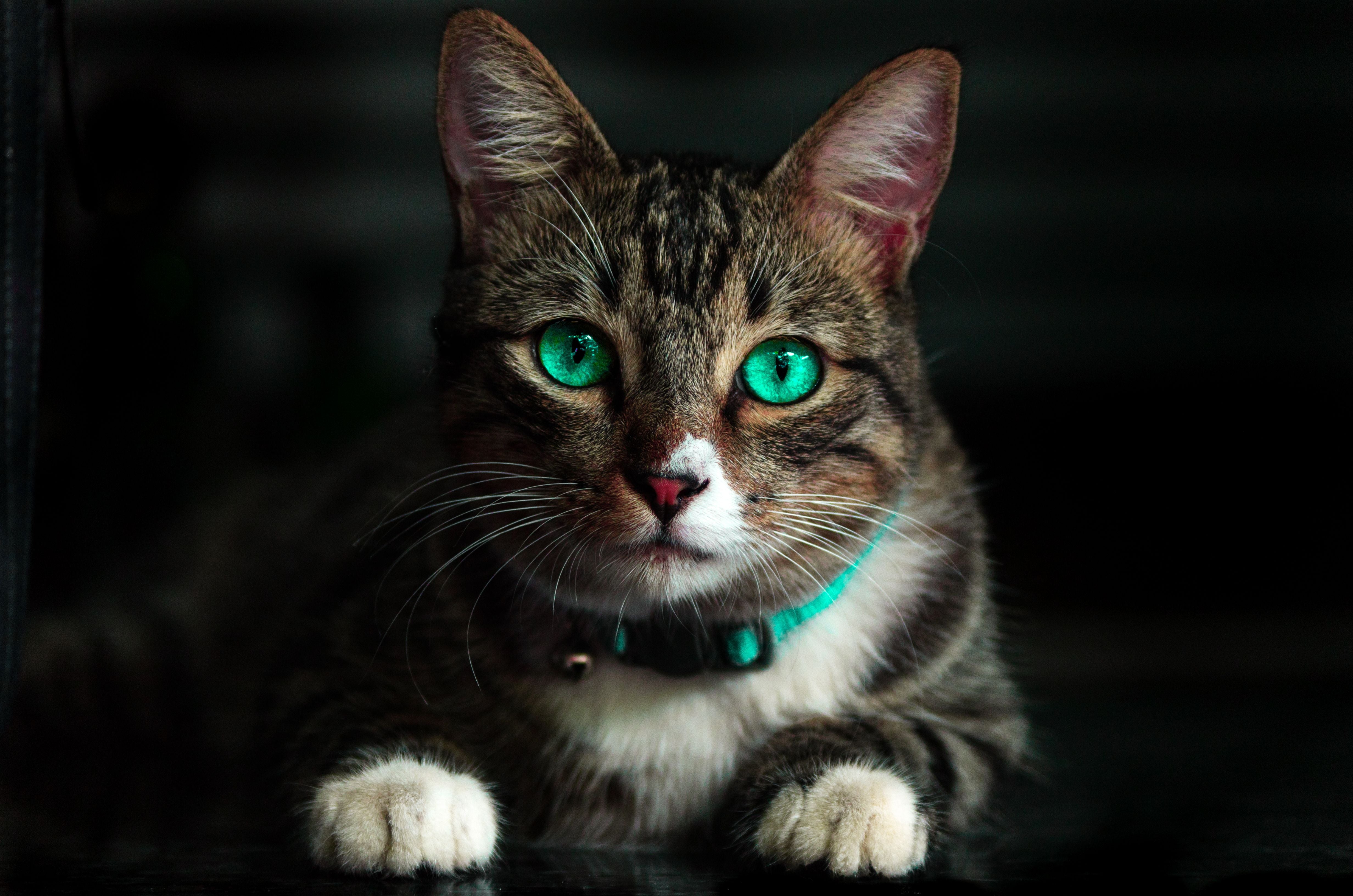
Almost every cat owner has heard that unmistakable sound and found the aftermath on the carpet. Hairballs are a common part of life with cats, especially long-haired ones, and an occasional hairball is usually nothing to worry about. Still, frequent hairballs can be unpleasant for everyone, and in some situations they can point to a problem that deserves attention.
This guide explains why cats get hairballs, what you can do at home to help reduce them through grooming, diet, and hydration, where gentle grooming products can fit into a routine, and the warning signs that mean it is time to call your veterinarian. As always, this is general information to support good care, not a replacement for veterinary advice.
Important: This article shares general educational information for pet owners and is not a substitute for an in-person veterinary examination, diagnosis, or treatment. For any medical concern or emergency, contact your veterinarian promptly.
What Exactly Is a Hairball?
Cats are meticulous groomers. The tiny backward-facing barbs on a cat's tongue catch loose and dead hair as it grooms, and most of that hair passes harmlessly through the digestive tract and out in the stool. Sometimes, though, hair accumulates in the stomach instead of moving through, and the cat eventually brings it back up as a hairball.
Despite the name, a hairball is usually more elongated than round, shaped by its passage up the esophagus. The medical term is a trichobezoar. An occasional hairball is a normal byproduct of a cat's natural grooming behavior and generally not a cause for concern on its own.
Understanding this simple process helps explain why the most effective strategies focus on reducing how much loose hair a cat swallows and on supporting healthy movement of that hair through the digestive system.
Why Some Cats Get More Hairballs
Several factors influence how often a cat produces hairballs. Coat length is a major one: long-haired cats simply have more hair to swallow. Shedding season, when cats lose more of their coat, also tends to bring more hairballs.
- Coat length and type: long-haired and dense-coated cats tend to swallow more hair.
- Grooming intensity: fastidious groomers and cats that over-groom ingest more hair.
- Seasonal shedding: periods of heavier shedding often mean more hairballs.
- Age and habits: grooming patterns can change with age and routine.
If a normally low-hairball cat suddenly starts producing many more, or if grooming seems excessive, it is worth a conversation with your veterinarian, since changes in shedding or grooming can sometimes reflect skin, stress, or health issues.
Regular Brushing: The First Line of Defense
The simplest and most effective way to reduce hairballs is to remove loose hair before your cat can swallow it. Regular brushing captures dead and shedding hair on the brush instead of on your cat's tongue, and it doubles as pleasant bonding time for many cats.
How often to brush depends on coat type. Long-haired cats generally benefit from daily or near-daily brushing, while short-haired cats may need it a few times a week, with more during shedding season. Use a brush or comb suited to your cat's coat, work gently, and keep sessions short and positive so your cat looks forward to them.
For cats that resist brushing, build up slowly, pair it with praise or a favorite treat, and stop before your cat becomes frustrated. Consistency matters more than long sessions; a few minutes regularly does more good than an occasional marathon.
Detangling and Coat-Care Products
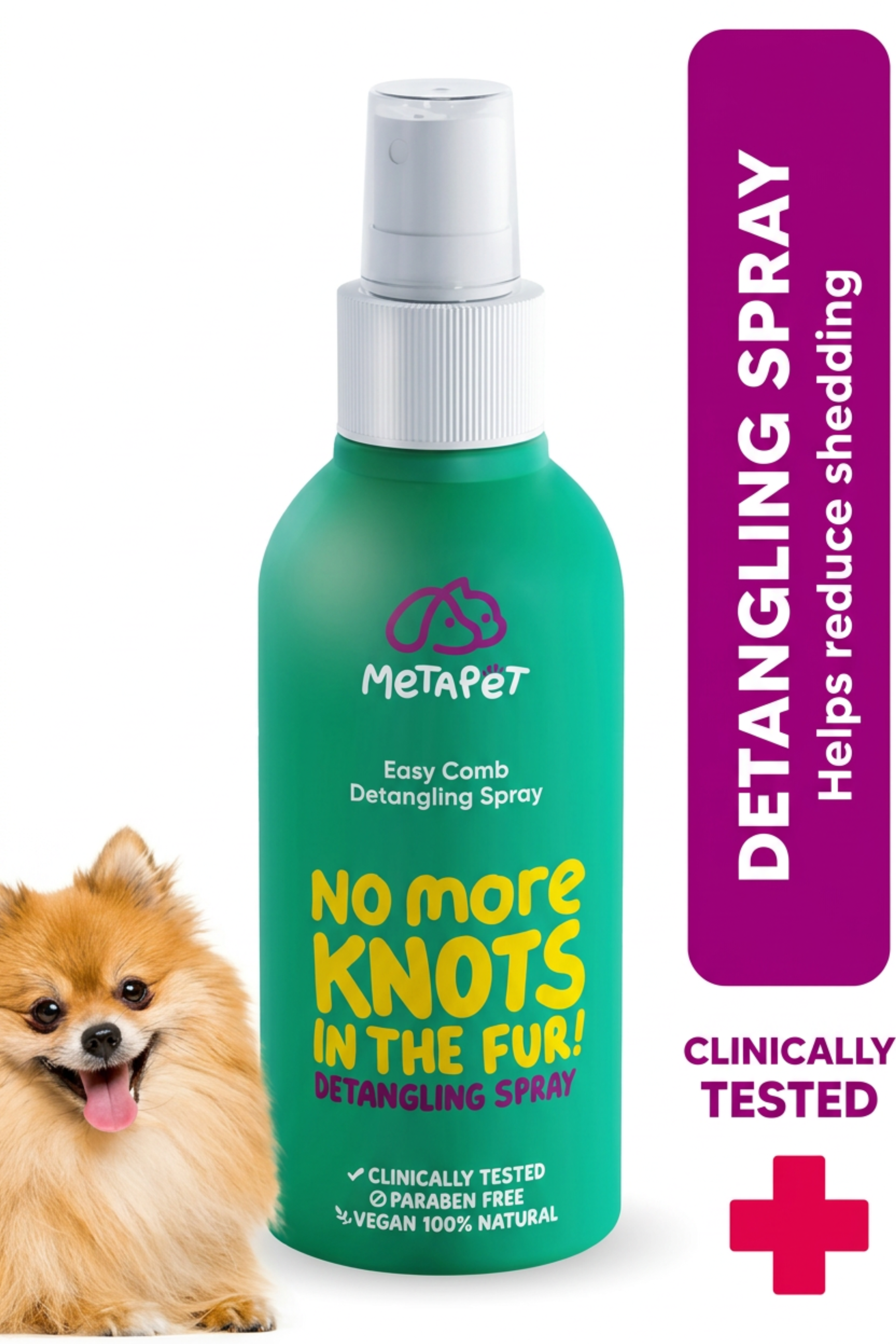
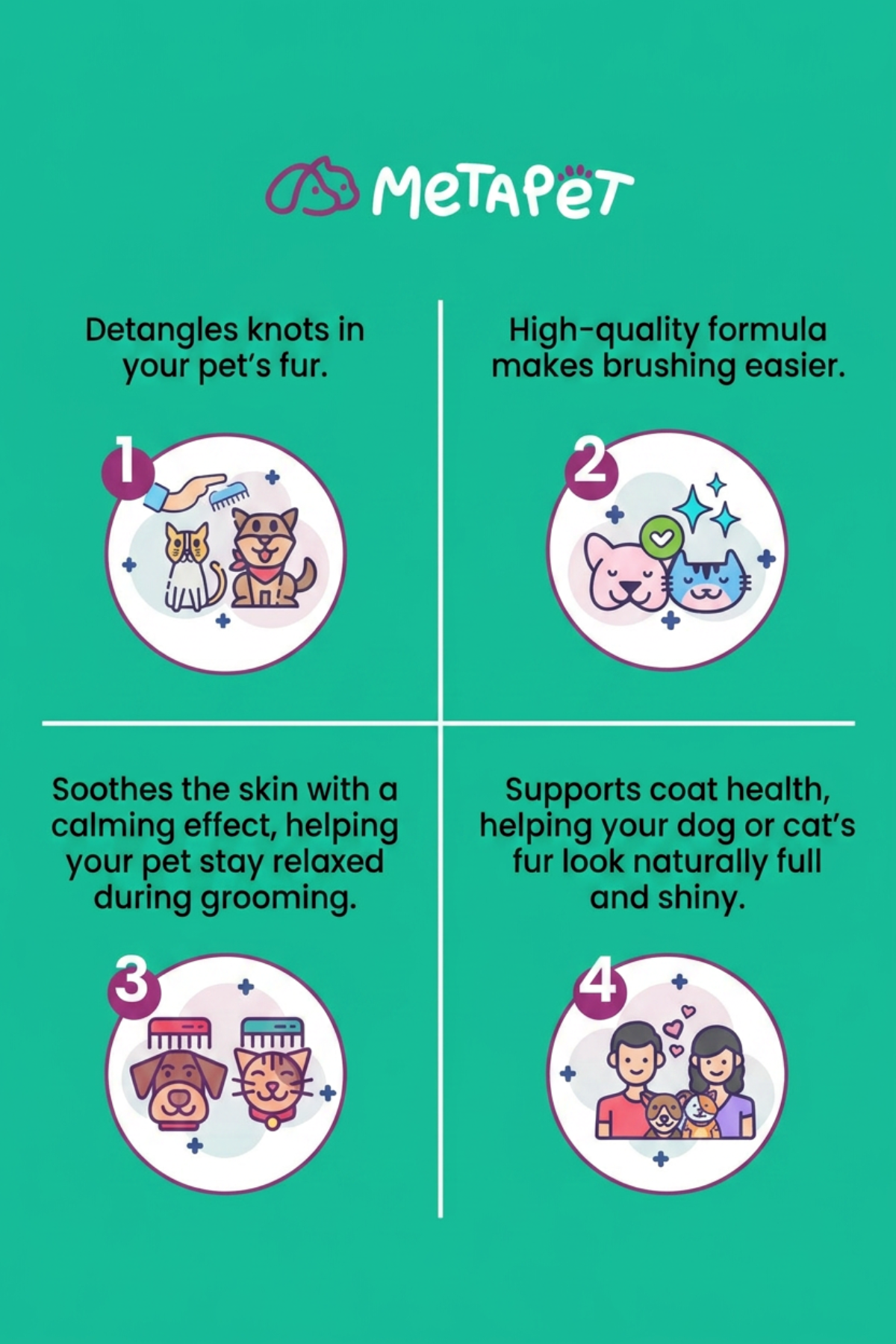
For cats prone to knots and mats, keeping the coat smooth makes brushing easier and helps remove loose hair more effectively. A detangling spray such as MetaPet No More Knots in the Fur is designed to help ease combing and reduce tugging as part of a regular grooming routine, which can make sessions more comfortable for a sensitive cat.
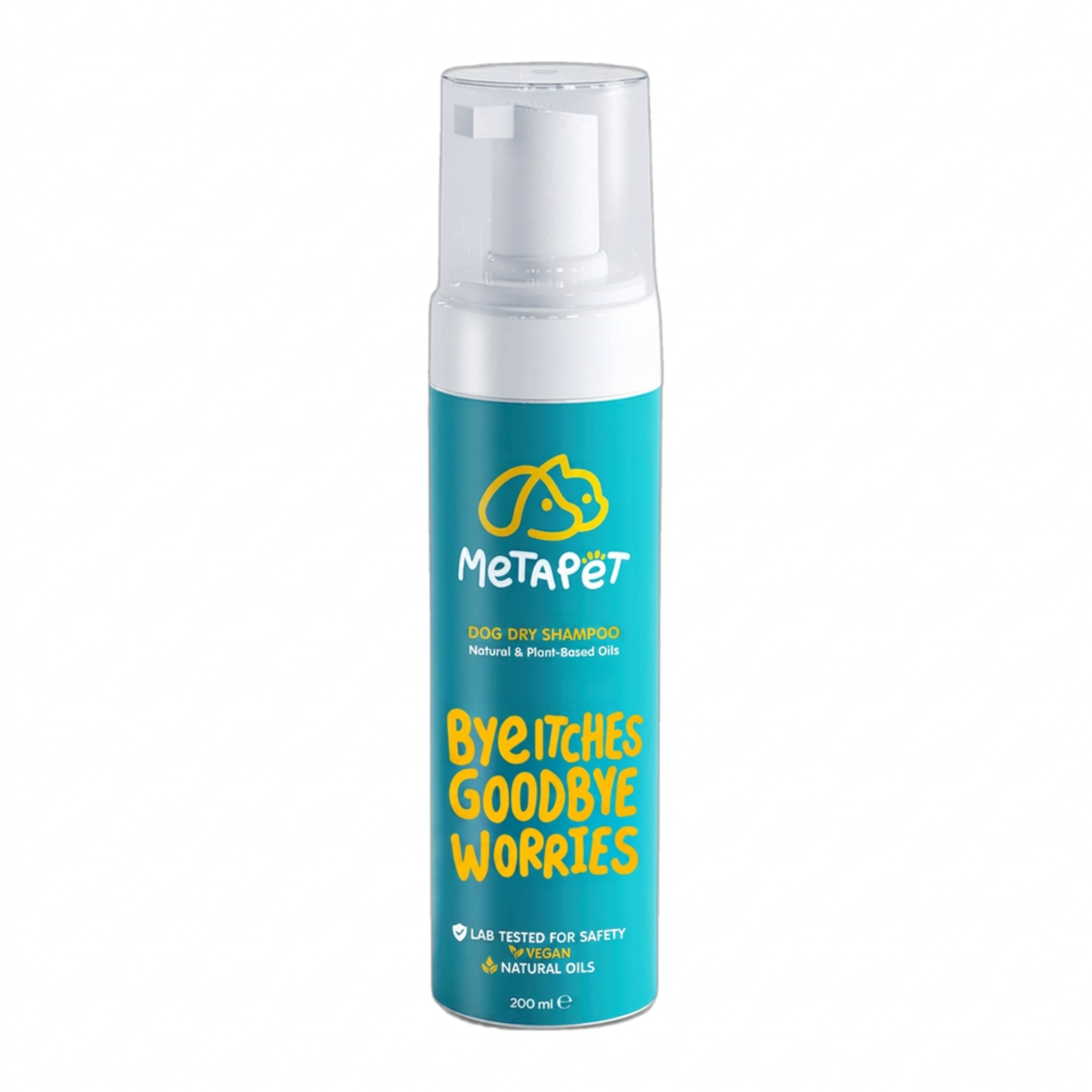
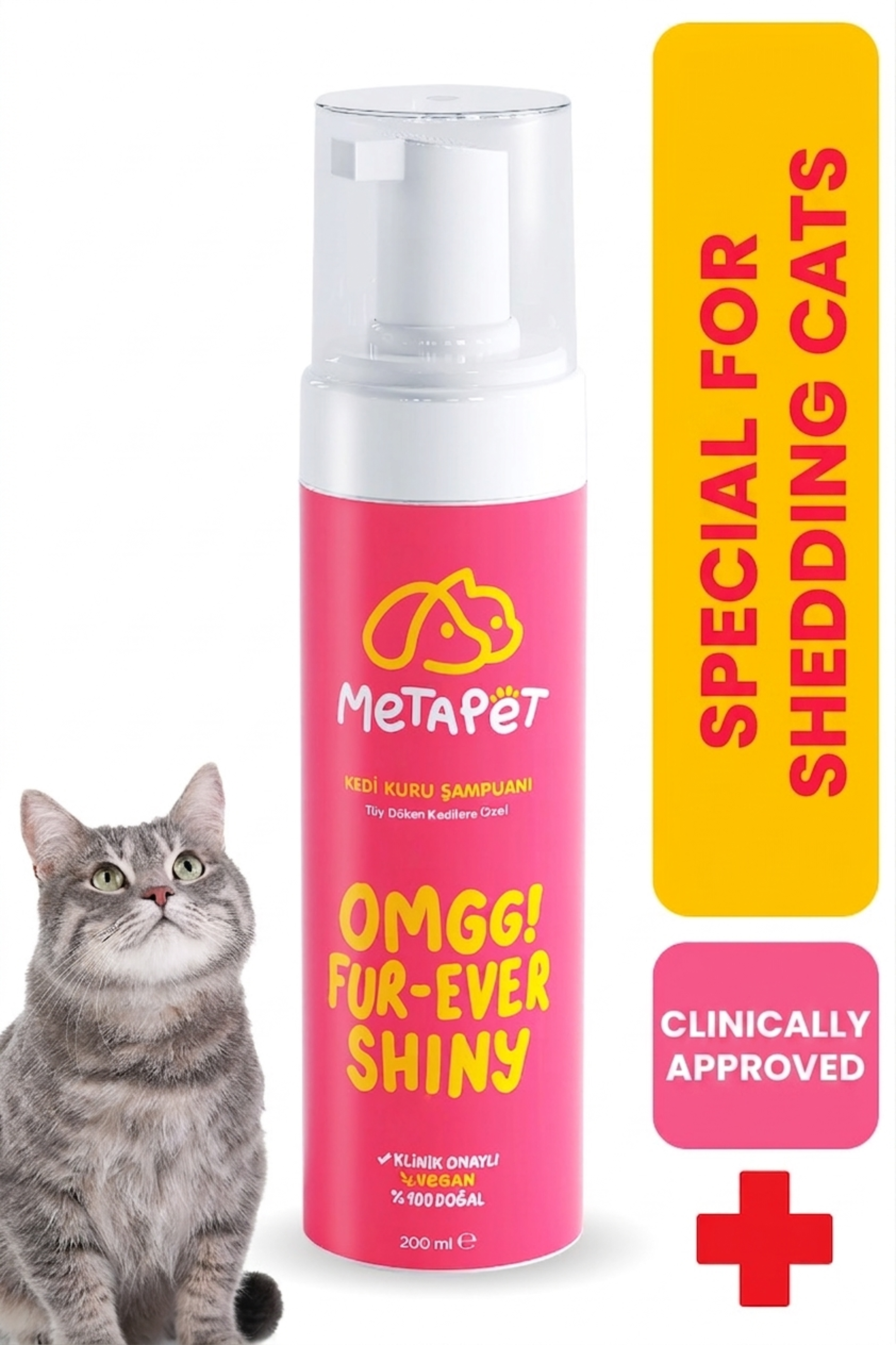
Between full grooming sessions, a waterless grooming foam like MetaPet OMGG! Fur-ever Shiny anti-shedding dry foam for cats can be used as part of a coat-care routine to help freshen and loosen the coat when a full bath is not practical. Products like these are grooming aids meant to complement brushing and good care, not replacements for it, and they do not treat or prevent any medical condition.
When trying any new grooming product, introduce it gradually, follow the label directions, and watch how your individual cat responds. If your cat has skin irritation, sensitivity, or any health concern, check with your veterinarian before adding new products to the routine.
Diet and Fiber
Nutrition can play a supporting role in how smoothly swallowed hair moves through the digestive system. Some cat foods are formulated with hairball control in mind, often using adjusted fiber content designed to help move hair along as part of a complete and balanced diet. These foods are one option to discuss with your veterinarian.
Any diet change should be made gradually and, ideally, with veterinary input, especially if your cat has other health considerations. A complete and balanced diet, appropriate portions, and healthy body condition all support good digestion generally, which in turn supports the normal passage of hair.
Malt Pastes and Lickable Supplements
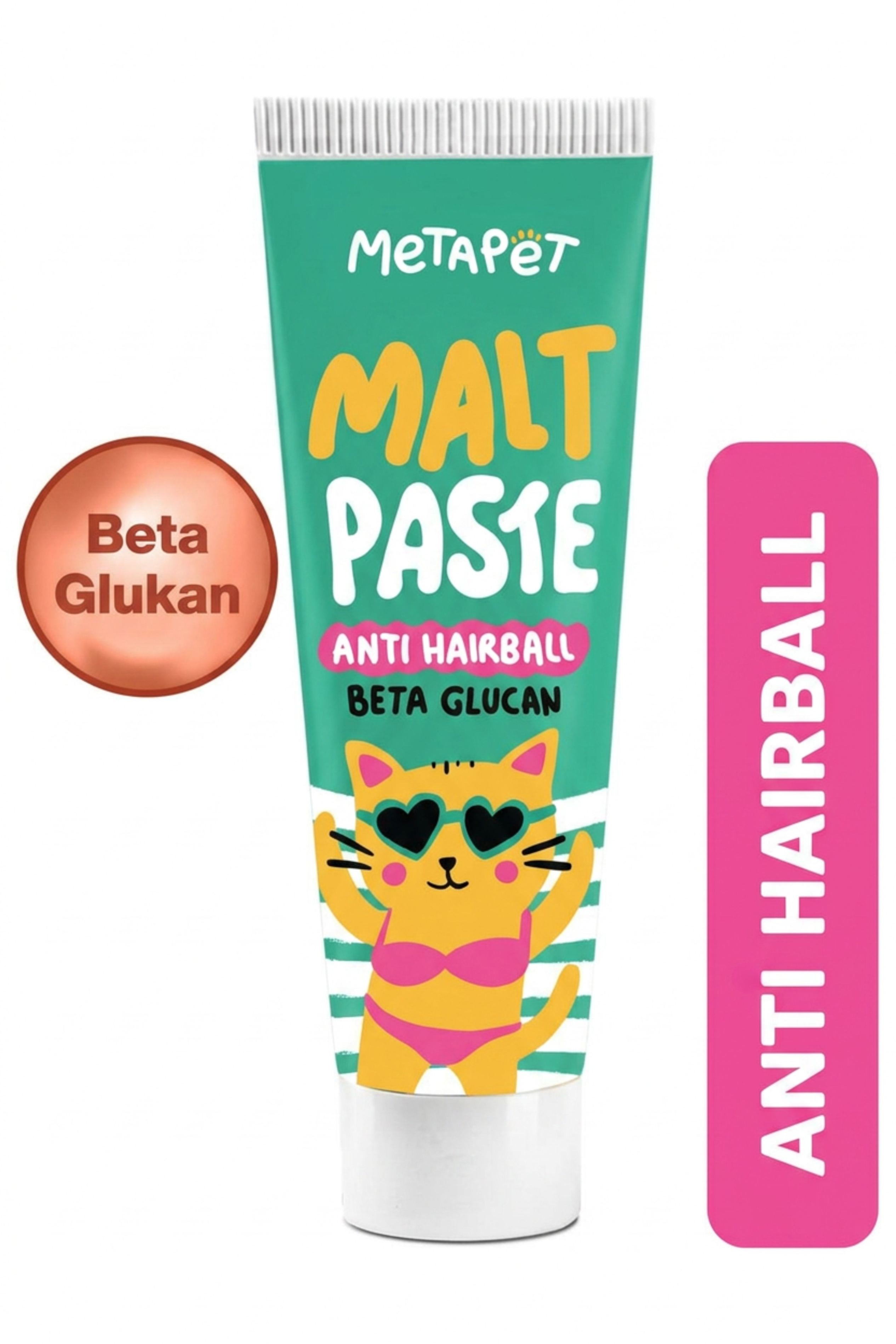
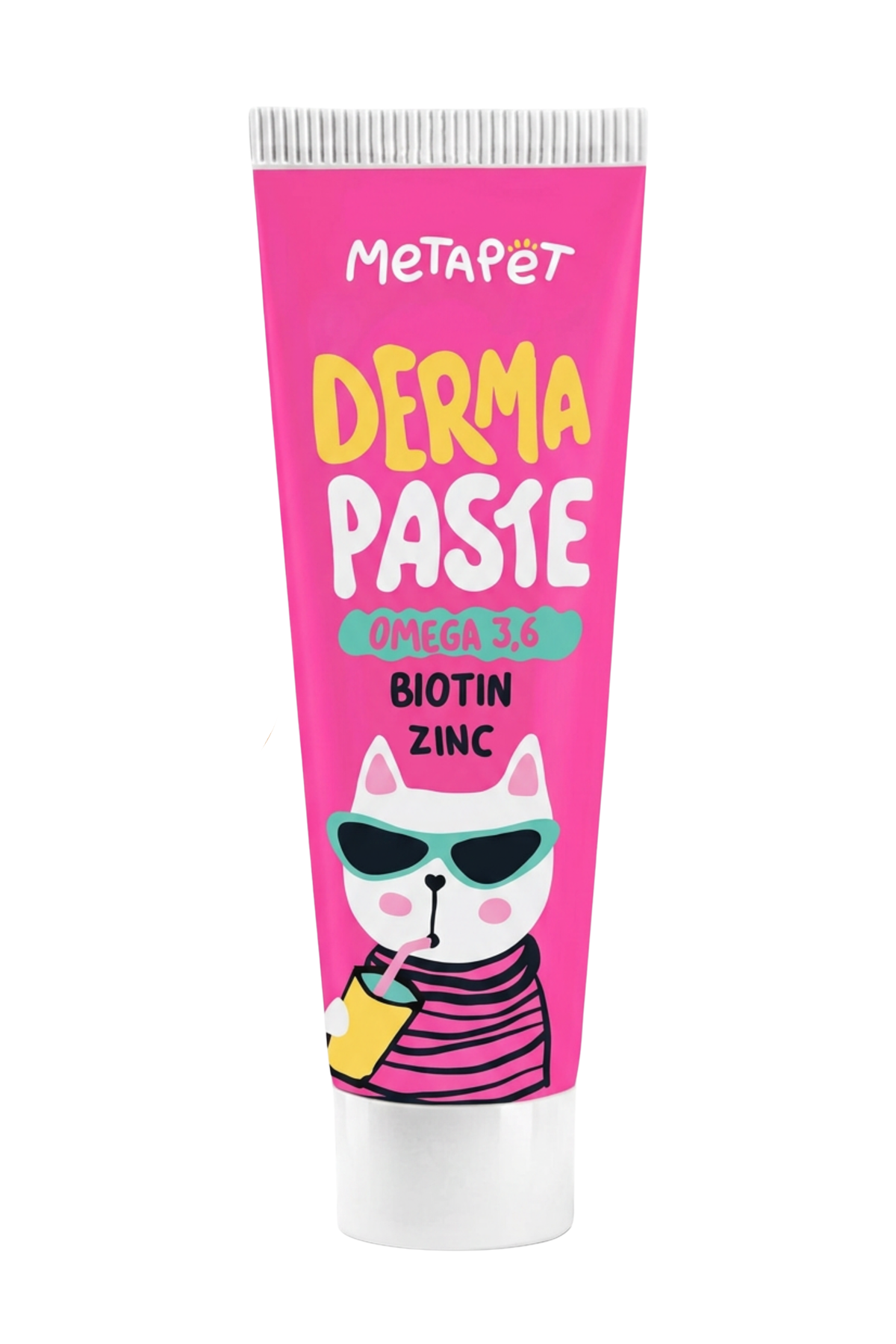
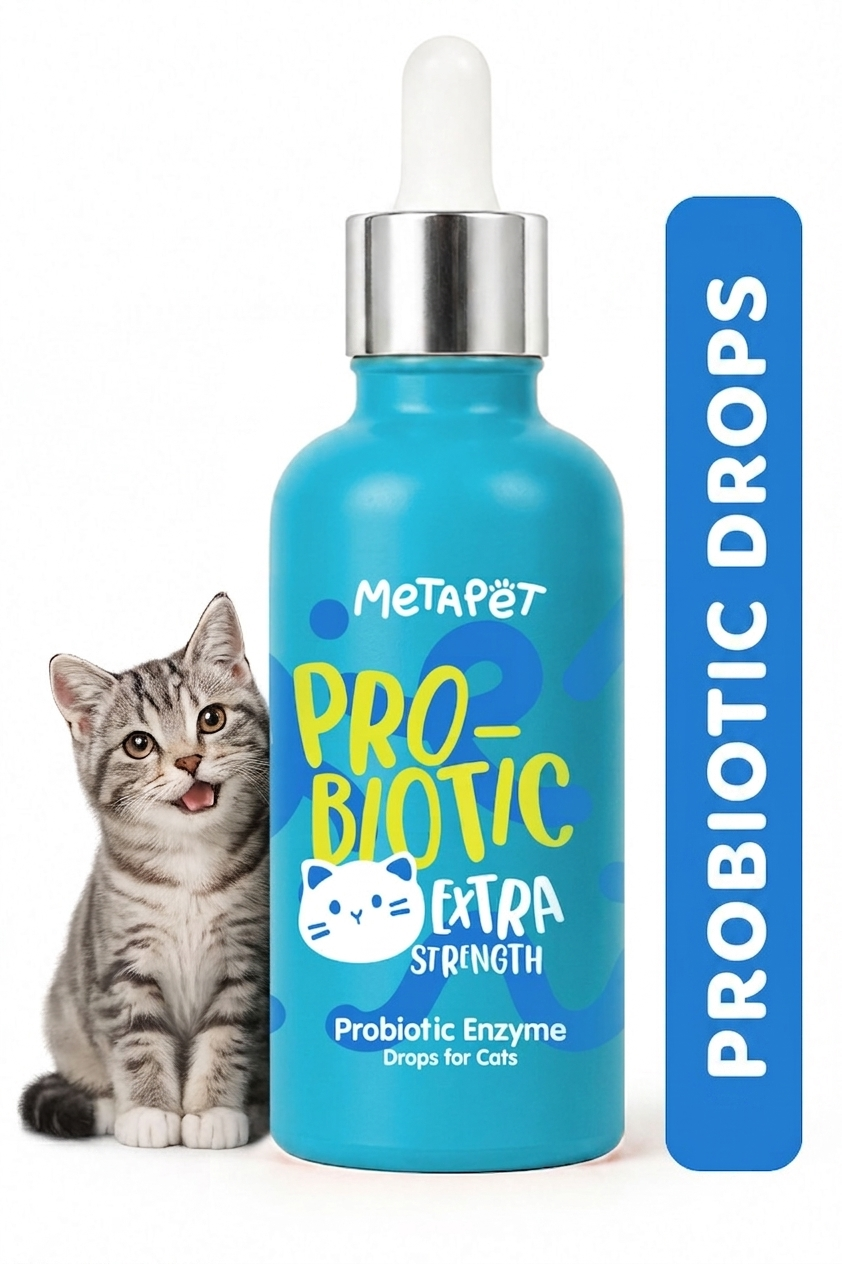
Malt-based hairball pastes are a popular, palatable option many owners use as part of a grooming routine. A product such as MetaPet Anti-Hairball Malt Paste for Cats is a lickable malt designed to be given as an occasional part of a hairball-management routine, and cats often accept these pastes readily because of their taste.
It is important to keep expectations realistic and language honest: these pastes are complementary grooming and dietary aids, not medicines, and they are not a substitute for veterinary care, brushing, or a balanced diet. They do not treat, cure, or prevent any disease. Use them according to the label, and if you are unsure whether they suit your cat, ask your veterinarian.
As with any new addition to your cat's routine, introduce a paste slowly and watch how your cat responds. If your cat has ongoing digestive issues, a lickable paste is not a fix; the underlying cause should be evaluated by your veterinarian.
Hydration Supports Digestion
Good hydration supports healthy digestion, which in turn supports the normal movement of swallowed hair through the tract. Because many cats drink less than we might expect, small steps to encourage fluid intake can help overall digestive health.
- Offer wet food: where appropriate, wet food adds moisture to the diet.
- Provide fresh water: keep clean water available, ideally in more than one spot.
- Try a fountain: many cats prefer moving water and drink more from a fountain.
- Keep bowls clean: fresh, appealing water encourages more frequent drinking.
When Hairballs Are a Warning Sign
While occasional hairballs are normal, certain signs suggest something more serious and warrant prompt veterinary attention. Hair, like any material, can occasionally contribute to a blockage in the digestive tract, which is an emergency.
Contact your veterinarian promptly if your cat shows repeated unproductive retching or gagging without producing a hairball, ongoing vomiting, loss of appetite, lethargy, constipation or diarrhea, a swollen or painful belly, or any noticeable change in behavior. These can indicate a blockage or another health problem that needs veterinary evaluation rather than home care.
Frequent hairballs that seem out of the ordinary for your cat are also worth discussing, since they can sometimes reflect over-grooming, skin issues, or digestive concerns that benefit from professional assessment.
Building a Simple Anti-Hairball Routine
Putting it all together, a practical routine combines regular brushing suited to your cat's coat, a complete and balanced diet discussed with your veterinarian, good hydration habits, and optional grooming or lickable aids used sensibly as complements to that care. None of these replaces veterinary attention when it is needed.
Consistency is the real secret. A few minutes of brushing on a regular schedule, fresh water always available, and attention to your cat's grooming and shedding patterns will do more to keep hairballs manageable than any single product. Small, steady habits keep both your cat and your carpets happier.
Special Care for Long-Haired Cats
Long-haired cats bring extra beauty and extra grooming responsibility. Their dense coats shed more hair for the tongue to catch and are more prone to tangles and mats, which can trap loose fur and make hairballs more likely. For these cats, a consistent, thorough grooming routine is especially valuable.
Focus attention on areas that mat easily, such as behind the ears, under the legs, and around the hindquarters, and use a comb that reaches down to the skin without pulling. Working through the coat in sections and stopping before your cat loses patience keeps sessions positive. Removing tangles promptly, before they tighten into mats, spares your cat discomfort and keeps more loose hair off the tongue.
If a coat becomes badly matted, resist the urge to cut mats out with scissors, since it is easy to nick the skin. Instead, ask a professional groomer or your veterinary team for help. Keeping a long coat tangle-free is one of the most effective everyday ways to keep hairballs in check.
Common Hairball Questions
How often is too often for hairballs?
There is no single number, but hairballs that become noticeably more frequent than usual for your cat, or that come with retching, appetite loss, or other symptoms, are worth discussing with your veterinarian. A hairball now and then is normal; a clear change is a reason to check in.
Do indoor cats get hairballs too?
Yes. Grooming is natural behavior regardless of whether a cat goes outdoors, so indoor cats get hairballs just as outdoor cats do. Indoor cats may even shed year-round in heated homes, so regular brushing remains important.
Can I just rely on a hairball paste?
A paste can be a helpful complement, but it is not a substitute for brushing, a good diet, hydration, and veterinary care when needed. Think of it as one optional part of a broader routine rather than a stand-alone solution.
The Bottom Line
Hairballs are a normal part of life with cats, and an occasional one is usually nothing to worry about. You can reduce their frequency by brushing regularly, supporting digestion with a balanced diet and good hydration, and, if you like, using gentle grooming aids and lickable pastes as optional complements to that routine.
Keep those products in perspective as helpful extras rather than treatments, and stay alert to the warning signs that call for veterinary care, such as repeated unproductive retching, vomiting, or appetite loss. When in doubt, your veterinarian is the best guide to keeping your cat comfortable and healthy.