Feeding Senior Dogs and Cats: Nutrition for the Golden Years

Somewhere between the puppy years and the gray muzzle, your pet's body quietly rewrites its nutritional rulebook. Metabolism shifts, muscle becomes harder to keep, joints ask for gentler treatment, thirst signals fade, and the enthusiastic eater of years past may become selective about dinner. Feeding a senior dog or cat well is not about a single 'senior food' purchase — it is about matching nutrition to a changing body, ideally with your veterinarian's input, because many seniors also carry medical conditions that shape what belongs in the bowl.
This guide walks through how needs change with age, what to look for in senior diets for dogs and cats, feeding strategies for common senior problems — weight creep, muscle loss, picky appetites, low water intake — and how thoughtfully chosen supplements can complement (never replace) good food and veterinary care.
Important: This article shares general educational information for pet owners and is not a substitute for an in-person veterinary examination, diagnosis, or treatment. For any medical concern or emergency, contact your veterinarian promptly.
When Is a Pet 'Senior'?
There is no single birthday at which a pet becomes senior. As a general guide, cats and small dogs are often considered senior around 10 to 11 years, medium dogs around 8 to 10, and large and giant breeds as early as 6 to 8 — bigger dogs age faster. But calendars matter less than bodies: gradual weight change, stiffness after rest, coat changes, dental wear, and shifting appetite are the real signals that nutritional needs are moving.
This is also the age to upgrade from annual to twice-yearly veterinary check-ups where your vet recommends it. Age-related conditions — kidney disease, thyroid changes, dental disease, arthritis, diabetes — all change the feeding plan, and all are easier to manage when caught early through routine bloodwork.
Calories: The Great Divergence of Dogs and Cats
Here dogs and cats part ways. Most senior dogs need fewer calories: activity declines, lean muscle shrinks, and metabolism slows, so the same food in the same amounts quietly produces weight gain — and extra weight is especially unkind to arthritic joints.
Senior cats are more complicated. Many cats in their teens actually digest fat and protein less efficiently and begin losing weight, so very old cats often need more calorie-dense, highly digestible food rather than less. The practical answer for both species is the same: weigh your pet monthly, run your hands over ribs and spine regularly, and adjust portions to maintain an ideal body condition rather than feeding by habit. Unplanned weight change in either direction is a veterinary conversation, not just a portion tweak.
Protein: Seniors Need Quality, Not Less
An old myth says senior pets should eat low-protein diets to 'spare the kidneys.' For healthy older pets, current thinking is close to the opposite: aging bodies lose muscle (sarcopenia), and adequate high-quality, highly digestible protein helps preserve the lean mass that supports mobility, immunity, and resilience. Cats, as obligate carnivores, are particularly intolerant of protein shortfalls.
The picture changes with diagnosed disease: pets with certain kidney or liver conditions may genuinely need protein or phosphorus adjustments, usually via prescription diets. That is precisely why senior bloodwork matters — diet decisions this consequential should follow lab results, not guesswork.
What to Look For in a Senior Diet
- Complete and balanced for the life stage, meeting recognized nutritional standards, from a manufacturer that invests in feeding trials and quality control.
- High-quality protein positioned prominently in the ingredient list, with digestibility appropriate for an older gut.
- Appropriate calorie density — moderate for weight-prone senior dogs, richer for thin, very old cats.
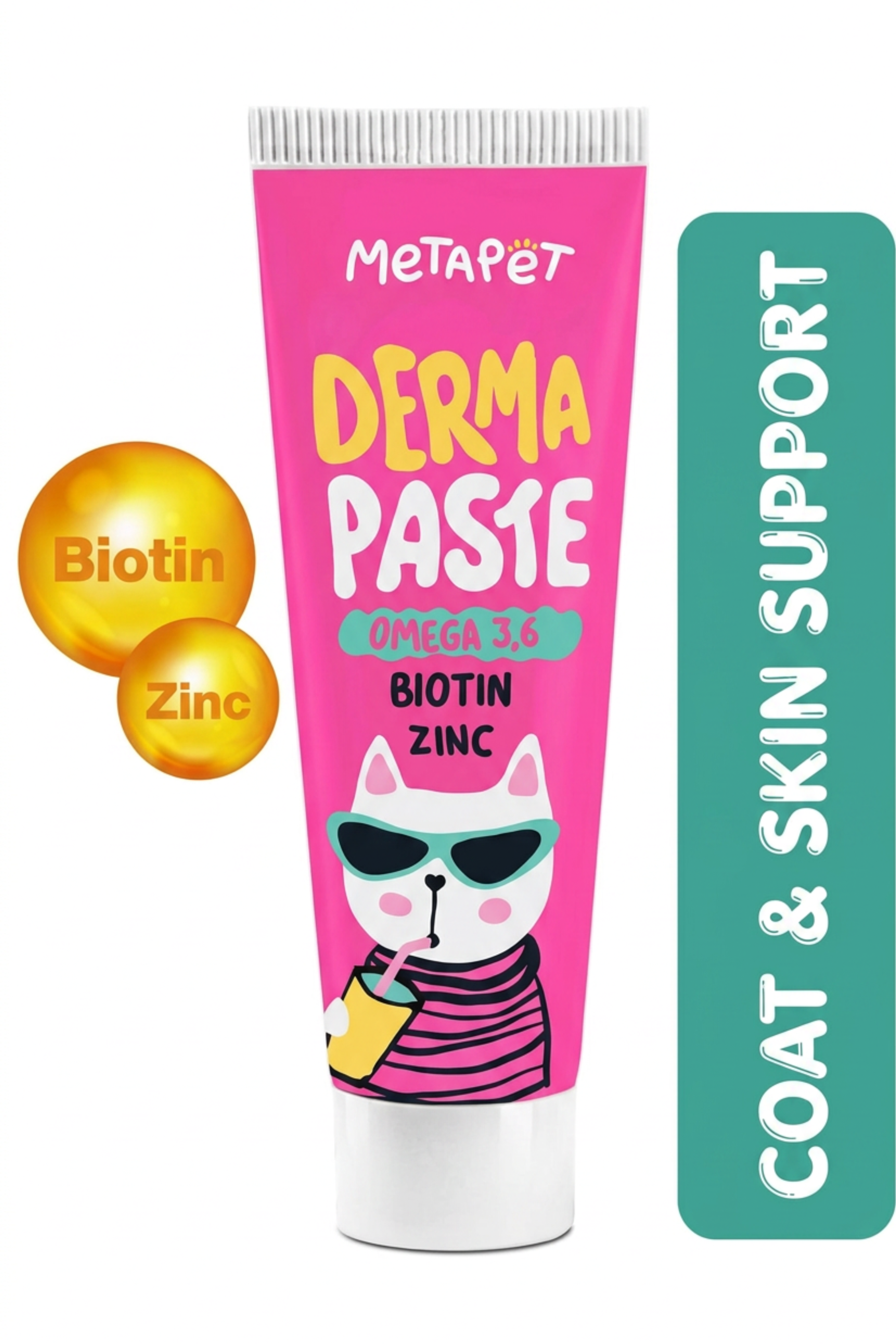
- Omega-3 fatty acids (EPA and DHA) from fish oil sources, widely used to support joint comfort, skin, coat, and cognitive health in aging pets.
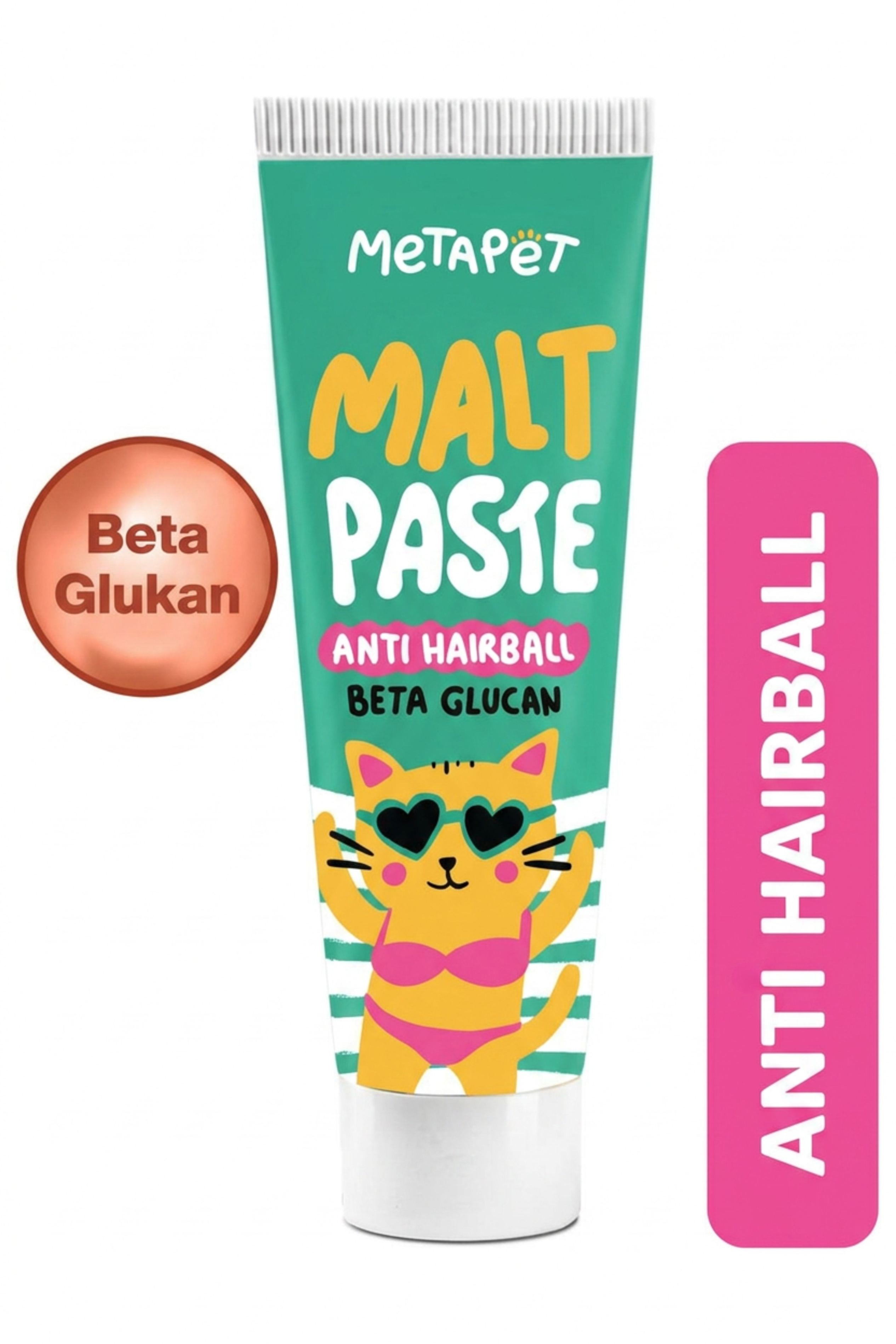
- Fiber balance for digestive regularity — helpful for both firm stools and hairball-prone senior cats.
- Texture your pet can manage. Dental disease is rampant in seniors; softer kibble, moistened food, or wet formats keep eating comfortable.
- Palatability. The best diet is the one your senior actually eats consistently.
Transition to any new food gradually over 7 to 10 days, mixing increasing proportions of the new with the old to avoid digestive upset.
Hydration: The Silent Senior Issue
Older pets — cats especially — often drink less than they should. Thirst perception dulls with age, arthritic joints make trips to the bowl less appealing, and kidneys that concentrate urine less efficiently raise water needs at exactly the moment intake falls.
- Add wet food. Canned diets are mostly water and are the single easiest hydration upgrade for senior cats.
- Multiply water stations. Several bowls on every floor the pet uses, away from litter boxes and busy corridors.
- Try a fountain. Many cats drink noticeably more from moving water.
- Warm and flavor. A splash of warm water or low-sodium, onion- and garlic-free broth over food increases fluid intake.
- Watch the signals. A sudden increase in thirst is not 'good drinking' — it can flag kidney disease, diabetes, or other conditions and belongs in front of your veterinarian.
Feeding the Senior With Joint Stiffness
Nutrition supports mobility from two directions: keeping weight ideal so joints carry less, and supplying nutrients associated with joint comfort. Omega-3-rich diets, and joint-support supplements containing ingredients such as glucosamine, chondroitin, and MSM, are commonly used alongside veterinary care for stiff seniors.
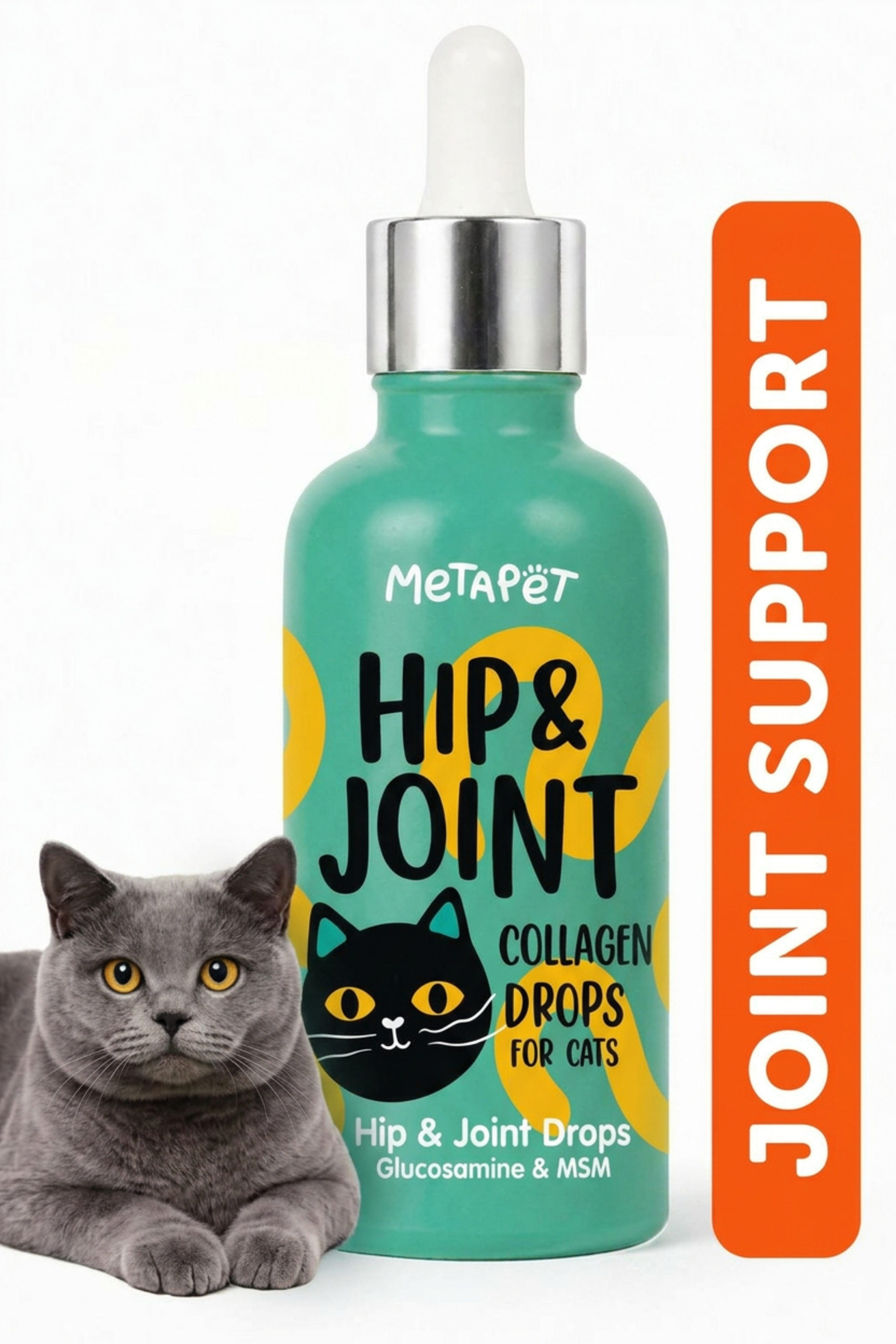
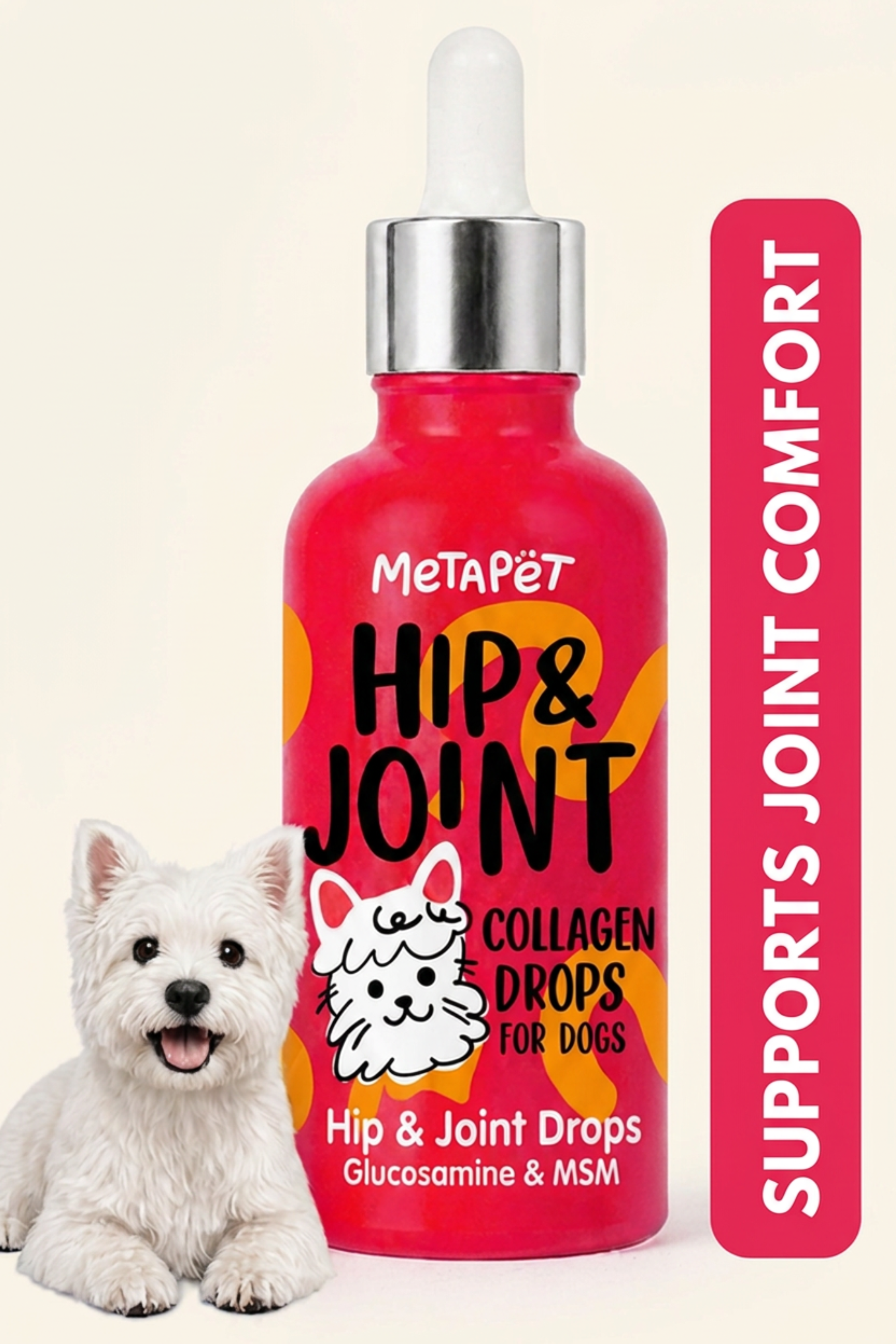
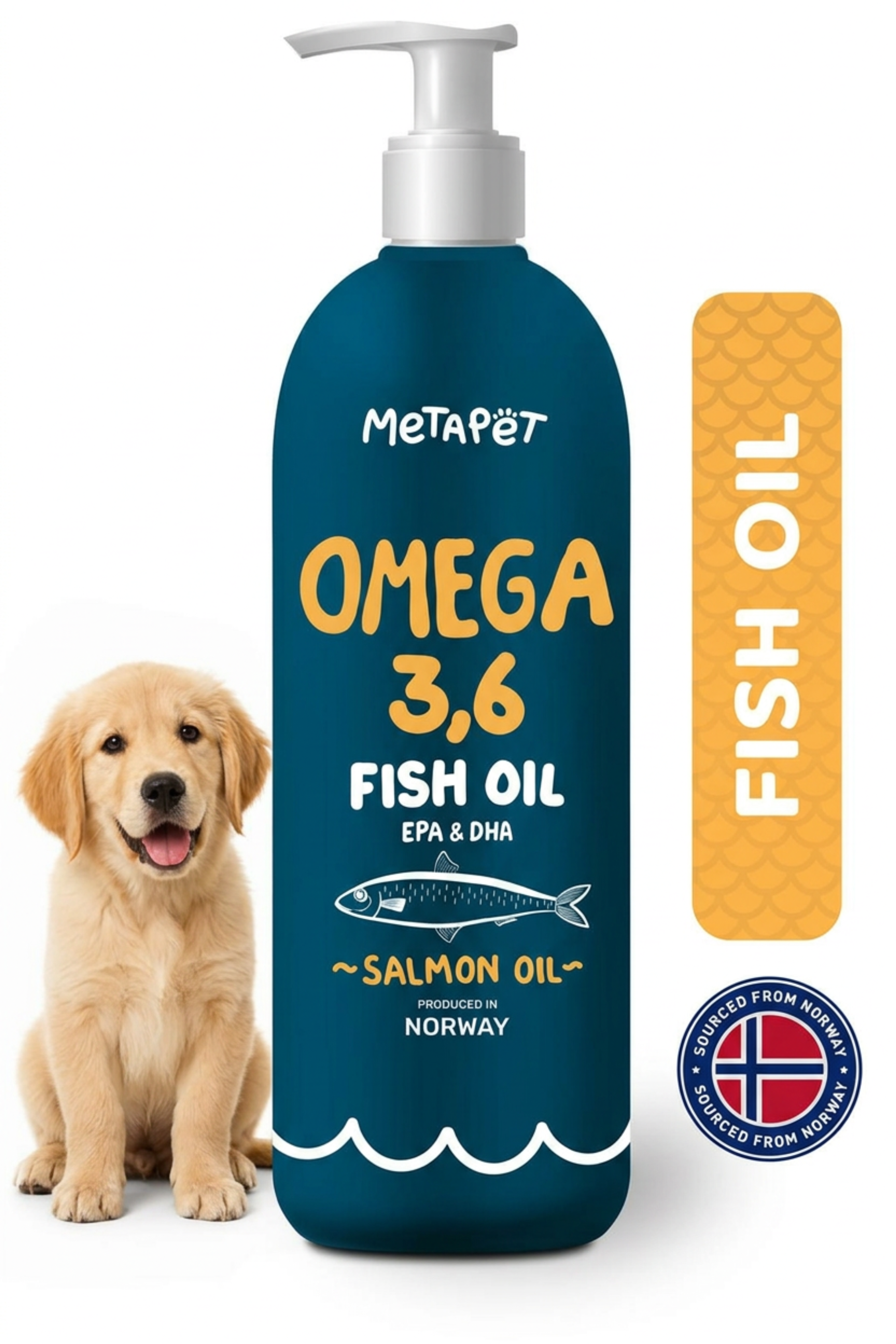
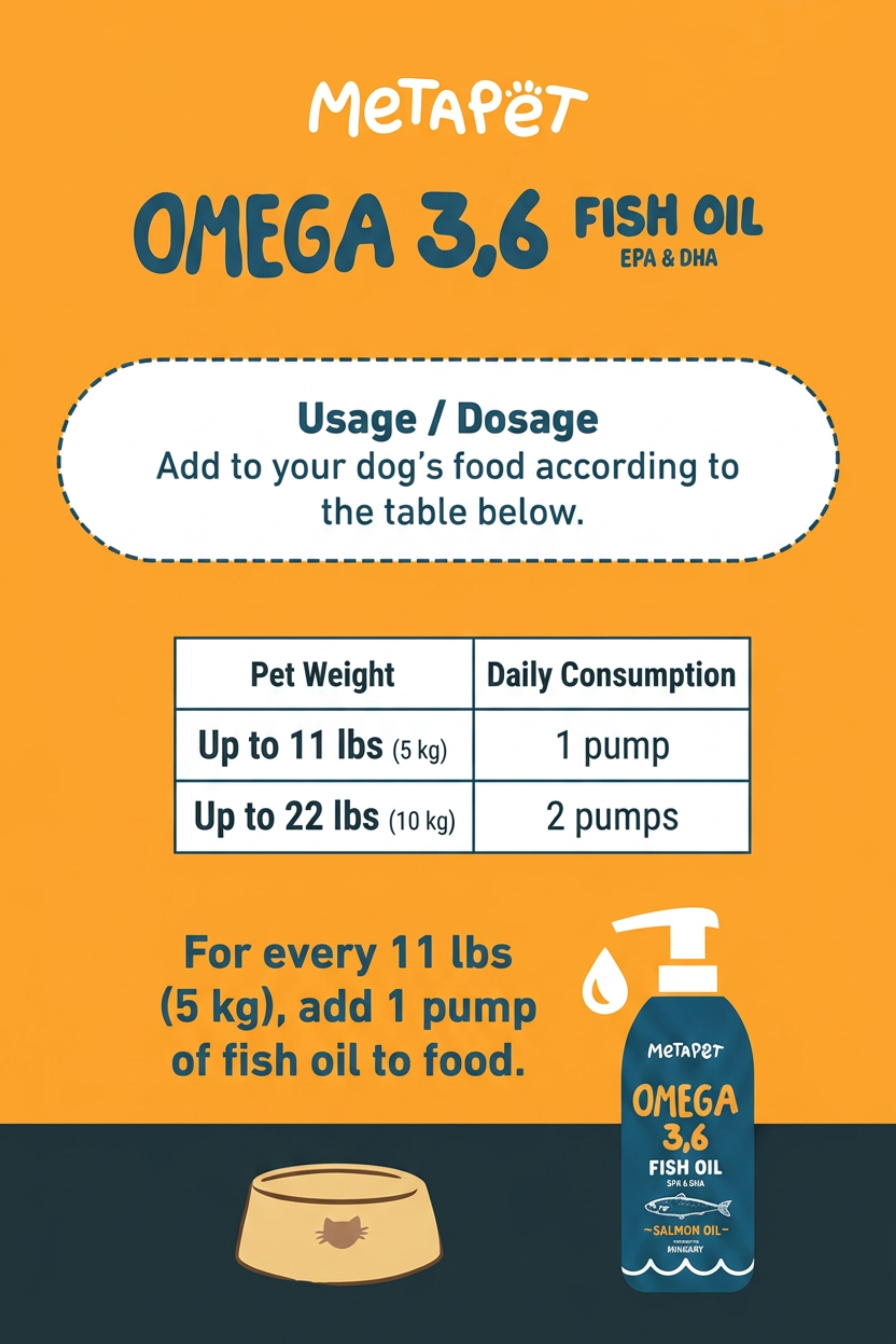
For owners who prefer an easy daily format, MetaPet's Hip & Joint Drops for Dogs and Hip & Joint Drops for Cats combine glucosamine, chondroitin and MSM with hyaluronic acid, collagen and Boswellia — formulated to support joint comfort and easy movement, especially as pets get older. Likewise, Omega Salmon Oil for Dogs and Omega Salmon Oil for Cats — Norwegian salmon oil naturally rich in Omega 3-6 with high EPA and DHA — make a tasty daily addition that supports skin and coat condition, joint comfort and overall vitality. As with any supplement, these are a complement to — not a substitute for — veterinary diagnosis and treatment of joint disease, and it is wise to check with your vet before adding them, especially for pets on medication.
Solving the Picky Senior Appetite
- Warm the food slightly. Aging noses lose sensitivity, and warmth releases aroma — often the difference between interest and indifference.
- Serve smaller meals more often. Three or four small meals suit older digestion better than one or two large ones.
- Elevate the bowls. Raised dishes spare arthritic necks, elbows, and backs, particularly for larger dogs.
- Make mealtimes calm and consistent. Seniors are routine creatures; competition from younger pets can quietly push an old animal off its food.
- Mind the mouth. A senior that approaches food eagerly then backs away may have dental pain — one of the most fixable causes of 'pickiness.'
- Report true appetite loss quickly. A senior cat that stops eating for even a day or two risks serious complications; do not wait a week to call the vet.
Supplements for Seniors: Helpful Complements, Chosen Wisely
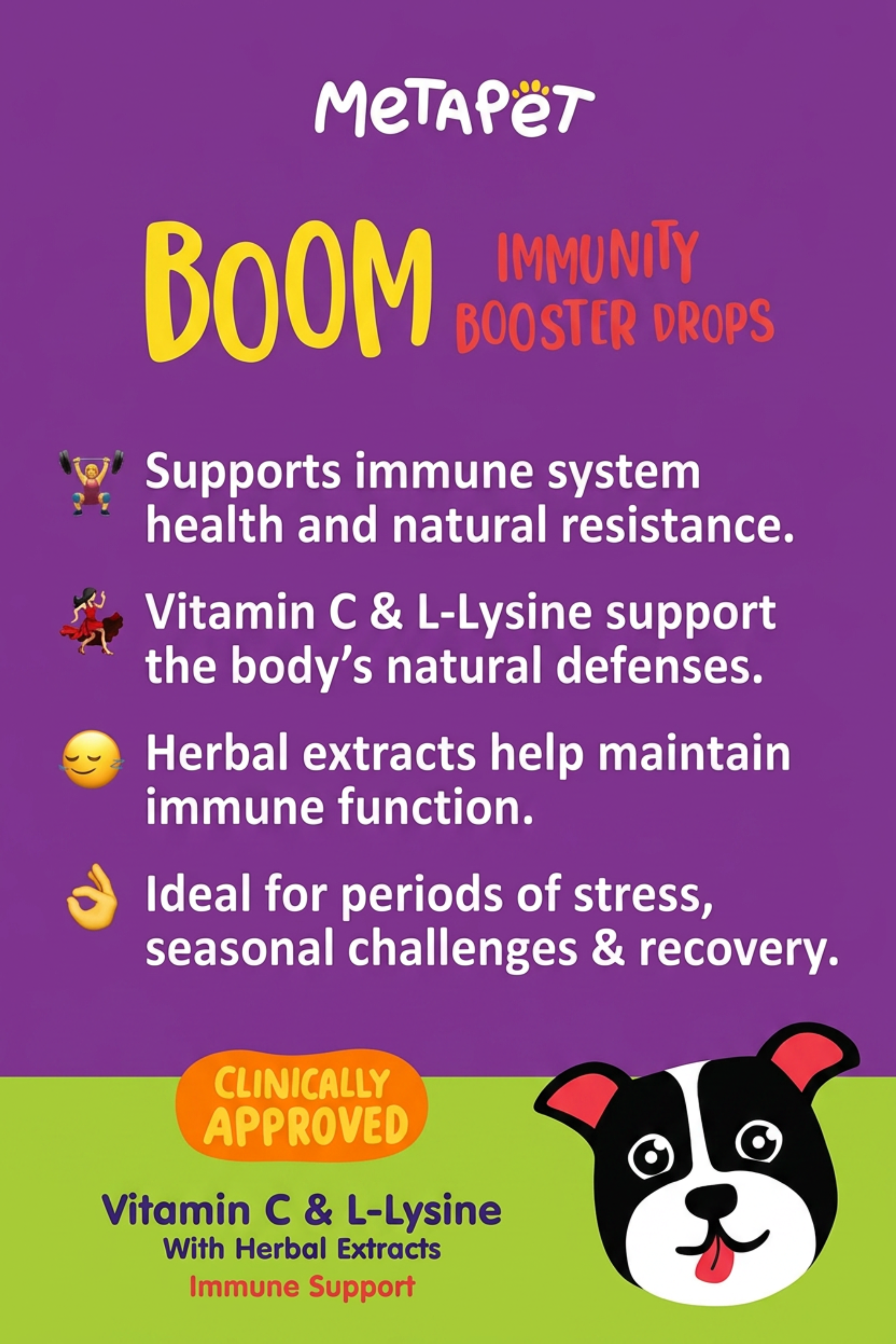
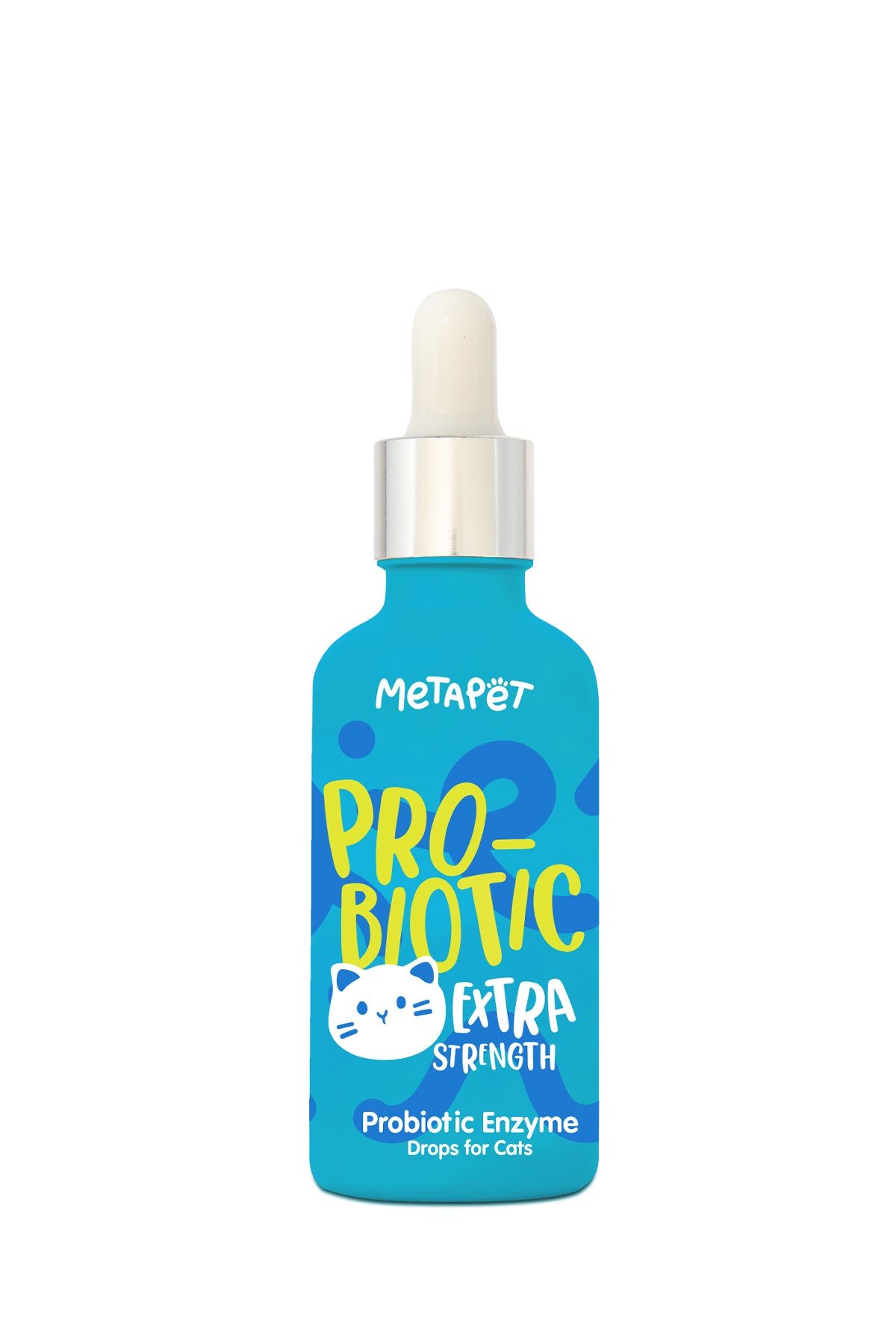
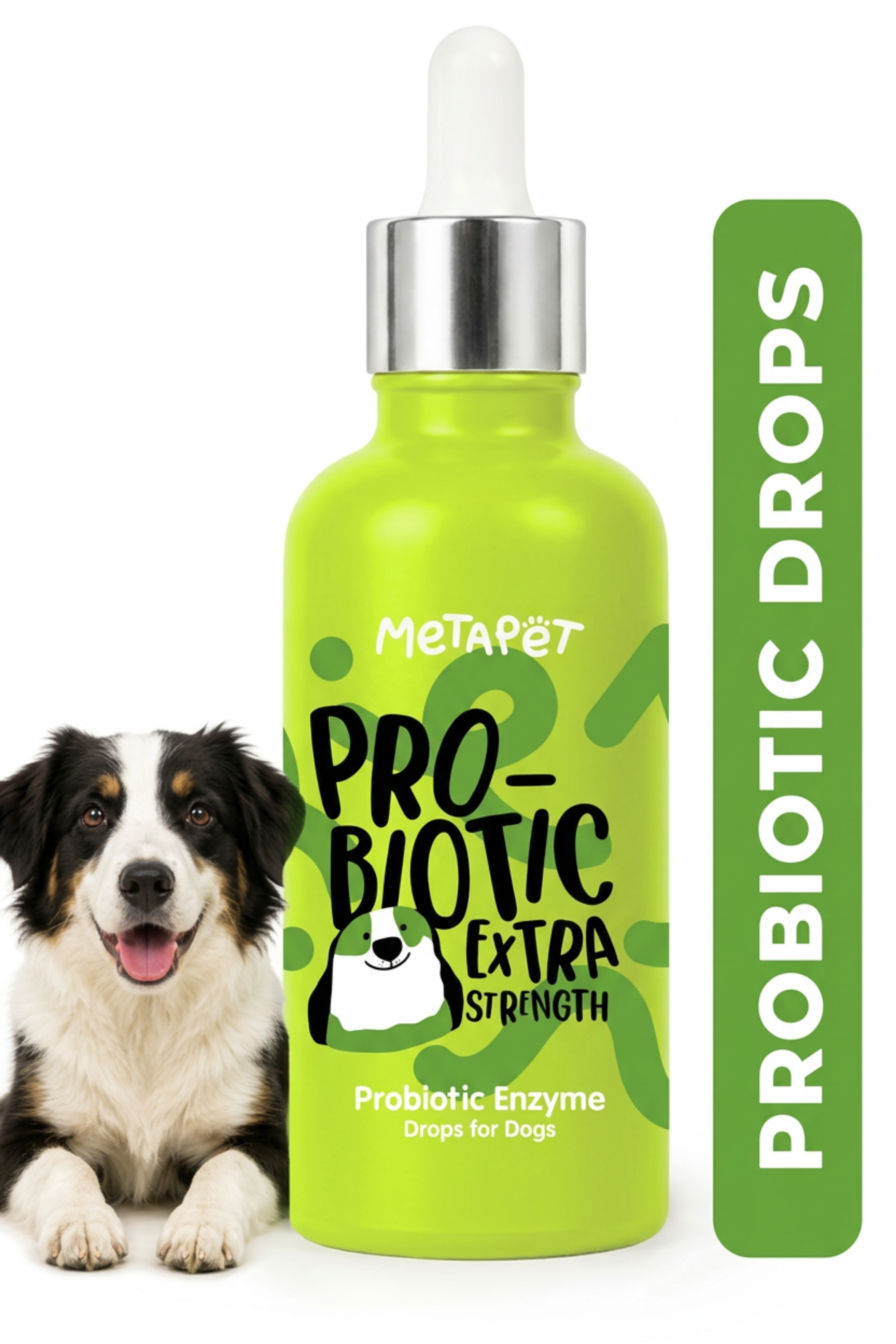
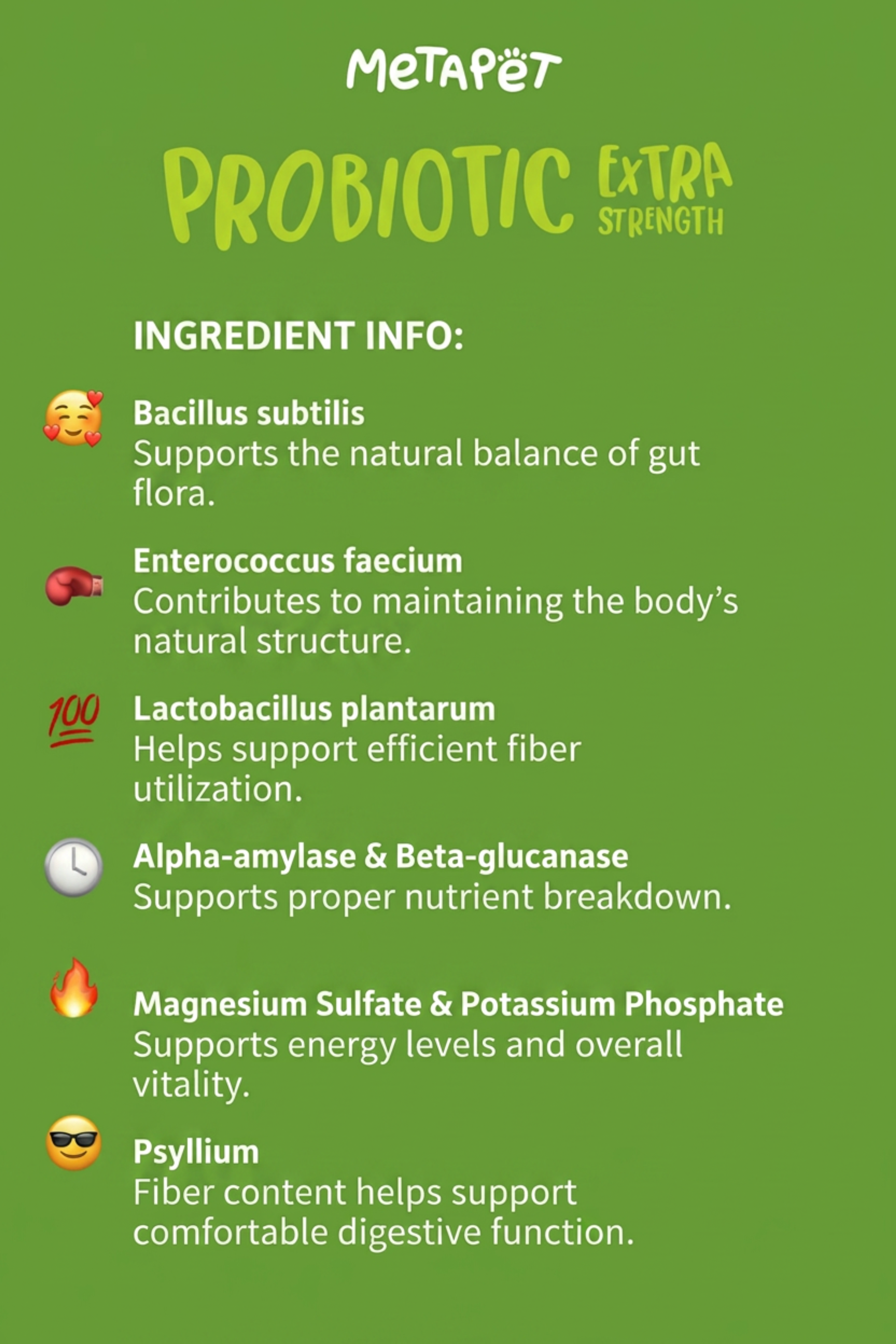
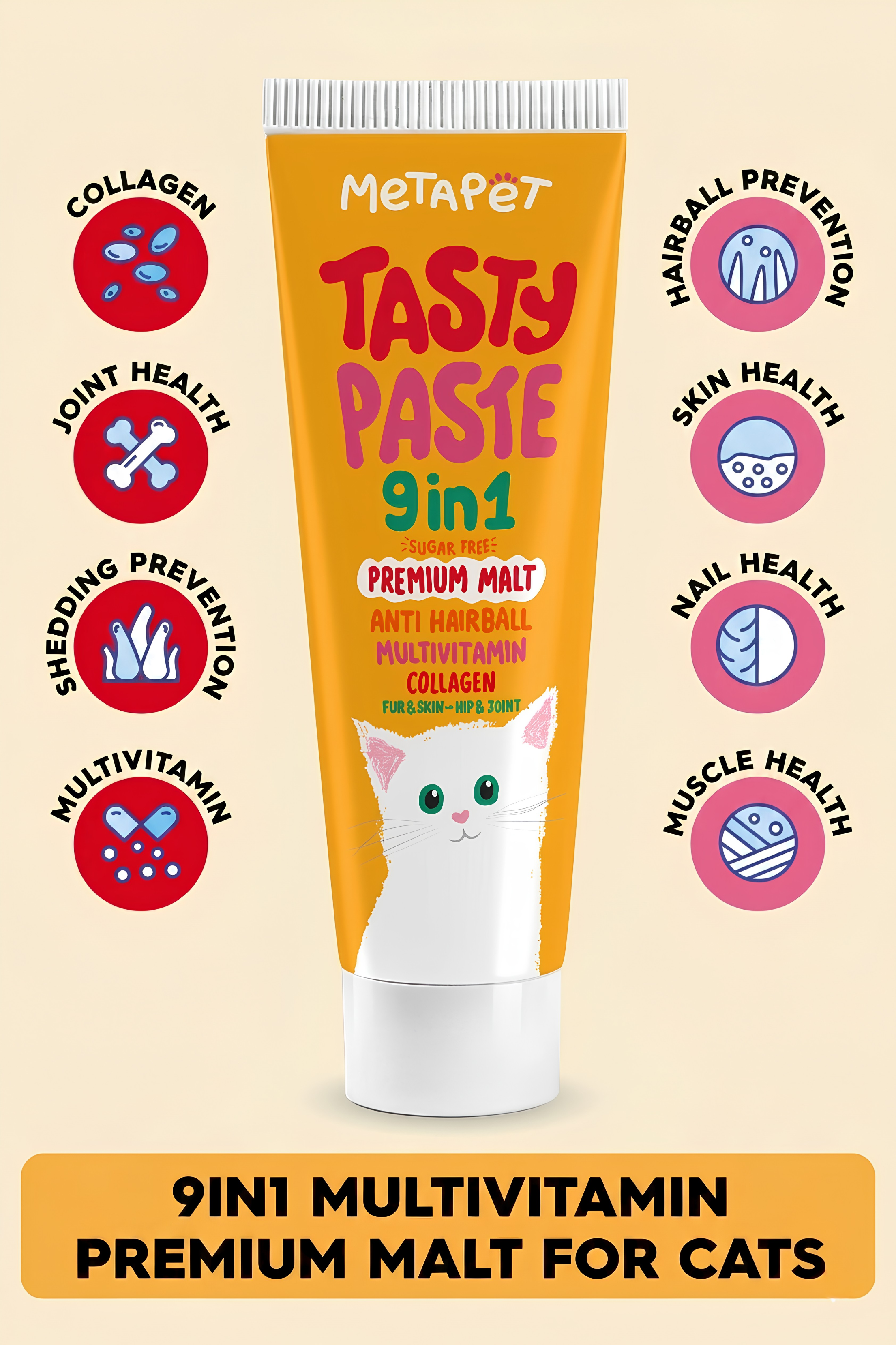
No supplement replaces a balanced diet or veterinary care, but several categories are popular additions to senior routines: omega-3 oils for coat, joint and cognitive support; joint blends; multivitamins for pets whose intake has become erratic; and gentle daily formats that make giving them easy.
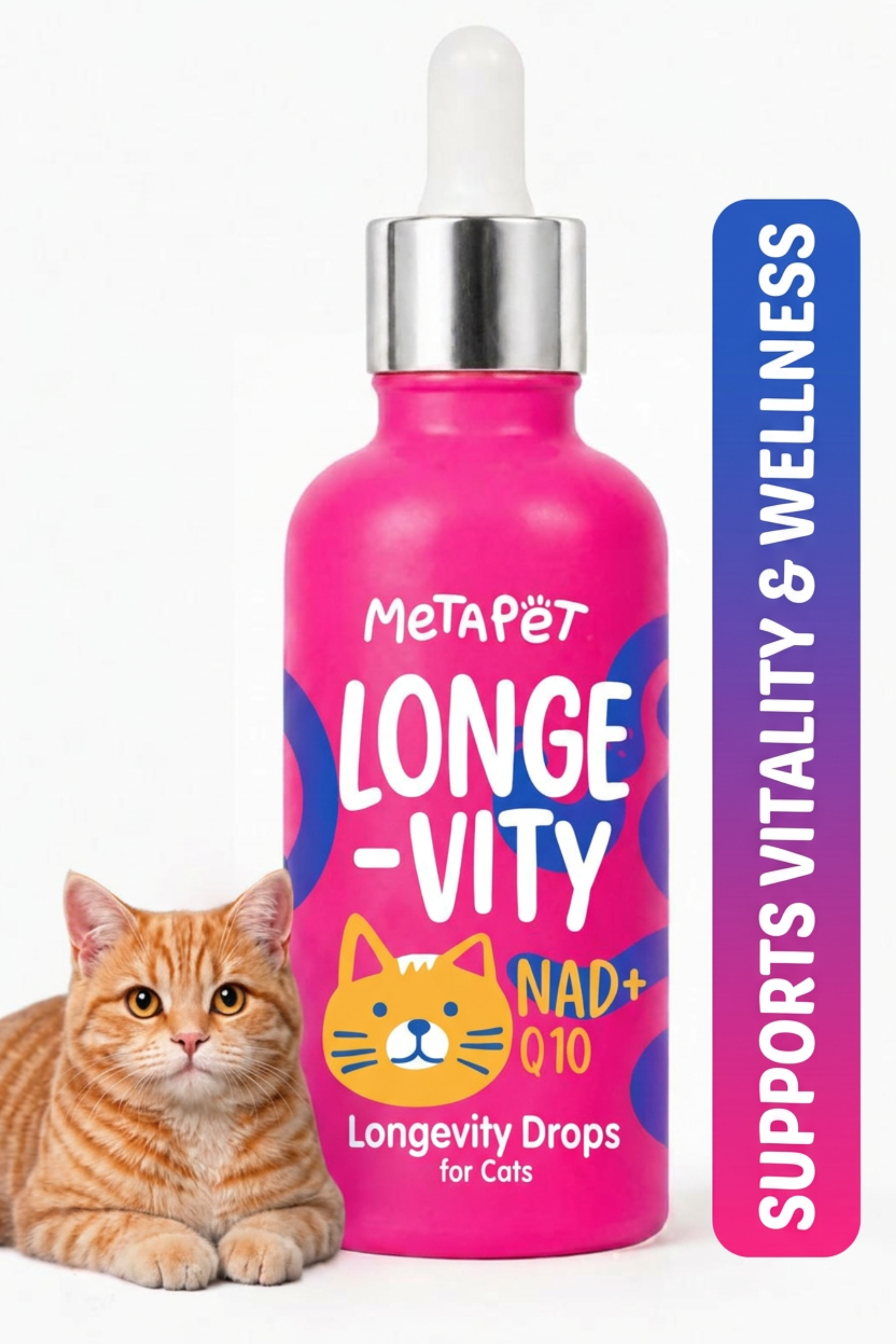
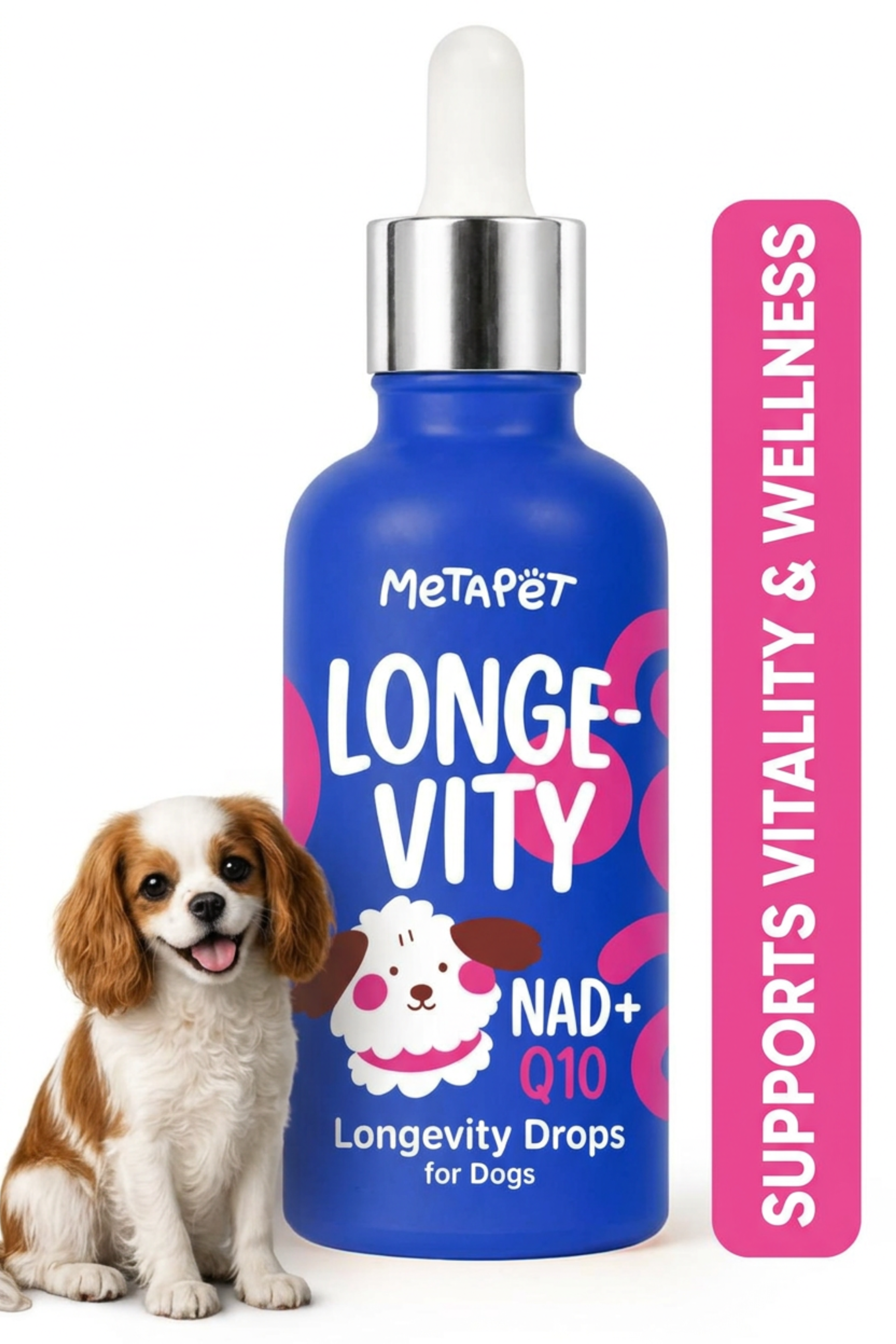
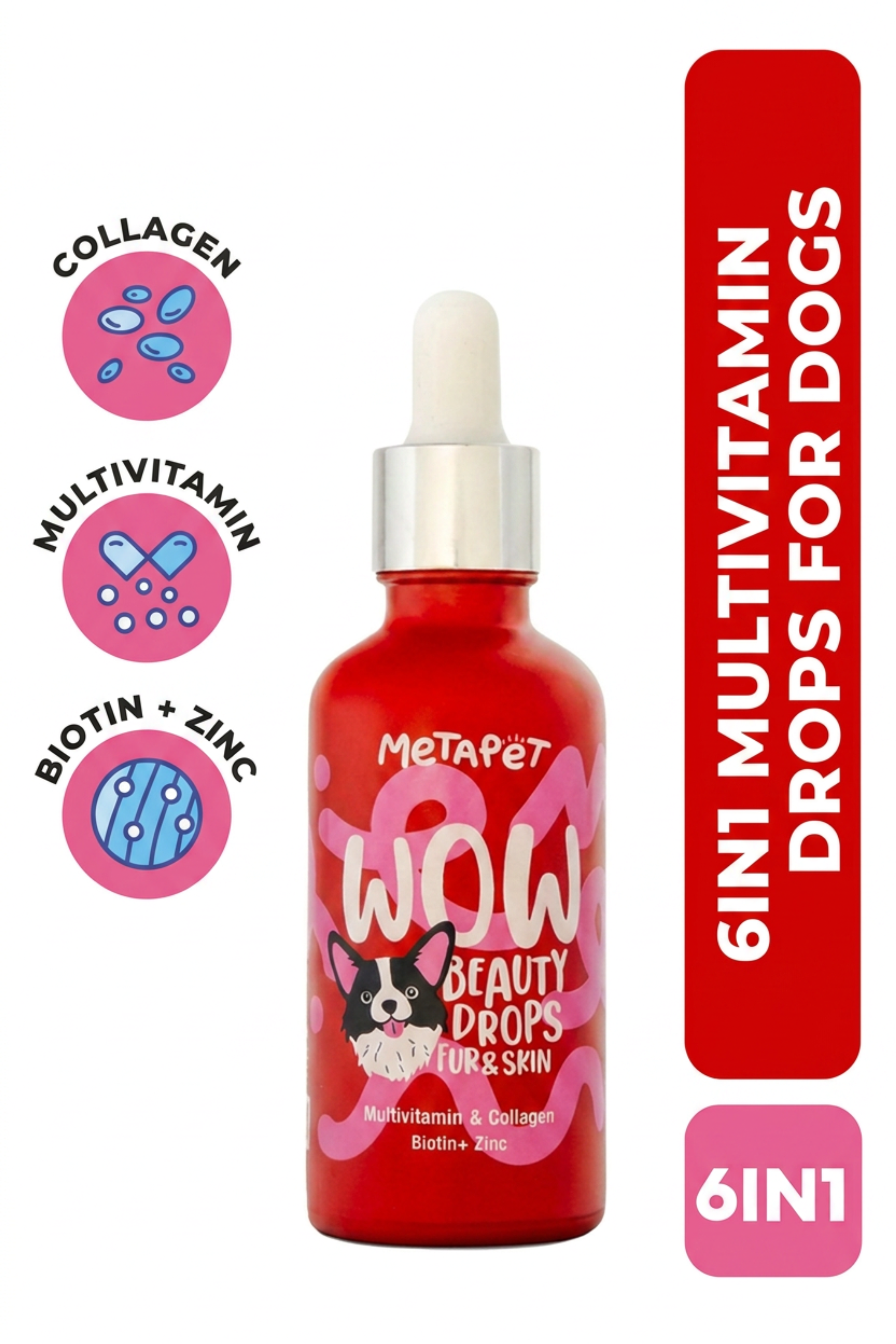
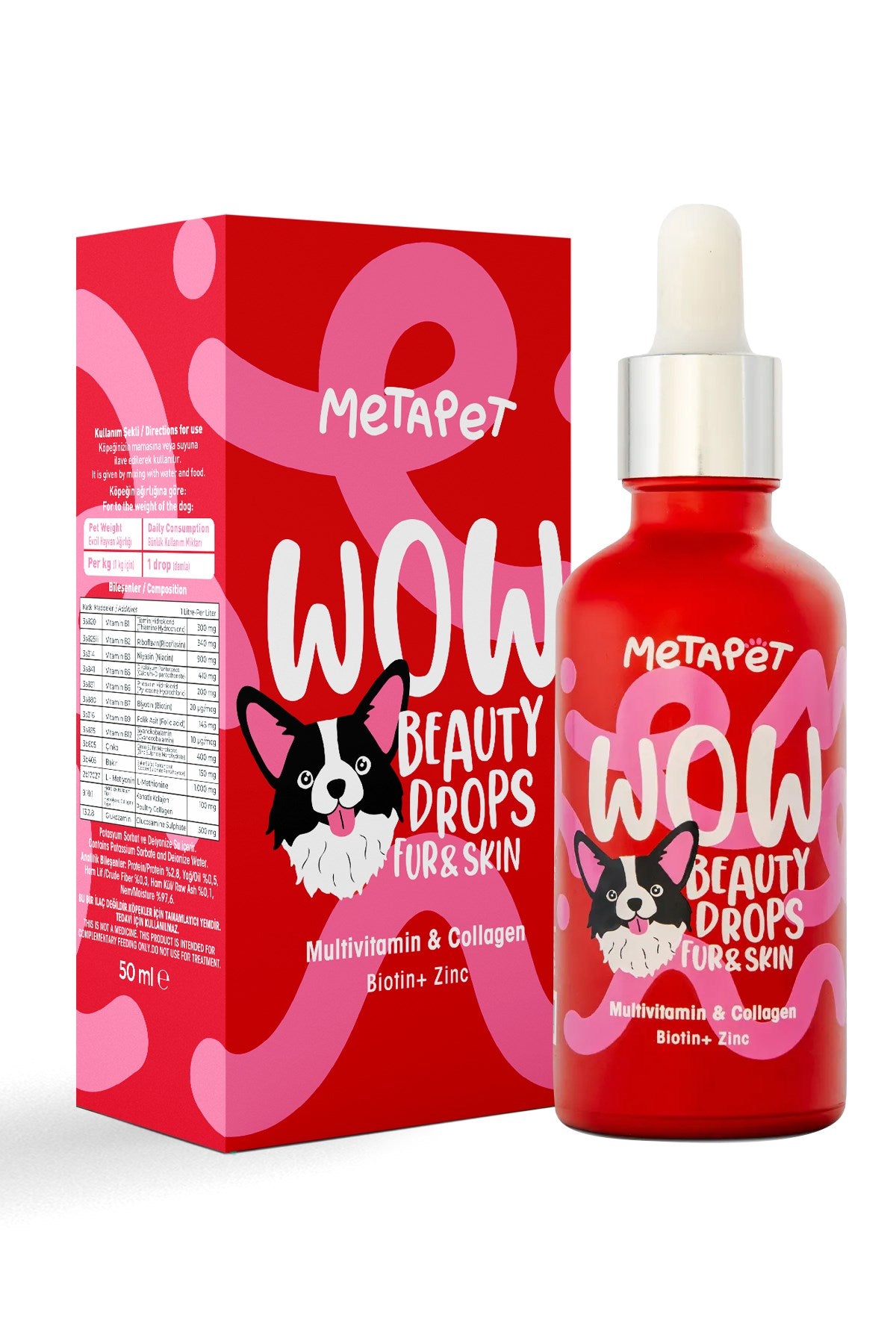
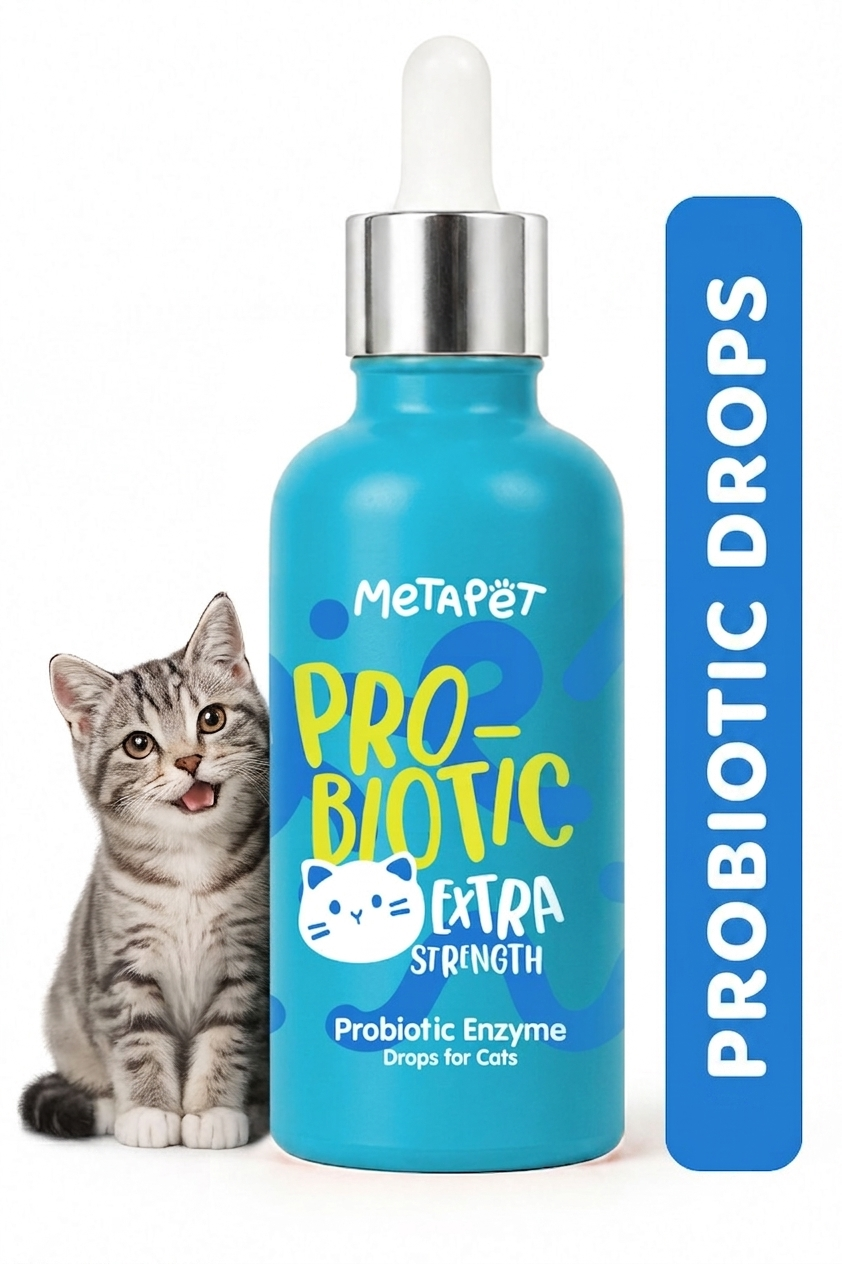
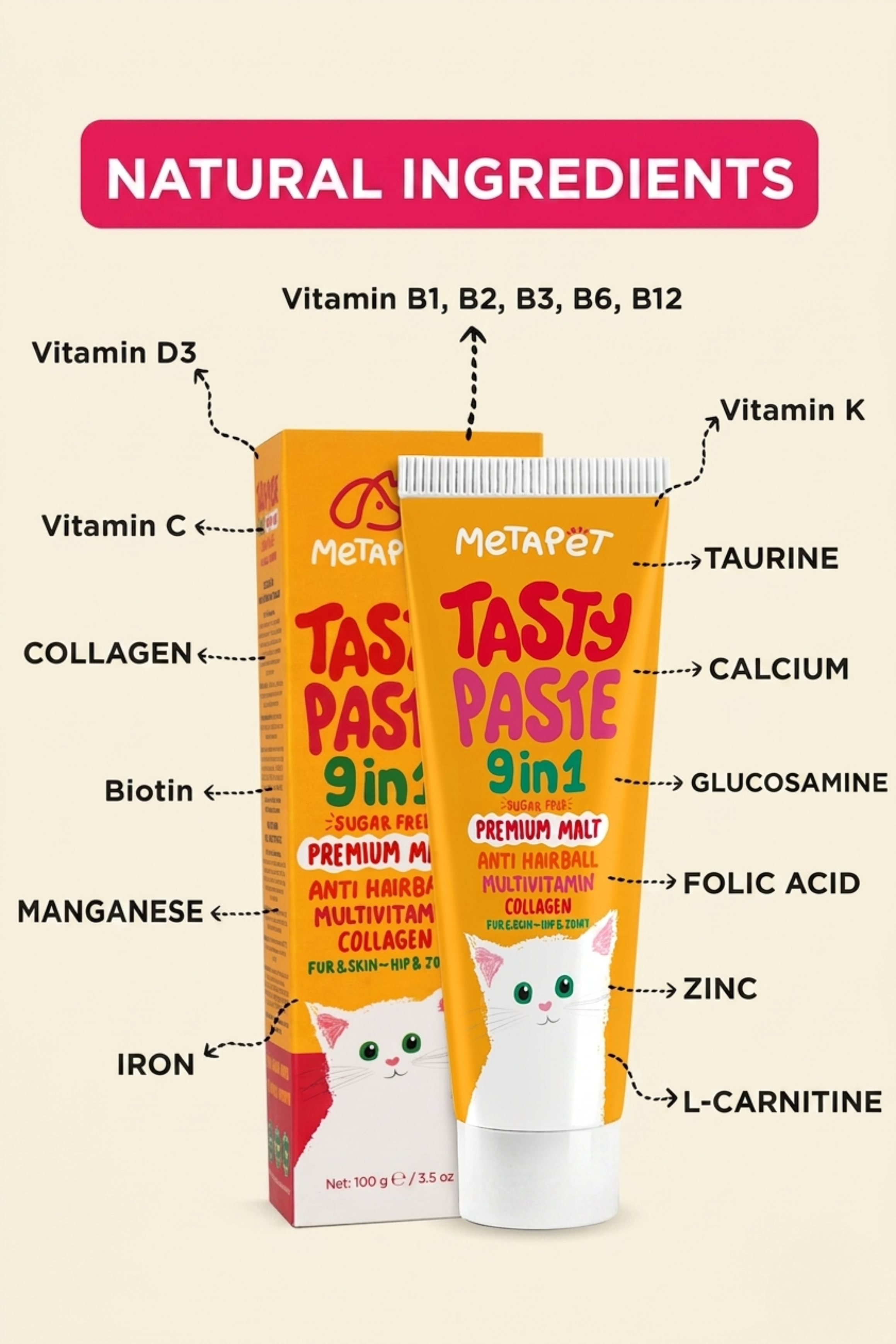
Within the MetaPet range, owners of aging pets often pair the joint and salmon-oil options above with Longevity Drops for Dogs or Longevity Drops for Cats — formulated with Nicotinamide Riboside and Coenzyme Q10 plus resveratrol, astaxanthin and turmeric to support everyday energy, antioxidant balance and long-term vitality — or with the Multivitamin Drops with D3 for Dogs and 25-in-1 Multivitamin Drops with D3 for Cats, which bring everyday vitamin and mineral support into one easy daily dose. Keep expectations realistic: these products are designed to support normal function as part of a balanced routine, not to treat disease. Always tell your veterinarian what supplements your senior receives so everything in the plan works together safely.
Feeding Seniors With Medical Conditions
Many seniors eat best on diets built around their diagnoses. Kidney disease often calls for controlled phosphorus and tailored protein; diabetic cats frequently do well on veterinary guidance toward particular macronutrient profiles; pancreatitis histories may require fat management; food allergies need consistent novel or hydrolyzed proteins. These therapeutic decisions belong to your veterinary team.
The owner's role is execution: feed the prescribed diet consistently, resist the sabotage of table scraps, tell everyone in the household the rules, and report appetite or weight changes promptly. A therapeutic diet only works at full strength when it is essentially the whole menu — one well-meaning family member sharing dinner can undo it.
Frequently Asked Questions
Should every older pet switch to a 'senior' labeled food?
Not automatically. 'Senior' labels are not tightly standardized, and formulations vary widely. A healthy older pet at ideal weight may do fine on its current diet with portion adjustments, while another genuinely benefits from a senior or therapeutic formula. Decide based on body condition, bloodwork, and your vet's advice rather than the label alone.
My senior dog is gaining weight on the same food as always. Why?
Slower metabolism and less activity mean yesterday's portions are today's surplus. Measure meals with an actual measuring cup or scale, trim portions modestly, shift treats toward lower-calorie options, and recheck weight in a month — and rule out thyroid issues with your vet if gain continues.
My 16-year-old cat is getting bony despite eating. Is that just age?
Never assume so. Weight loss with a good appetite in old cats is classic for conditions like hyperthyroidism, diabetes, or digestive disease — all manageable when diagnosed. Book a check-up with bloodwork before changing food.
Are raw diets a good idea for seniors?
Seniors' immune systems handle bacterial challenges less robustly, and raw feeding carries recognized contamination risks. Most veterinarians advise particular caution with raw diets in senior, ill, or immunocompromised pets — discuss safer ways to add appeal, like warmed wet food or toppers.
The Bottom Line
Feeding a senior well comes down to a handful of habits: watch body condition monthly and feed to it; favor high-quality, digestible protein; take hydration seriously — especially in cats; keep eating physically comfortable with warmth, texture, and elevated bowls; and let bloodwork, not birthdays, drive big dietary decisions. Supplements — omega-3s, joint blends, multivitamins, vitality formulas — can be genuinely useful complements to this foundation when chosen with your veterinarian's knowledge.
Old age is not a disease; it is a design change. Pets whose nutrition changes with them routinely stay mobile, bright, and enthusiastic about dinner deep into their golden years — and few things are better for an owner's heart than an old friend trotting toward the bowl.
- Monthly: weigh, body-condition check, portion adjust.
- Daily: quality protein, generous hydration, calm comfortable mealtimes.
- Wisely: supplements as complements, with your vet informed.
- Promptly: report weight change, appetite loss, or new thirst — seniors hide illness well.