Conditioning Your Dog for Long Hikes and Dog Sports Safely

The pattern is familiar to every veterinary practice. A dog spends the week on two short neighborhood walks, then covers ten miles of mountain trail on Saturday. On Sunday it will not get off its bed, and by Monday morning it is limping.
Dogs are enthusiastic in a way that hides their limits. A dog will keep going long after a person would have stopped, and it will not tell you it has had enough until the damage is already done. That willingness is exactly why conditioning is the owner's responsibility rather than the dog's.
This guide covers how to build canine fitness gradually and safely, why warm-ups and rest days matter, how to protect paws and joints, and how to recognize when your dog has had enough — whether you are heading for a long trail or into a dog sport.
Important: This article shares general educational information for pet owners and is not a substitute for an in-person veterinary examination, diagnosis, or treatment. For any medical concern or emergency, contact your veterinarian promptly.
Why Weekend-Only Activity Causes Problems
Fitness is not a single quality. It is several tissues adapting at different speeds. Cardiovascular capacity improves relatively quickly — within weeks. Muscle strength follows. Tendons, ligaments, and the supporting structures around joints adapt considerably more slowly, over months.
That mismatch is the whole problem. A dog can develop the heart and lung capacity to keep running long before its connective tissues are ready for the load that running places on them. Its enthusiasm carries it well past the point where soft tissue is coping, and the injury happens in the structure that had not caught up.
Add the fatigue factor and it compounds. A tired dog's movement pattern degrades — footing becomes sloppier, landings less controlled, and the odd stumble becomes a wrench. That is the mechanism behind a great many outings that end badly in the final stretch rather than the first.
The fix is not doing less. It is doing something regularly, and increasing it in steps small enough that every tissue keeps up.
Start With a Veterinary Check
Before beginning a conditioning program — particularly with a dog that has been inactive, is carrying extra weight, is over about seven years old, or is a breed with known orthopedic considerations — book a veterinary examination.
Your veterinarian can assess joints and range of motion, listen to the heart and lungs, check body condition, and flag anything that should change the plan. Flat-faced breeds in particular need individualized advice, because their breathing limits how they cope with exertion and heat, and the usual guidance does not apply to them unchanged.
This is also the moment to ask about growth if your dog is young. Puppies and adolescents have open growth plates, and repetitive high-impact activity, long forced runs, and repeated jumping are generally discouraged until growth is complete. Growth finishes at very different ages depending on adult size, so ask specifically about your dog rather than applying a general figure.
Building a Base: The First Weeks
A useful principle borrowed from human training is to increase total workload gradually rather than in leaps. In practical terms, add a modest amount each week rather than doubling from one weekend to the next.
- Establish a consistent baseline: what your dog does comfortably now, several times a week, without soreness afterward.
- Increase duration first, before intensity or terrain difficulty.
- Add roughly ten percent to weekly duration at a time, holding steady for a week when you increase.
- Introduce terrain gradually — flat and even before hills, loose ground, or rock.
- Keep at least one full rest day between harder sessions.
- Repeat any week where your dog seemed stiff or tired the following day rather than progressing.
- Expect the whole process to take a couple of months, not a couple of weekends.
Consistency beats volume every time. Four moderate outings a week build a far more resilient dog than one long weekend effort, and the dog is happier for it too.
Warm-Ups and Cool-Downs
Most owners skip both, and both matter. Cold muscle and stiff connective tissue tolerate sudden load poorly, which is why the dog that explodes out of the car at the trailhead is at its most vulnerable in the first minutes.
Warming Up
- Start with five to ten minutes of easy walking: before anything faster or steeper.
- Include gentle direction changes: easy circles and figure-of-eight walking to engage the whole body.
- Build gradually: let the pace rise over several minutes rather than starting at full effort.
- Never begin with jumping or sprinting: cold muscle and stiff connective tissue absorb sudden load poorly, which is exactly what a standing jump or a sprint start demands.
Cooling Down
- Finish with five to ten minutes of easy walking: rather than stopping abruptly.
- Let breathing settle before crating or getting in the car: a dog should not be loaded while still panting hard.
- Offer water in moderate amounts: frequently rather than in one large volume.
- Check the whole dog over: paws, legs, ears, and coat, while it is still relaxed and happy to be handled.
That end-of-outing check takes ninety seconds and catches most problems — a split pad, a thorn between the toes, a grass seed in an ear, a tick, a small cut — while they are still minor.
Paws Take the Most Punishment
Paw pads toughen with use, but only with regular use. A dog whose walking is limited to grass and pavement has soft pads that abrade quickly on rock, gravel, and hot or frozen ground. Pad injuries are among the most common reasons a hike ends early.
- Build up surface exposure gradually: just as you build duration, so pads condition to varied ground.
- Check pads before and after every outing: looking for cracks, splits, wear, and embedded material.
- Test ground temperature with the back of your hand: hot surfaces burn pads quickly, and frozen ground with ice melt is also harsh.
- Keep nails trimmed: overlong nails change how a dog loads its foot and are more prone to catching and tearing.
- Check between the toes: for grass awns, grit, mud balls, and ice.
- Consider boots for extreme conditions: and introduce them at home well before you need them.
- Clean paws after outings: which both removes irritants and gives you a reason to inspect them.
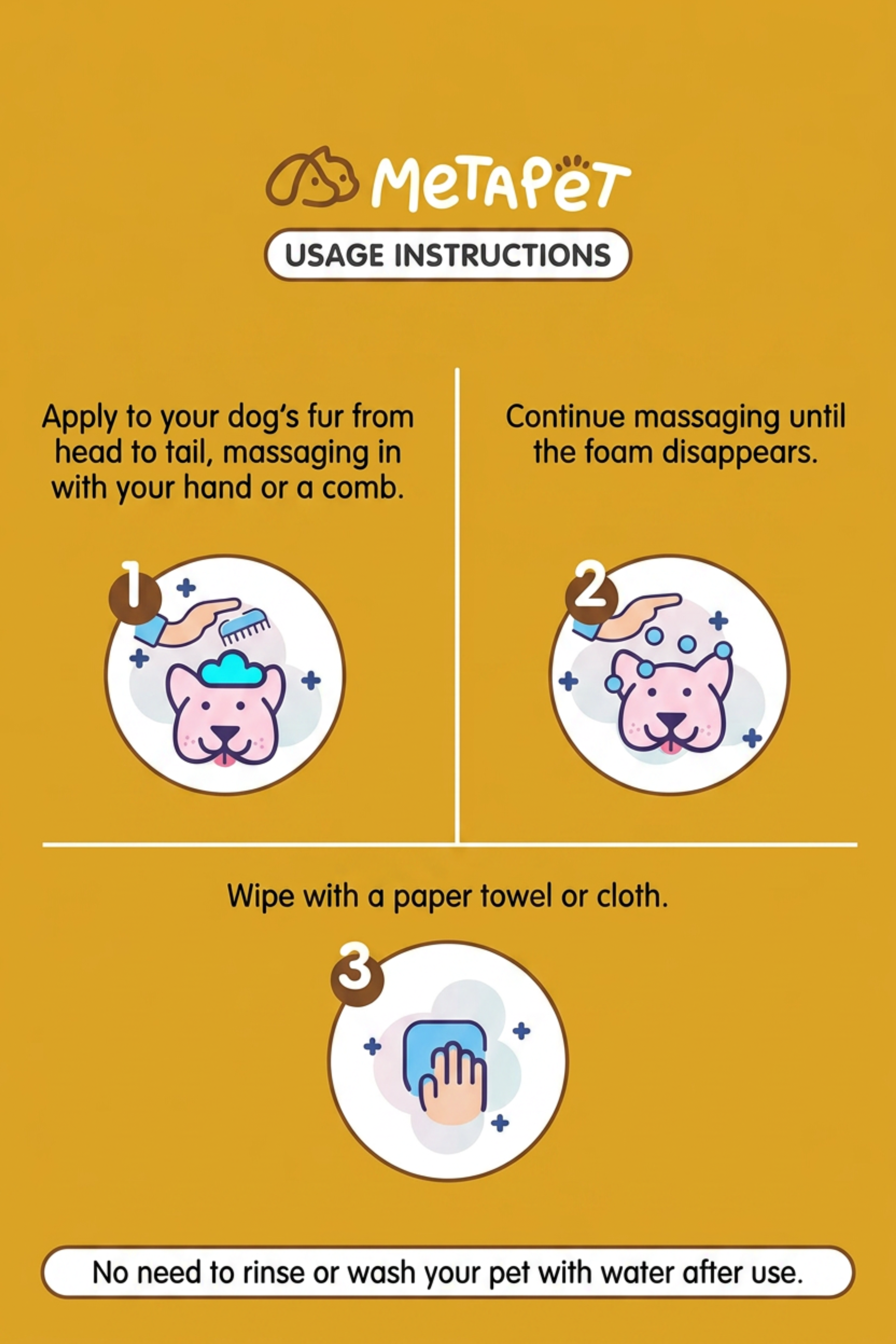
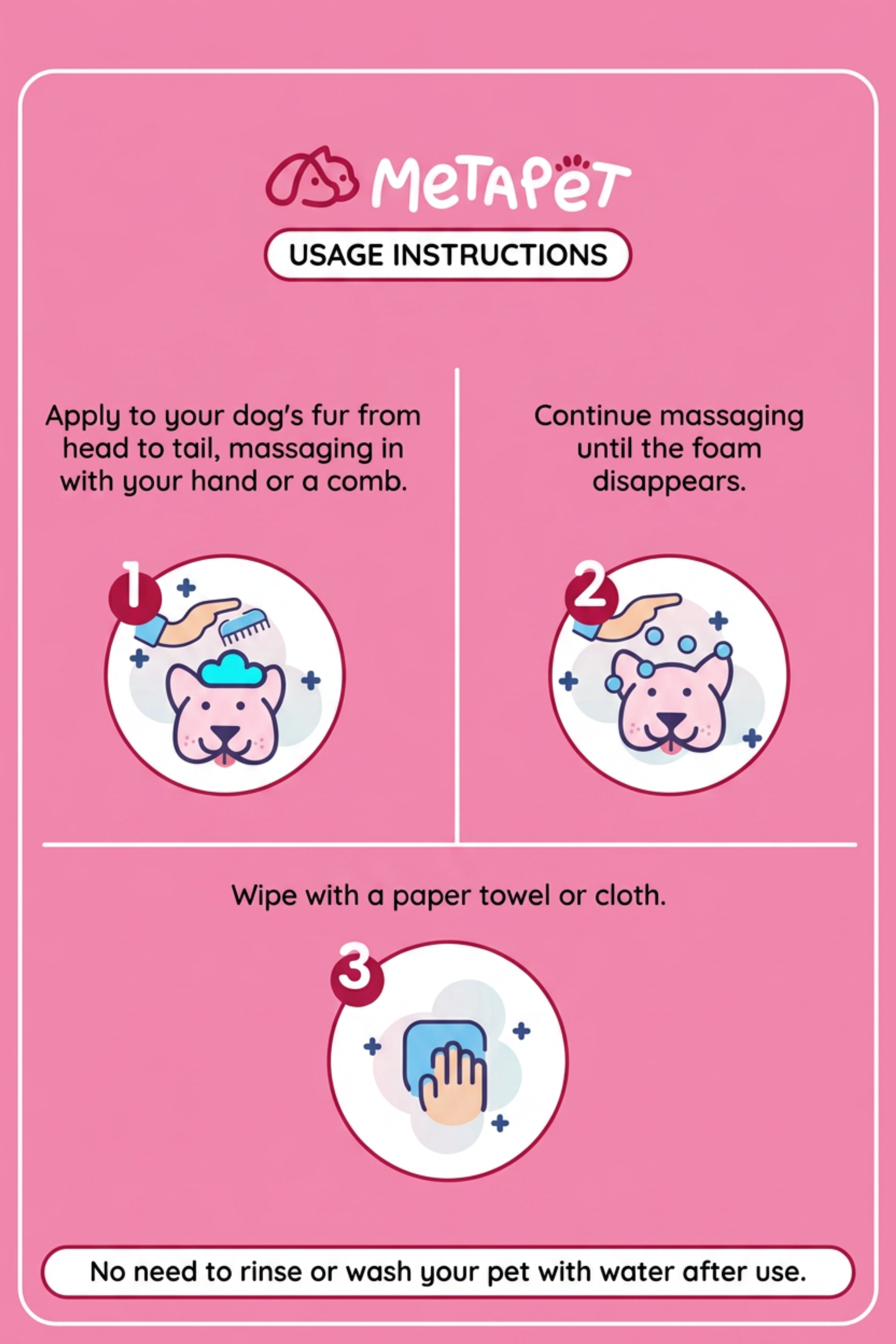
A simple post-walk paw routine makes the checking habitual. A rinse-free option such as the MetaPet Nano-Series Pawsome Paw Cleaning Foam with Brush is designed to make cleaning muddy paws quick enough that it actually gets done every time. It is a cosmetic cleaning product intended to help keep paws clean, not a treatment for injured skin. If a pad is cut, cracked, bleeding, or sore, stop using any product on it and contact your veterinarian.
Heat, Water, and Fuel
Dogs cool themselves far less efficiently than people do, relying mainly on panting rather than sweating. Heat-related illness is a genuine emergency, and it develops faster than owners expect — particularly in flat-faced breeds, heavy-coated dogs, overweight dogs, older dogs, and any dog unaccustomed to the conditions.
- Plan around temperature: start early, finish before the day heats up, and cancel when conditions are extreme.
- Carry more water than you think you need: and offer it regularly rather than waiting for obvious thirst.
- Use shade and rest stops: building them into the route rather than improvising.
- Watch for heavy panting that does not settle: along with bright red gums, thick drooling, wobbliness, or confusion.
- Stop immediately at any of those signs: move to shade, offer water, begin cooling with water right away, and contact a veterinarian or emergency clinic urgently — tell them you suspect heat-related illness and ask what cooling they want you to do on the way in.
- Avoid a large meal close to exercise: and ask your veterinarian about timing, particularly for large, deep-chested breeds.
Do not push through heat. Suspected heat-related illness is an emergency requiring immediate veterinary attention even if the dog appears to improve, because internal effects can continue after the outward signs settle.
Strength, Balance, and Body Awareness
Endurance is only part of fitness. Dogs on varied terrain need core stability and an accurate sense of where their feet are, and these are trainable with short, low-impact sessions at home.
- Slow, controlled walking over low obstacles: encouraging deliberate foot placement rather than rushing.
- Weight shifting on stable ground: gentle exercises that engage the trunk without impact.
- Sit-to-stand repetitions: done slowly and in small numbers, building hindquarter strength.
- Backing up a few steps: which develops body awareness surprisingly effectively.
- Walking on varied surfaces: grass, sand, and gravel, all introduced gradually.
- Short sessions: a few minutes several times a week is plenty.
Keep these gentle and stop before your dog tires. If you want a structured program — particularly for a dog returning from injury or competing in a sport — ask your veterinarian about a referral to veterinary physical rehabilitation, where a professional can build and supervise a plan properly.
Reading Fatigue Before It Becomes Injury
- Falling behind: a dog that usually leads dropping back to your heel.
- A changed gait: shortened stride, head bobbing, or a hitch that was not there earlier.
- Sitting or lying down unprompted: during rest stops or on the trail.
- Panting that does not settle: during breaks.
- Stumbling or clipping obstacles: an early sign of neuromuscular fatigue.
- Loss of interest: in the environment, in you, or in a favorite activity.
- Reluctance to continue: which is a clear communication and should be respected.
- Next-day stiffness: the signal that the previous outing was too much.
Turn back when you see these, and remember to plan for the return journey. A dog that is tired at the furthest point still has to get home, and that is where many injuries and rescues originate.
Recovery Matters as Much as Training
Adaptation happens during rest, not during the activity itself. A dog that never gets recovery days accumulates fatigue rather than fitness, and that is the state in which injuries occur.
After a hard outing, offer water, let your dog settle somewhere comfortable, and keep the following day easy — a gentle walk rather than complete confinement, since light movement helps stiff muscles more than total rest. Check the paws again once your dog has been resting, since some soreness only becomes apparent after cooling down.
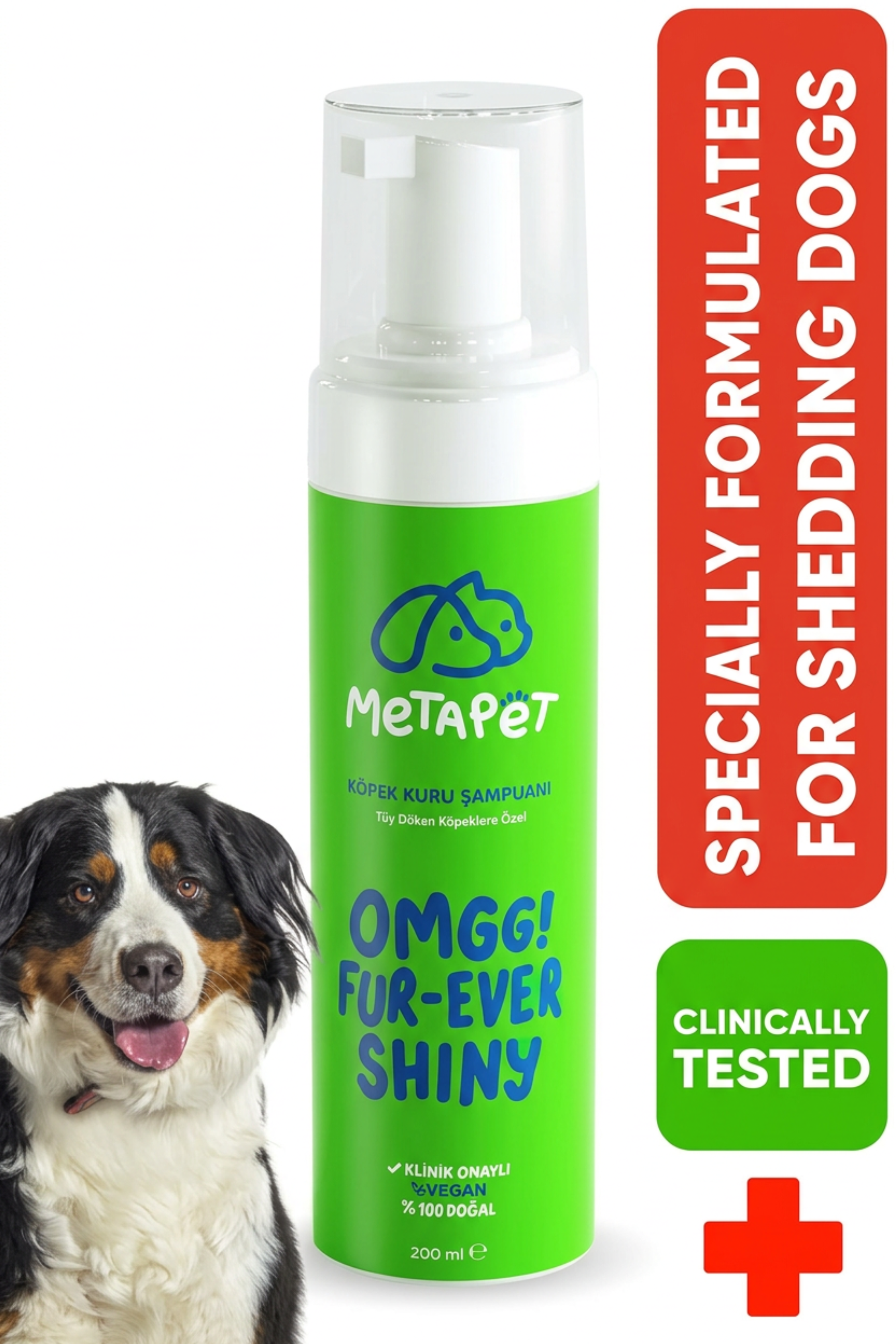
A brief grooming session afterward is genuinely useful, not just cosmetic. Brushing removes trail debris, and it is the easiest way to find ticks, burrs, and small wounds hidden under the coat. Where a full bath is impractical, a waterless option such as the MetaPet A Dog From Paris Waterless Dry Foam Shampoo for Dogs can help freshen a dusty coat between washes. Grooming products like these help keep the coat clean and comfortable and are a complement to routine veterinary care, never a substitute for it, and they do not treat skin conditions or parasites — parasite prevention should always follow your veterinarian's recommendations.
If soreness lasts more than a day or two, if limping appears at all, or if your dog seems reluctant to move normally, contact your veterinarian rather than resting and hoping.
Special Cases
Puppies and Adolescents
Growing dogs should not be conditioned like adults. Free play at their own pace, with the freedom to rest, is generally preferred over forced repetitive exercise, and jumping and long runs are usually deferred until growth completes. Ask your veterinarian what is appropriate for your dog's age and expected size.
Senior Dogs
Older dogs benefit enormously from continued activity — it maintains muscle, supports joint comfort, and keeps them mentally engaged. The adjustments are shorter, more frequent outings, gentler terrain, longer warm-ups, and closer attention to weather. Many older dogs have some degree of joint discomfort, and a veterinary assessment is worthwhile before increasing activity.
Overweight Dogs
Excess weight increases joint load and reduces heat tolerance simultaneously, so start conservatively and progress slowly. Combining a veterinary-guided weight plan with gradual conditioning generally produces better results than either alone.
The Bottom Line
For related reading, see our guides to heatstroke and summer safety, safe exercise for growing puppies, and year-round paw and pad care. A fit dog is a safer, happier companion, and building that fitness is not complicated: go regularly, increase gradually, warm up and cool down, check the paws every time, respect heat, and give real rest days.
Above all, watch your dog rather than the plan. Dogs will not stop themselves, so the judgment is yours. Turning back early on one outing costs you nothing; pushing on when your dog was already tired can cost weeks of recovery.