Cleaning Pet Urine Stains From Carpets, Sofas, and Floors

Every pet owner deals with accidents sooner or later. A puppy still learning house-training, a senior dog who cannot hold on as long, a cat who has taken a dislike to the litter box, or a pet who is simply unwell can all leave a puddle in the wrong place. The stain itself is only half the problem. The lingering smell can invite your pet back to the same spot and make the whole room feel less fresh.
This guide explains why urine odour is so stubborn, step-by-step methods for carpets, upholstery, hard floors, and bedding, which cleaning mistakes to avoid, how to discourage repeat accidents, and when an accident is a sign that your pet needs a veterinary check.
Important: This article shares general educational information for pet owners and is not a substitute for an in-person veterinary examination, diagnosis, or treatment. For any medical concern or emergency, contact your veterinarian promptly.
Why Urine Odour Is So Stubborn
Fresh urine may not smell strong at first, but as it breaks down, bacteria convert some of its components into ammonia and other strong-smelling compounds. Urine also contains substances that can dry into crystals and bind tightly to fibres. These can release odour again when they become damp, which is why an old stain may suddenly smell worse on a humid day or after steam cleaning.
Urine rarely stays on the surface. In carpets it can soak through to the backing and underlay, and on sofas it can reach deep into the cushion foam. On hard floors it can seep between boards or into grout. The deeper it goes, the harder it is to remove.
Dogs and cats have a far more sensitive sense of smell than people. Even when a spot smells clean to you, your pet may still detect traces, which can mark the area as an acceptable toilet spot and lead to repeat visits.
First Steps: Act Fast
- Move your pet away calmly, without scolding.
- Blot, do not rub: press paper towels or an old cloth firmly into the stain to absorb as much liquid as possible. Rubbing spreads urine and pushes it deeper.
- Stand on the towel: for carpets, putting your weight on a thick towel pulls more liquid up from the backing.
- Repeat with fresh towels until almost no more moisture comes up.
- Rinse lightly with cool water if the surface allows, then blot again. Hot water can help set some stains and odours.
- Apply a suitable pet stain and odour product and follow its directions.
Speed matters more than anything else. A fresh accident is much easier to deal with than one that has dried for days.
Cleaning Mistakes to Avoid
- Ammonia-based cleaners: ammonia smells similar to urine to pets and may encourage them to return to the spot.
- Mixing cleaning products: never mix bleach with ammonia or acidic cleaners; this can release dangerous fumes for you and your pets.
- Heavy fragrance to mask smells: covering odour does not remove it, and strong scents can bother sensitive pet noses.
- Steam cleaning too early: heat can help set protein-based stains and odours; remove as much of the stain as possible first.
- Saturating the area: using too much liquid can spread the stain wider and deeper.
- Skipping the patch test: always test any product on a small, hidden area first.
Carpets and Rugs
After blotting, apply cleaner generously enough to reach as deep as the urine went, but not so much that you soak the underlay unnecessarily. Work from the outside of the stain towards the centre to avoid spreading it.
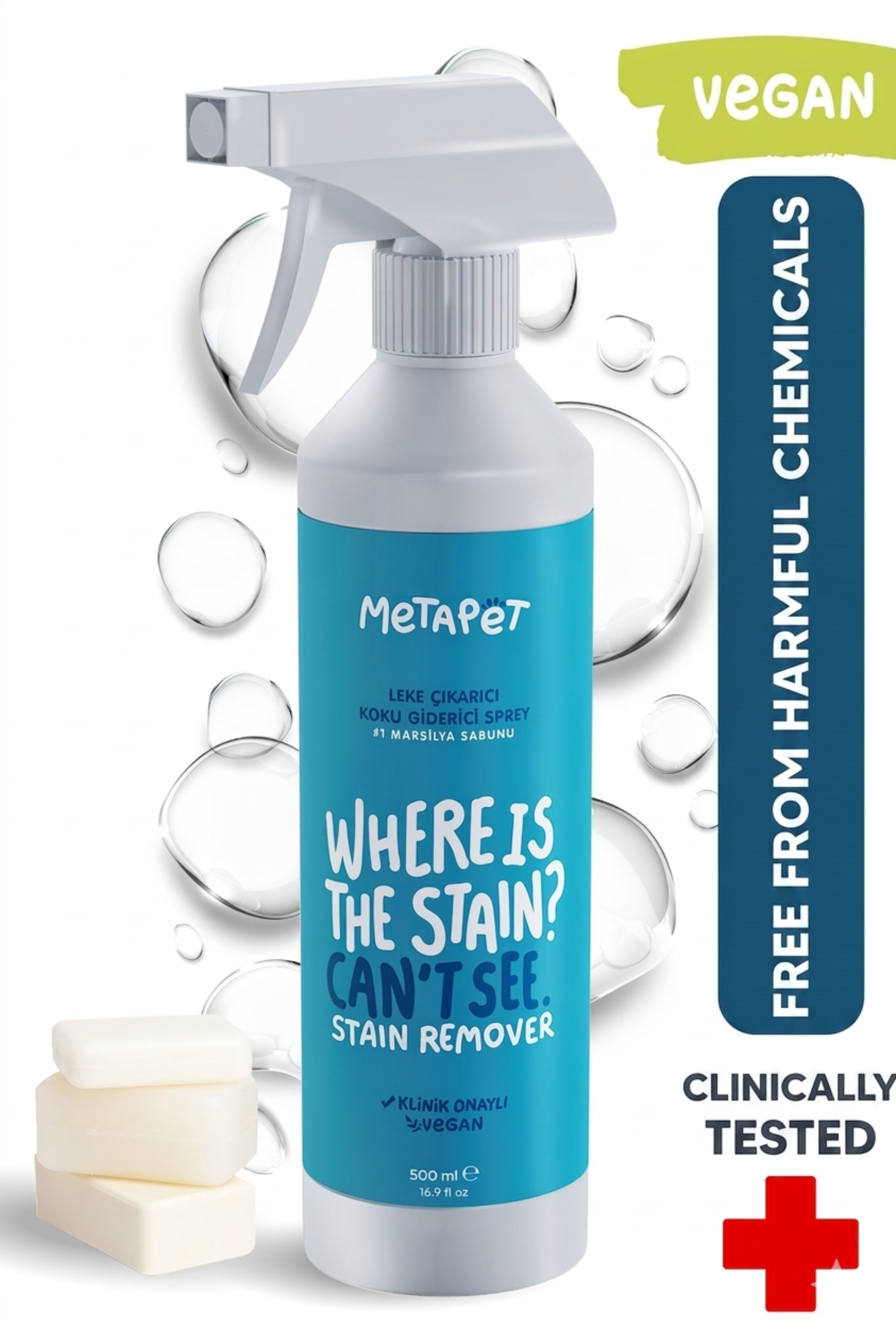
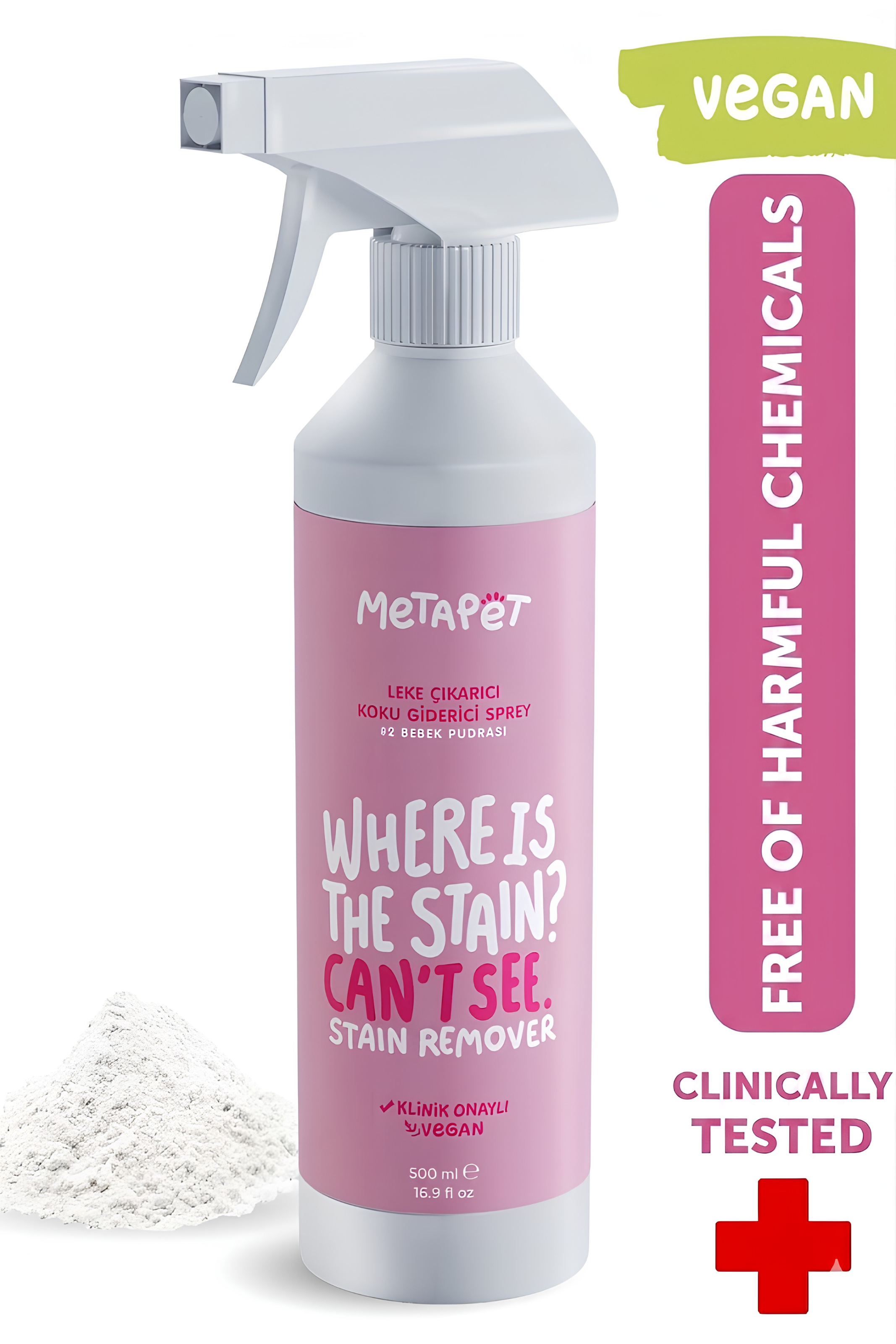
The MetaPet Where Is The Stain? Pet Stain Remover and Deodorizer Spray is designed for carpets, sofas, clothing, and other washable household surfaces. It is formulated to help lift tough pet marks such as urine, vomit, faeces, and muddy paw prints while helping absorb odours and leaving a fresh scent. Shake well, spray onto the area, wait briefly, and wipe with a clean, slightly damp cloth. Always test a small hidden area first, and keep pets away from treated areas until they are dry, as the label directs.
- Old or deep carpet stains: may need repeated cleaning over several days.
- Removable rugs: check the care label; many can be washed, which is often the most effective option.
- Persistent smells: if odour remains after several attempts, the underlay may be saturated, and professional cleaning or replacing that section may be needed.
Sofas, Mattresses, and Upholstery
Upholstery needs a gentle approach because foam cushions absorb liquid deeply and dry slowly.
- Remove covers if they are washable and launder them according to the care label.
- Blot the cushion or mattress thoroughly, pressing firmly with dry towels.
- Apply a suitable cleaning product, testing on a hidden area first.
- Dry thoroughly: stand cushions on their edge in a well-ventilated room or near a fan. Damp foam can develop a musty smell.
- Protect while re-training: use waterproof covers or washable throws while you work on the underlying cause.
Hard Floors: Wood, Laminate, and Tile
On hard floors, urine left for long periods can seep into gaps, stain wood, and damage finishes. Wipe up accidents as soon as you find them.
- Wood and laminate: blot quickly, clean with a product suitable for your floor type, and dry immediately. Avoid excess water, which can cause swelling. Dark stains in wood that do not lift may need professional refinishing.
- Tile and stone: wipe the surface, then pay attention to grout, which is porous. A soft brush can help work cleaner into grout lines.
- Skirting boards and walls: cats that spray and male dogs that lift a leg may leave marks at vertical surfaces, so check the lower walls, door frames, and furniture legs too.
Bedding, Clothes, and Soft Toys
Rinse items in cool water first to remove as much urine as possible, then wash according to the care label. Adding an extra rinse cycle can help. Check that the smell has gone before drying, because tumble drying can set remaining odour. Air drying outdoors is a good option when possible. Our guide to washing pet bedding and toys has more detail.
Finding Hidden and Old Stains
If your home smells of urine but you cannot find the source, an ultraviolet (UV) torch can help. Many dried urine stains glow under UV light in a darkened room. Mark the spots with removable tape or chalk so you can clean them in daylight. Be aware that some other substances also glow, so confirm with your nose before cleaning.
Common hidden spots include corners behind furniture, under beds, beside doors, near litter boxes, on curtains, and on bags or clothes left on the floor.
Vomit, Faeces, and Muddy Paws
- Vomit: remove solids with a paper towel or scraper, blot, then clean the remaining mark.
- Faeces: wear gloves, remove as much as possible without pushing it into fibres, then clean and deodorise the area.
- Muddy paw prints: let mud dry first on carpets, then vacuum before cleaning any remaining mark.
Wash your hands after cleaning up after any pet accident.
Stopping Repeat Accidents
Cleaning is only part of the solution. To reduce repeat accidents, address the reason behind them.
- Rule out medical causes first with a veterinary check.
- Reinforce house-training for dogs, with frequent outings and rewards for toileting outside.
- Review litter box set-up for cats: number of boxes, location, cleanliness, and litter type all matter.
- Change how the spot is used: placing a food bowl, bed, or toys in a previously soiled area can make it feel less like a toilet.
- Restrict access temporarily to problem areas while you retrain.
- Never punish: punishment increases stress and often makes accidents more hidden rather than less frequent.
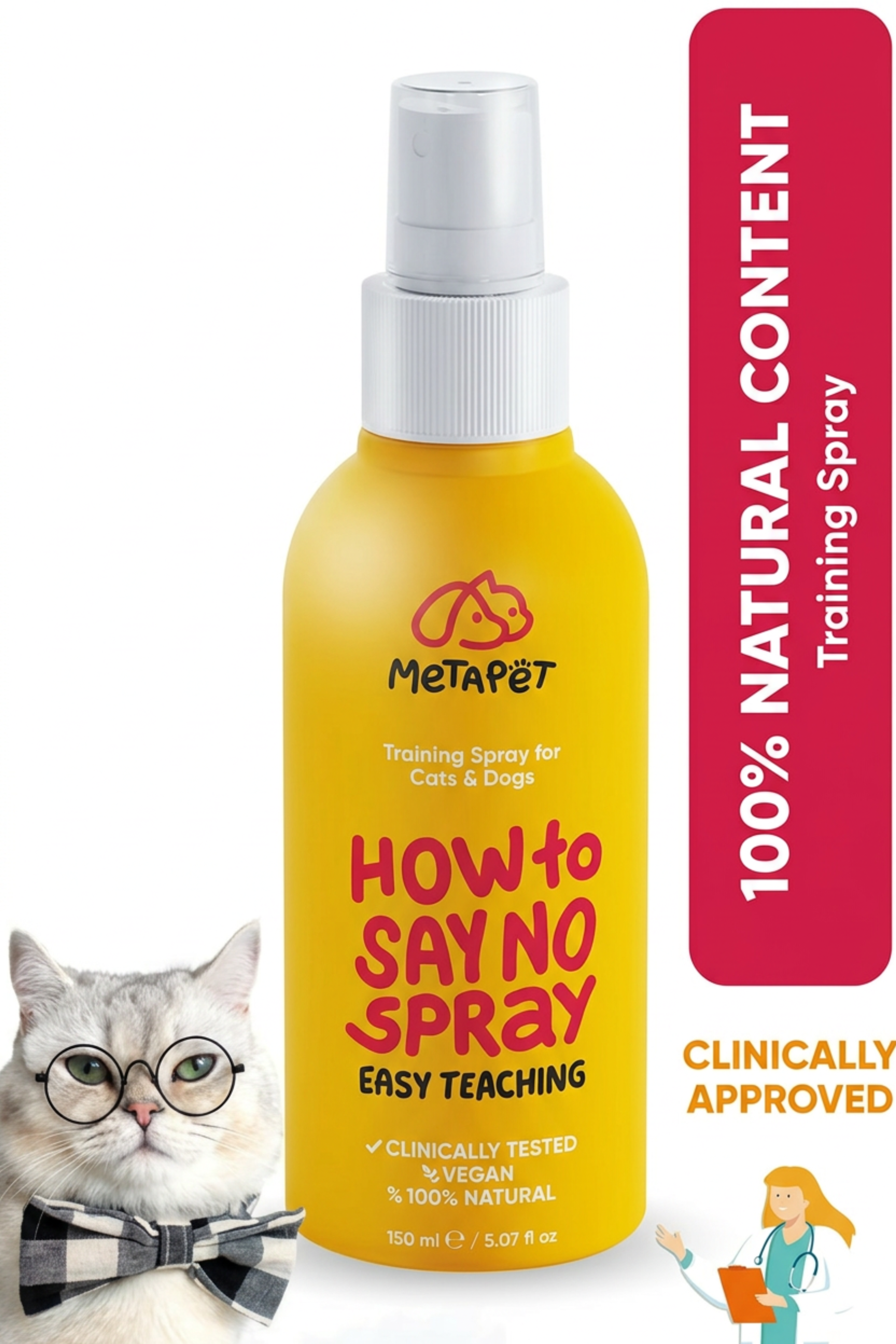
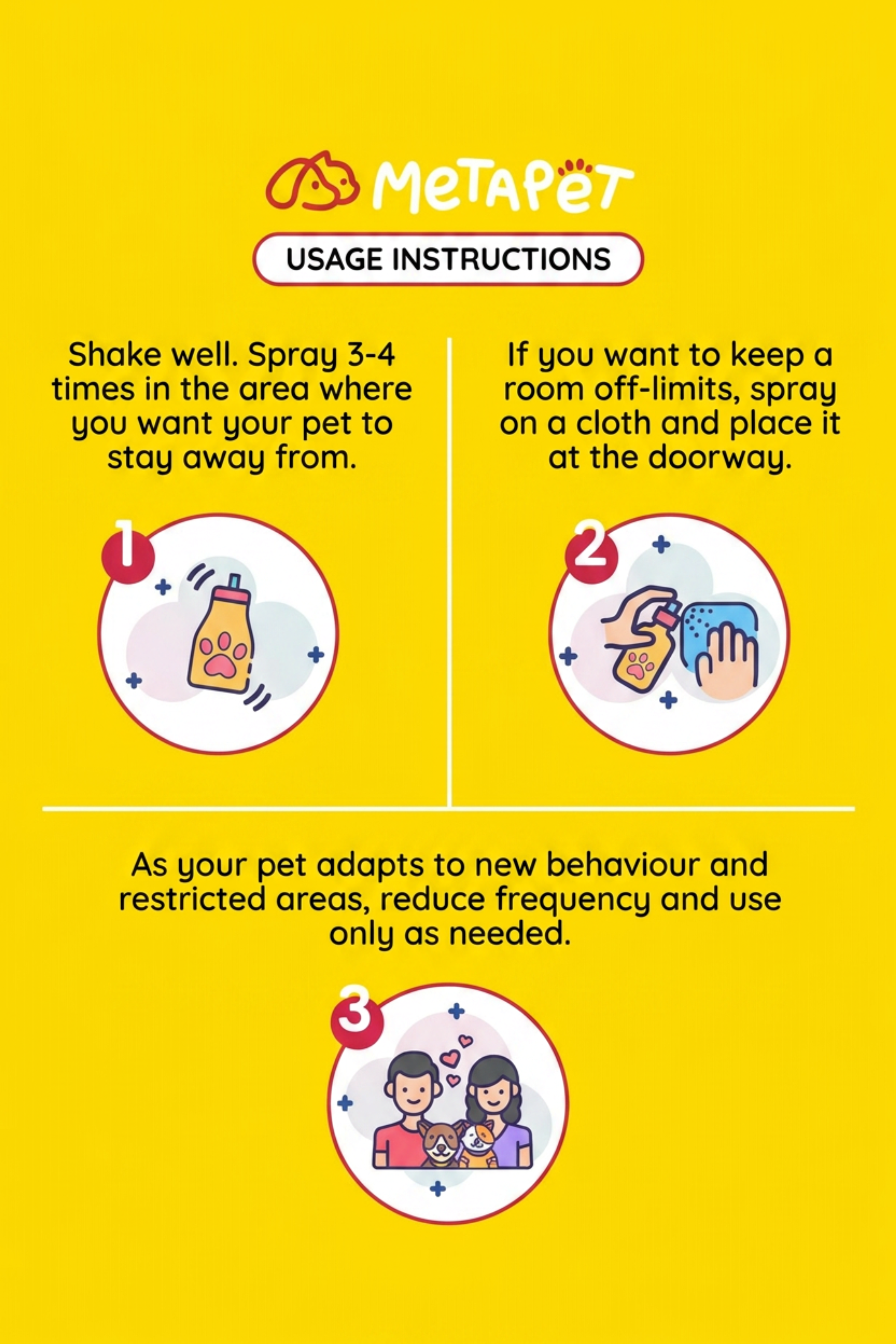
For furniture and areas you want your pet to avoid while re-training, the MetaPet How to Say No Pet Training Spray is designed as a gentle signal to help guide pets away from off-limits surfaces. It is a training aid that works best alongside positive training and addressing the underlying cause, not as a stand-alone fix.
Protecting Your Home in Advance
If you are house-training a puppy, caring for an older pet, or helping a cat through a litter box problem, a few preparations can save a lot of cleaning.
- Waterproof covers: use them on mattresses, sofa cushions, and pet beds so accidents stay on a washable layer.
- Washable rugs and runners: choose ones that fit in your washing machine for areas where accidents are more likely.
- A cleaning kit within reach: keep paper towels, old cloths, gloves, a pet stain product, and a bag for soiled materials together so you can act immediately.
- A predictable routine: take dogs out after waking, after meals, after play, and before bed; for cats, scoop litter at least daily.
- Night-time plans for seniors: a late last trip outside, easy access to the garden, or an extra litter box near where an older cat sleeps can reduce night accidents.
- Record accidents: note the time, place, and circumstances. Patterns often reveal the cause and are helpful information for your veterinarian.
Most importantly, stay patient. Accidents are rarely deliberate, and a calm, consistent approach helps pets relearn good habits faster.
When Accidents Mean a Veterinary Visit
A sudden change in toilet habits is often a sign that something is wrong. Contact your veterinarian if your pet:
- Starts having accidents after being reliably house-trained or litter-trained.
- Urinates more often, in larger amounts, or drinks much more than usual.
- Strains, cries, or passes only small amounts of urine, or has blood in the urine.
- Is a male cat straining in the litter box with little or no urine: this can be a urinary blockage and is an emergency.
- Is older and seems confused or restless, or has stiff joints that make getting outside or into the litter box difficult.
Urinary infections, bladder stones, kidney disease, diabetes, arthritis, and age-related cognitive changes are just some of the medical reasons behind indoor accidents. Stress, conflict with other pets, and changes in the home can also play a role. Our guides to house-soiling in adult dogs and litter box problems in cats explore these causes further.
The Takeaway
Pet urine stains are easiest to remove when you act fast: blot thoroughly, avoid ammonia and heavy fragrances, use a suitable pet stain and odour product after a patch test, and dry the area well. Finding hidden stains with a UV torch and addressing the reason behind accidents helps stop repeat visits. Cleaning products help keep your home fresh, but they complement rather than replace veterinary care, so if toilet habits change suddenly, check in with your veterinarian first.