Camping With Your Dog: A Complete Safety and Prep Guide

A dog by the campfire is one of the great pleasures of outdoor life. It is also a logistical project. Away from home, your dog faces heat without air conditioning, water of unknown quality, wildlife with strong opinions, terrain that punishes soft paws, and a veterinary clinic that may be two hours down a gravel road.
None of that should keep you home — it just means preparation does the heavy lifting. This guide covers how to decide whether your dog is a good candidate, what to pack, how to manage heat, water, ticks, and wildlife, campsite manners that keep you welcome, and the emergency planning that turns a bad moment into a manageable one.
Important: This article shares general educational information for pet owners and is not a substitute for an in-person veterinary examination, diagnosis, or treatment. For any medical concern or emergency, contact your veterinarian promptly.
Is Your Dog Ready for Camping?
Camping suits some dogs beautifully and stresses others badly. Be honest about the individual in front of you rather than the dog you imagine having by the fire.
- Good candidates: dogs with solid recall and leash manners, comfortable around strangers and other dogs, physically fit for the planned activity, and able to settle in new environments.
- Think twice for: flat-faced breeds, who struggle with heat and exertion; very young puppies before their vaccine series is complete; senior dogs with arthritis or heart conditions; dogs with severe anxiety or reactivity; and dogs with no recall in an off-leash-adjacent world.
- Build up first: if your dog has never slept outside the house, try a backyard tent night, then a single overnight close to home before a week in the backcountry.
- Fitness matters: a dog that walks twenty minutes a day is not ready for a ten-mile trail day. Increase distance gradually over weeks.
Schedule a veterinary check-up before a big trip, especially the first one. It is the right moment to confirm vaccinations are current, discuss region-specific risks — ticks, snakes, waterborne organisms, heartworm — and make sure parasite prevention covers where you are going. Many campgrounds also require proof of rabies vaccination.
The Packing List
Pack your dog's gear in its own bag so nothing is forgotten at 5 a.m. Redundancy matters more outdoors than at home: bring two leashes, extra water, and spare bags.
- Food and water: more food than usual, since activity raises calorie needs, plus dedicated water and collapsible bowls.
- Identification: collar with legible tags, current microchip registration, and a recent photo on your phone.
- Leashes: a standard six-foot leash for walking plus a long line or tie-out for the campsite, never a retractable lead in wooded terrain.
- Sleeping setup: a pad or bed to insulate from cold ground, plus a blanket or dog coat for cool nights.
- First aid: vet wrap, gauze, adhesive tape, saline for flushing eyes and wounds, tweezers, a tick remover, blunt scissors, and any prescribed medications.
- Cleanup: plenty of waste bags, plus towels and wipes for muddy paws and post-swim coats.
- Light and visibility: a lighted or reflective collar for after-dark bathroom trips.
- Comfort items: a familiar toy and blanket that smell like home help anxious dogs settle.
Also carry copies of vaccination records and the phone number and address of the nearest veterinary emergency clinic to your campsite. Look it up before you lose cell service.
Heat: The Number One Outdoor Risk
Heat-related illness is the most common serious problem on warm-weather trips. Dogs cool themselves mainly by panting, which becomes inefficient in high heat and humidity, and a tent or parked car turns into an oven with frightening speed.
- Time activity for early morning and evening; rest in shade during the hottest hours.
- Never leave a dog in a parked vehicle, even briefly, even with windows cracked.
- Never leave a dog in a closed tent in the sun — tents heat up much like cars.
- Offer water constantly, not just at mealtimes, and stop for water breaks on trail.
- Watch the ground: if you cannot hold the back of your hand on the surface for several seconds, it is too hot for paws.
- Know the warning signs: heavy panting that does not slow with rest, bright red or very pale gums, thick drool, wobbliness, vomiting, or collapse.
Suspected heatstroke is an emergency. Move the dog to shade, offer small amounts of cool water if alert, wet the coat with cool — not ice-cold — water especially on the belly, groin, and paws, and get to a veterinarian immediately. Dogs can look better temporarily while internal damage continues, so complete the trip to the clinic.
Water: Drinking, Swimming, and What's In It
Natural water is rarely as clean as it looks. Lakes, ponds, and slow streams can harbor organisms and toxins that make dogs seriously ill. Blue-green algae blooms, which can look like green paint, scum, or foam on the surface, are particularly dangerous and can affect dogs rapidly after drinking or swimming.
- Bring your own water and offer it often so your dog is not motivated to drink from puddles and stagnant pools.
- Avoid any water with discoloration, scum, or foam, and rinse your dog after swimming in unfamiliar water.
- Watch currents: rivers and lake drop-offs tire dogs quickly. Use a canine life jacket for boating or deep water, even for strong swimmers.
- Beware salt water: drinking sea water causes serious illness; offer fresh water frequently at the coast.
- Rinse and dry ears after swimming, since trapped moisture invites ear problems.
- Watch for water intoxication in dogs that repeatedly retrieve from water and swallow large amounts — signs include bloating, wobbliness, and vomiting.
If your dog drinks from questionable water and later develops vomiting, diarrhea, weakness, tremors, or collapse, seek veterinary care urgently and mention the exposure.
Ticks, Fleas, and Other Hitchhikers
Wooded and grassy areas mean ticks, and ticks transmit several diseases in dogs. Talk to your veterinarian well before the trip about parasite prevention appropriate for your destination and season, and start it early enough to be effective.
- Check your dog thoroughly at least once a day, running fingers through the coat and paying attention to ears, neck, armpits, groin, between toes, and under the tail.
- Remove attached ticks promptly with fine tweezers or a tick removal tool, grasping close to the skin and pulling steadily straight out.
- Clean the area afterward and wash your hands.
- Note the date and location; if your dog later develops lameness, fever, or lethargy, tell your veterinarian about the tick.
- Do not use folk removal methods like matches or petroleum jelly.
- Continue prevention year-round as your veterinarian recommends, since tick activity extends well beyond summer in many regions.
Also inspect for foxtails and grass awns in paws, ears, and armpits after walks in dry grassland — these barbed seeds burrow into skin and often require veterinary removal.
Wildlife and Trail Encounters
Your dog's nose will find wildlife long before your eyes do. The leash is your primary safety tool, and in most parks it is also the law.
- Keep dogs leashed on trails and at camp; a dog that chases wildlife can be lost, injured, or lead a defensive animal back to you.
- Skunks and porcupines are common evening encounters. Quills require veterinary removal — never pull them at home.
- Snakes bask on warm rocks and trails; keep dogs out of brush and rock piles and treat any suspected bite as an emergency.
- Store food securely, including dog food, in vehicles or approved containers so you do not attract bears and raccoons to camp.
- Bag and pack out waste, which protects water sources and other animals.
- Never let a dog approach wildlife carcasses, which can carry disease and toxins.
At night, keep your dog inside the tent or vehicle with you rather than tied outside. It is safer, warmer, and dramatically quieter for your camping neighbors.
Campsite Manners
Dog-friendly campgrounds stay dog-friendly because of well-managed dogs. A few habits keep everyone welcome.
- Check rules first: leash length limits, restricted trails, and quiet hours vary widely by park and campground.
- Manage barking: a dog that barks all evening is the fastest route to a complaint. Use enrichment, exercise, and a settled spot near you.
- Never leave a dog unattended at a campsite, tied or crated.
- Respect distance: not everyone loves dogs, and other dogs may be reactive. Keep your dog close as people pass.
- Pick up every time, including at the site perimeter and on trail.
- Bring a settle mat and reward calm behavior — a dog with a designated place relaxes better than one wandering the site.
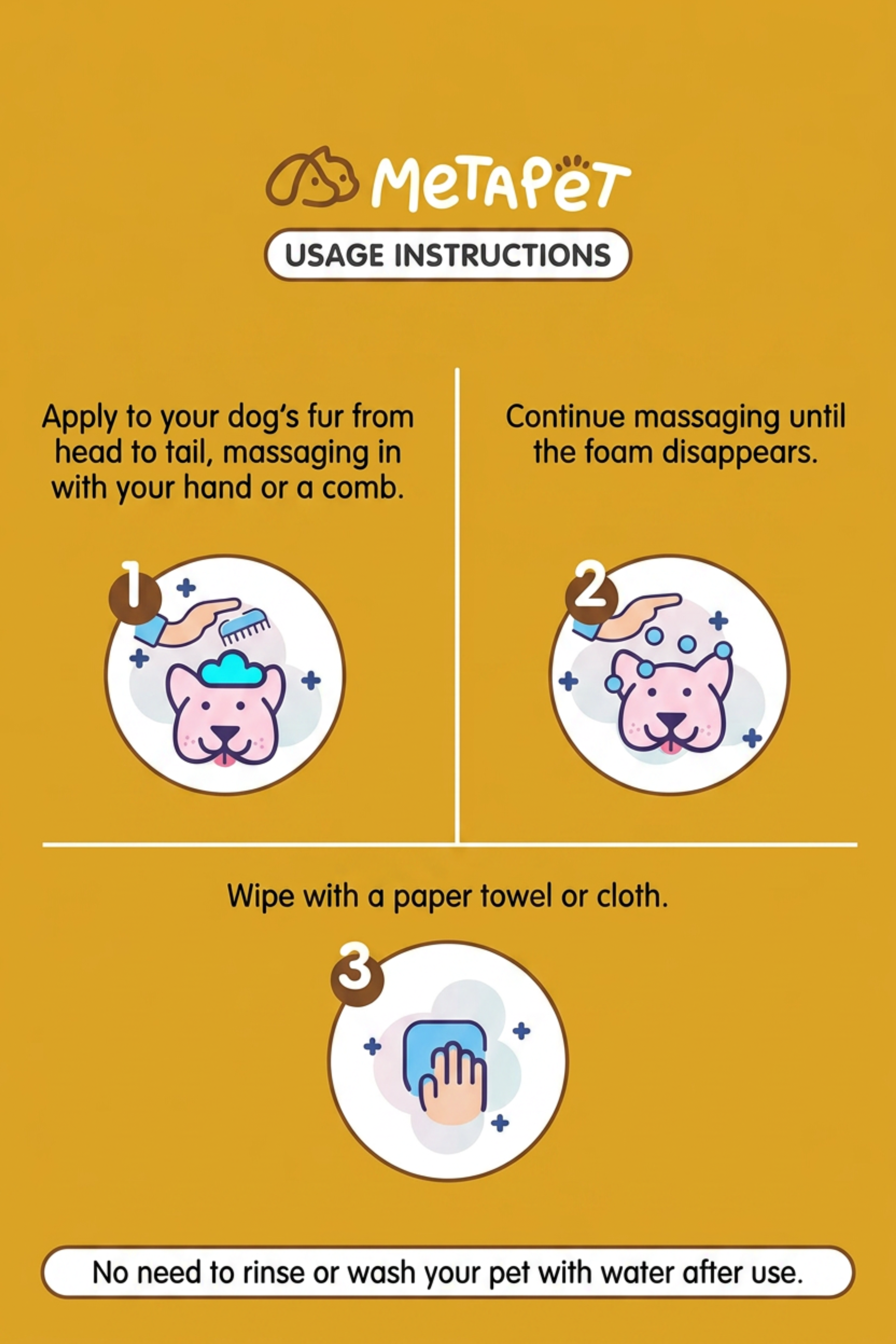
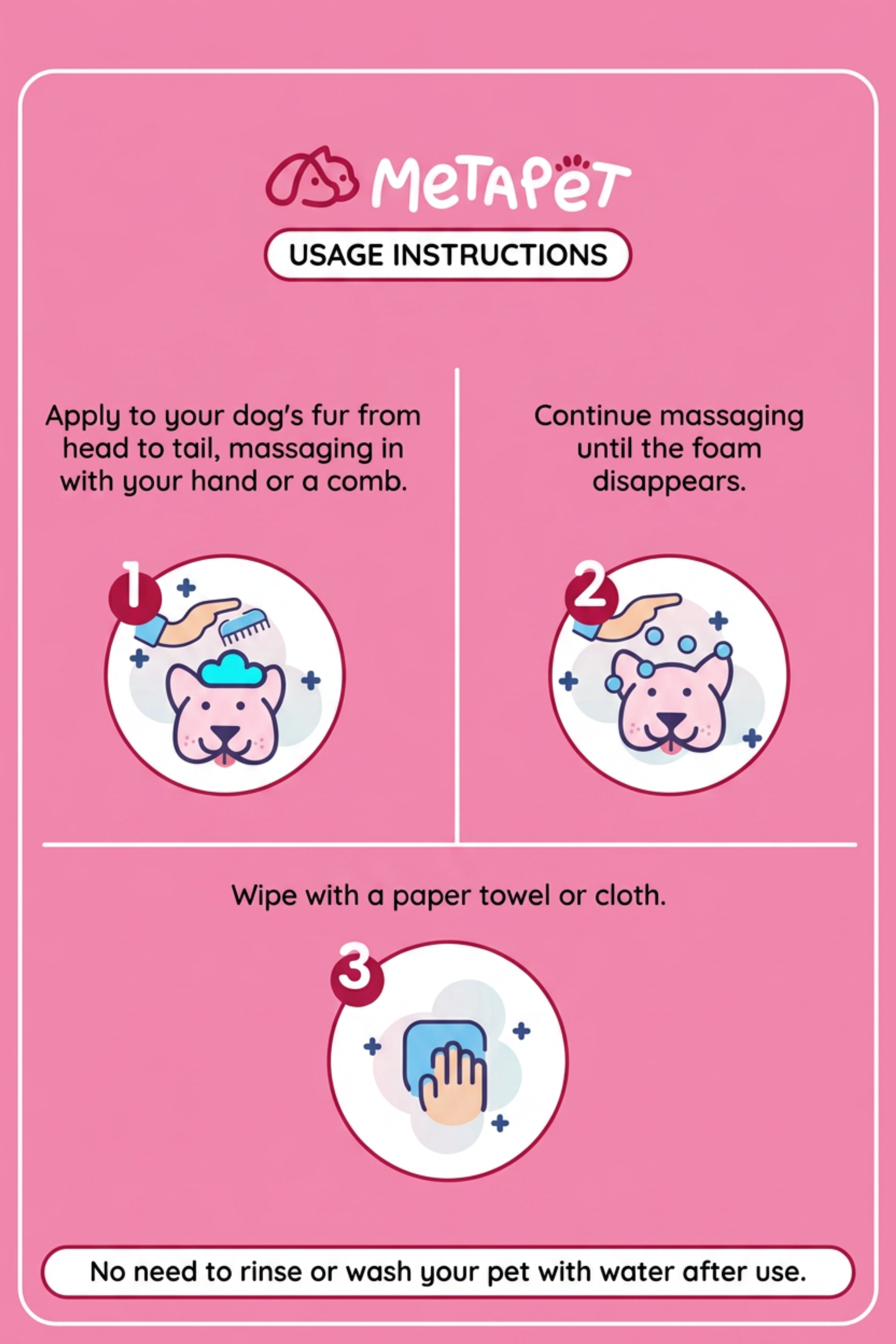
Bring a towel and a plan for muddy paws before your dog jumps in the tent. A quick paw rinse or a wipe-down at the door keeps sleeping bags survivable, and a rinse-free foam cleaner made for pets can simplify cleanup when water is scarce — these are grooming conveniences for comfort and cleanliness, not treatments for skin or paw problems.
Emergency Planning
Cell service is optional in the outdoors; planning is not. Before you leave, write down the name, address, and phone number of the closest veterinary clinic and the nearest 24-hour emergency hospital to your destination, and save offline maps to both.
- Know the basics: how to control bleeding with direct pressure, how to safely muzzle an injured dog if needed, and how to carry a dog that cannot walk.
- Pack for evacuation: for larger dogs, a sturdy blanket can serve as an improvised stretcher for two people.
- Save a poison control number for animals in your phone contacts.
- Watch for limping and pad injuries; torn pads on rocky terrain are a frequent trip-ender.
- Recognize red flags: difficulty breathing, collapse, seizures, uncontrolled bleeding, suspected snake bite, bloated abdomen with retching, or heatstroke signs all mean go now.
A pet first aid course is genuinely useful for regular campers, but nothing in a kit replaces professional care — the kit buys time to reach it.
Frequently Asked Questions
Can my dog sleep outside the tent?
It is safer to keep your dog inside with you. Outside, dogs are exposed to temperature swings, wildlife, and tangling on tie-outs, and they are far more likely to bark through the night.
How much extra water should I bring?
Plan generously and carry more than you think you need for both of you, and refill at every opportunity. Active dogs in warm weather drink considerably more than they do at home.
Are dog boots worth it?
On hot sand, sharp rock, or ice, yes — if your dog is conditioned to wear them beforehand. Introducing boots for the first time on the trail rarely goes well.
What if my dog gets loose?
Current ID tags and up-to-date microchip registration are the two things that most often reunite lost dogs. Notify the campground office and local shelters immediately, and search the campsite itself first — many dogs return to the tent.
The Bottom Line
Camping with a dog rewards preparation. Confirm your dog is a good fit, pack redundantly, respect heat and water, check for ticks daily, keep the leash on, and know exactly where the nearest emergency clinic sits before you drive out of signal.
- Before you go: veterinary check-up, current parasite prevention, ID and microchip verified, emergency clinic saved offline.
- On site: leash on, water always, shade during peak heat, never left alone, food stored securely.
- Every night: full tick check, paw inspection, dog sleeping inside with you.
- Emergency signs: heatstroke, snake bite, collapse, breathing trouble, or uncontrolled bleeding — go to a veterinarian immediately.