Body Odor in Dogs and Cats: What a Smell Can Mean

Every pet has a natural, familiar scent, and living with a dog or cat means getting used to it. But when a new, strong, or unpleasant odor develops — or when a fresh bath barely makes a dent in the smell — that odor is often more than a cosmetic nuisance. In many cases, a distinctive smell is one of the earliest clues that a specific part of the body needs attention.
The nose is a surprisingly good diagnostic tool. Veterinarians routinely use their sense of smell as part of an examination, because different problems tend to produce different, recognizable odors. Learning what various smells can point to helps you decide whether your pet simply needs a bath or whether a call to the veterinarian is in order.
This guide walks through the common sources of body odor in dogs and cats, what particular smells often indicate, the grooming habits that keep pets fresh, and the warning signs that mean an odor is a symptom rather than a hygiene issue.
Important: This article shares general educational information for pet owners and is not a substitute for an in-person veterinary examination, diagnosis, or treatment. For any medical concern or emergency, contact your veterinarian promptly.
Odor Is a Signal, Not Just a Nuisance
It is worth reframing pet odor from a simple annoyance into a piece of information. A healthy dog or cat on a good diet, with clean skin, ears, mouth, and coat, generally has only a mild, neutral smell. When the odor changes or intensifies, the body is usually telling you that the balance has shifted somewhere — on the skin, in the ears, in the mouth, or elsewhere.
This is especially true when a smell returns quickly after bathing. A bath washes away surface odor, so if the smell comes right back, the source is likely ongoing and internal to the skin, ears, or another system rather than just dirt on the coat. Paying attention to where the smell is strongest and what it smells like gives you and your veterinarian a helpful starting point.
The Skin and Coat
The skin is the largest organ and one of the most common sources of odor. A warm, musty, or yeasty smell coming from the skin or coat often reflects an imbalance of the microorganisms that normally live there in small numbers. Skin folds, the belly, the armpits, and the area around the tail can trap moisture and become smelly, particularly in wrinkled or heavy-coated breeds.
Underlying skin allergies are a frequent driver, because the inflammation and moisture they create set the stage for odor. A greasy coat, dandruff, or a smell paired with itching, redness, or hair loss suggests the skin itself needs care and, often, veterinary attention. Regular, appropriate grooming supports healthy skin and coat and helps keep everyday odor in check, but it does not replace treatment when a skin condition is present.
The Ears
The ears are a classic hidden source of odor, and a smell from the head is worth investigating at ear level. A yeasty or distinctly foul smell coming from one or both ears strongly suggests that the ear canal is irritated or infected. Because the ear canal is warm and enclosed, it can hold moisture and encourage the overgrowth of the yeast and bacteria that normally live there.
Ear odor usually travels with other signs such as head shaking, scratching at the ears, redness, or discharge. Floppy-eared and hairy-eared pets are especially prone to holding warmth and moisture. Keeping ears dry after baths and swimming helps, and any routine cleaning should use a vet-approved product and be limited to the outer ear. When an ear smells bad, a veterinary exam is the right step, since the cause needs proper identification.
The Mouth
Bad breath is so common that many owners assume it is just how pets smell, but persistent, strong mouth odor is usually a sign of dental disease. As plaque and tartar build up along the gum line and bacteria accumulate, the mouth can develop a noticeable smell long before other symptoms appear. Because dental disease is progressive and can affect comfort and overall health, mouth odor is worth taking seriously.
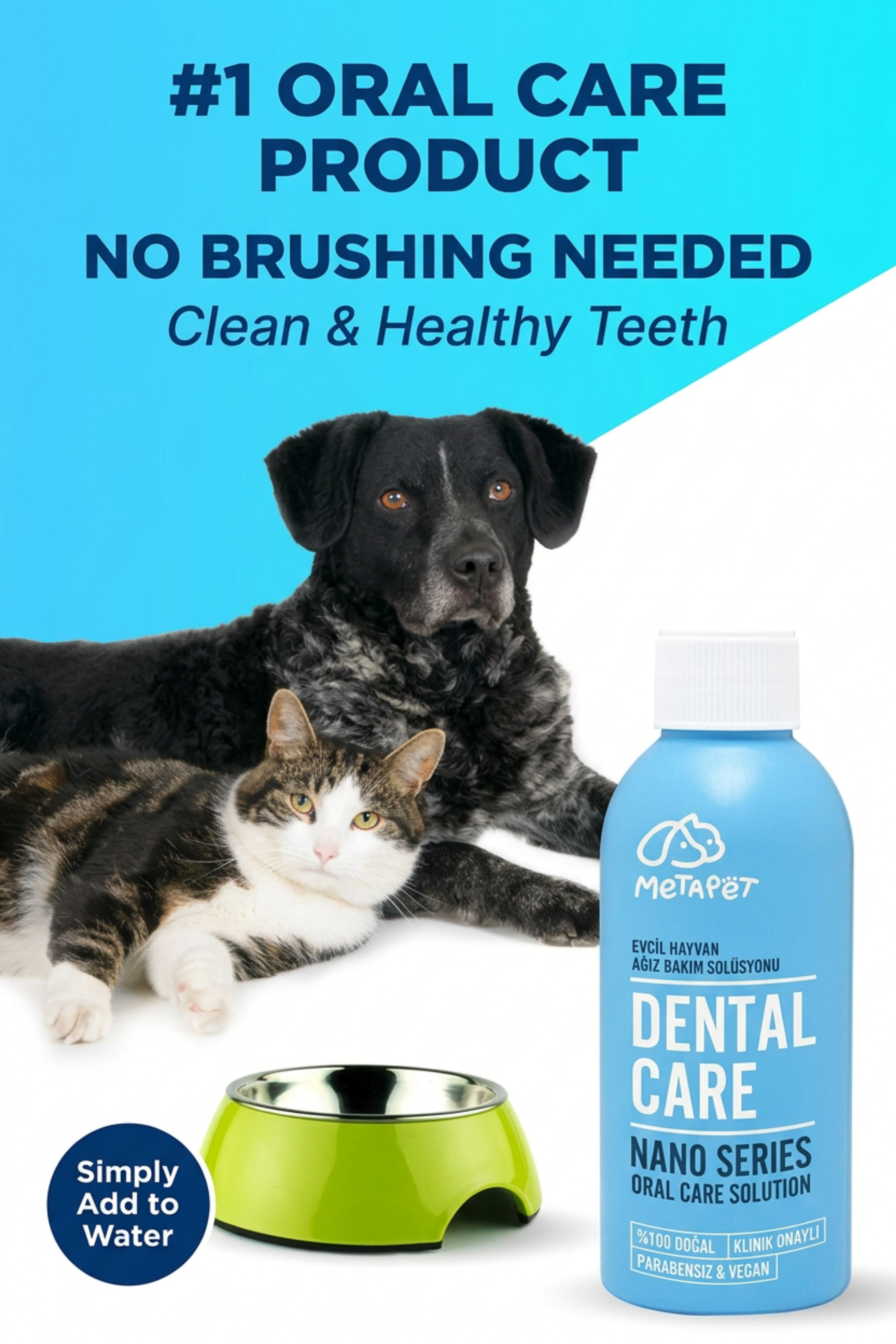
A daily home dental routine — such as brushing with a pet-appropriate toothpaste, offering suitable dental chews, or using a vet-recommended water additive — supports fresher breath and cleaner-looking teeth as part of a maintenance plan. These measures help keep the mouth in good everyday condition, but they complement rather than replace professional dental care. Sudden, severe, or unusual mouth odor, drooling, or difficulty eating should prompt a veterinary visit.
What Specific Smells Can Point To
While only a veterinarian can diagnose the cause, certain smells are associated often enough with particular areas that they are worth recognizing. Use these as clues about where to look, not as conclusions.
- A fishy smell. Often traced to the anal glands, especially when paired with scooting or licking under the tail.
- A yeasty, musty smell. Frequently comes from the skin, skin folds, or ears when the normal microbial balance is disturbed.
- A sweet or unusual breath odor. Persistent bad breath usually points to the mouth and dental disease; any sudden, striking change in breath smell deserves veterinary evaluation.
- A urine-like smell. Can suggest urinary issues or a coat soiled by urine, worth checking especially in older pets.
- A strong odor returning fast after a bath. Points to an ongoing source in the skin, ears, or elsewhere rather than surface dirt.
Everyday Grooming That Keeps Pets Fresh
For pets without an underlying medical problem, consistent grooming does most of the work of keeping odor at bay. The goal is regular, gentle maintenance rather than frequent harsh washing, which can dry and irritate the skin. A sensible routine, tailored to your pet's coat and lifestyle, supports a naturally fresh smell.
- Brush regularly. Brushing removes loose hair, dirt, and debris, distributes natural skin oils, and reduces the buildup that leads to odor.
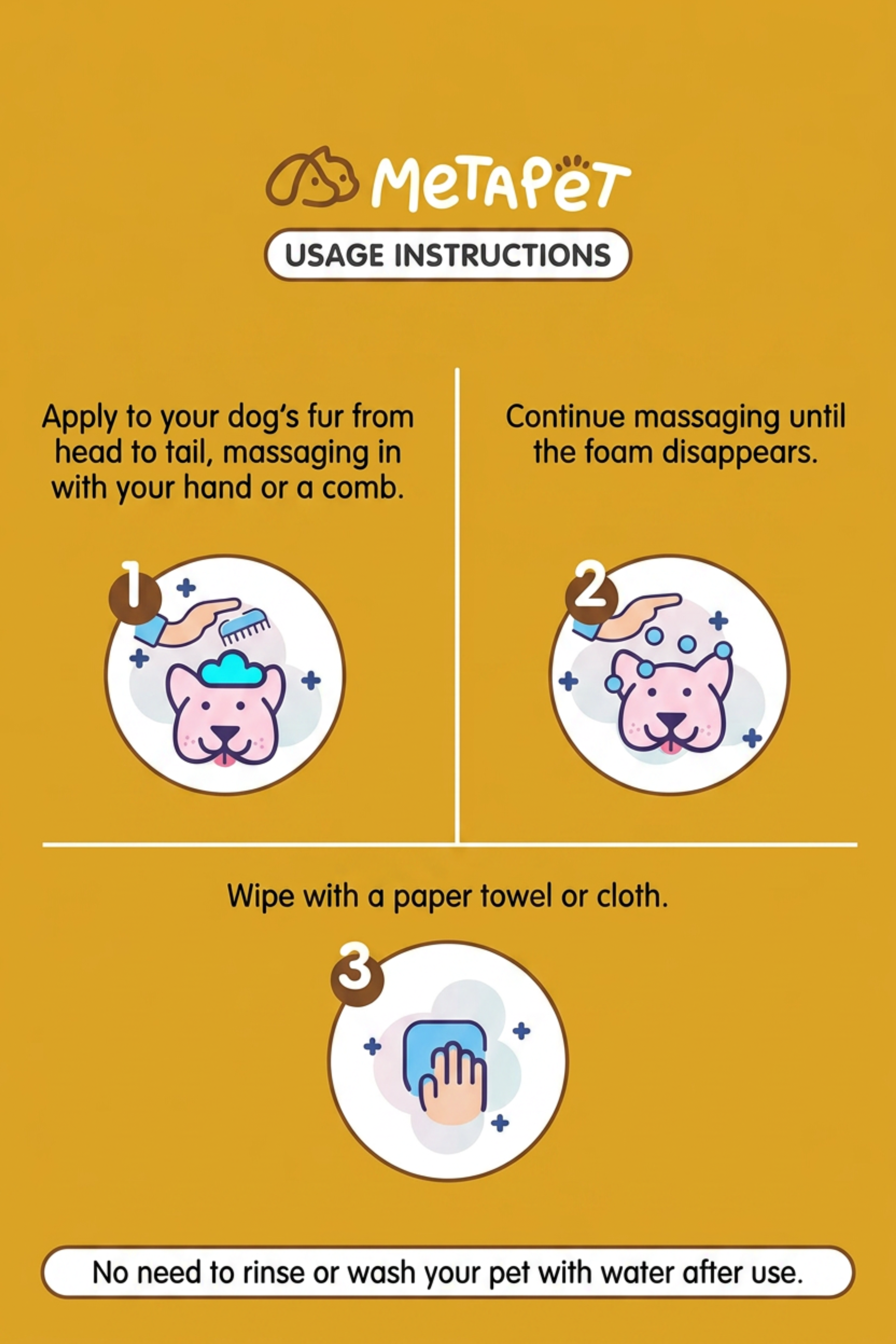
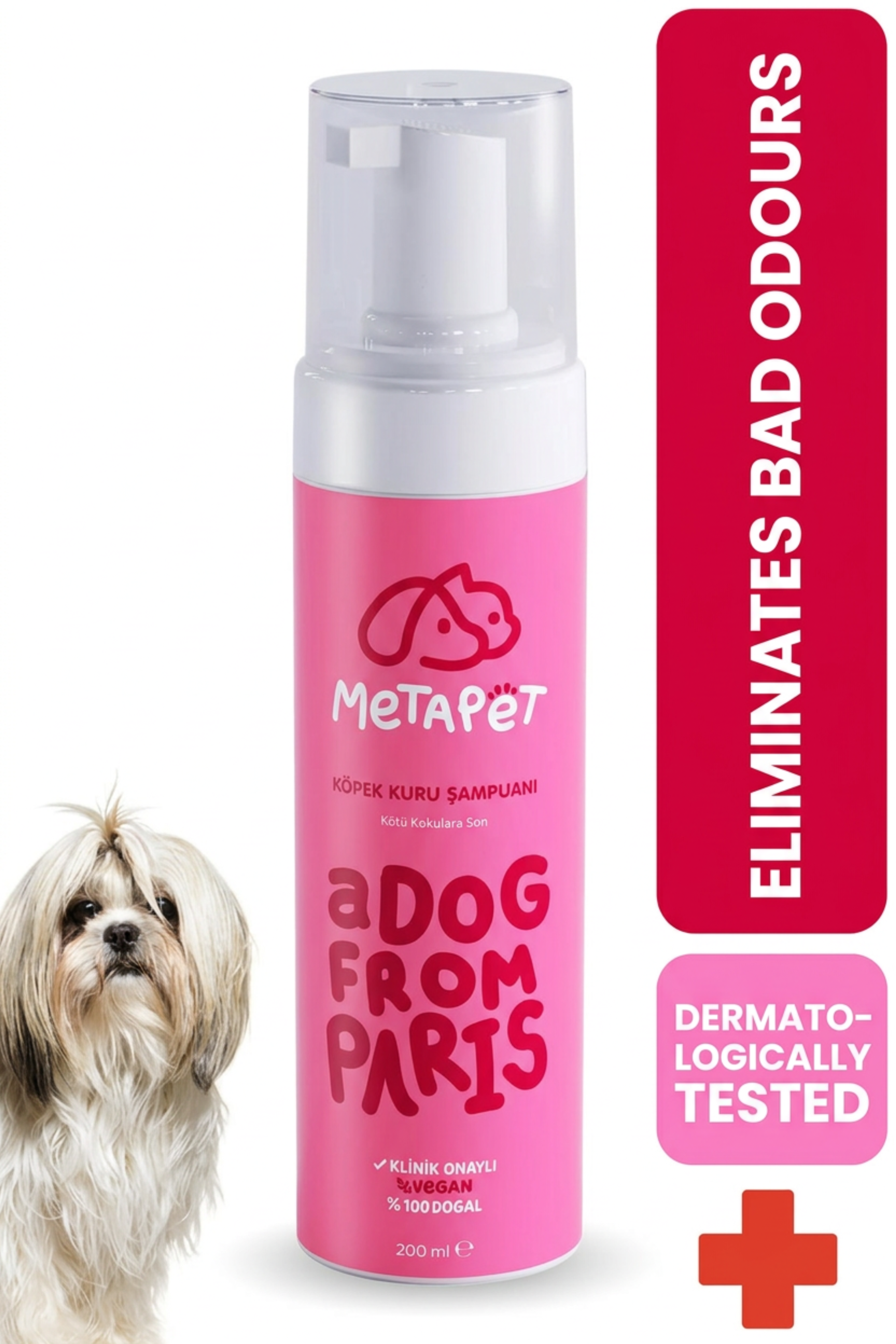
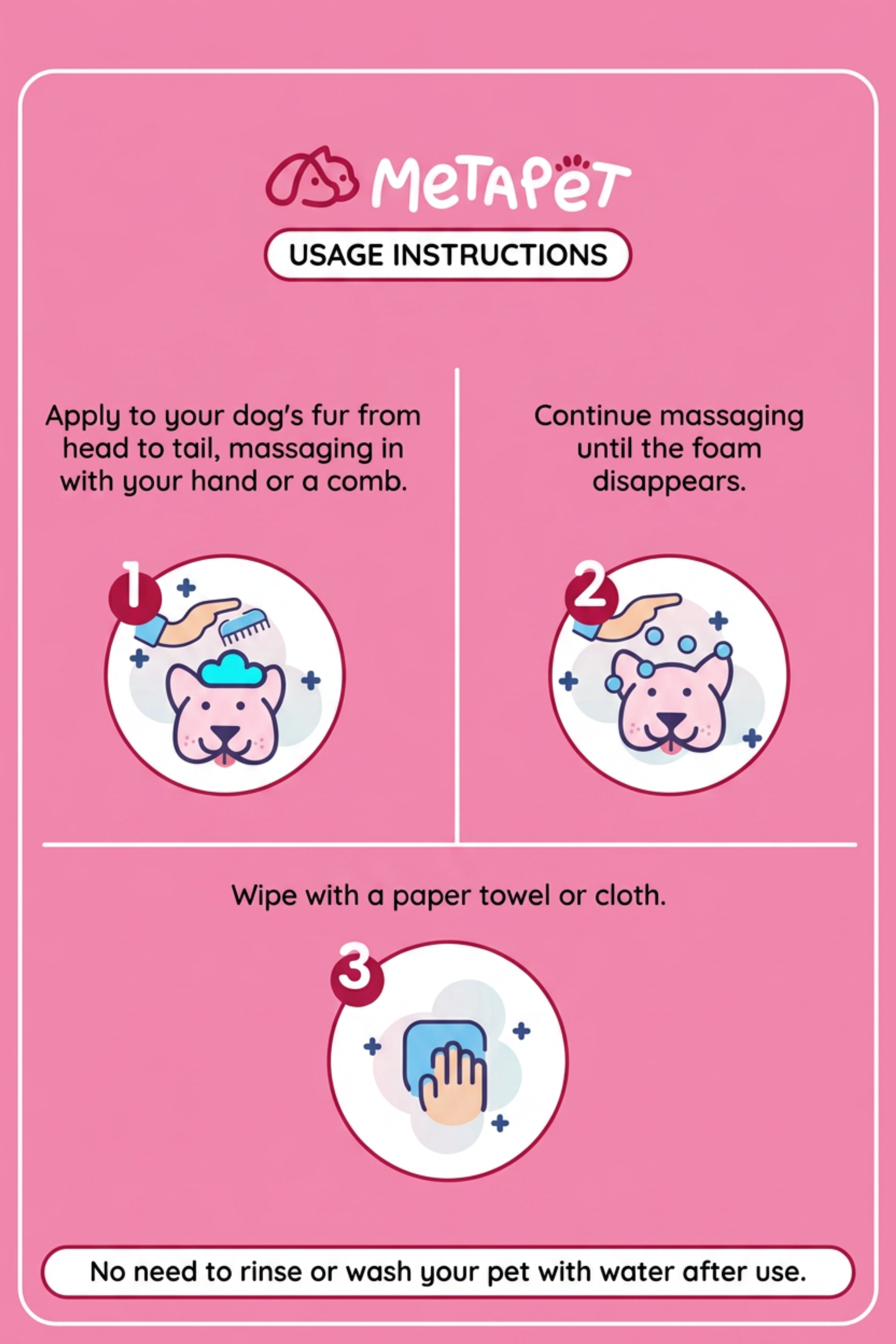
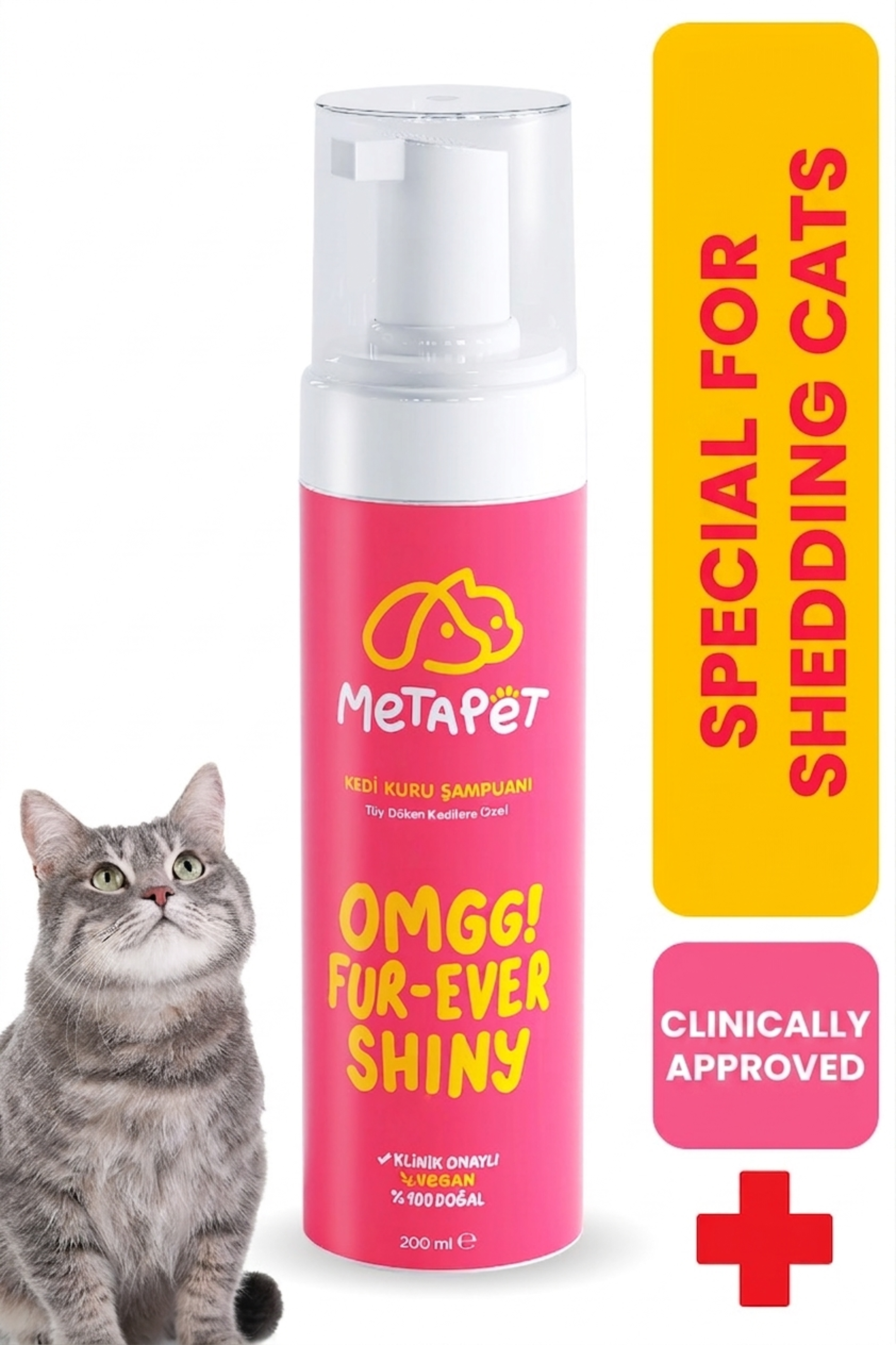
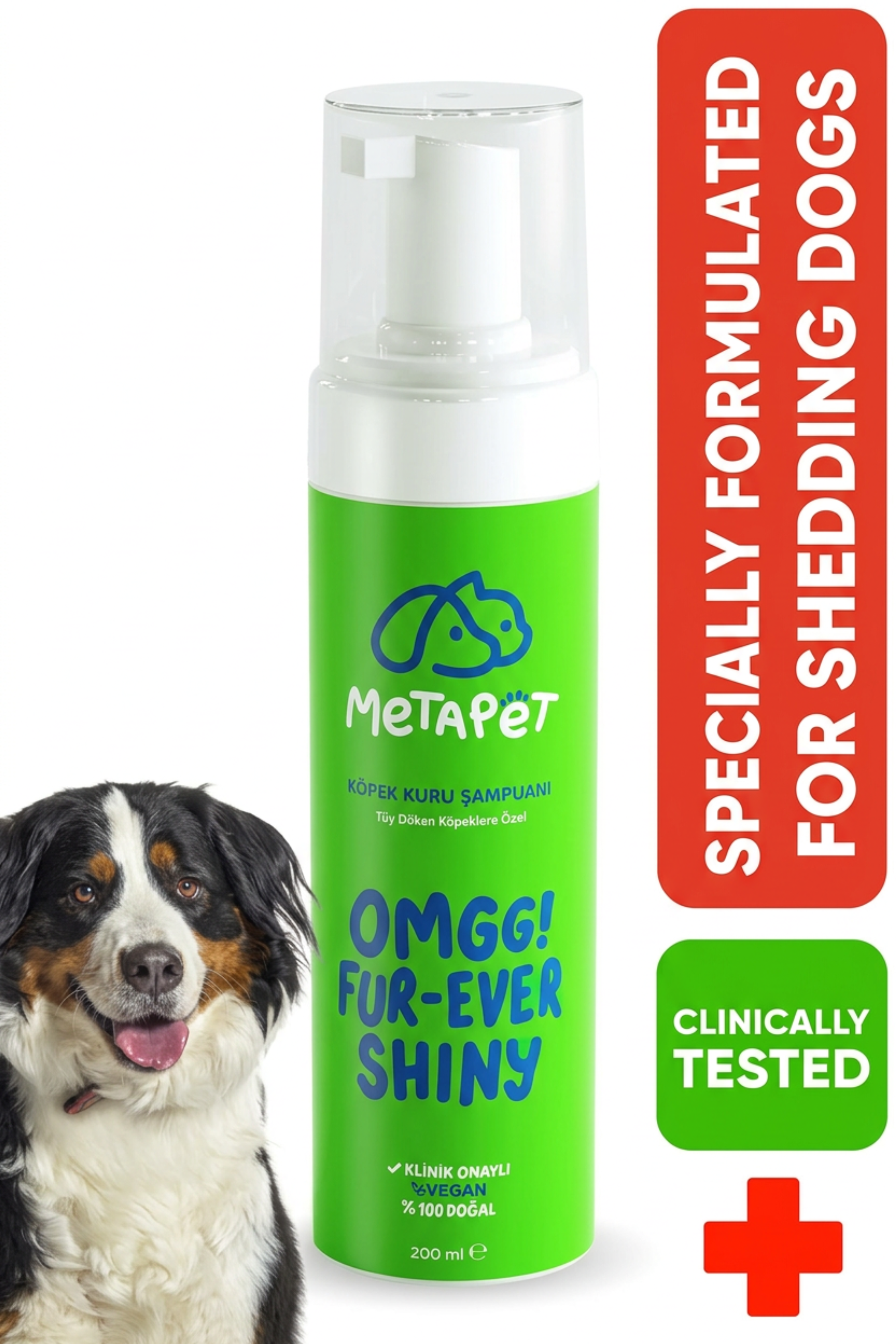
- Bathe appropriately. Use a gentle, pet-formulated shampoo at a frequency suited to your pet; between full baths, waterless foams or wipes can help freshen the coat.
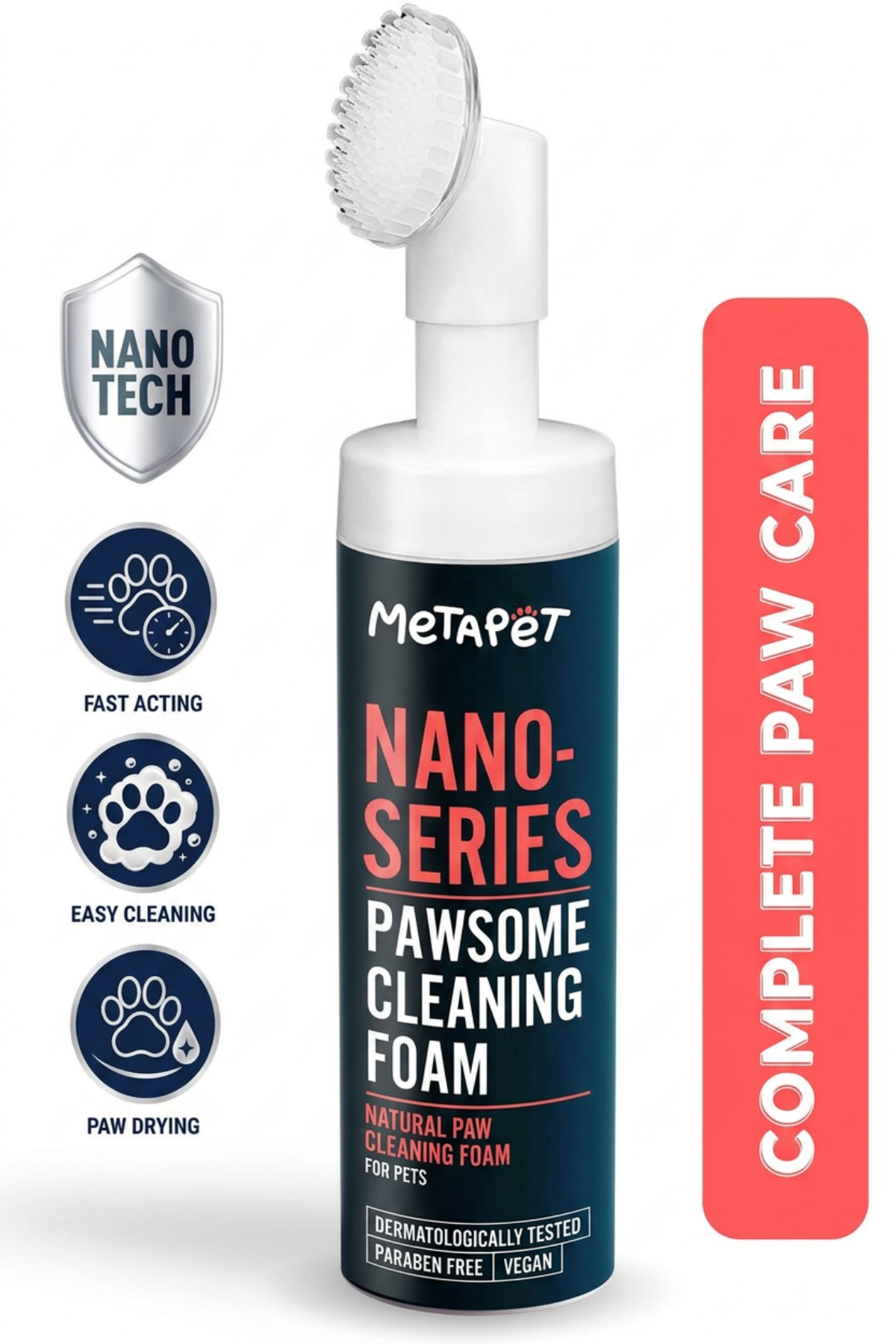
- Care for ears and paws. Keep ears dry and clean the outer ear as advised, and wipe paws after muddy walks to avoid trapped dirt and moisture.
- Keep bedding clean. Washing bedding and blankets regularly removes absorbed odors that can transfer back to your pet.
- Support the mouth. A daily dental routine keeps breath fresher and supports overall oral hygiene.
Grooming products are cosmetic aids that help pets look and smell clean as part of a routine; they are not treatments for skin, ear, or dental disease. When odor persists despite good grooming, the underlying cause needs veterinary attention.
Diet, Digestion, and Whole-Body Odor
Beyond the skin, ears, and mouth, a pet's overall smell is influenced by diet and digestion. A complete, balanced diet that agrees with your pet supports healthy skin, a well-conditioned coat, and firm, normal stools — all of which contribute to a neutral, pleasant everyday scent. When digestion is off, excessive gas and loose or foul-smelling stools can add to a general impression that a pet smells unpleasant, even when the skin itself is fine.
Flatulence that is frequent and strongly odorous, or a coat that becomes soiled by loose stool, can make an otherwise clean pet seem smelly. Rather than masking this with sprays, it is more productive to look at digestion. Your veterinarian can help you review the diet and rule out gastrointestinal issues, since the right dietary approach often improves both stool quality and the associated odor. As always, any dietary change is best made gradually and with professional guidance so it suits your pet's overall health.
It is also worth remembering that a healthy pet's natural scent is not something to eliminate entirely. The aim is not a perfumed animal but a clean, comfortable one whose smell has not changed in a way that signals a problem. Chasing an unnaturally scent-free pet with heavy products can irritate skin and mask useful warning signs, so gentle, appropriate care is the better path.
When Odor Means It Is Time to See the Vet
Because odor can be an early sign of conditions that are much easier to manage when caught promptly, a persistent or worsening smell that grooming does not resolve is a reason to see your veterinarian. Trust your nose, especially when the odor travels with other signs.
- A smell that returns right after bathing. This points to an ongoing source that needs diagnosis.
- Odor with itching, redness, or hair loss. These suggest a skin condition requiring care.
- A bad smell from the ears. Ear odor with head shaking or discharge warrants an exam.
- Persistent bad breath. Ongoing mouth odor usually reflects dental disease worth addressing.
- A fishy smell with scooting. This can indicate an anal gland problem.
- Any sudden, strong, or unusual odor. A marked change in your pet's normal smell deserves evaluation.
If a strong odor accompanies signs of illness such as lethargy, poor appetite, or a wound, contact your veterinarian promptly rather than waiting.
Frequently Asked Questions
My dog smells bad again a day after a bath. Why?
When odor returns quickly, the source is usually ongoing — often the skin or ears — rather than surface dirt. Frequent bathing will not fix an underlying skin or ear condition, so a veterinary exam is the better next step.
Is it normal for cats to smell?
Healthy cats are meticulous groomers and usually have very little odor. A cat that suddenly smells, or stops grooming and becomes unkempt, may be unwell and should be checked by your veterinarian.
Can I just use more perfume or spray to cover the smell?
Scented products may briefly mask odor, but they do not address the cause and can irritate some pets. It is better to identify why your pet smells, especially if the odor is persistent or paired with other signs.
How often should I bathe my pet?
It depends on the individual, coat type, and lifestyle; over-bathing can dry the skin. Your veterinarian or groomer can recommend a suitable frequency, and gentle maintenance between baths helps keep things fresh.
Your pet's smell is a form of communication. A little detective work about where and what the odor is — backed up by good grooming and, when needed, a veterinary visit — keeps your companion both fresher and healthier.