Apartment Living With a Dog or Cat: A Complete Guide

Apartments are perfectly good homes for dogs and cats. What they demand is more deliberate planning than a house with a garden, because the things a garden quietly solves — a quick toilet trip, a place to sniff, somewhere to burn off energy, distance from the neighbours — all have to be arranged on purpose instead.
The good news is that once a workable routine is in place, apartment pets often do very well. Their days are more predictable, their owners tend to be more present, and the enrichment they receive is usually more deliberate than that of a dog left to wander a garden alone. Size matters far less than most people assume; temperament, exercise, mental stimulation and routine matter far more.
This guide covers the practical realities: toilet arrangements, noise and neighbours, movement and enrichment in limited space, litter and odour management, balcony and window safety, floors and cleaning, and the settling-in period when something changes. It is general guidance — for anything medical or behavioural that worries you, speak with your veterinarian.
Important: This article shares general educational information for pet owners and is not a substitute for an in-person veterinary examination, diagnosis, or treatment. For any medical concern or emergency, contact your veterinarian promptly.
Choosing the Right Pet for the Space
The most persistent apartment myth is that small dogs are automatically suitable and large dogs are not. Reality is closer to the opposite in many cases. Plenty of small terriers and toy breeds are vocal, energetic and reactive to hallway noise, while many large breeds are famously low-energy indoors and content to sleep for most of the day once properly exercised.
The variables that actually predict success are noise tendency, energy level, tolerance of being alone, and reactivity to sounds and passing people. An individual animal's temperament outweighs breed generalisation, which is why meeting an adult animal — or asking a rescue about a specific dog's behaviour in a previous home — tells you far more than a breed description.
- Vocal tendency. Ask directly whether the animal barks at hallway noise, doorbells or neighbours.
- Exercise need. Be honest about what you can commit to daily, in all weather, before adopting.
- Alone time. How long the animal can comfortably be alone matters more in a flat than anywhere else.
- Reactivity. Lift doors, corridors and close-quarters encounters are unavoidable in most buildings.
- Life stage. Puppies and kittens are demanding; a calm adult often suits apartment life better.
Also read the tenancy or building rules before committing, including any weight limits, breed restrictions, pet deposit requirements and rules about communal areas. Discovering a restriction after adoption is a genuinely awful situation for everyone involved.
Toilet Routines Without a Garden
For dogs, the absence of a back door is the single biggest structural difference, and it needs a firm routine rather than improvisation. Most adult dogs cope well with several scheduled outings a day, but puppies, elderly dogs and those with medical conditions need considerably more frequent access.
- Set fixed times — first thing, after meals, mid-afternoon if possible, and last thing at night — and keep them consistent.
- Keep a lead, keys, poo bags and shoes in one spot by the door so nothing delays a trip.
- For puppies, expect very frequent outings and take the lift rather than stairs if the journey down is long.
- Teach a toilet cue on lead so trips can be efficient in bad weather or late at night.
- Always pick up, including on communal grass — nothing sours neighbour relations faster.
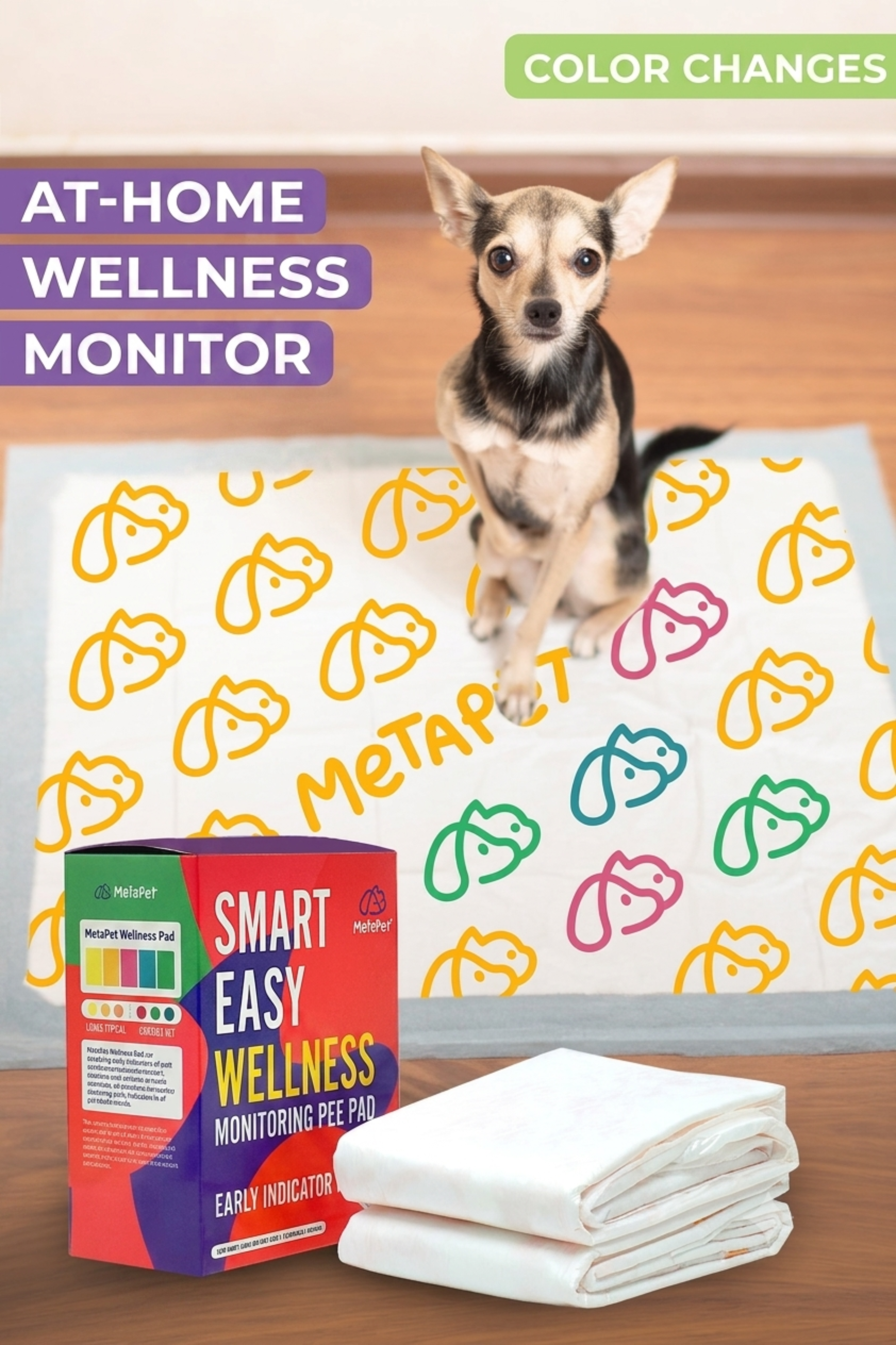
Indoor toilet pads have a legitimate place for puppies still building bladder control, for very small dogs in extreme weather, for dogs recovering from surgery, and for elderly dogs with reduced continence. They are a practical aid rather than a permanent replacement for outdoor toileting, and it is worth mentioning to your veterinarian if an adult dog's toileting frequency or continence changes, since that can indicate a medical problem.
Noise, Neighbours and Barking
In an apartment, barking is not just a training issue; it is a relationship issue with everyone sharing your walls. The most common trigger is sound: footsteps in the corridor, the lift arriving, a door closing, voices outside. A dog who cannot see the source and cannot investigate often escalates.
Practical management helps more than correction. Give the dog a comfortable resting place away from the front door rather than a bed in the hallway where every footstep lands. Background sound — a radio, a fan, quiet music — masks corridor noise effectively. Frosted film on a glass door reduces visual triggers. And rewarding calm silence when a noise passes teaches a more useful response than reacting to the barking itself.
Introduce yourself to immediate neighbours early and give them a way to contact you. Most complaints escalate because people feel ignored, not because a dog barked once. If barking happens mainly when you are out, record a session — persistent distress vocalisation in your absence may indicate separation-related anxiety, which benefits from proper veterinary and behavioural assessment rather than a device bought online.
Exercise and Mental Work in a Small Space
Physical exercise for dogs mostly happens outside the flat, and the quality of those outings matters as much as the distance covered. A walk in which a dog is allowed to sniff extensively is considerably more tiring than a brisk march in a straight line, because scent work is genuinely demanding mentally.
- Sniffing walks. Let the dog choose the route and pace for part of every outing.
- Scatter feeding. Scatter part of a meal on a towel or snuffle mat instead of using a bowl.
- Food puzzles. Slow feeders and puzzle toys turn a two-minute meal into fifteen minutes of work.
- Short training sessions. Five minutes of teaching something new tires a dog more than most owners expect.
- Chewing. Appropriate long-lasting chews, chosen with your vet's advice on dental safety, help many dogs settle.
- Hallway games. Recall between two people, or find-the-hidden-treat, work well in a corridor.
For cats, the key is vertical rather than horizontal space. A cat tree, shelves, or a cleared bookcase top effectively multiply the usable area of a small flat. Add window perches for watching the world, scratching posts in the places the cat actually chooses to scratch, and short daily play sessions with a wand toy that ends with a catch and a small food reward — mimicking a complete hunting sequence is far more satisfying than an endless laser dot.
Litter Boxes in Limited Space
Litter tray placement is where small-space living most often goes wrong. Cats prefer trays that are away from food and water, in a quiet location with more than one escape route, and easy to reach without navigating a washing machine mid-cycle. A tray squeezed into a cupboard beside a noisy appliance is a common reason for a cat toileting elsewhere.
- Number. One tray per cat plus one spare remains the standard guidance, spread across locations rather than lined up.
- Size. The tray should be around one and a half times the cat's body length, which is larger than most sold trays.
- Covered or open. Many cats prefer open trays; if using a covered one, make sure the cat can turn around easily.
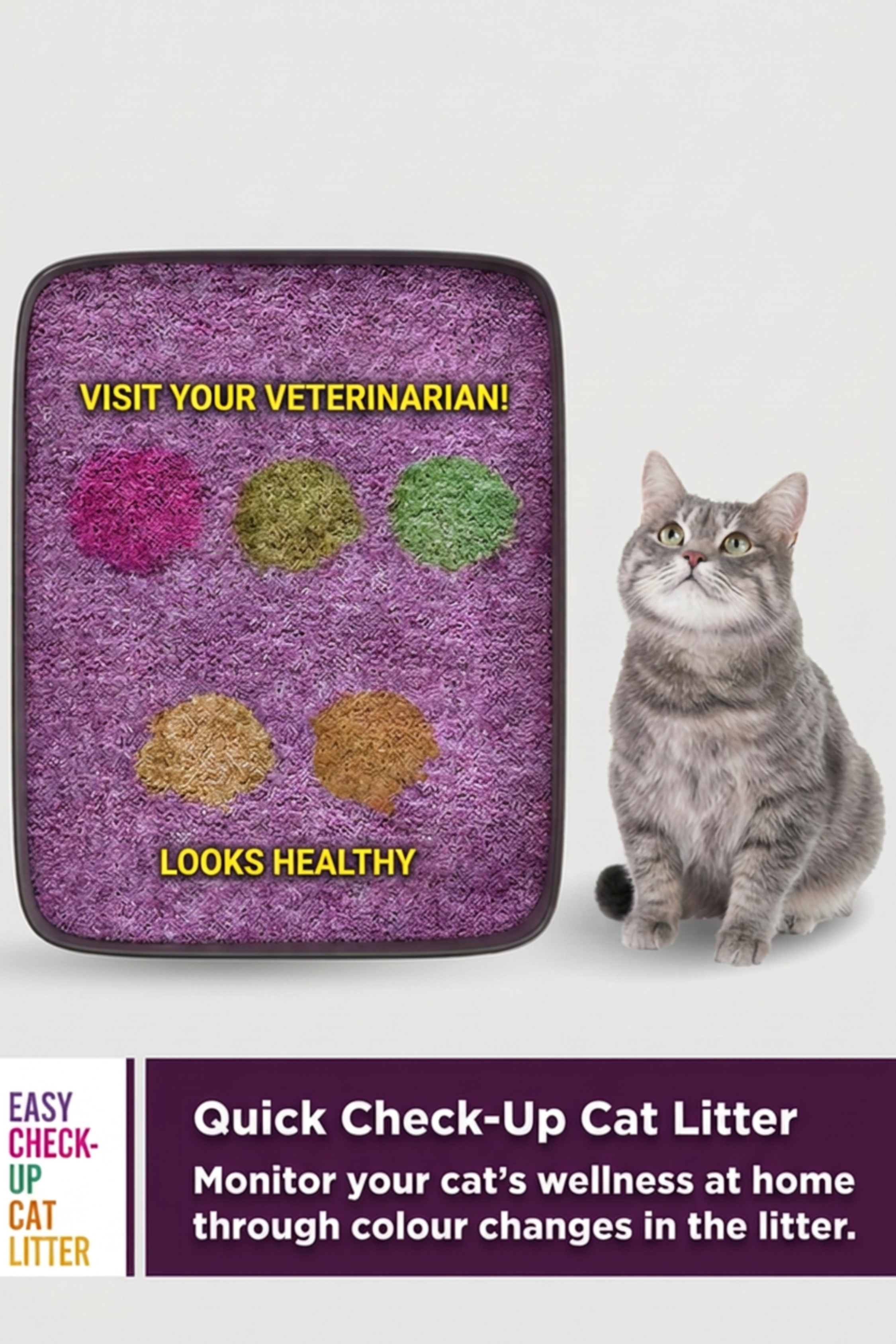
- Litter type. Most cats favour a fine, unscented, sand-like substrate; sudden changes often cause problems.
- Cleaning. Scoop at least twice daily and wash the tray regularly with hot water and detergent.
If a cat starts toileting outside the tray, treat it as a medical question first. Urinary problems are common, can be serious, and often show up exactly this way. Contact your veterinarian promptly, particularly if a cat is straining, going frequently, producing very little, or vocalising — a male cat who cannot pass urine is an emergency.
Keeping a Small Home Fresh
Odour builds faster in a flat because the same air circulates through fewer cubic metres. Ventilation, frequent laundering of bedding, regular vacuuming and prompt cleaning of accidents do most of the work. Beyond that, a small set of products kept within reach makes the routine easier to maintain consistently.
For the tray area, a deodorising additive such as MetaPet's activated carbon litter deodorizer or a litter and toilet deodorizer spray can be part of a regular freshening routine alongside — never instead of — daily scooping. For accidents on floors and soft furnishings, an enzymatic-style cleaner such as the pet stain remover and deodorizer spray is designed to lift marks and residual smell, which matters because leftover scent can encourage a repeat visit to the same spot.
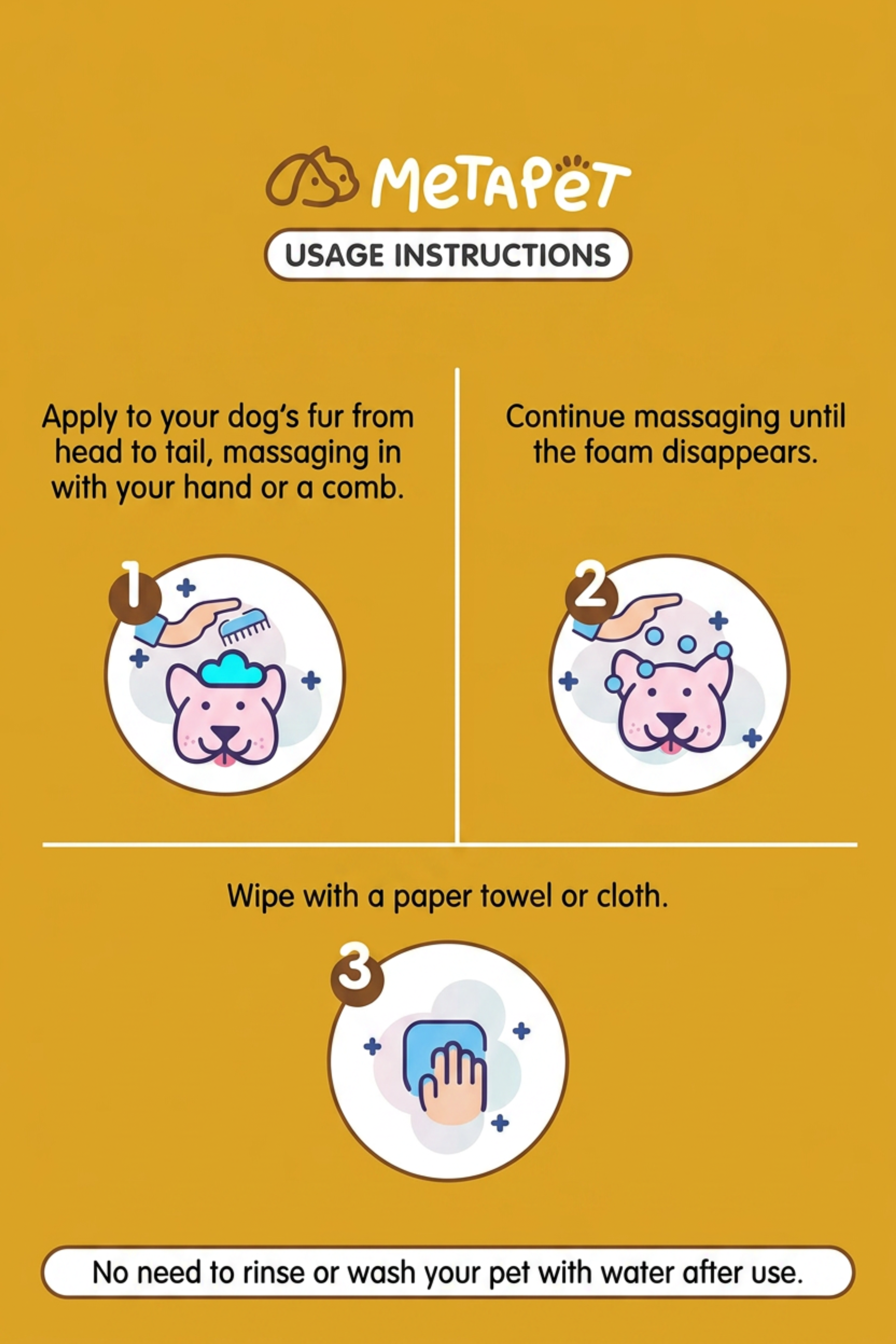
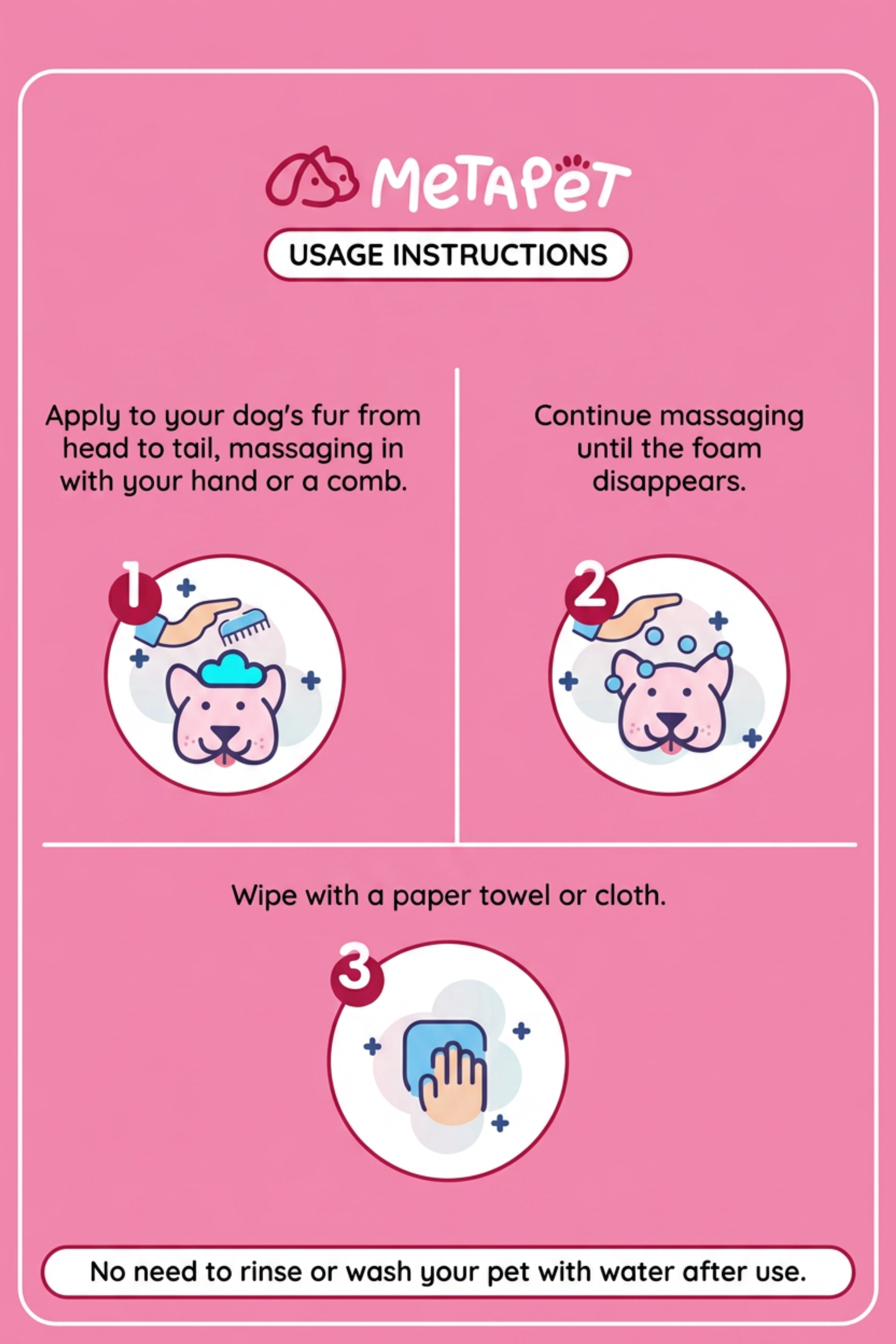
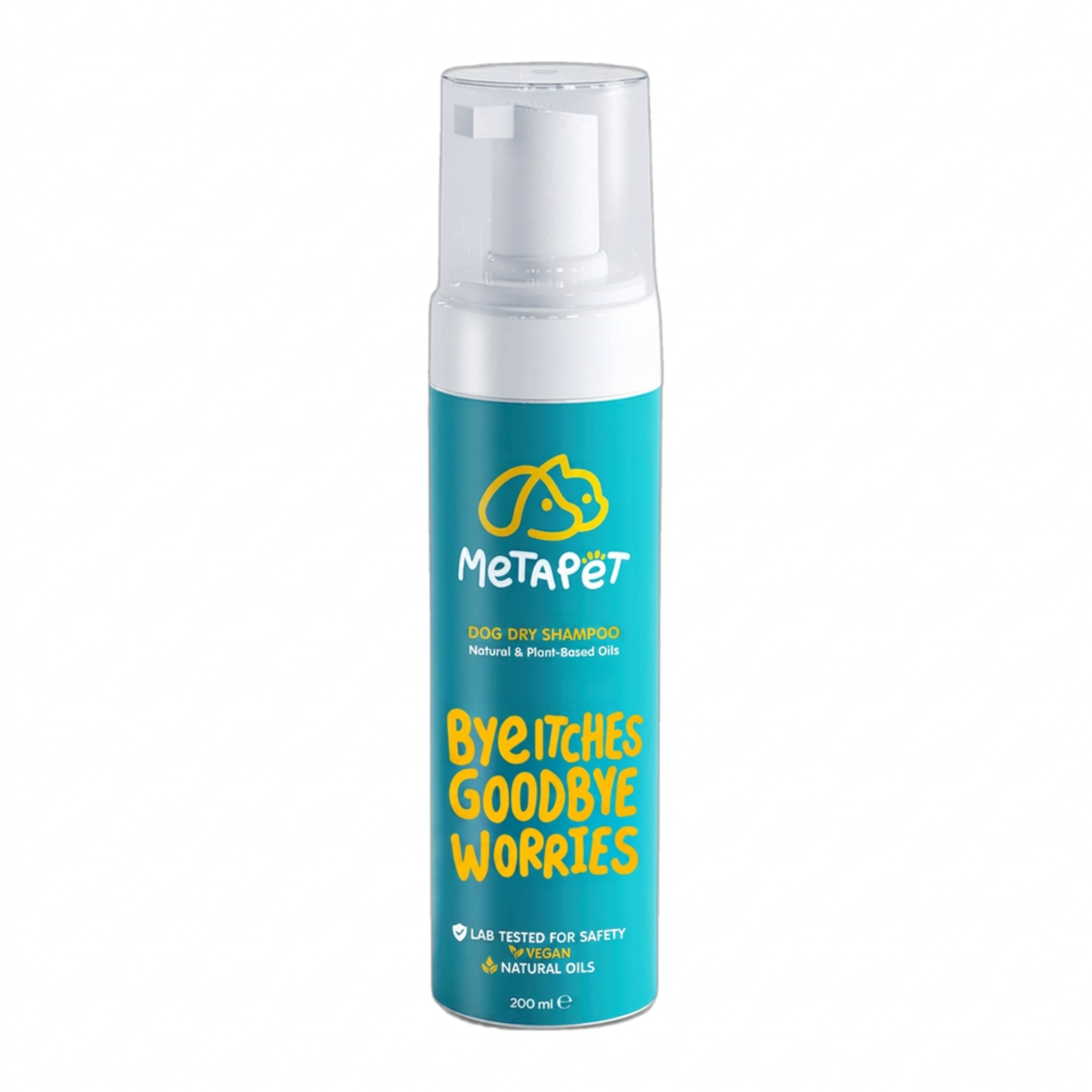
Muddy paws travel further in a flat than in a house, since the route from the front door to the sofa is short. A wipe-down routine by the door — a towel, and something like MetaPet's Pawsome paw cleaning foam with brush — keeps floors cleaner and takes under a minute. For pets who dislike full baths, a waterless option such as the Oh My Sensitive Baby waterless dry foam shampoo for cats can help freshen the coat between washes. All of these are grooming, cleaning and hygiene products; they support a tidy home rather than treating any medical or skin condition, and anything that looks like a skin problem needs your veterinarian.
Balconies, Windows and High-Rise Safety
This is the safety issue that apartment owners most often underestimate. Cats fall from windows and balconies far more frequently than people expect, often while chasing a bird or an insect, or after dozing on a narrow ledge. Injuries from these falls can be severe, and a cat's reputation for landing well does not make the situation safe.
- Fit secure screens or mesh to any window that will be opened, including small top-hung ones.
- Enclose balconies with proper netting fixed at all edges, or keep the balcony door closed.
- Check railing gaps — many are wide enough for a cat or a small dog to slip through.
- Never leave a pet unsupervised on an open balcony, no matter how settled they seem.
- Remove or secure furniture that provides a climbing route over the railing.
- Keep balcony plants pet-safe, and be aware that lilies are extremely dangerous to cats.
If a pet does fall, treat it as an emergency and go to a veterinarian immediately even if they seem to be walking normally. Internal injuries and chest trauma are common in falls and are not always obvious in the first minutes.
Being Left Alone
Apartment pets are often alone in a small space with limited stimulation, which makes the departure routine worth getting right. Most animals settle well if being alone has been built up gradually and if arrivals and departures are unremarkable events rather than emotional ones.
Practise short absences from the very beginning, starting with a few minutes and extending slowly. Leave something to do — a stuffed food toy given as you leave gives the dog a positive association with the door closing. Keep goodbyes brief and calm, and greet on return only once the animal has settled rather than rewarding a frantic welcome.
Signs that being alone is genuinely difficult include persistent howling or barking, destruction focused around exits, house soiling in an otherwise clean animal, drooling, or refusing food left out. These are distress signals rather than misbehaviour, and they warrant a veterinary conversation to rule out medical causes and to discuss a proper behaviour plan.
Floors, Furniture and Everyday Wear
Hard flooring is common in apartments and is genuinely difficult for dogs, particularly older ones and those recovering from injury. Slipping causes anxiety about moving, which reduces activity, which accelerates muscle loss. Runners, rugs and non-slip mats along the main routes — bed to door, sofa to water bowl — make a striking difference to an older dog's confidence.
- Non-slip routes. Rugs or runners on the paths your pet uses most.
- Nail length. Overgrown nails worsen slipping and change how the foot loads; keep them trimmed.
- Foot fur. Trim the hair between the pads of long-coated dogs, which otherwise slides on smooth floors.
- Furniture access. Steps or ramps for pets who habitually jump onto beds and sofas.
- Scratching provision. Give cats an attractive vertical post beside the furniture they currently target.
- Cable management. Loose cables in a small space are both a chewing hazard and a trip risk.
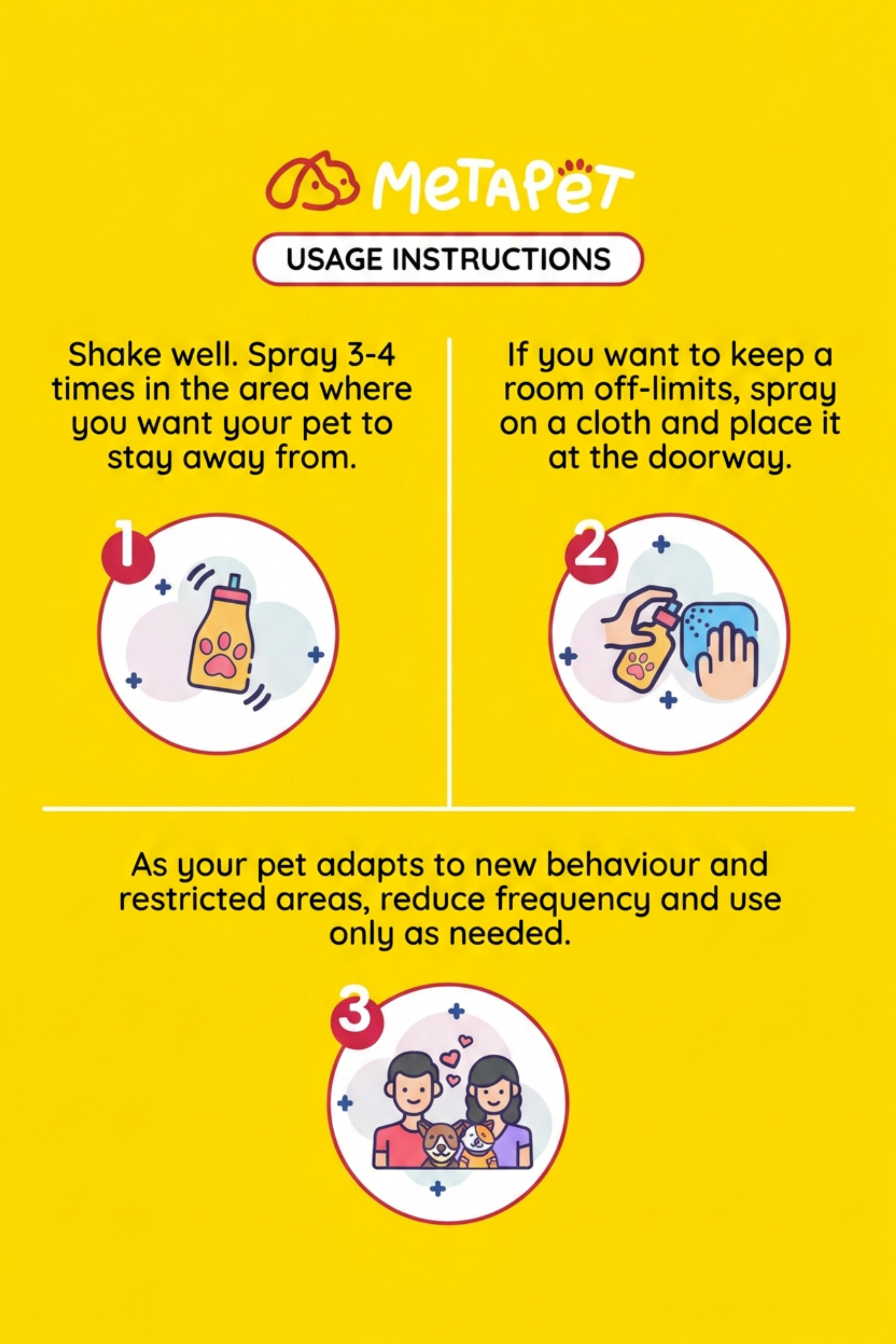
For cats scratching in the wrong place, redirection works better than deterrence alone: place a sturdy, tall post immediately next to the target, make it appealing, and reward its use. A training deterrent spray such as MetaPet's How to Say No training spray may be used on the furniture as part of that redirection, but it works only alongside a genuinely better alternative — and declawing is not an acceptable solution, being prohibited or strongly opposed in many countries.
Settling In and Adjusting
Whether you are bringing a new pet into a flat or moving an established one, expect an adjustment period measured in weeks rather than days. Cats in particular do best when introduced to one room first, with food, water, litter and hiding places, before being given the run of the whole space. Dogs benefit from an immediate, consistent routine that tells them what happens and when.
- Start small. One room for cats, expanding as confidence grows.
- Keep routines fixed. Predictable meal and walk times settle animals faster than anything else.
- Provide hiding places. A covered bed, a box, or space under furniture gives a nervous animal a retreat.
- Bring familiar items. Unwashed bedding carrying the old home's scent helps enormously after a move.
- Update identification. Microchip details and tags should reflect the new address immediately.
- Find a local vet early. Register before you need one, not during an emergency.
Calming products are often asked about during moves and settling periods. If you want to try something like a calming supplement as part of a wider settling plan, discuss it with your veterinarian first — these products are complements to good routine, gradual introduction and appropriate behavioural support, and they are not treatments for anxiety or any medical condition.
Above all, judge success by the animal rather than the square metreage. A dog who gets varied, sniffy exercise, mental work, company and a predictable routine is well served in a one-bedroom flat. A cat with vertical space, clean trays, window views and daily play is thriving. Space helps, but it is thoughtful daily management that actually makes the difference — and your veterinarian is the right person to consult about anything that seems more than an ordinary adjustment.