Why Do Dogs and Cats Eat Grass? A Vet Guide

Almost every dog owner has watched their pet suddenly drop its head mid-walk and start grazing like a tiny cow. Cats do it too, chewing on houseplants or a blade of grass by the back door. It is one of the most common questions owners bring to the veterinary clinic: why does my pet eat grass, and should I be worried?
Grass-eating is usually a normal, mostly harmless behavior, but it can occasionally point to boredom, dietary gaps, or an underlying medical issue. This guide walks through the leading explanations, separates myth from fact, explains the plant-safety risks that actually matter, and helps you decide when a grazing habit is worth a conversation with your veterinarian.
Important: This article shares general educational information for pet owners and is not a substitute for an in-person veterinary examination, diagnosis, or treatment. For any medical concern or emergency, contact your veterinarian promptly.
It Is More Normal Than You Think
Grass-eating is extremely common in dogs and is seen in cats as well. Surveys of dog owners consistently find that a large share of dogs eat plants, most often grass, and that the majority do so while appearing perfectly healthy beforehand. In other words, for most pets, nibbling grass is simply part of their normal behavioral repertoire.
This matters because owners often assume grass-eating is always a sign that something is wrong. Usually it is not. Dogs are opportunistic omnivores and cats are curious explorers, and both may sample vegetation out of instinct, taste, or texture.
That said, normal does not mean you can ignore it entirely. The key is knowing which patterns are ordinary and which ones deserve a closer look, which the following sections cover.
The Myth: Grass Always Means an Upset Stomach
A popular belief holds that pets eat grass specifically to make themselves vomit when they feel nauseous. The reality is more nuanced. Only a minority of dogs vomit after eating grass, and most eat it without any signs of illness first, which argues against the idea that grazing is primarily a self-cleaning behavior.
Some pets probably do eat grass when their stomach feels off, and the coarse texture may occasionally trigger vomiting. But treating every grazing session as evidence of nausea overstates the connection. Grass-eating and vomiting sometimes overlap, yet one does not reliably cause the other.
The practical takeaway is to look at the whole picture. Grass followed by a single episode of vomiting in an otherwise bright, playful pet is usually not alarming, while repeated vomiting is a separate issue worth investigating.
Common Reasons Pets Graze
Rather than one explanation, there are several overlapping reasons a dog or cat might seek out grass. Different pets may graze for different motivations, and the same pet may have more than one.
- Instinct and ancestry wild relatives ingest plant matter, so the behavior may be inherited.
- Taste and texture fresh grass is novel and appealing to many pets.
- Fiber and digestion plant material may add roughage that some pets seek out.
- Boredom or under-stimulation grazing can be something to do when a pet is bored.
- Attention-seeking pets quickly learn that eating grass gets a reaction from owners.
Because the motivation varies, the response varies too. A bored dog benefits from more enrichment, while a pet with a strong grazing drive simply needs a safe outlet and supervision.
When Grass-Eating Signals a Problem
Occasionally, an intense new appetite for grass or other non-food items reflects a medical issue. A sudden change in behavior is more meaningful than a lifelong habit. Watch for grass-eating that appears alongside other symptoms.
- Repeated vomiting especially more than an isolated episode.
- Diarrhea or appetite changes that accompany the grazing.
- Lethargy or discomfort such as a hunched posture or restlessness.
- A sudden, frantic urge to eat grass that seems out of character.
- Eating dirt, rocks, or other non-food items a pattern known as pica.
If grazing comes bundled with any of these signs, contact your veterinarian. Persistent pica in particular can be linked to dietary, digestive, or other underlying conditions that deserve evaluation.
The Real Risk: What Is On and Around the Grass
For most pets, the grass itself is not the danger. The bigger concern is what the grass has been treated with or what grows nearby. This is where owner awareness genuinely protects a pet's health.
- Lawn chemicals such as herbicides, pesticides, and fertilizers can be harmful if ingested.
- Roadside or park grass may be contaminated by runoff or other animals' waste.
- Intestinal parasites can be picked up from contaminated ground.
- Toxic plants and flowers may be mixed in with grass, particularly in gardens.
- Foxtails and grass awns can lodge in the mouth, nose, or paws of some pets.
Keep pets off recently treated lawns, learn which plants in your area are toxic to dogs and cats, and rinse or wipe paws and coats after outings in unfamiliar areas. These simple precautions remove most of the actual risk.
Cats and the Houseplant Problem
Cats face a specific hazard because their grazing often targets houseplants, and several common indoor plants are toxic to cats. Lilies are especially dangerous and can cause serious harm even in small amounts, so households with cats should avoid them entirely.
If your cat likes to nibble greenery, redirect that urge toward a safe option. Cat grass, typically grown from wheat, oat, or barley seed, gives cats a satisfying, non-toxic outlet and can reduce their interest in questionable houseplants.
When in doubt about a plant's safety, check a reputable toxic-plant list or ask your veterinarian before bringing it into a home with cats. Prevention is far easier than treating an accidental exposure.
Should You Stop the Behavior?
For a healthy pet eating clean, untreated grass in modest amounts, there is usually no need to intervene beyond ensuring the grass is safe. Grazing on a chemical-free lawn or on cat grass is generally a low-risk activity.
You may want to discourage grass-eating if your pet gobbles large quantities, grazes compulsively, vomits frequently afterward, or has access only to treated or contaminated areas. In those cases, redirection and management make sense.
Gentle interruption works better than punishment. Call your pet away, offer a toy or a short training game, and reward the response. Over time this teaches your pet that turning away from the grass leads to something even more rewarding.
Enrichment: Often the Real Fix
When boredom drives grazing, more mental and physical stimulation usually reduces it. A tired, engaged pet has less reason to seek out grass as entertainment, and enrichment supports overall behavioral wellbeing at the same time.
- Daily exercise walks, fetch, and active play suited to your pet's age and breed.
- Puzzle feeders turn mealtime into a foraging challenge.
- Rotating toys novelty keeps interest high without buying constantly.
- Training sessions short, positive practice tires the mind and strengthens your bond.
- Sniff walks letting dogs explore scents satisfies natural foraging instincts.
Enrichment is one of the most underrated tools in pet care. It addresses many minor behavior quirks, grass-eating among them, by giving your pet better outlets for natural drives.
Supporting Digestive Comfort
Because grazing sometimes overlaps with digestive interest, a consistent, balanced diet appropriate for your pet's life stage is the foundation of a comfortable gut. Sudden food changes, table scraps, and irregular feeding can all unsettle digestion, so steady routines help.
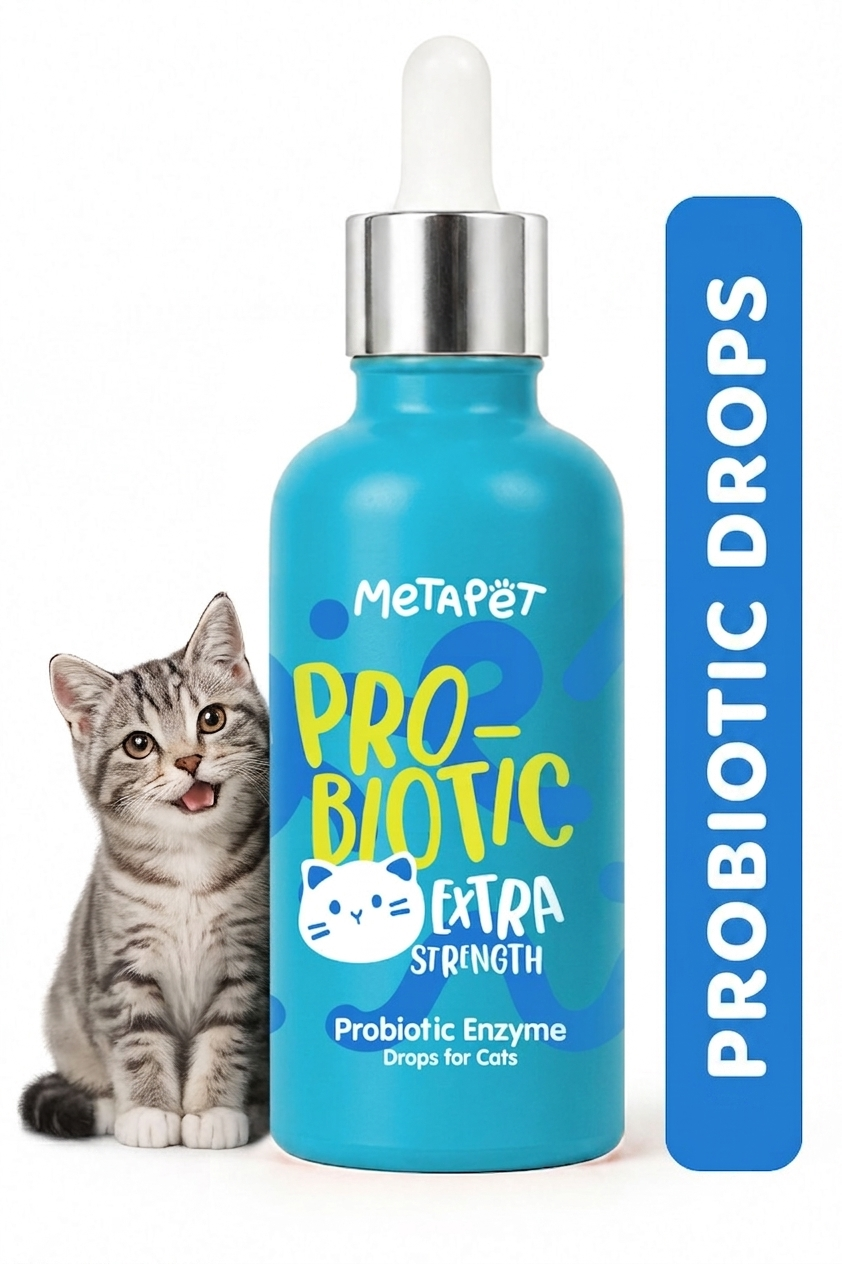
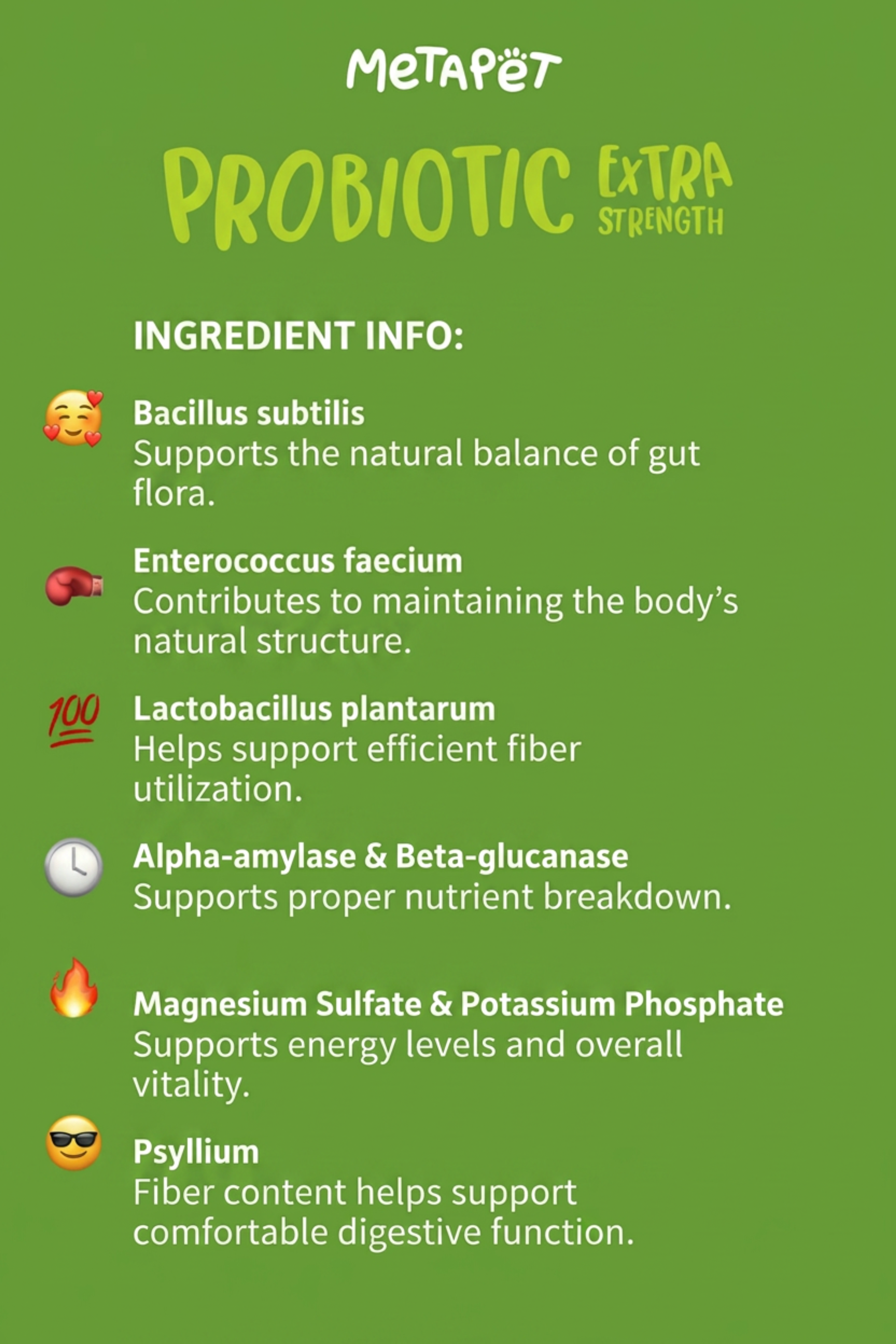
Some owners add supportive products to a healthy diet. MetaPet offers Probiotic Drops for dogs and for cats that are designed to support normal digestive balance and everyday gut wellness as part of a routine. Such supplements are complements to good nutrition and veterinary care, not treatments for illness, and any pet with ongoing digestive signs should be examined rather than managed with supplements alone.
If you are ever unsure whether your pet's grazing reflects a dietary gap, your veterinarian can review the diet and recommend adjustments tailored to your individual pet.
The Bottom Line for Owners
Grass-eating is, for most dogs and cats, a normal and largely harmless behavior rooted in instinct, taste, and curiosity. The blade of grass itself rarely causes trouble. What matters most is keeping your pet away from treated lawns, toxic plants, and contaminated ground.
Stay alert to changes. A lifelong grazer who is bright and healthy is very different from a pet that suddenly develops a frantic urge to eat grass along with vomiting, diarrhea, or low energy. The first is routine, the second deserves a veterinary visit.
When you provide a safe environment, good enrichment, a balanced diet, and a watchful eye, you can let your pet enjoy the occasional nibble of green without worry, and you will know when it is time to pick up the phone.
Frequently Asked Questions About Grass-Eating
Should I stop my dog from eating grass entirely?
For a healthy pet nibbling clean, untreated grass in small amounts, there is usually no need to intervene beyond making sure the grass is safe. You may want to discourage it if your pet eats large quantities, grazes compulsively, vomits often afterward, or only has access to treated or contaminated areas. Gentle redirection works far better than punishment.
Is it true that pets eat grass to make themselves vomit?
This is a popular belief, but the evidence is mixed. Only a minority of pets vomit after eating grass, and most graze without any prior sign of illness, which argues against the idea that grazing is mainly a self-treatment for nausea. Some pets may seek grass when their stomach feels off, but grass-eating and vomiting do not reliably go together.
What is the single biggest risk?
The grass itself is rarely the problem. The real hazards are lawn chemicals such as herbicides and fertilizers, contamination from other animals, intestinal parasites in soil, and toxic plants mixed in with the grass. For cats, toxic houseplants like lilies are a serious concern. Keeping pets off treated areas and away from dangerous plants removes most of the actual risk.
Could grass-eating mean something is wrong?
A lifelong, occasional grazing habit in a bright, healthy pet is usually normal. Be more alert to a sudden, intense new urge to eat grass or other non-food items, especially alongside repeated vomiting, diarrhea, appetite changes, or low energy. That combination warrants a veterinary visit.