Overgrooming and Excessive Licking in Cats: Causes & Care

Cats are famously fastidious groomers, often spending a large part of their waking hours licking and cleaning their coats. But when grooming tips over into overgrooming, with thinning fur, bald patches, or raw skin, it is usually a sign that something needs attention.
Overgrooming can be driven by medical discomfort, stress, or a combination of both. Because the same outward behavior can have very different underlying causes, a thoughtful, step-by-step approach and your veterinarian's input give the best chance of relief.
Important: This article shares general educational information for pet owners and is not a substitute for an in-person veterinary examination, diagnosis, or treatment. For any medical concern or emergency, contact your veterinarian promptly.
What Normal Grooming Looks Like
Healthy cats groom to keep their coat clean, remove loose hair, regulate temperature, and soothe themselves. Normal grooming is rhythmic and leaves the coat smooth and intact. It tends to happen after meals, after using the litter box, and during quiet moments of the day.
Overgrooming looks different. You may notice frequent, intense licking of one area, chewing or pulling at the fur, thinning hair along the belly, inner legs, or flanks, or patches of skin that look irritated. Some cats groom secretly, so the first clue is often the coat rather than the behavior itself.
Medical Causes to Rule Out First
Because overgrooming is frequently a response to physical discomfort, veterinarians usually look for a medical cause before concluding that stress is to blame. Itchy or uncomfortable skin makes a cat lick, and there are several common reasons for that itch.
- Parasites: fleas and mites are a leading cause of itch, even in indoor cats.
- Allergies: reactions to fleas, food ingredients, or environmental triggers.
- Skin infections: bacterial or fungal issues that irritate the skin.
- Pain: a cat may lick over a sore joint, bladder, or injury.
- Other conditions: hormonal or internal issues can affect the coat.
Your veterinarian can examine the skin, check for parasites, and recommend appropriate testing. Addressing an underlying medical cause is the most important step, and it is something only your veterinary team can diagnose and treat.
Stress and Emotional Triggers
When medical causes are ruled out or controlled, stress-related overgrooming may be the driver. Grooming releases tension, so some cats groom compulsively when anxious, much as a person might bite their nails. This is sometimes called psychogenic alopecia.
Common stressors include changes in the household, a new pet or person, moving, conflict between cats, boredom, or a disrupted routine. Cats are sensitive to change and value predictability, so even small shifts can register as stress.
Frequent stress triggers
- Environmental change: new home, furniture, or schedule.
- Social tension: conflict in multi-cat homes or a new baby or pet.
- Under-stimulation: not enough play, climbing, or hunting outlets.
- Resource competition: too few litter boxes, feeding stations, or resting spots.
How Veterinarians Approach the Problem
A typical work-up starts with a thorough history and physical exam. Your veterinarian may recommend flea control even if no fleas are seen, since flea allergy is common and easily missed. They may also suggest a diet trial for suspected food sensitivity, skin sampling, or other tests depending on what they find.
Because medical and behavioral causes often overlap, the plan may address both at once, for example controlling parasites while also reducing household stress. Patience is important, as coat regrowth takes time and the goal is steady improvement rather than an overnight fix.
Supporting a Calm, Comfortable Cat at Home
Alongside veterinary care, you can make the home environment more soothing and enriching. Predictable routines, safe hiding spots, and vertical space all help a cat feel secure. Daily interactive play that mimics hunting, using wand toys or food puzzles, gives anxious energy a healthy outlet.
In multi-cat homes, provide plenty of separated resources: the general guideline is one litter box per cat plus one extra, along with multiple feeding and resting areas so cats are not forced to compete. Reducing competition often reduces tension-driven grooming.
- Keep routines steady: feed, play, and clean at consistent times.
- Add vertical space: shelves, cat trees, and window perches.
- Schedule play: two or more short interactive sessions daily.
- Create calm zones: quiet retreats away from busy areas.
Gentle Coat and Skin Care
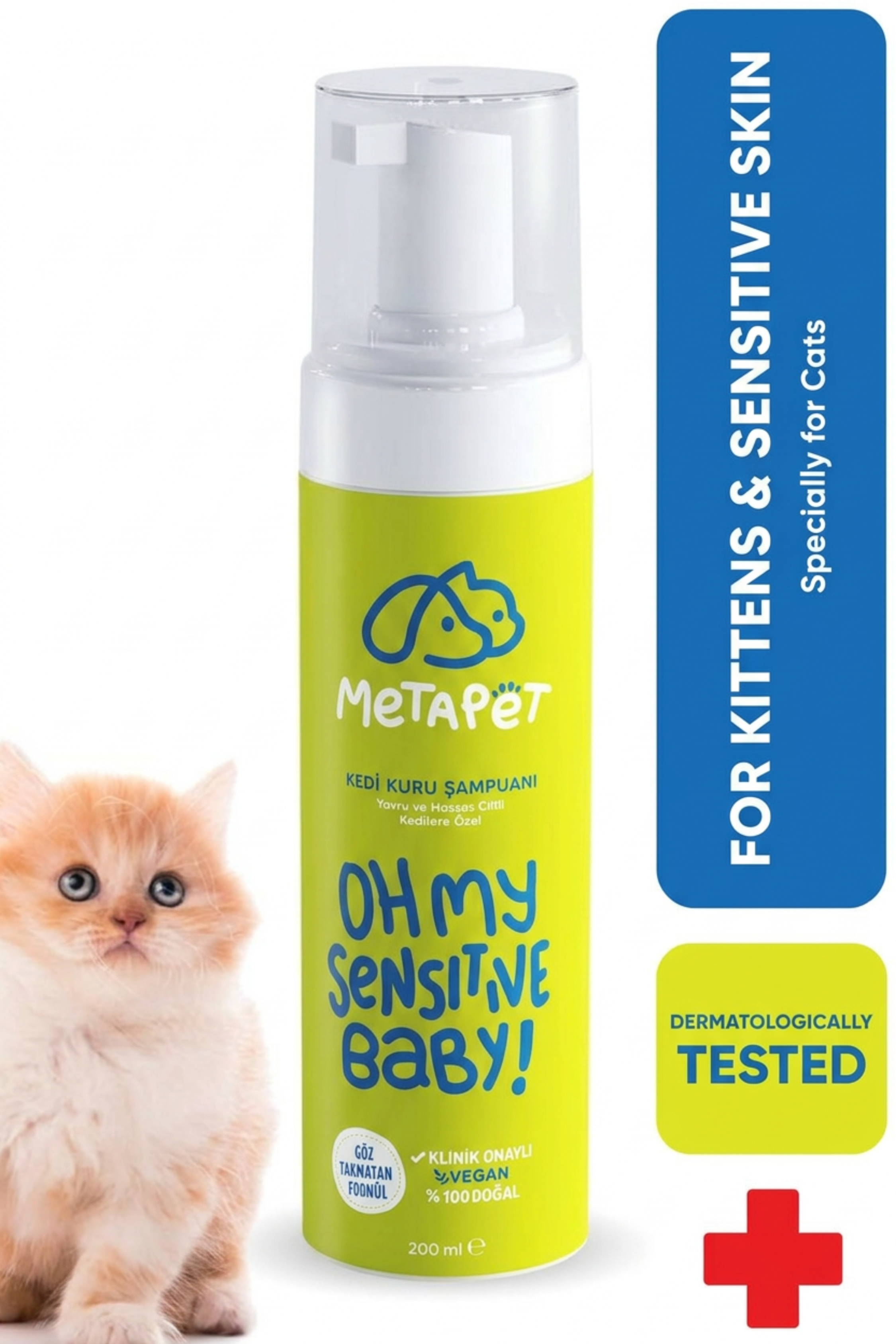
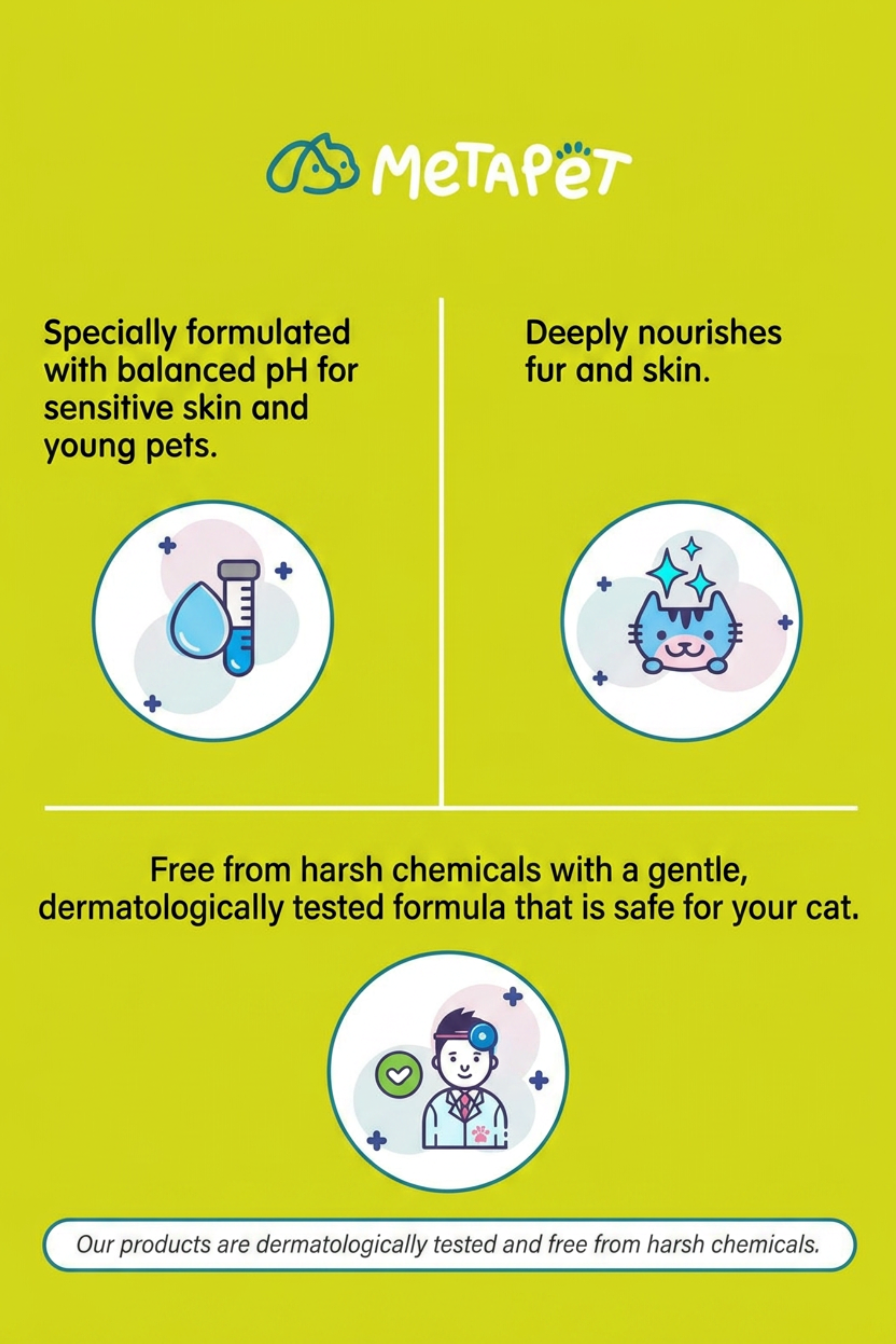
A calm grooming and coat-care routine can help you monitor the skin and keep the coat comfortable. Regular gentle brushing removes loose hair and lets you spot irritation early. Choose products designed for cats and introduce them slowly and positively.
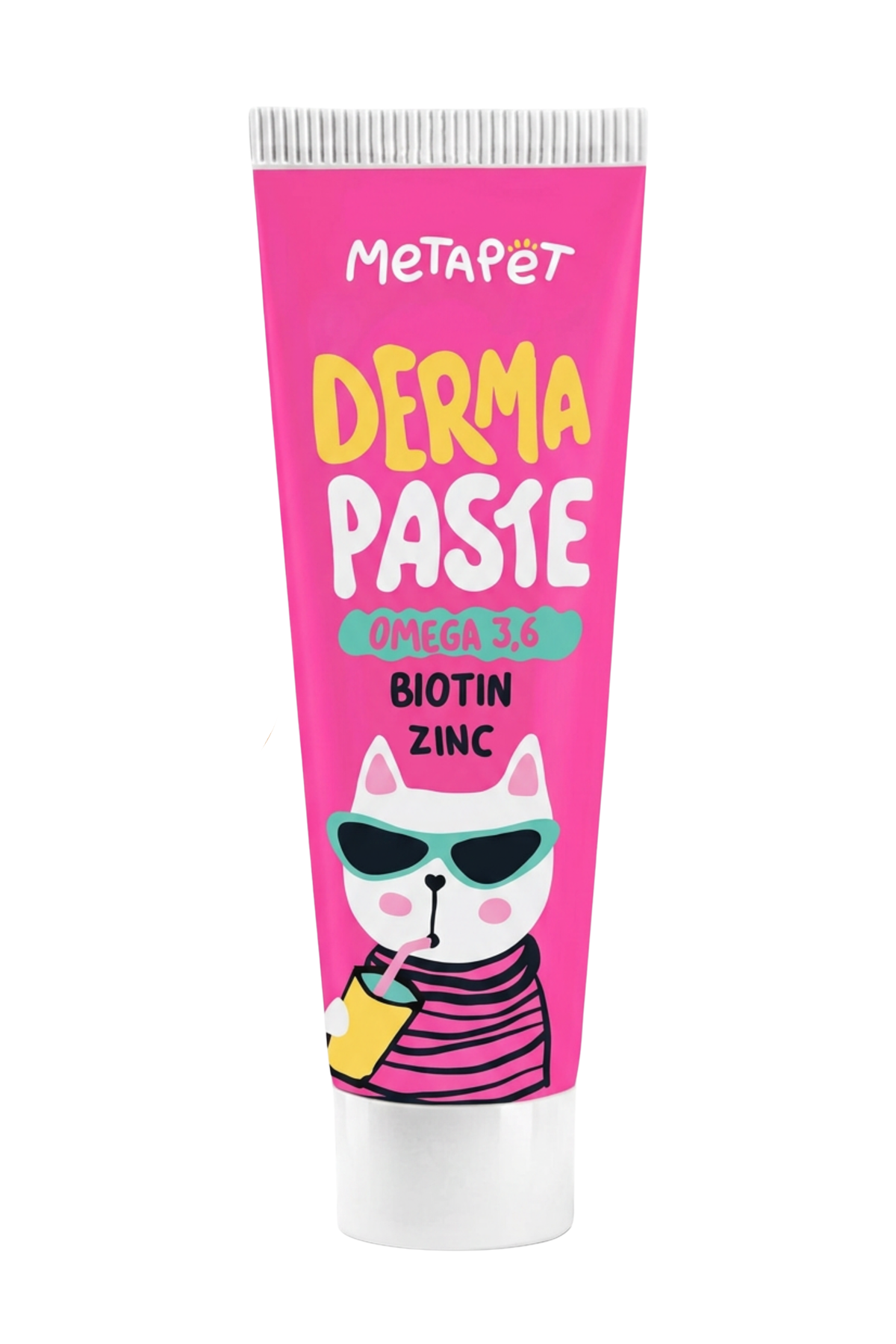
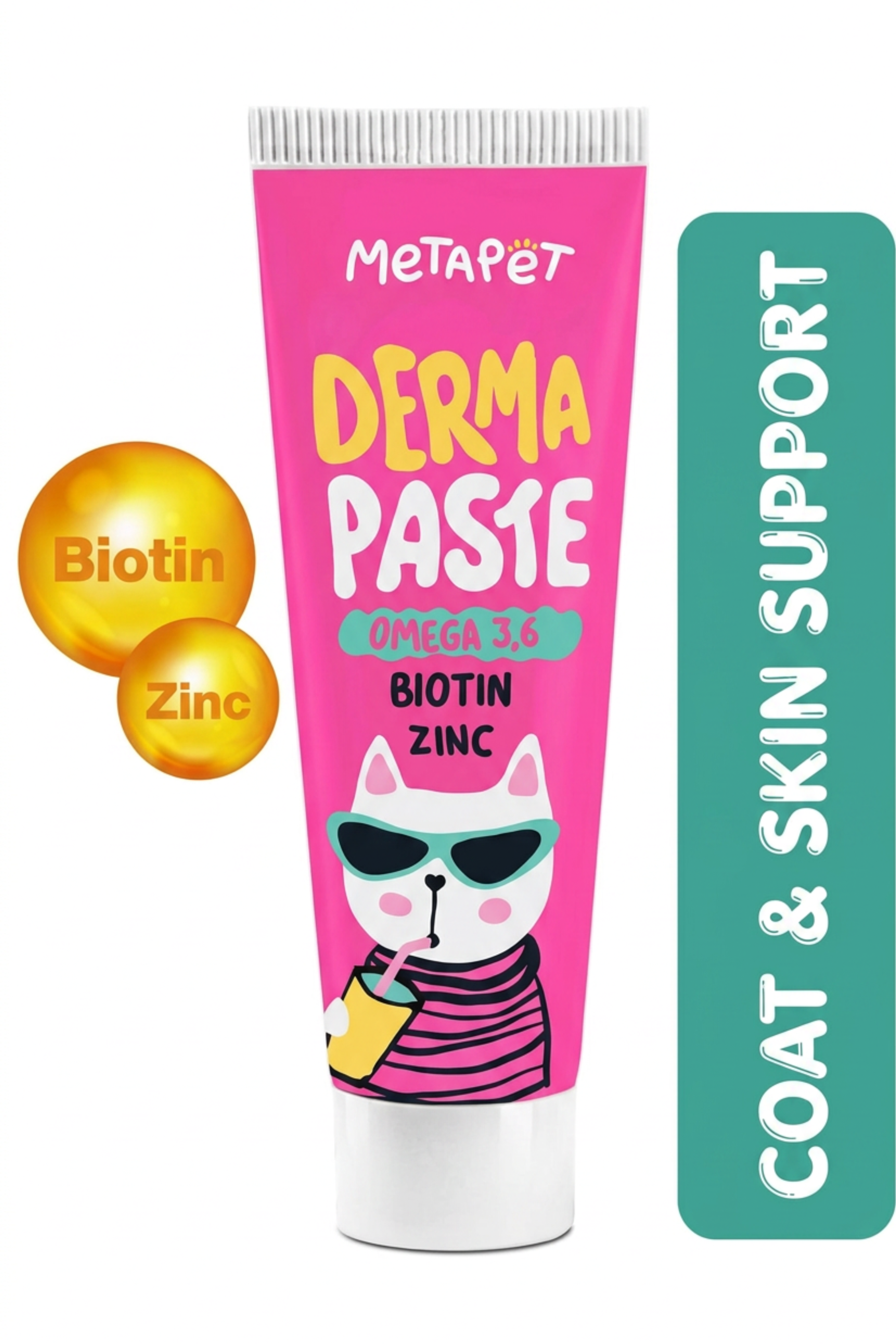
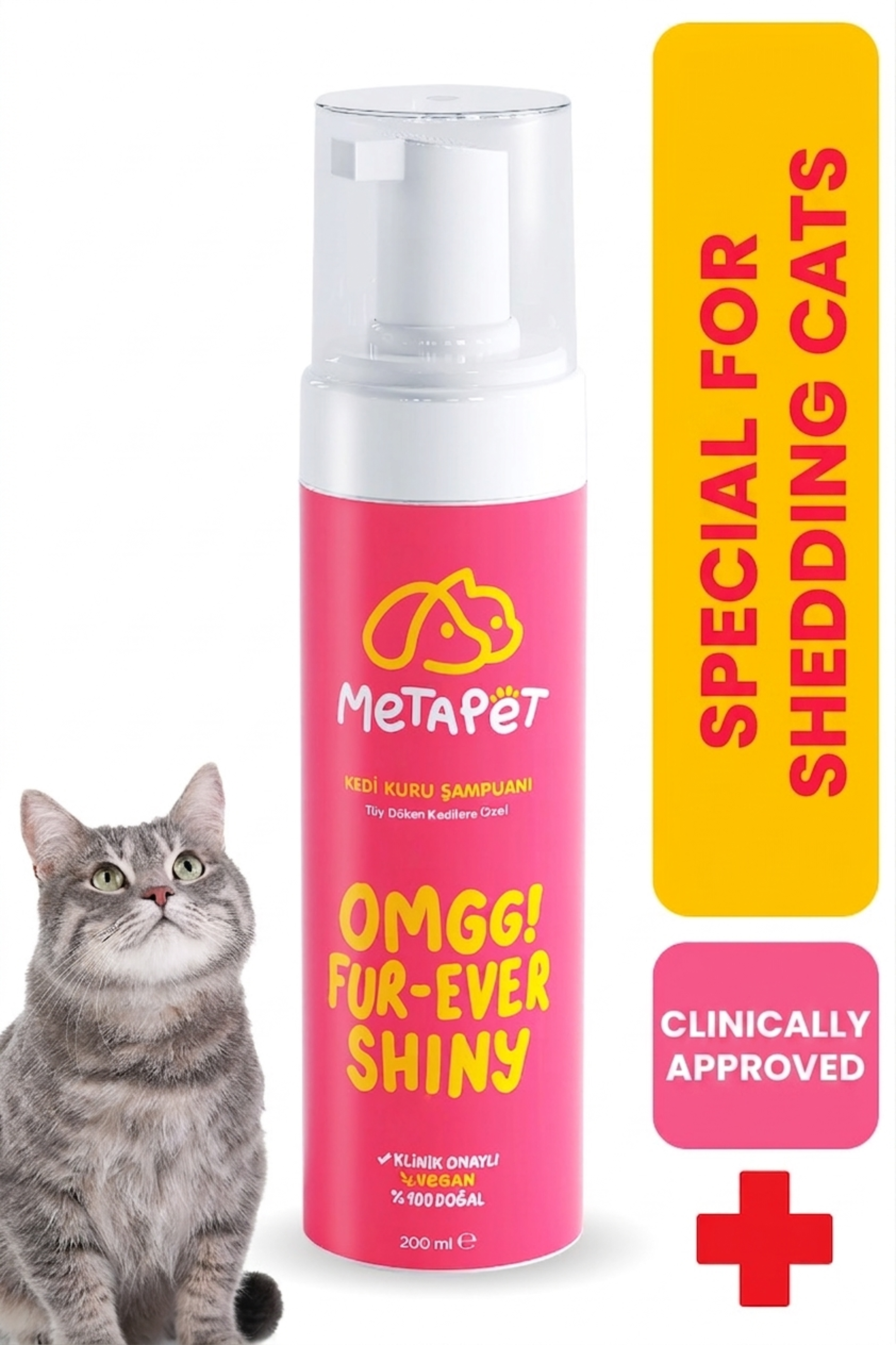
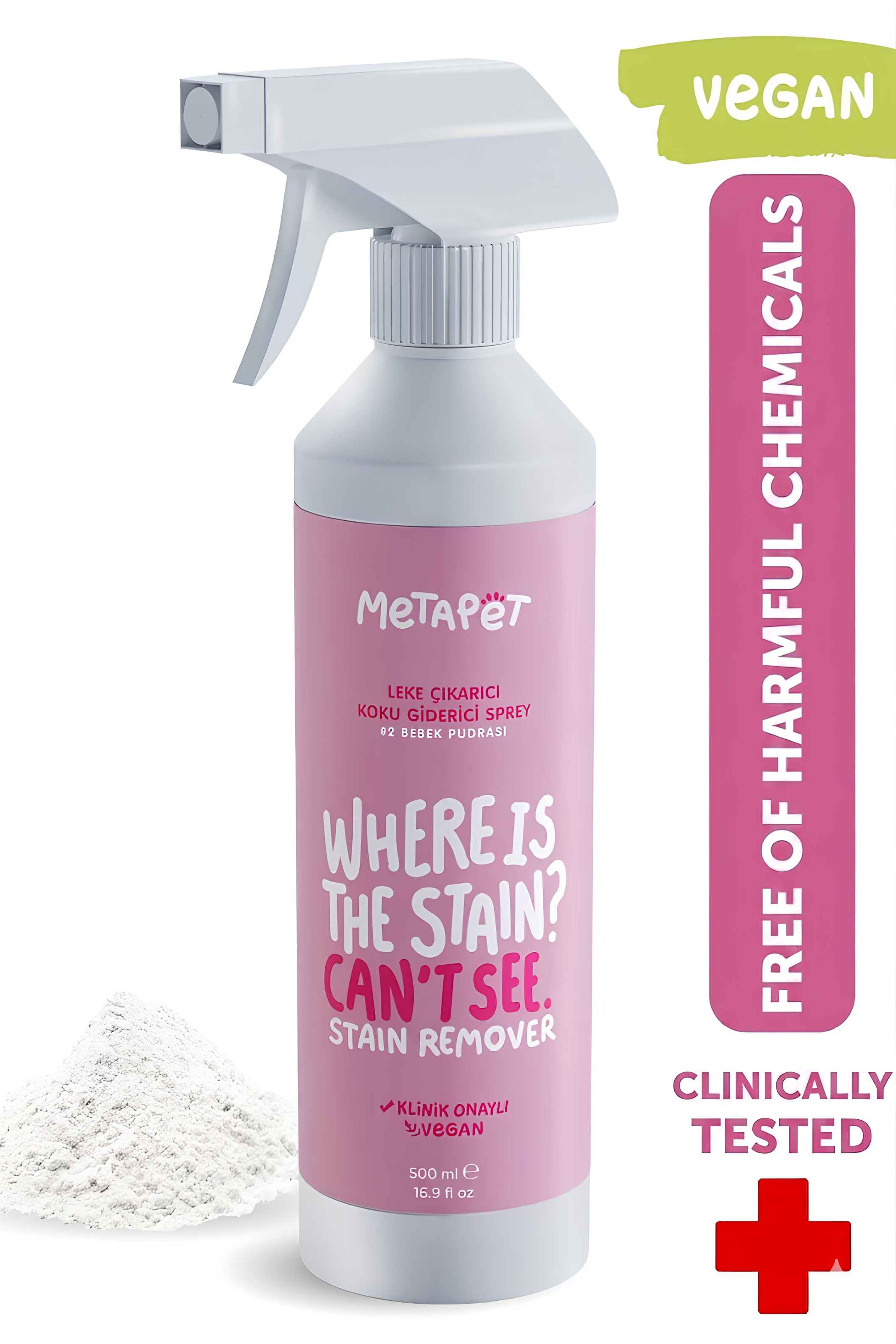
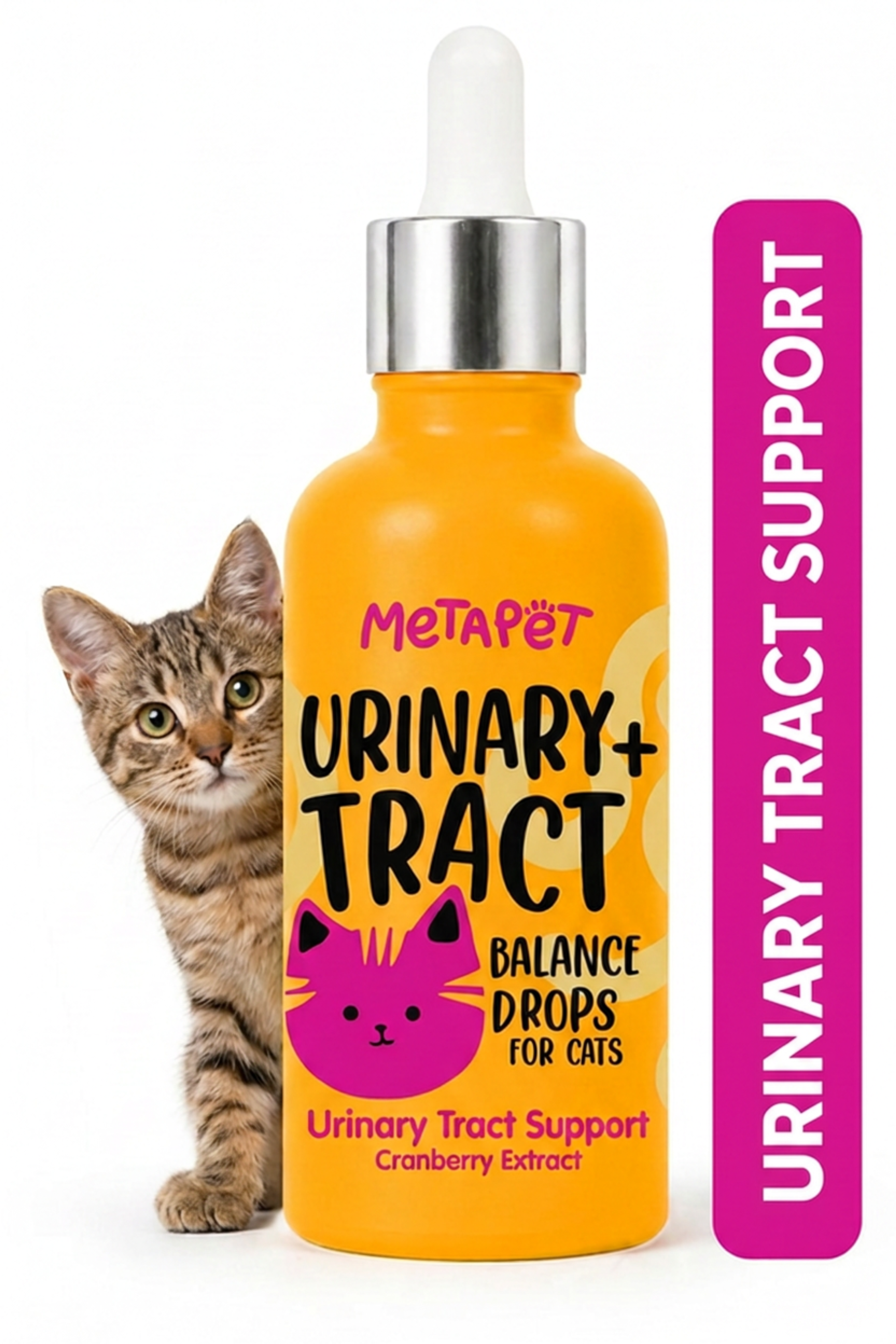
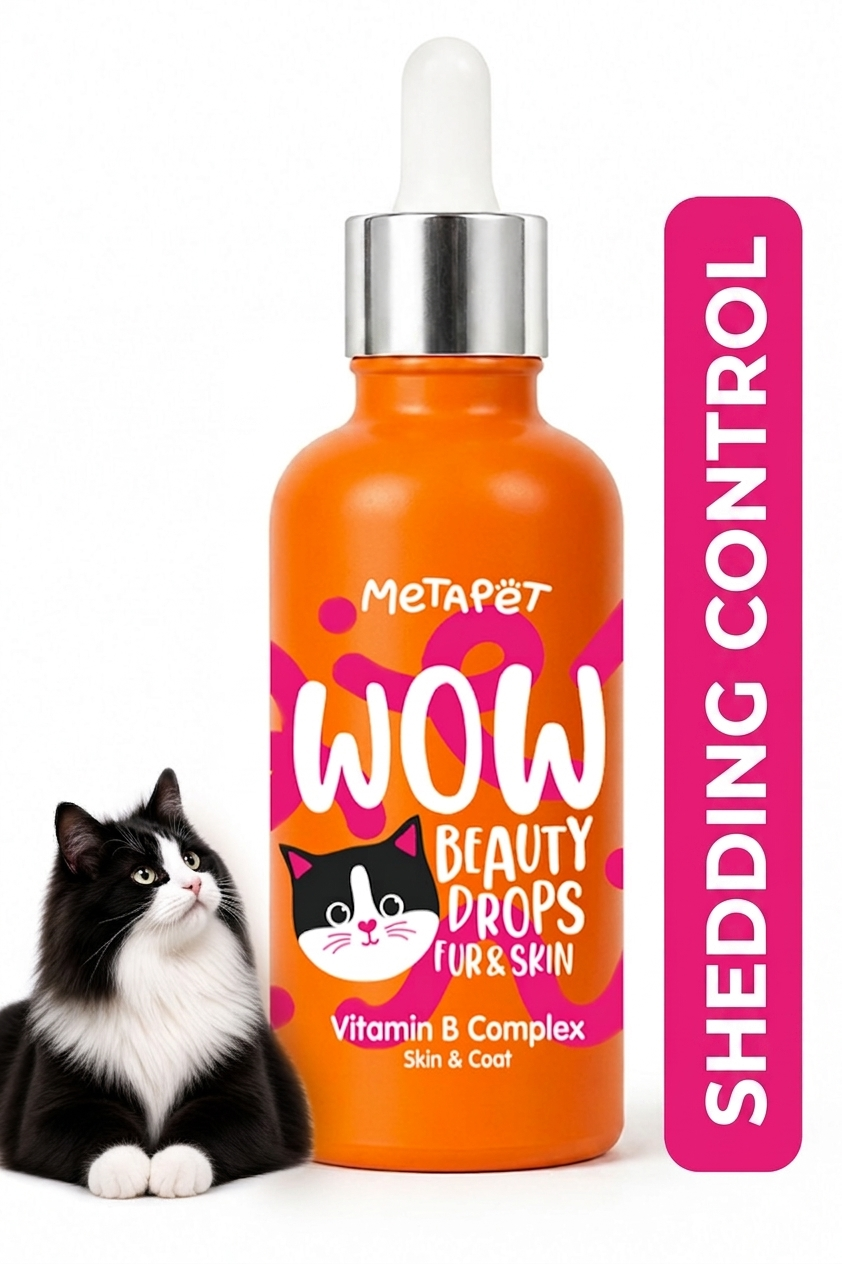
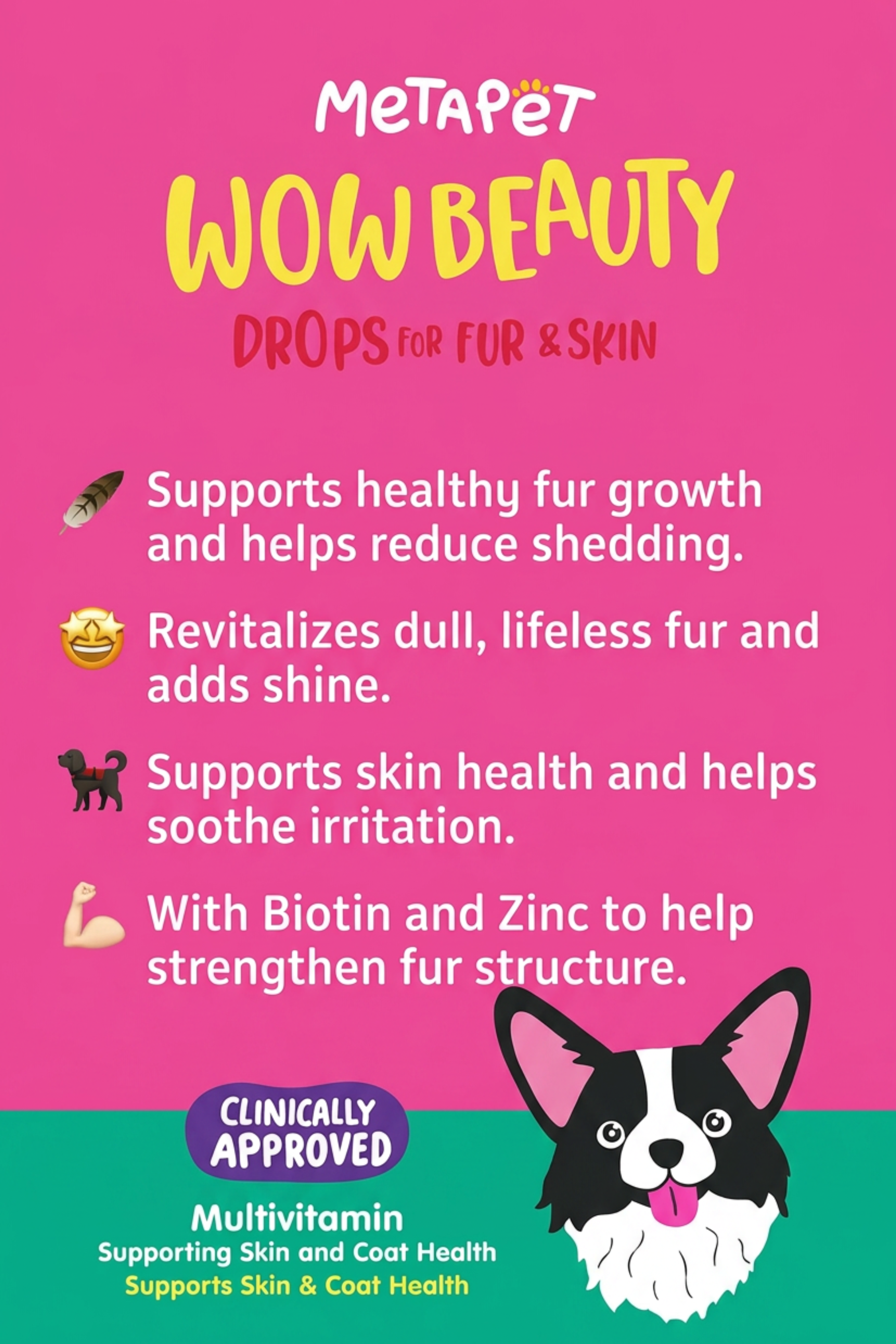
As part of a supportive routine, some owners use grooming and coat-care products formulated to help maintain a clean, comfortable coat. MetaPet's Nano-Series Skin & Coat Soothing Care Spray is designed to support skin and coat comfort as part of everyday grooming, and lickable coat-support options such as the Derma Paste Omega are formulated to complement a balanced diet. These are grooming and wellness aids that support a normal care routine; they are not a substitute for veterinary diagnosis or treatment, and any cat with skin damage or persistent licking should be seen by a veterinarian first.
What Not to Do
- Do not scold or punish: this adds stress and can worsen grooming.
- Do not ignore raw skin: broken skin can become infected and needs veterinary care.
- Do not use human products: many are unsafe for cats; use feline-appropriate items.
- Do not restrict grooming by force: address the cause rather than the behavior alone.
A recovery collar or suit is sometimes used short-term under veterinary guidance to let damaged skin heal, but it is a protective measure while the real cause is being addressed, not a stand-alone solution.
Understanding Coat Regrowth
When overgrooming has thinned the coat, owners often want to know how long recovery takes. Cat hair grows in cycles, with each follicle moving through active growth, transition, and resting phases. Because not every follicle is active at once, regrowth after overgrooming is gradual and can take weeks to months even after the underlying cause is controlled.
This is why patience is essential. The most reliable sign that a plan is working is not instant fur, but a steady reduction in licking and the absence of new bald areas. Keeping a simple log or occasional photos of affected areas helps you and your veterinarian judge progress objectively rather than by impression alone.
Seasonal shedding can complicate the picture, since normal heavy shedding may temporarily look like a coat problem. If you are unsure whether what you see is normal turnover or overgrooming, your veterinarian can help you tell the difference during an exam.
Nutrition and Skin Health
A complete and balanced diet supports healthy skin and coat from the inside. Cats have specific nutritional needs, including high-quality protein and essential fatty acids, and a diet formulated to meet established feline standards provides the building blocks for skin barrier health. If you are considering a diet change for a suspected food sensitivity, do it under veterinary guidance, because a proper elimination trial has to be done carefully to be meaningful.
Some owners add coat-support supplements as part of a balanced routine. Omega-containing options such as fish oil are popular for general coat support, but they complement, rather than replace, veterinary care and a complete diet. Introduce any supplement gradually, choose products intended for cats, and check with your veterinarian first, especially if your cat has a health condition or takes medication.
Building a Multi-Cat Peace Plan
Because social tension is such a common driver of stress grooming, households with more than one cat deserve a dedicated plan. The aim is to remove the sense of competition and give each cat the space and resources to feel secure without having to negotiate for them.
- Spread resources out: place food, water, litter, and beds in several locations, not clustered together.
- Follow the box rule: one litter box per cat plus one extra, in separate quiet spots.
- Add vertical territory: shelves and trees let cats share space by using height.
- Respect individual space: let cats choose interaction rather than forcing closeness.
If two cats are openly fighting or one is clearly intimidated, a gradual, structured re-introduction guided by your veterinarian or a behavior professional can lower tension more effectively than hoping they simply work it out.
Frequently Asked Questions
Can indoor-only cats really get fleas?
Yes. Fleas can enter on clothing, other pets, or through open doors and windows, so indoor cats are not automatically protected. This is why veterinarians often recommend parasite control even when no fleas are visible.
Is overgrooming always caused by stress?
No. Medical causes such as parasites, allergies, infection, or pain are common and should be ruled out first. Stress-related grooming is usually considered once physical causes are addressed or excluded.
Should I use a recovery collar to stop the licking?
A recovery collar or suit may be used short-term under veterinary guidance to protect broken skin while healing, but it is a protective measure, not a cure. The lasting solution is identifying and addressing why your cat is overgrooming.
When to See the Vet
Book a veterinary visit if you notice thinning fur, bald patches, redness, scabs, sores, or a change in how much your cat grooms. Prompt attention is especially important if the skin is broken, if your cat seems painful, or if the behavior appears suddenly.
Overgrooming is a message rather than a mystery. With veterinary guidance to address medical causes, a calmer and more enriching home, and a gentle coat-care routine, most cats gradually return to comfortable, normal grooming and a healthy coat.
Tracking Progress and Preventing Relapse
Once your cat is improving, a little ongoing attention helps keep the coat healthy and catch any relapse early. Overgrooming can return if a new stressor appears or if a controlled medical issue flares, so it is worth staying observant even after the fur grows back. Simple habits make this easy and low-effort.
Keep up the parasite-control plan your veterinarian recommends, maintain the enriched, predictable routine that helped, and continue gentle regular grooming so you notice changes in the skin promptly. If licking creeps back up, treat it as an early signal to check in with your veterinarian rather than waiting for bald patches to reappear.
- Stay consistent: keep routines, play, and parasite control steady long term.
- Watch the coat: gentle weekly checks help you spot early irritation.
- Note new stressors: moves, new pets, or schedule changes can trigger relapse.
- Act early: a quick vet check at the first sign beats waiting for damage.