Mange and Mites in Dogs and Cats: Types, Signs & Care

Mange is a skin condition caused by tiny parasitic mites, and it can affect both dogs and cats. While the word mange can sound alarming, understanding the different types of mites, the signs they cause, and how veterinarians approach diagnosis and treatment can help you respond calmly and effectively. Some mites are highly contagious between animals, while others are not, so getting the right diagnosis matters.
This guide explains the common forms of mange and mite infestations, the symptoms to watch for, why a veterinary diagnosis is essential, and the everyday steps that support healthy skin and coat. Because skin problems have many possible causes, a professional exam is the only reliable way to know what is going on with your pet.
Important: This article is general educational information about mange and skin mites and is not a substitute for an in-person veterinary examination. Skin conditions can look alike but need different care, so please consult your veterinarian for diagnosis and treatment, and seek prompt care if your pet is in distress.
What Is Mange?
Mange refers to skin disease caused by mites, microscopic relatives of ticks and spiders that live on or in the skin. Several different mite species can affect pets, and they behave in different ways. Some burrow into the skin, others live in hair follicles, and others inhabit the ear canals. Because the species involved determines how contagious the condition is and how it is managed, identifying the mite is a key part of veterinary care.
Mites are too small to see with the naked eye, so the diagnosis usually depends on a veterinarian examining skin scrapings, plucked hairs, or ear swabs under a microscope. The signs of different mite problems can overlap with allergies, infections, and other skin disorders, which is another reason professional testing is so valuable.
Sarcoptic Mange (Canine Scabies)
Sarcoptic mange, often called canine scabies, is caused by a mite that burrows into the skin and triggers intense itching. It is highly contagious between dogs and can spread through direct contact or shared environments. Dogs with sarcoptic mange are often extremely itchy, sometimes out of proportion to the visible skin changes.
- Intense itching: Relentless scratching, often affecting the ears, elbows, belly, and legs.
- Skin changes: Redness, crusting, scaling, and hair loss in affected areas.
- Contagious nature: It can spread to other dogs, and this mite can also cause a temporary, itchy skin reaction in people, so prompt veterinary care is important.
Because the itching is so severe and the condition spreads easily, dogs suspected of having sarcoptic mange should be examined by a veterinarian promptly so appropriate treatment can begin and other pets can be protected.
Demodectic Mange (Demodex)
Demodectic mange is caused by Demodex mites, which normally live in small numbers in the hair follicles of healthy animals. Problems arise when these mites multiply excessively, often in young animals with developing immune systems or in pets whose immune defenses are compromised. Unlike sarcoptic mange, localized demodicosis is generally not considered contagious between healthy adult pets.
Signs can include patchy hair loss, often starting around the face and legs, along with scaling and sometimes secondary skin infections. Some cases are mild and localized, while others are more widespread and need more intensive management. Because demodicosis can be associated with underlying health factors, your veterinarian may look at the bigger picture of your pet overall health, not just the skin.
Ear Mites
Ear mites are a common cause of ear irritation, especially in cats and in young animals. These mites live in the ear canal and produce intense itching and a characteristic dark, crumbly debris that is sometimes compared to coffee grounds. Ear mites are contagious between animals, so when one pet in a household is affected, others may need to be checked as well.
- Head shaking and scratching: Frequent shaking of the head and scratching at the ears.
- Dark debris: A dry, dark discharge in the ear canal.
- Discomfort: Redness, irritation, and sometimes a noticeable odor.
Because ear mites, yeast, and bacterial infections can all cause similar signs, a veterinarian should examine the ears and look at a sample under the microscope before any treatment, since the wrong approach can delay relief.
Recognizing the Signs of Mites
While different mites cause different patterns, several general signs should prompt a veterinary visit. Persistent scratching, biting, or rubbing; hair loss; red, crusty, or scaly skin; and ear irritation are all reasons to have your pet examined. Some pets develop thickened or darkened skin in chronically affected areas over time.
Skin disease is uncomfortable and can worsen without proper care, and constant scratching can lead to secondary infections. Because the visible signs of mange overlap with many other conditions, including allergies and infections, the safest approach is to let a veterinarian determine the cause rather than guessing or trying to treat it blindly at home.
How Veterinarians Diagnose Mites
Diagnosis typically begins with a thorough physical examination and questions about your pet history, environment, and contact with other animals. To identify mites specifically, your veterinarian may perform skin scrapings, examine plucked hairs, or take ear swabs, then study the samples under a microscope to look for mites or their eggs.
Sometimes mites are difficult to find even when they are present, so your veterinarian may consider the overall picture and, in some cases, recommend a treatment trial. They may also check for secondary infections or other underlying issues. This careful, evidence-based approach is what allows treatment to be targeted to the specific problem rather than applied as guesswork.
Treatment Approaches
Treatment depends entirely on the type of mite, the severity of the condition, the species and age of the pet, and any underlying health concerns, which is why it must be guided by a veterinarian. Modern veterinary medicine offers several effective options, and your veterinarian will choose what is appropriate and safe for your individual pet.
Never use a product intended for one species on another, and never use over-the-counter or leftover treatments without veterinary direction, because some products can be unsafe, particularly for cats. In addition to addressing the mites themselves, treatment may include managing secondary skin or ear infections and soothing irritated skin. Following the full treatment plan and attending recheck appointments is important, since stopping early can allow the problem to return.
Caring for Skin at Home During Recovery
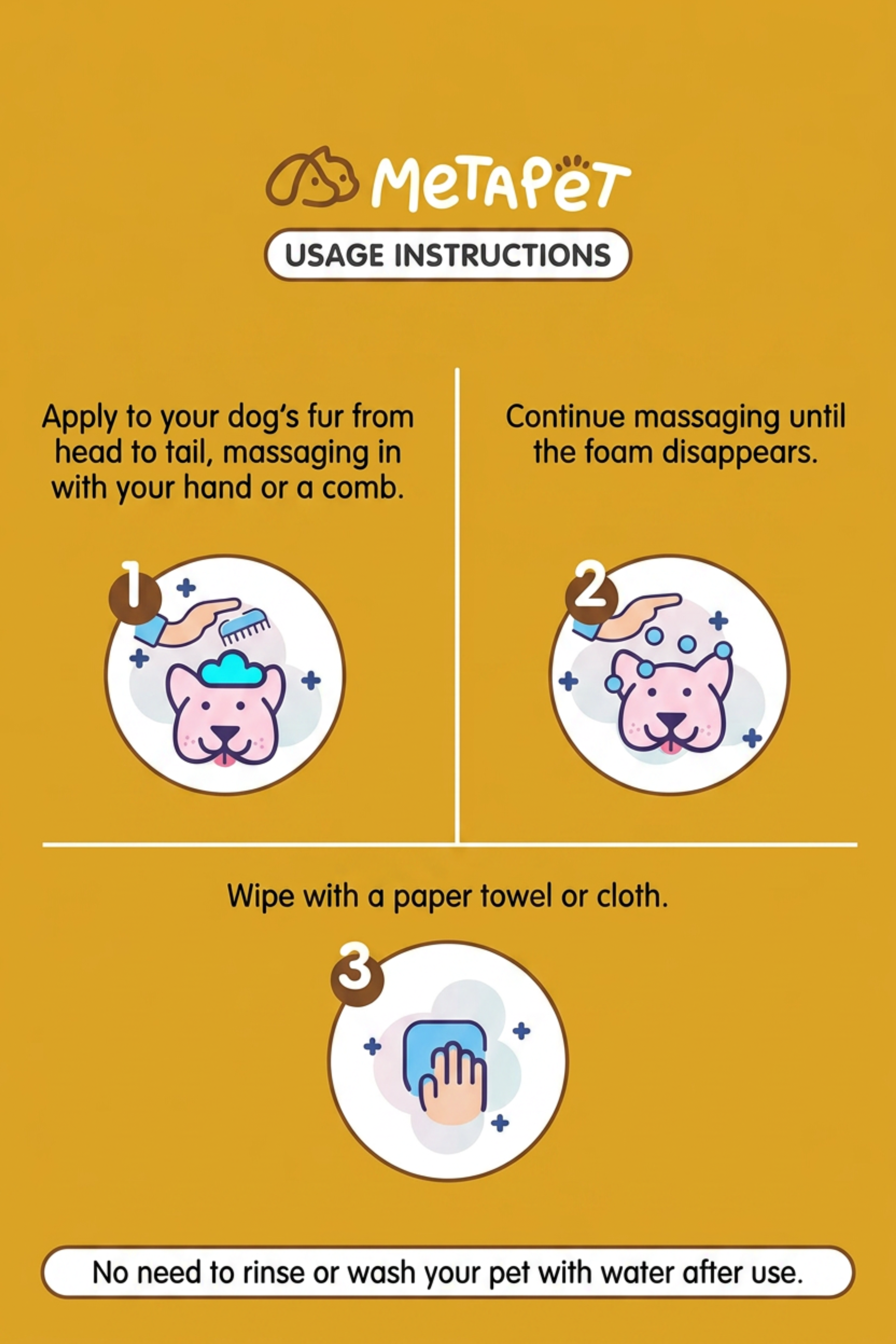
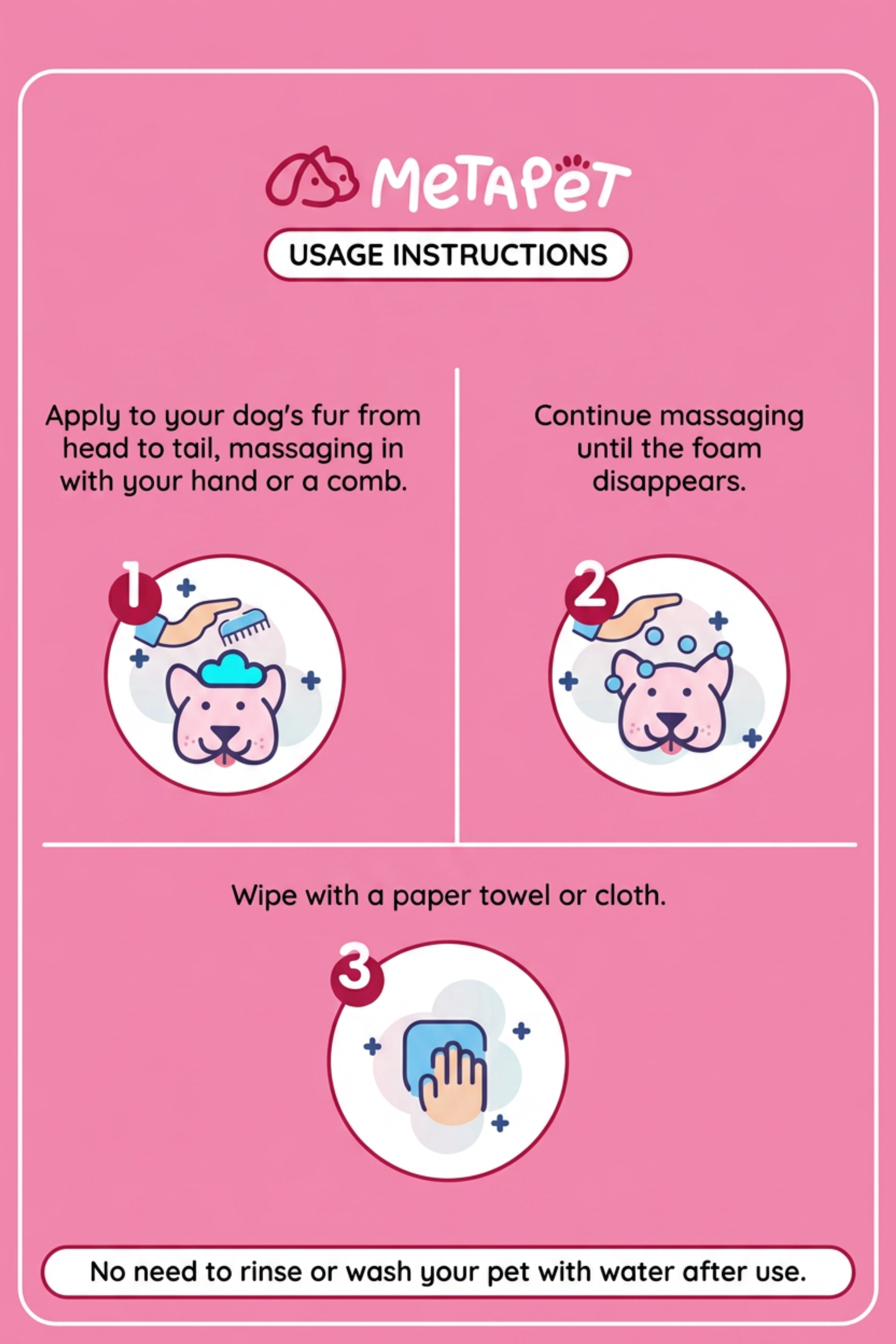
Alongside the treatment your veterinarian prescribes, gentle supportive care at home can help your pet stay comfortable while the skin heals. Keep bedding clean, provide a calm environment, and avoid anything that further irritates sensitive skin. Your veterinarian may recommend a specific cleansing or bathing routine as part of the plan.
Routine, gentle grooming and the use of mild, pet-appropriate cleansing products can help support general skin and coat hygiene as part of an overall care routine. These supportive steps complement, but never replace, proper veterinary diagnosis and treatment. If you are unsure whether a particular shampoo, wipe, or grooming product is suitable while your pet is recovering, ask your veterinarian first.
Is Mange Contagious to People or Other Pets?
Whether mange spreads depends on the mite involved. Sarcoptic mange is highly contagious between dogs and can cause a temporary, itchy reaction in humans, though the mite does not typically complete its life cycle on people. Ear mites can spread between pets in a household. Demodectic mange, by contrast, is generally not considered contagious between healthy animals.
Because the contagious risk varies so much, it is important to get an accurate diagnosis. If one pet is diagnosed with a contagious mite, your veterinarian can advise whether other animals in the home should be examined or treated, and what cleaning steps may help reduce reinfestation.
Supporting Healthy Skin and Coat Long-Term
Healthy skin is more resilient, so general wellness care supports your pet over the long run. Regular veterinary checkups, year-round parasite prevention as recommended by your veterinarian, a complete and balanced diet, and routine grooming all contribute to skin and coat health. Catching skin changes early makes them easier to address.
- Routine checkups: Regular exams help catch skin issues before they become severe.
- Parasite prevention: Follow your veterinarian recommendations for ongoing parasite control.
- Good nutrition: A balanced diet supports overall skin and coat condition.
- Regular grooming: Brushing and gentle cleansing help you spot problems early and keep the coat in good shape.
If you ever notice persistent itching, hair loss, or skin changes, do not wait. An early veterinary visit is the best way to keep small problems from becoming bigger ones.
Common Questions About Mange and Mites
Can I treat mange at home without a vet?
No. Different mites need different treatments, and some over-the-counter products can be unsafe. A veterinary diagnosis is essential before any treatment.
Why is my pet so itchy if I cannot see anything?
Mites are microscopic, and conditions like sarcoptic mange cause intense itching with few visible mites. A veterinary skin exam can identify the cause.
Will mange go away on its own?
It is unwise to wait. Mite infestations usually need veterinary treatment, and untreated skin disease can worsen and lead to secondary infections.
Can indoor cats get mites?
Yes. Indoor cats can still be exposed, for example through contact with other animals, so any persistent ear or skin irritation should be checked by a veterinarian.
The Bottom Line
Mange and mite infestations are uncomfortable but manageable when handled correctly. The keys are recognizing the signs early, getting an accurate veterinary diagnosis to identify the specific mite, and following a complete, vet-guided treatment plan rather than attempting to treat blindly at home.
With prompt professional care, supportive home hygiene, and ongoing wellness and parasite prevention, most pets recover well and return to comfortable, healthy skin. When in doubt about any skin or ear problem, your veterinarian is the right place to start.