Bathing Your Dog or Cat: A Safe, Step-by-Step Routine

Bathing is part of keeping many pets clean, comfortable, and pleasant to cuddle, but it is also a task that owners often find tricky. Bathe too often or with the wrong products and you can leave the skin dry; bathe too rarely and the coat can become dirty or matted. Add in a pet who dreads water, and bath time can become a struggle. Knowing how to bathe your dog or cat safely and calmly makes the whole process easier for both of you.
This guide walks through how often pets generally need bathing, how to prepare, a gentle step-by-step routine, and tips for drying and for handling water-averse pets. It also looks at waterless options for between baths. The aim is a safe, low-stress approach that supports a clean, healthy coat as part of your regular care routine.
Important: This article provides general educational information about routine bathing and coat hygiene and is not a substitute for an in-person veterinary examination. If your pet has a skin condition, wound, or other health concern, consult your veterinarian for advice before bathing and for any medicated or special-care products.
How Often Should You Bathe Your Pet?
There is no single bathing schedule that fits every pet, because the right frequency depends on the species, breed, coat type, lifestyle, and individual skin. Some dogs that spend lots of time outdoors or have oily coats may benefit from more frequent baths, while others need them only occasionally. Over-bathing can strip natural oils and leave skin dry, so more is not always better.
Most cats are fastidious self-groomers and rarely need full baths unless they get into something messy, have a coat or mobility issue, or your veterinarian recommends it. When in doubt about how often to bathe your particular pet, ask your veterinarian or a professional groomer, who can suggest a routine suited to your pet coat and needs rather than a generic schedule.
Choosing the Right Shampoo
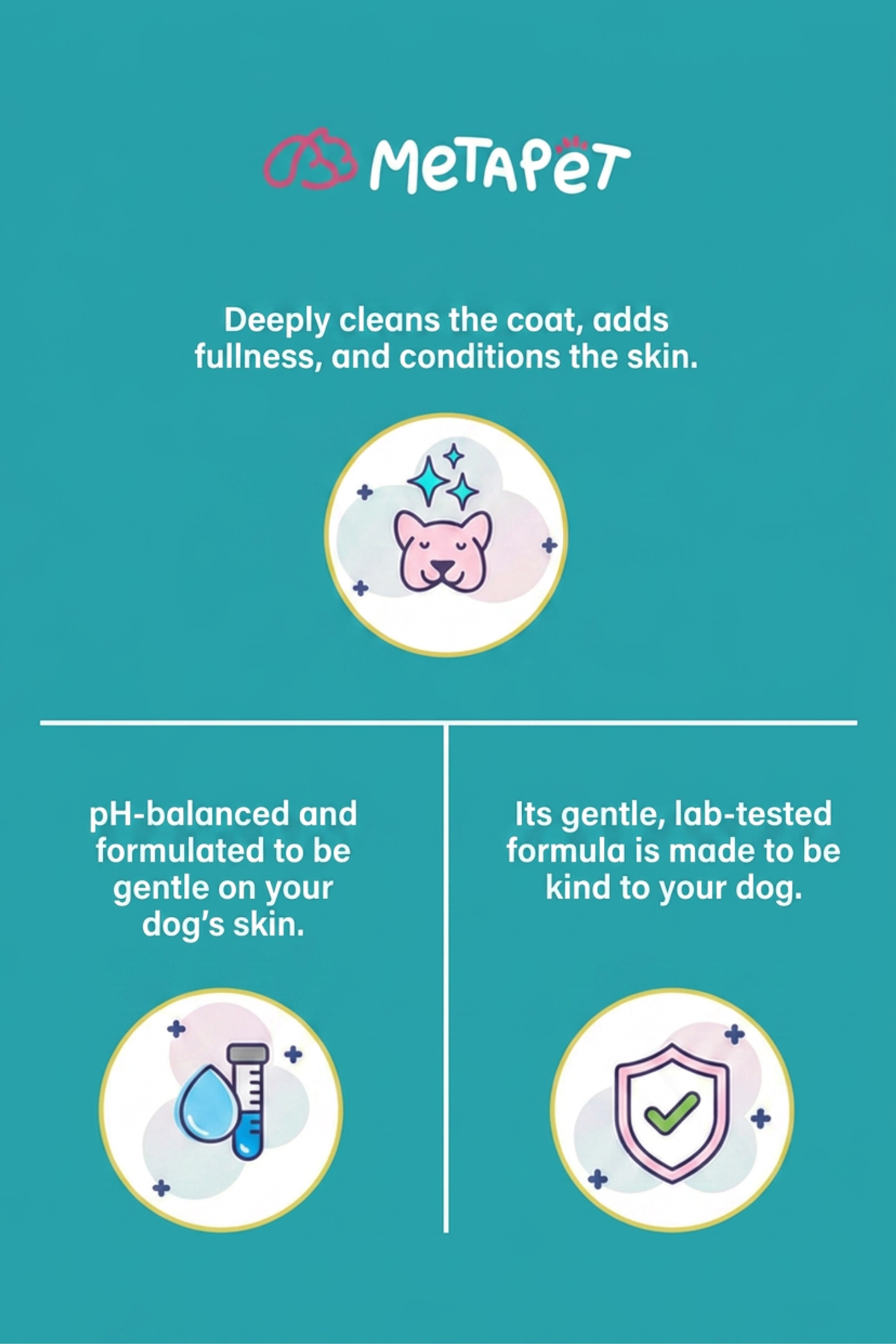
Using a product designed for pets is important, because their skin differs from human skin and human shampoos can be too harsh. A gentle, pet-appropriate shampoo formulated to be kind to the skin helps keep the coat clean and fresh without unnecessary irritation. For routine bathing, many owners choose a pH-balanced formula made for their species.
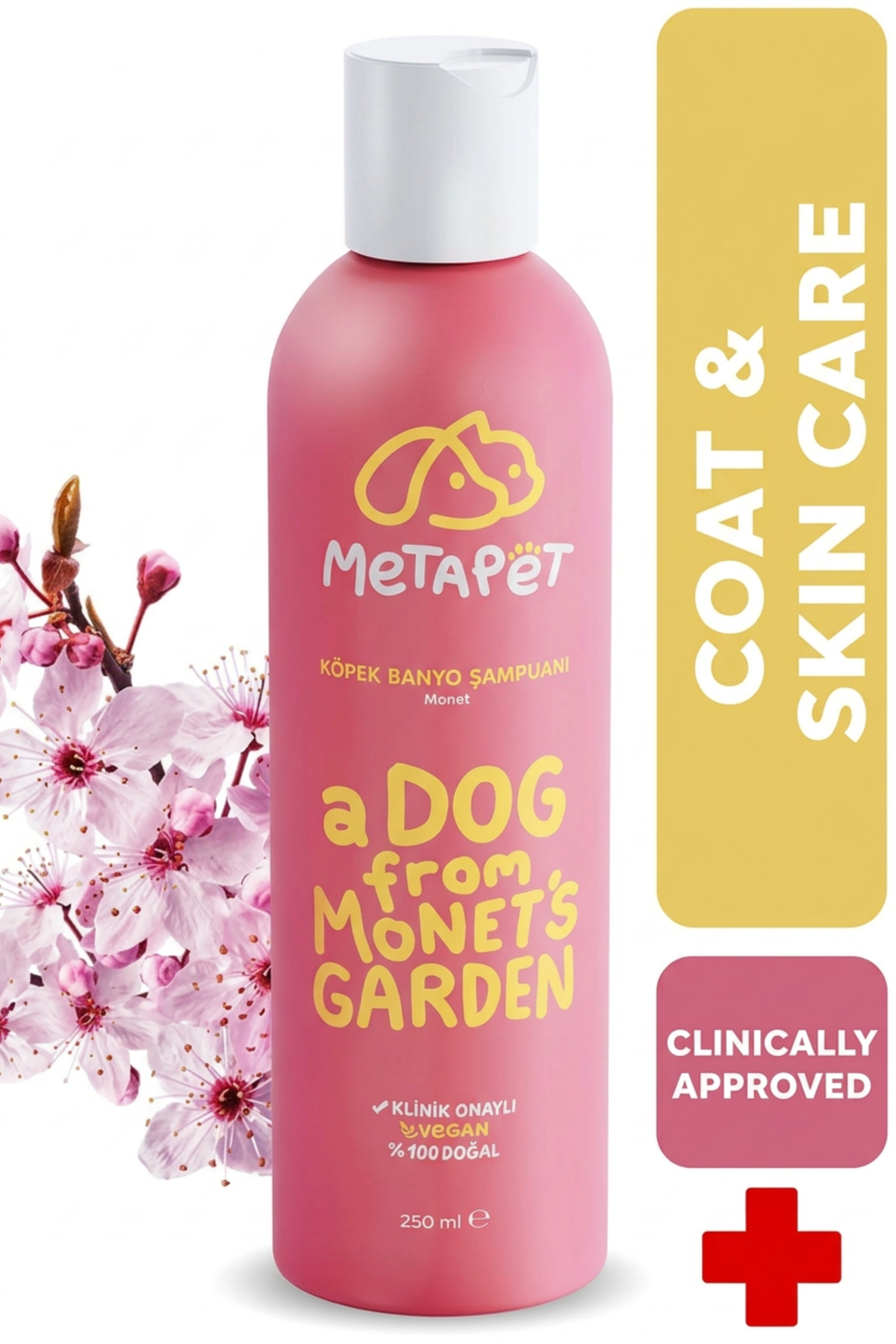
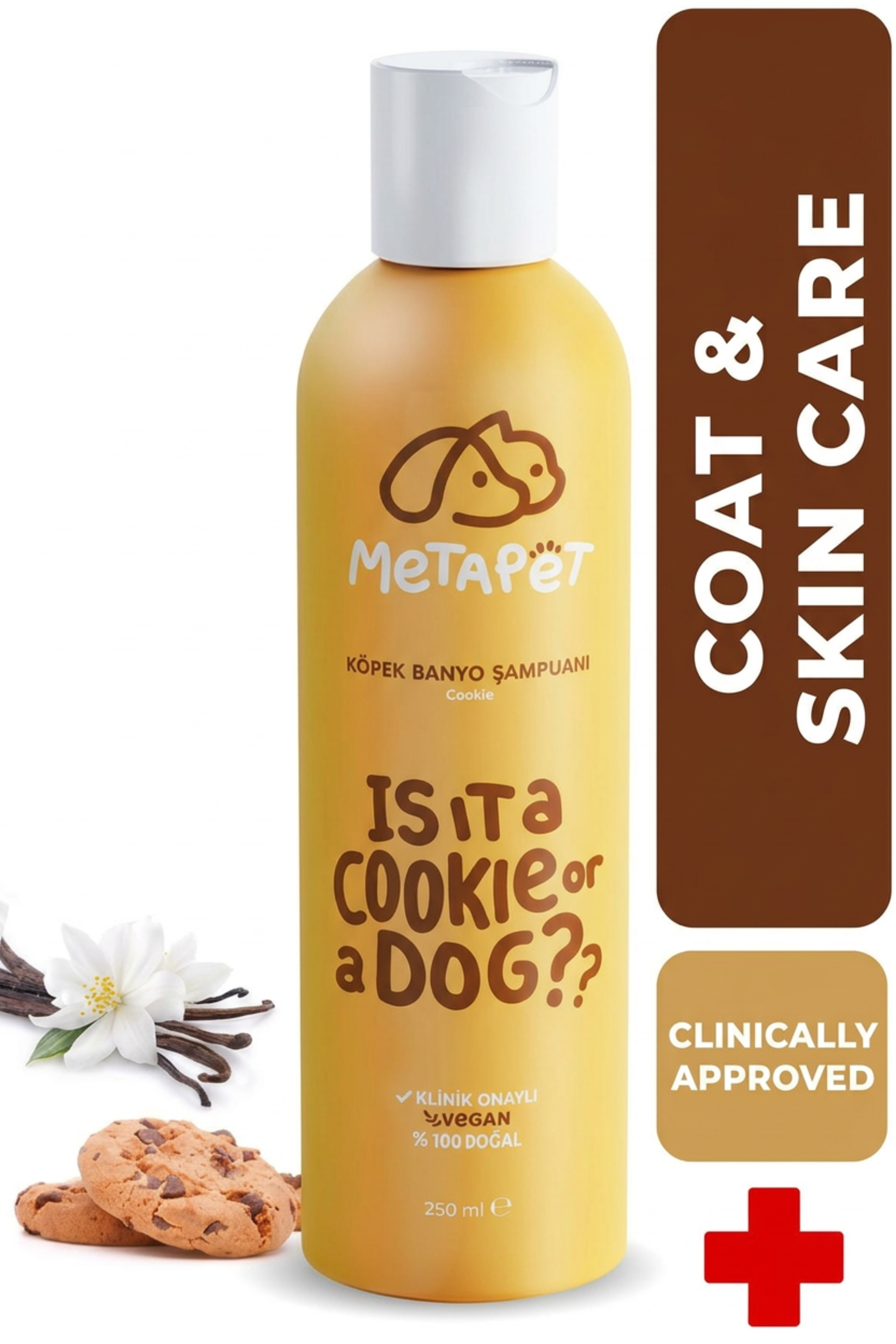
As an example for routine dog bathing, MetaPet offers a pH-Balanced Bath Shampoo for Dogs, designed to gently cleanse the coat as part of a normal grooming routine. Products like this are cosmetic grooming aids meant to help keep the coat clean and fresh, not treatments for any skin condition. If your pet has a specific skin problem, ask your veterinarian, who may recommend a particular medicated or specialized product rather than a routine cleanser.
Preparing for Bath Time
A little preparation makes bathing smoother and calmer. Gather everything you need before you start so you are not scrambling mid-bath with a wet, impatient pet. Setting up in advance also helps keep the experience brief and positive.
- Brush first: Brushing out loose hair and tangles before bathing prevents mats from tightening when wet.
- Gather supplies: Pet shampoo, towels, a non-slip mat, a cup or sprayer for rinsing, and treats within reach.
- Set the temperature: Use lukewarm water, never hot, and a comfortable room temperature.
- Protect the ears and eyes: Avoid getting water and shampoo in the ears and eyes; some owners gently place a cotton ball at the ear opening for dogs, as advised by their groomer or vet.
Having everything ready and the environment warm and secure sets you up for a calm, efficient bath.
A Gentle Step-by-Step Bathing Routine
With preparation done, you can move through the bath calmly. Working methodically and keeping your pet reassured helps the whole process go smoothly.
- Wet thoroughly: Using lukewarm water, wet the coat from the neck back, avoiding the face for now.
- Apply shampoo: Lather a pet-appropriate shampoo gently into the coat, following the product directions.
- Wash carefully: Clean the body, legs, and underside, being gentle around sensitive areas and keeping shampoo away from the eyes.
- Clean the face last: Use a damp cloth for the face rather than pouring water over it, to avoid the eyes and ears.
- Rinse completely: Rinse until the water runs clear; leftover product can irritate the skin.
Throughout, speak softly and offer praise. Keeping the bath efficient and positive helps your pet tolerate it better next time.
Drying Your Pet Properly
Drying is an important and sometimes overlooked step. Start by gently squeezing excess water from the coat, then wrap your pet in an absorbent towel and pat dry. Many pets will want to shake, so be ready. Keeping your pet warm and away from drafts until fully dry is important, especially for small pets and in cooler weather.
If you use a dryer, only use one made or appropriate for pets on a low, cool setting, and never use high heat, which can burn sensitive skin. Many pets are frightened by loud dryers, so introduce any device gradually and positively. For pets that dislike drying, gentle towel-drying in a warm room is often the calmest option. Make sure the coat is fully dry afterward to keep your pet comfortable.
Waterless Options for Between Baths
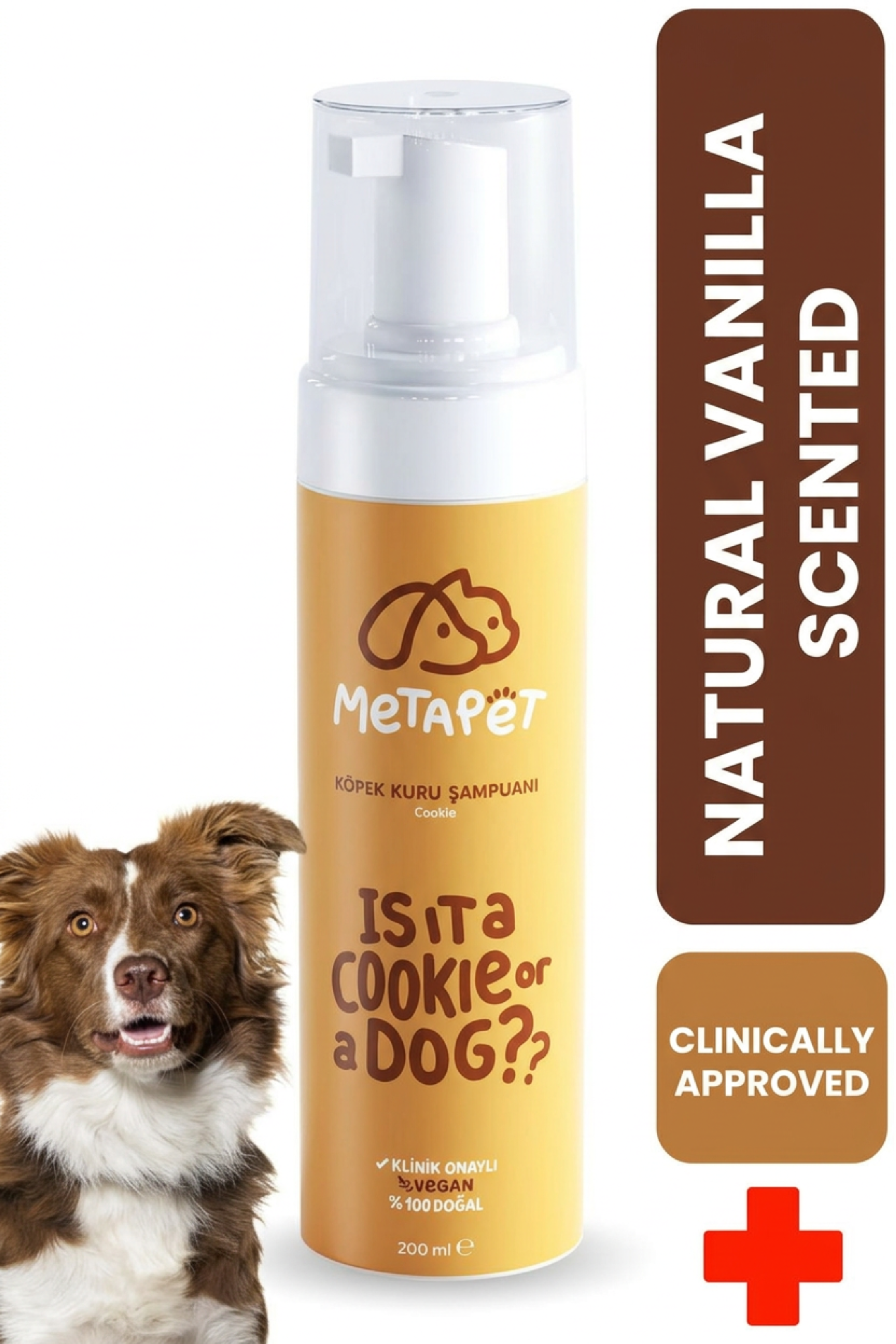
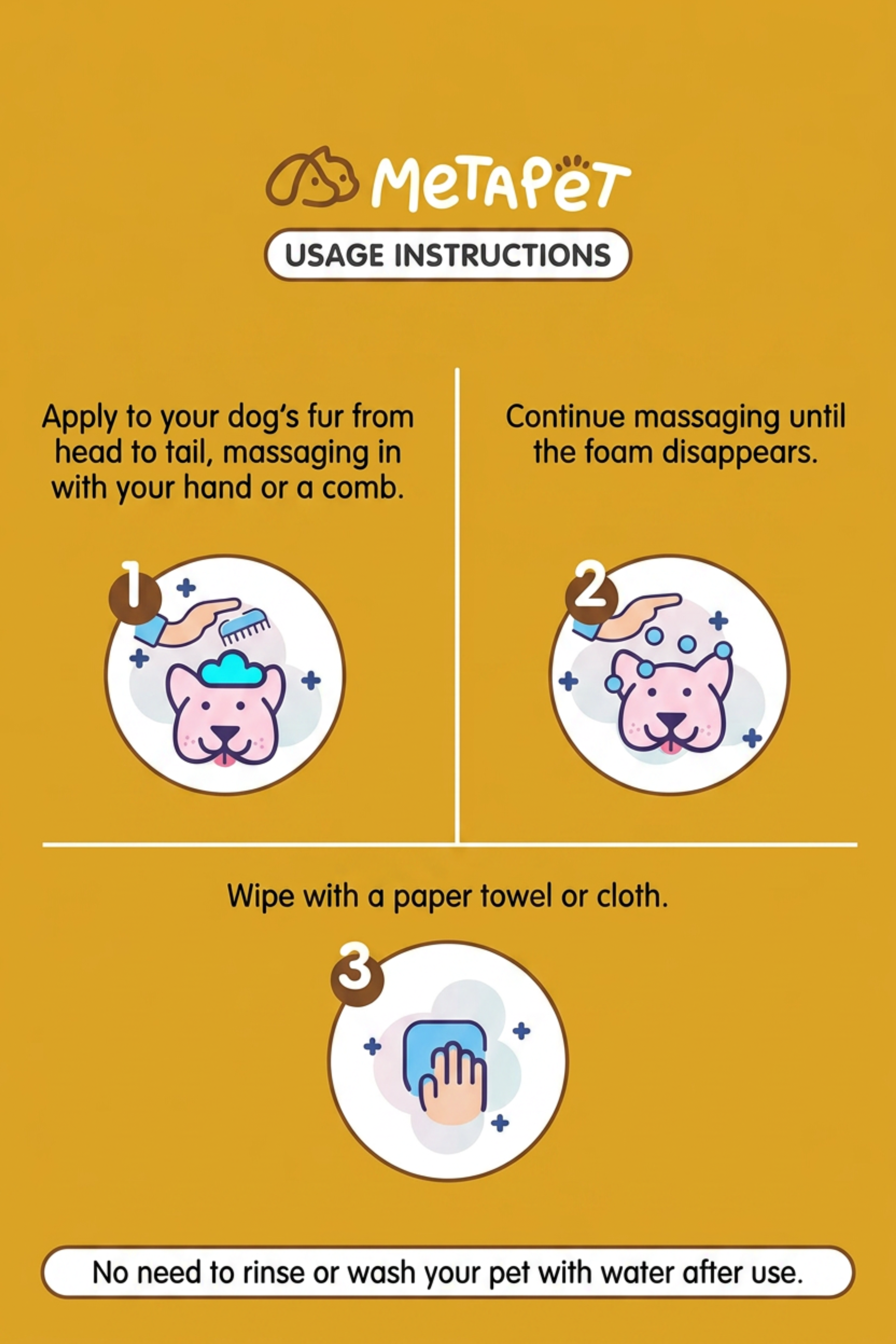
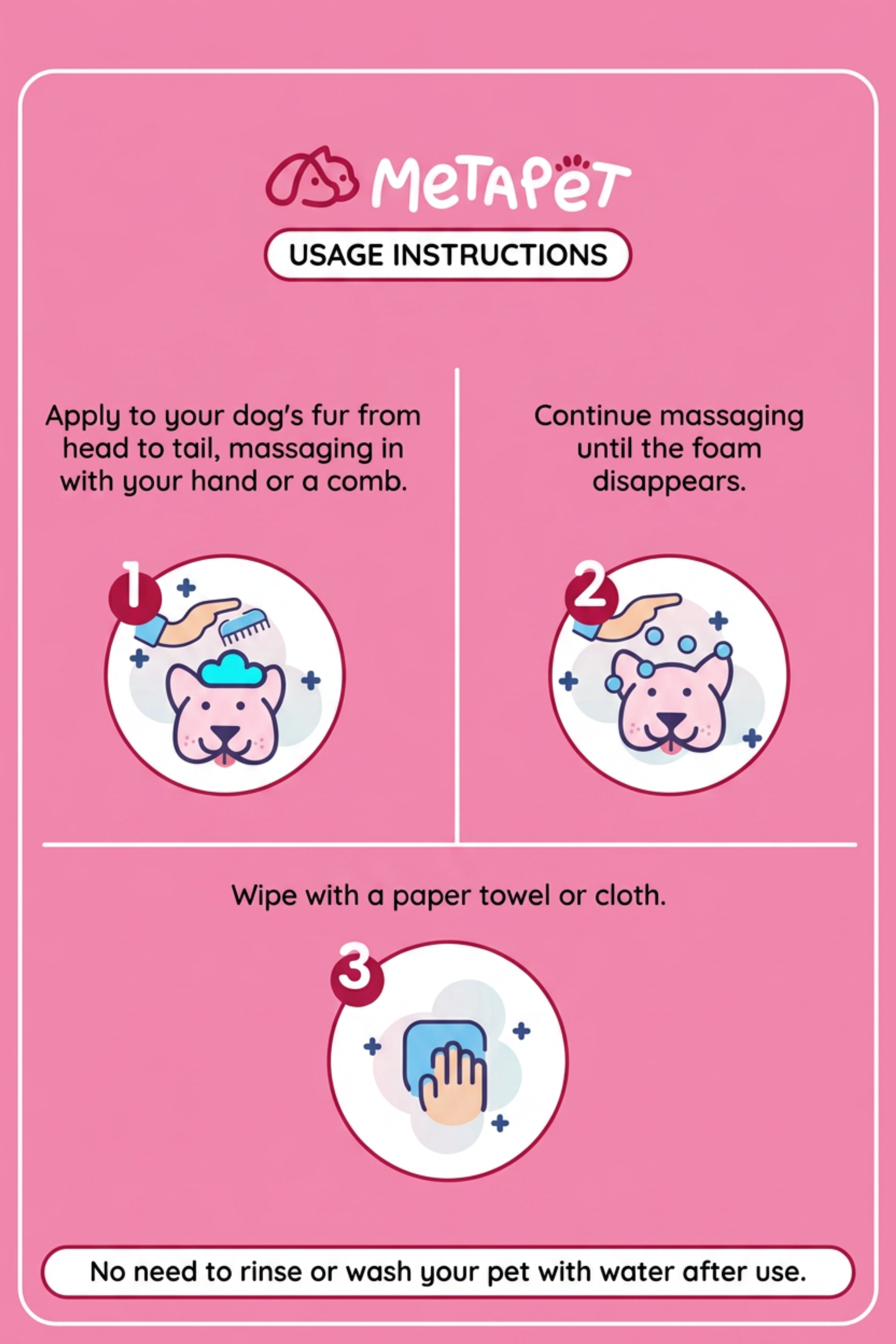
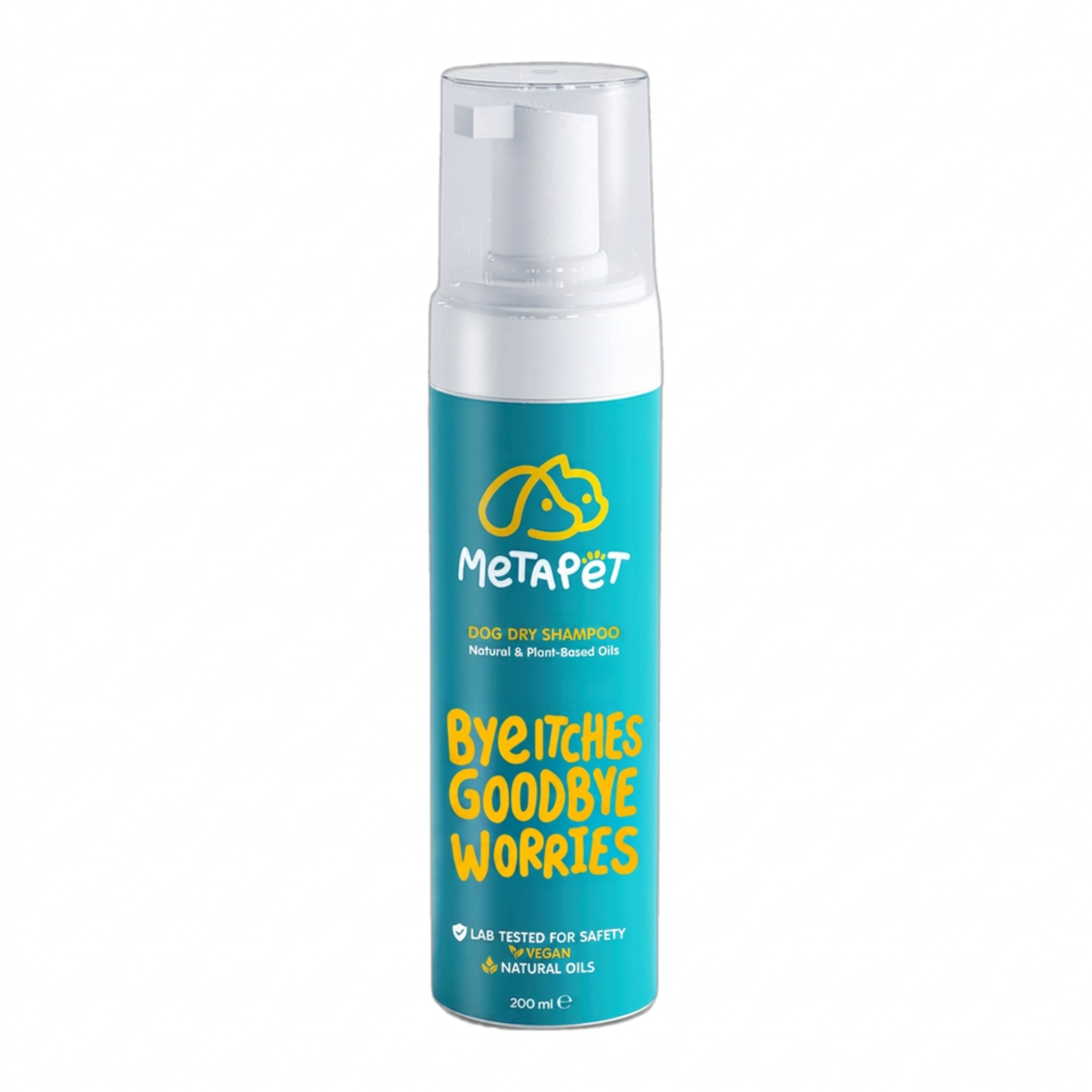
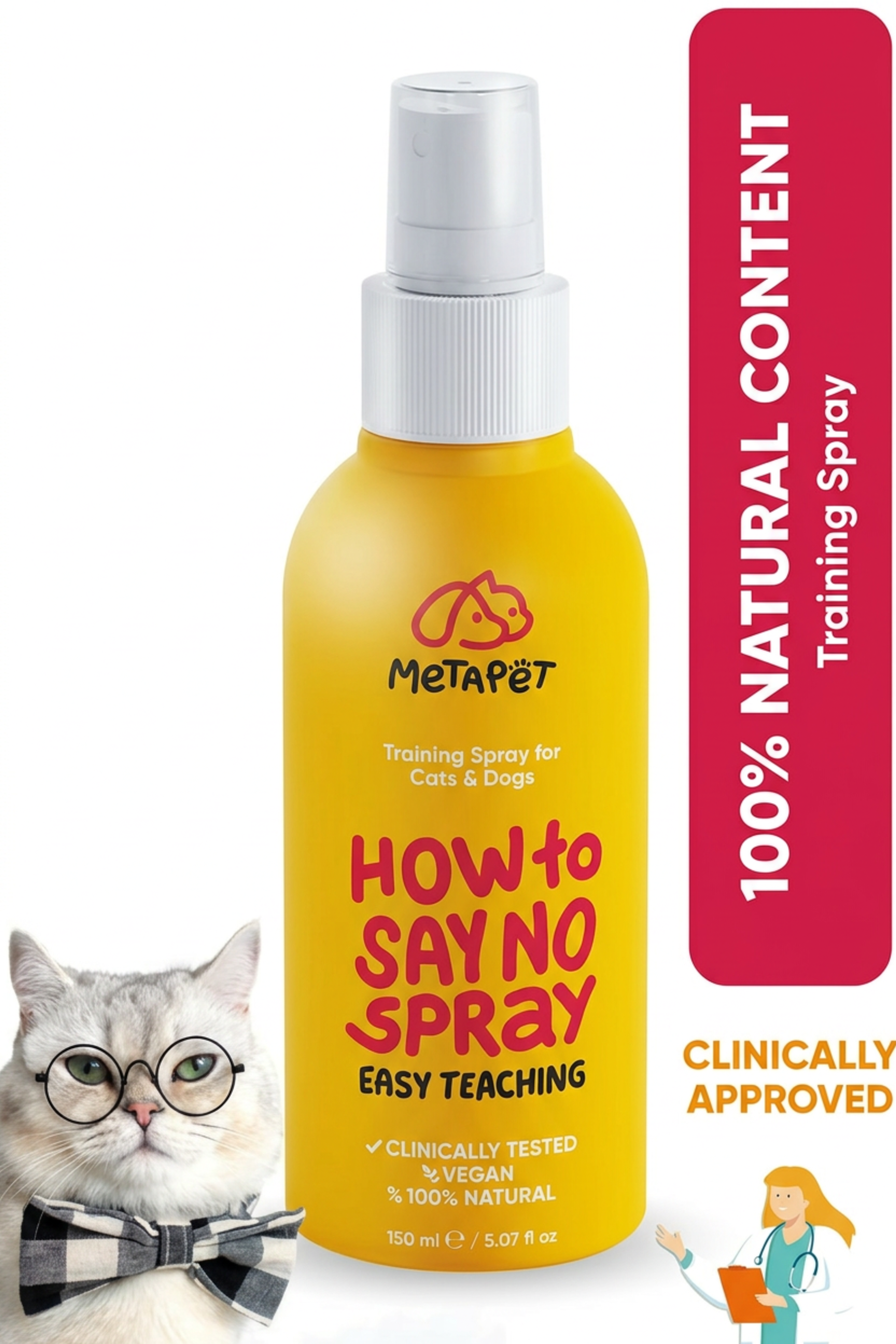
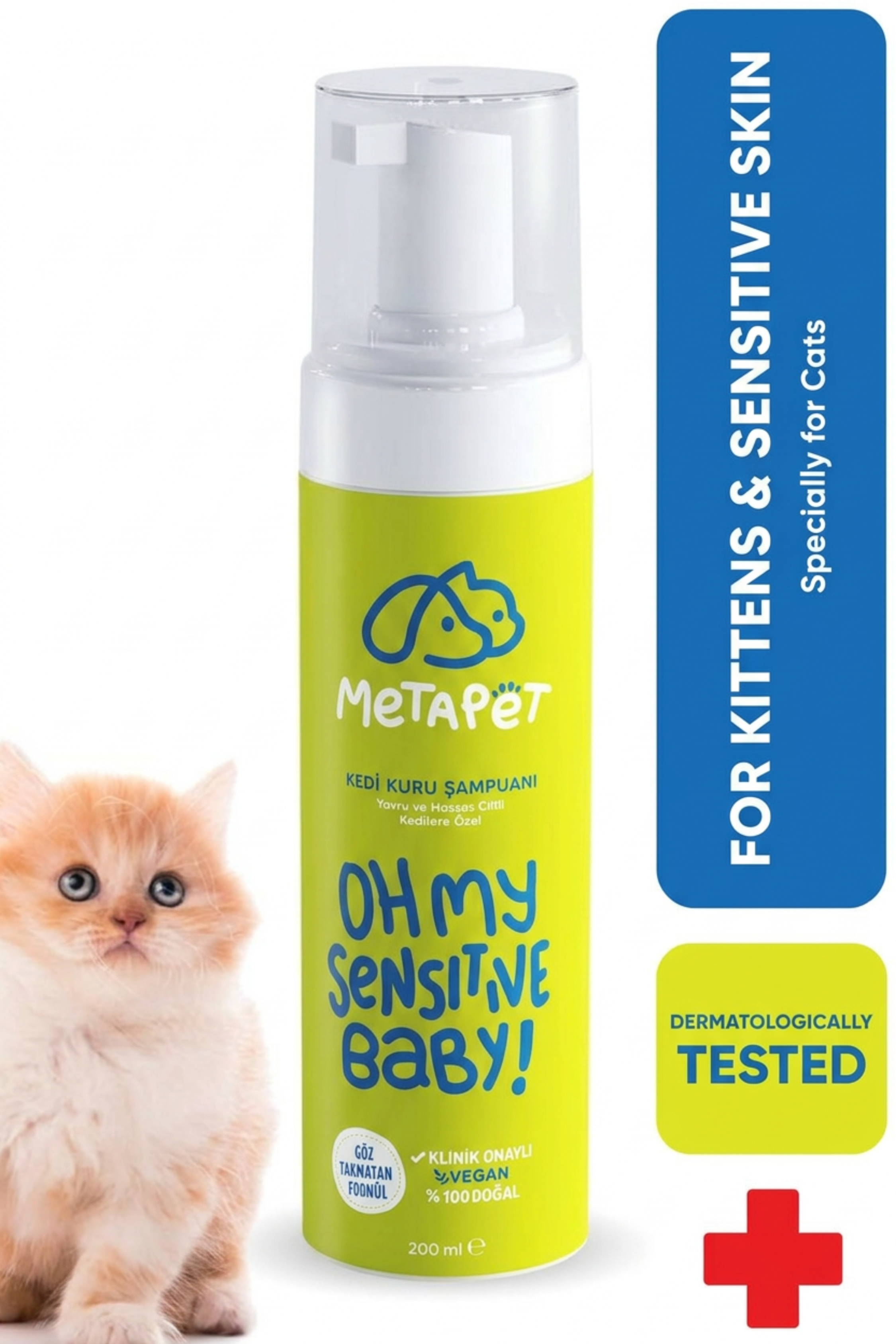
Not every cleanup calls for a full water bath, and not every pet tolerates one well. For quick freshening between baths, for water-averse cats, or for pets who cannot have a full bath at a given time, waterless options can be a convenient part of a grooming routine. These foams are applied to the coat and wiped or brushed through without rinsing.
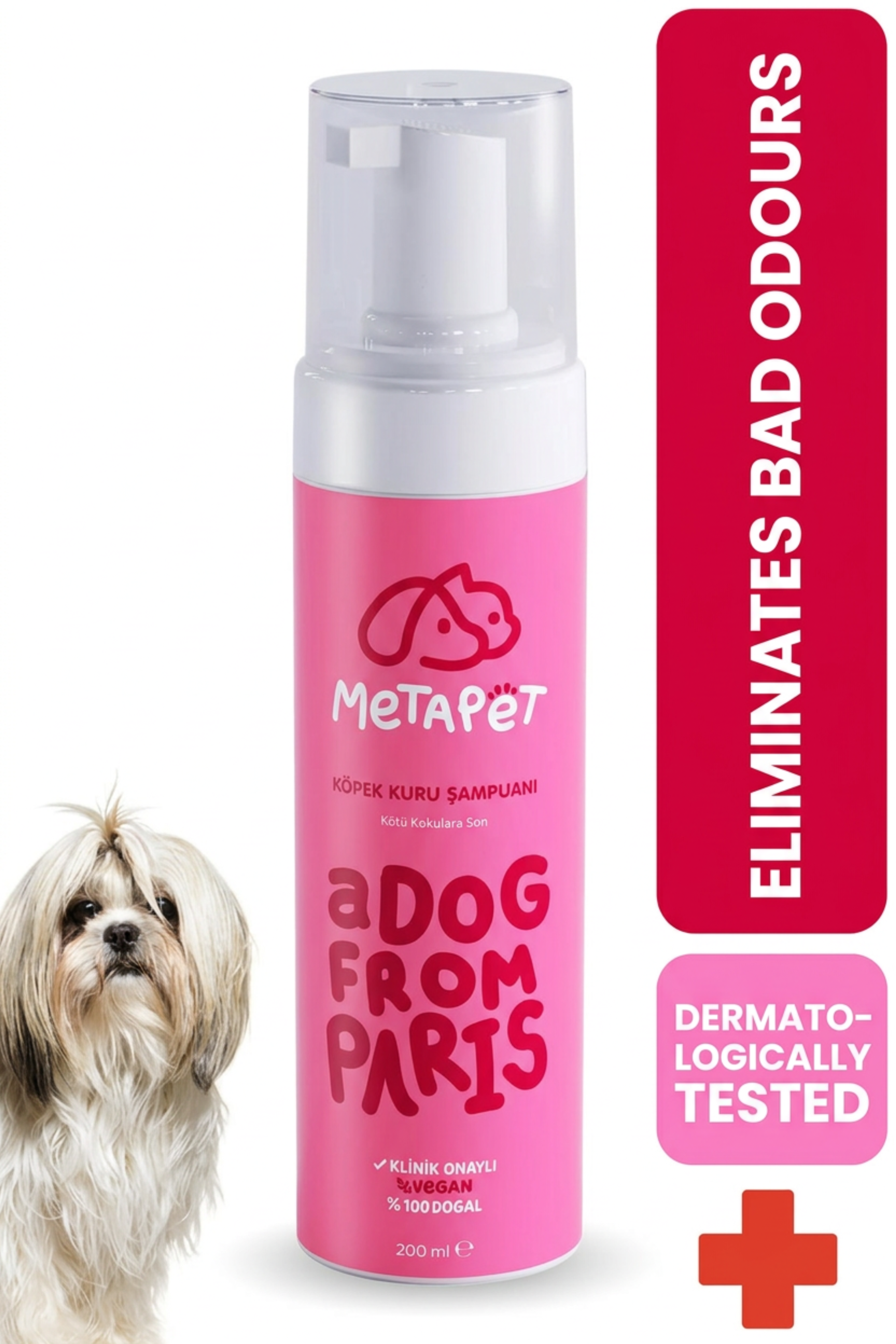
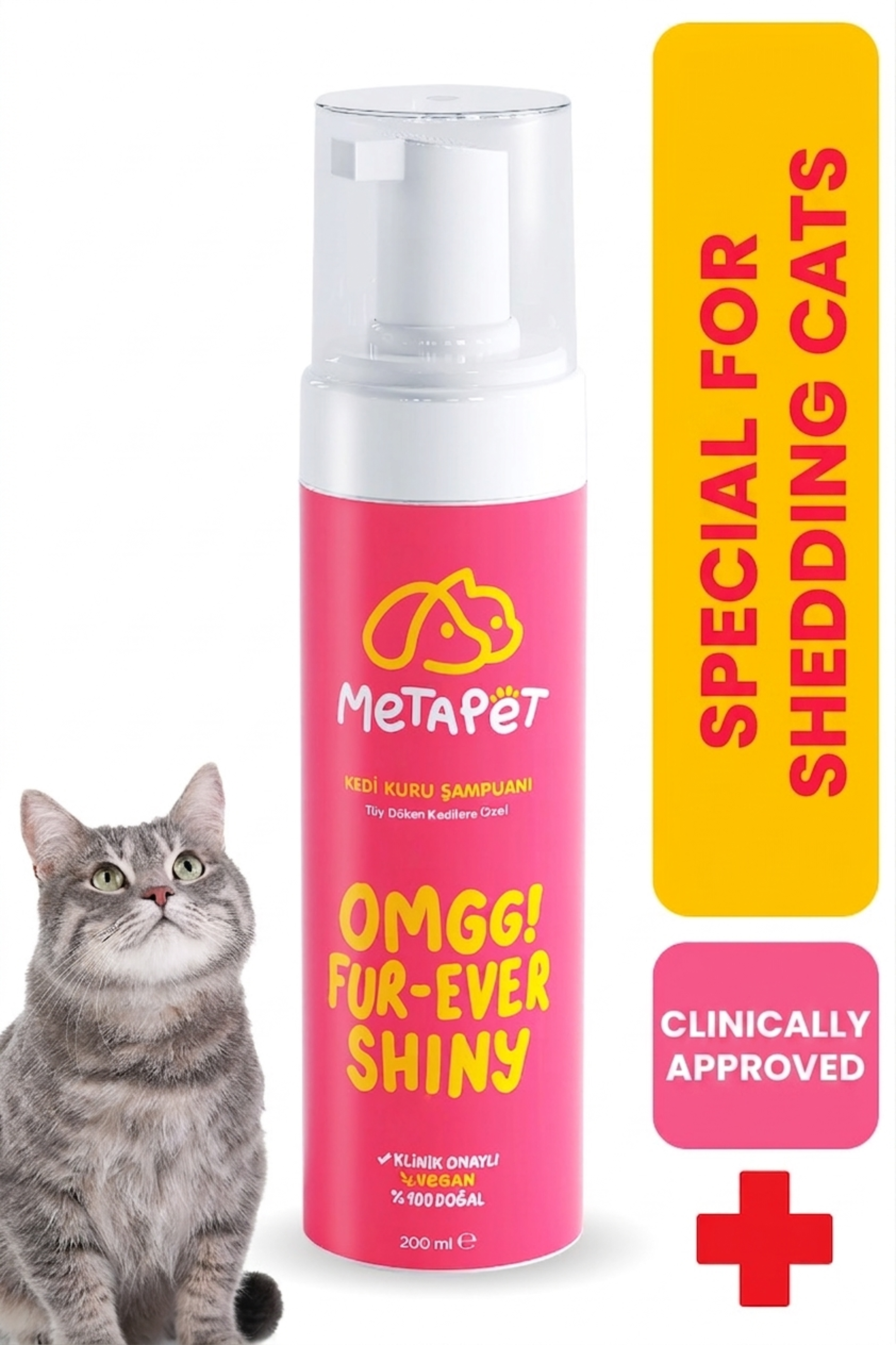
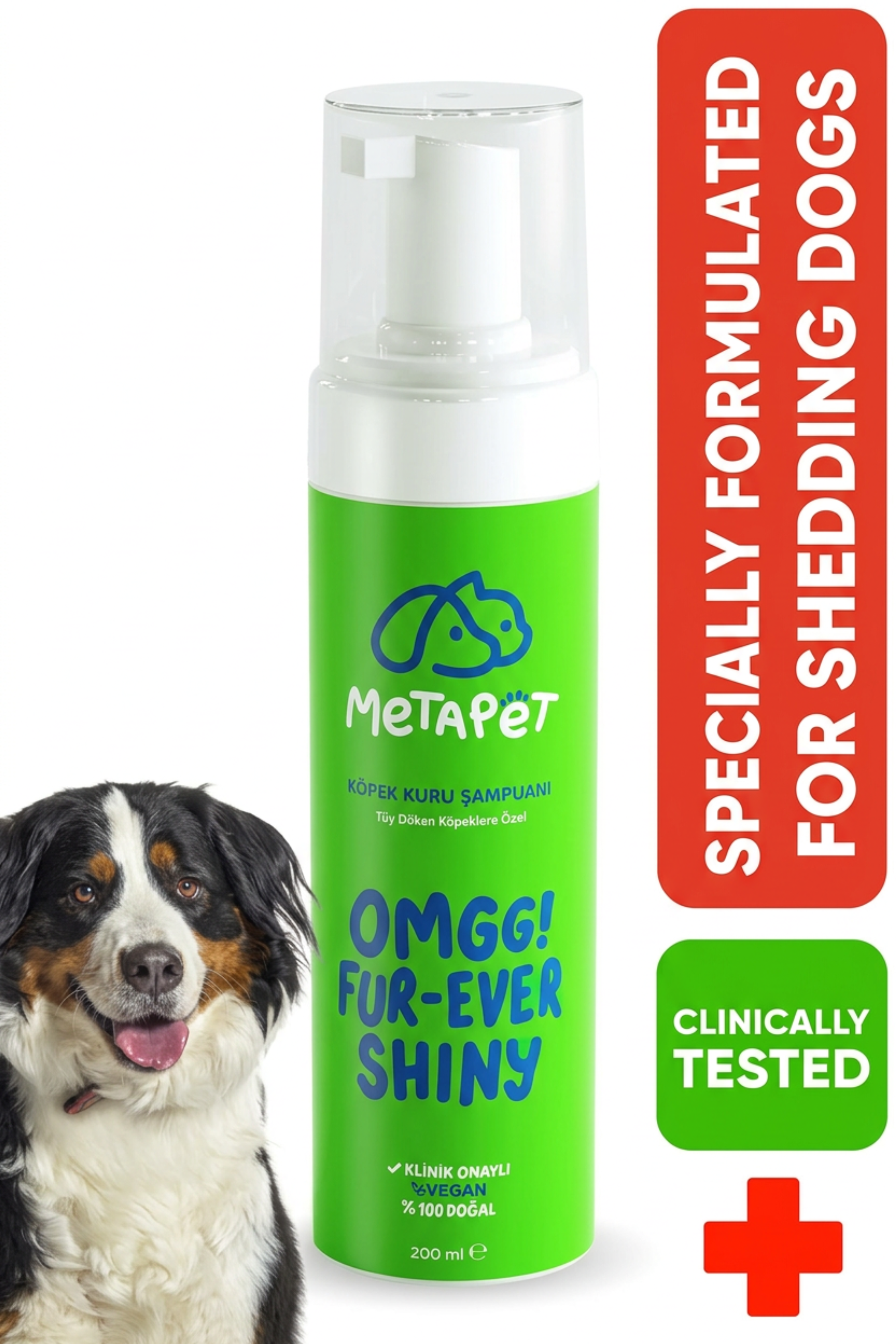
MetaPet offers waterless dry foam shampoos such as A Dog From Paris for dogs and Oh My Sensitive Baby for cats, designed to help keep the coat clean and fresh between full baths. Like all grooming products, these are cosmetic aids for cleanliness, not treatments for skin or medical conditions. They are handy for touch-ups, but they complement rather than replace appropriate full bathing and, of course, veterinary care when a skin issue is involved.
Managing Mats and Tangles
Mats and tangles are more than a cosmetic issue; tight mats can pull on the skin, trap moisture, and cause discomfort. Brushing your pet regularly between baths is the best way to prevent them, and brushing before a bath keeps existing tangles from tightening when wet. A detangling aid can make combing easier on longer or knot-prone coats.
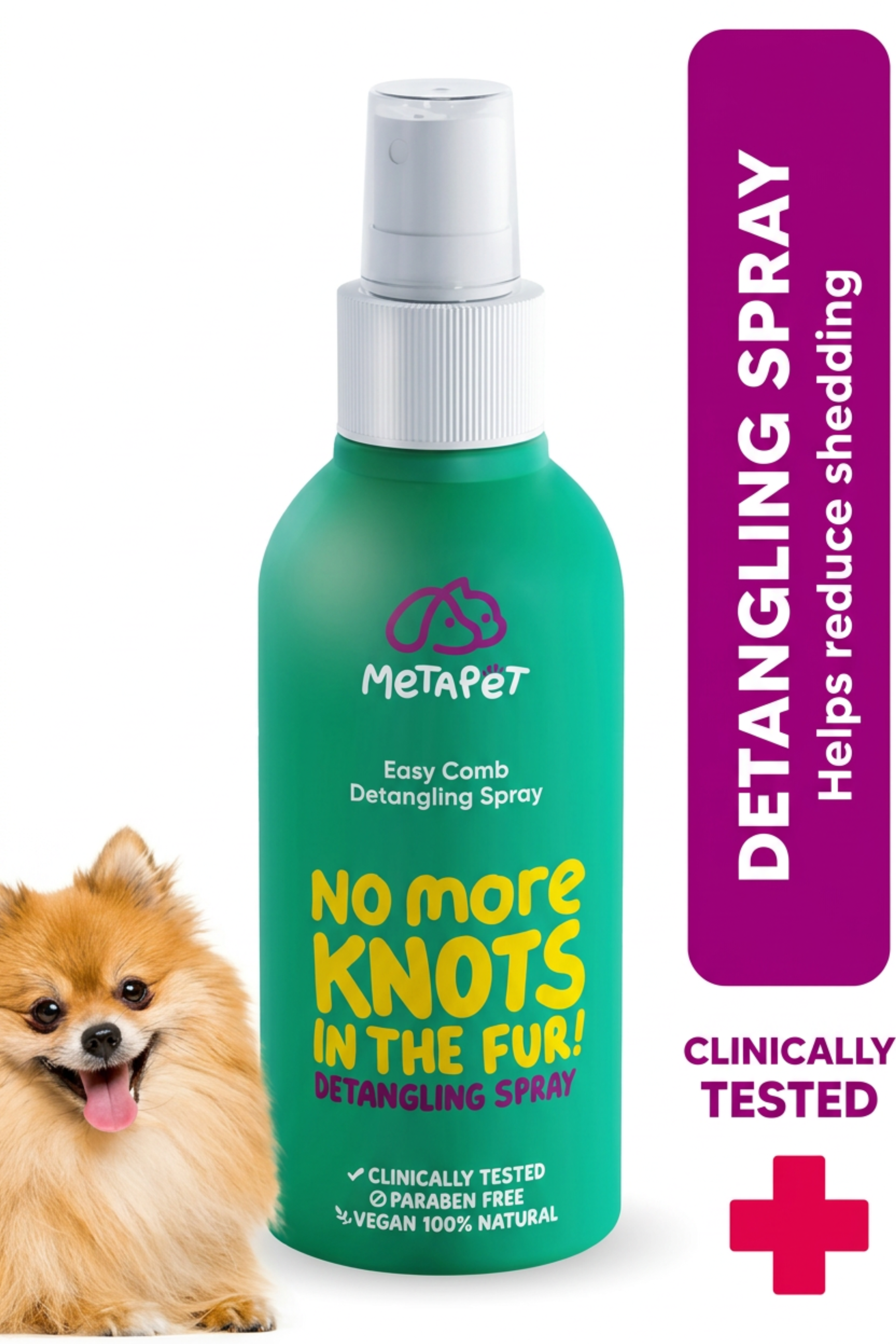
For everyday combing, some owners use a detangling product such as MetaPet No More Knots Detangling Spray to help ease the comb through the coat as part of routine grooming. Severe or tight mats, especially close to the skin, are best handled carefully and sometimes by a professional groomer, since cutting them out at home can risk nicking the skin. If mats are widespread or your pet is uncomfortable, seek professional help.
Bathing Pets Who Dislike Water
Many pets, especially cats and some dogs, find water stressful. For these pets, patience and gradual, positive conditioning make a big difference. Rushing or forcing a frightened pet can make bath time harder every time, so a calm, step-by-step approach pays off.
- Go slowly: Introduce the bathing area, water sounds, and handling gradually, pairing each step with treats and praise.
- Use a non-slip surface: A secure footing helps an anxious pet feel less panicked.
- Keep it short: Brief, efficient baths are easier on a stressed pet.
- Consider waterless options: For very water-averse pets, dry foam products can reduce how often a full bath is needed.
If bathing remains very stressful, a professional groomer experienced with anxious pets can be a great resource, and your veterinarian can advise if anxiety is severe.
When to Be Cautious With Bathing
Routine bathing is generally safe, but there are times to pause and check with your veterinarian first. If your pet has a skin condition, an open wound, a recent surgical site, a heavy parasite problem, or seems unwell, bathing may need to wait or require a specific approach or product. Never apply a medicated or specialized product without veterinary direction.
Also be cautious with very young, very old, or sick pets, who may be more sensitive to chilling or stress. If you are ever unsure whether a particular shampoo, foam, or grooming product is suitable for your pet, especially one with a health concern, ask your veterinarian first. When a skin problem is involved, professional guidance is far more effective than guessing with over-the-counter products.
Common Questions About Bathing Pets
Can I use human shampoo on my dog or cat?
No. Human shampoos can be too harsh for pet skin. Use a gentle, pet-appropriate product instead.
How often should I bathe my dog?
It varies by breed, coat, and lifestyle. Over-bathing can dry the skin, so ask your veterinarian or groomer for a routine suited to your pet.
Do cats need baths?
Most cats groom themselves and rarely need full baths unless they get messy or your veterinarian advises it. Waterless options can help for occasional freshening.
My pet hates baths. What can I do?
Use gradual, positive conditioning, keep baths short, consider waterless products, and ask a professional groomer or your veterinarian for help if needed.
The Bottom Line
Bathing, done correctly, helps keep your pet clean, comfortable, and healthy-coated. The keys are bathing at a frequency suited to your individual pet, using gentle pet-appropriate products, keeping water lukewarm, rinsing thoroughly, and drying carefully, all while keeping the experience calm and positive.
Regular brushing, waterless options for between baths, and professional help for mats or anxious pets round out a sensible routine. And whenever a skin problem or health concern is involved, let your veterinarian guide you. With a gentle approach, bath time can be a manageable, even bonding, part of caring for your dog or cat.