Understanding Your Pet's Urinalysis: A Simple Guide

A urinalysis is one of the most informative and least expensive tests in veterinary medicine, and it is often ordered alongside bloodwork during wellness visits or when a pet is unwell. Owners frequently receive the printed results without a clear sense of what all the abbreviations mean, which makes an already worrying appointment harder to absorb.
Urine carries information from several body systems at once. It reflects how well the kidneys concentrate fluid, whether sugar is spilling into the urine, whether inflammation or infection is present in the urinary tract, and sometimes whether crystals are forming that could contribute to stones. Reading it well requires context — which is why the report goes to your veterinarian, not straight to you.
This guide explains the main components of a routine urinalysis in plain language, describes how samples are collected, and outlines what various findings can suggest. It is educational orientation only. Interpretation of your individual pet's results always belongs with the veterinarian who examined the animal.
Important: This article shares general educational information for pet owners and is not a substitute for an in-person veterinary examination, diagnosis, or treatment. For any medical concern or emergency, contact your veterinarian promptly.
Why Urine Testing Is So Useful
Blood tests and urine tests answer different questions, and each is incomplete without the other. Blood chemistry shows what is circulating in the body; urine shows what the kidneys are doing with it. A kidney value can look acceptable on bloodwork while dilute urine reveals that the kidneys are already struggling to concentrate.
Urinalysis also catches conditions early. Sugar appearing in urine can be an early flag for diabetes, protein loss can point to kidney or systemic disease long before other signs appear, and inflammatory cells can identify infection in a cat whose only symptom was straining in the litter box. That early-warning value is why many practices include urinalysis in senior wellness screening.
The Three Parts of a Routine Urinalysis
A complete urinalysis has three components, and each contributes something different. When results are reported, they are usually grouped in this order.
- Physical examination: colour, clarity and concentration — how dilute or concentrated the sample is.
- Chemical analysis: a dipstick or analyser measuring pH, protein, glucose, ketones, bilirubin and blood.
- Microscopic sediment examination: the sample is spun down and the sediment examined under a microscope for cells, crystals, casts and organisms.
The sediment examination is often the most informative part and cannot be replaced by a dipstick alone. If only a dipstick was run, your veterinarian may recommend a full analysis to complete the picture.
Specific Gravity: How Well the Kidneys Concentrate
Urine specific gravity measures concentration relative to water. Healthy kidneys adjust concentration constantly — producing more concentrated urine when the body needs to conserve water and more dilute urine after a large drink. Persistent dilute urine in a pet that is not drinking unusually can be an early signal that concentrating ability is reduced.
Context is essential. A single dilute sample from a dog that just drank a bowl of water means little. Interpretation depends on hydration status, the timing of the sample, blood results and clinical signs, which is why your veterinarian may ask for a first-morning sample or repeat testing rather than acting on one reading.
Protein in the Urine
Small amounts of protein can appear in urine for benign reasons, including concentrated samples, inflammation of the lower urinary tract, or contamination during collection. Persistent protein loss in the absence of inflammation is more significant, because it can indicate that the kidney's filtration barrier is leaking.
When protein is found, veterinarians often follow up with a urine protein-to-creatinine ratio, which quantifies loss more precisely, and check blood pressure, since high blood pressure and protein loss frequently travel together. Repeat testing over time is usually more meaningful than any single measurement.
Glucose, Ketones and Metabolic Clues
Glucose should not normally pass into urine. When it does, the most common explanation in dogs is diabetes mellitus, confirmed alongside blood glucose measurement. In cats, stress alone can raise blood glucose enough to spill into urine temporarily, so a single finding in a frightened cat is interpreted cautiously.
Ketones appearing together with glucose are a more urgent finding and can indicate a serious metabolic state that requires prompt veterinary attention. If your pet is drinking and urinating far more than usual, losing weight despite a good appetite, or seems lethargic and unwell, contact your veterinarian without delay.
Blood, White Cells and Bacteria
Blood in urine may be visible or detected only microscopically, and the causes range widely: inflammation, infection, stones, trauma, clotting problems, prostate disease in male dogs, or tumours. The sediment exam helps distinguish red blood cells from other pigments and shows whether white blood cells are also present.
White blood cells with bacteria suggest infection, though bacteria can also appear as contaminants in a sample collected from the floor or ground. Confirming a true urinary tract infection often requires a sterile sample and a urine culture, which also identifies which antibiotic is appropriate. This is one reason veterinarians prefer to culture before treating rather than guessing.
Crystals, Stones and What They Do and Do Not Mean
Crystals are mineral formations that can appear in urine. Their presence is not automatically a problem — some crystal types form in perfectly healthy animals, and crystals can also precipitate in a sample simply because it sat too long or was refrigerated before analysis. Fresh samples give the most reliable reading.
Persistent crystals, particularly alongside clinical signs, may prompt further investigation for bladder stones with imaging. Management of stone-forming tendencies is individual and typically involves veterinary-directed diet, water intake strategies and monitoring. Never attempt to manage suspected stones with over-the-counter products; urinary blockage, especially in male cats, is a life-threatening emergency requiring immediate veterinary care.
pH and Why It Is Interpreted Carefully
Urine pH varies with diet, time since eating, and the presence of infection. Some crystal types form more readily in acidic urine and others in alkaline urine, so pH is a useful supporting detail. On its own, however, it says little, and chasing a specific pH number with supplements or dietary changes without veterinary direction can do more harm than good.
If your veterinarian is managing a urinary condition, they may recommend a therapeutic diet formulated to influence urine composition. Those diets are prescribed for defined clinical reasons and monitored with follow-up testing, which is quite different from choosing a food based on a pH claim on a package.
How Samples Are Collected
Collection method affects interpretation, and your veterinarian will choose based on what question needs answering. All methods are routine, and none should cause your pet significant distress.
- Free catch: you collect mid-stream urine at home or the clinic staff catch a sample outdoors. Convenient, but may include contaminants from the genital area or environment.
- Cystocentesis: a sterile sample taken with a fine needle from the bladder, usually guided by ultrasound. It is quick, generally well tolerated, and provides the cleanest sample for culture.
- Catheterization: a catheter is passed into the bladder, sometimes used when other methods are not possible or when the bladder must be emptied.
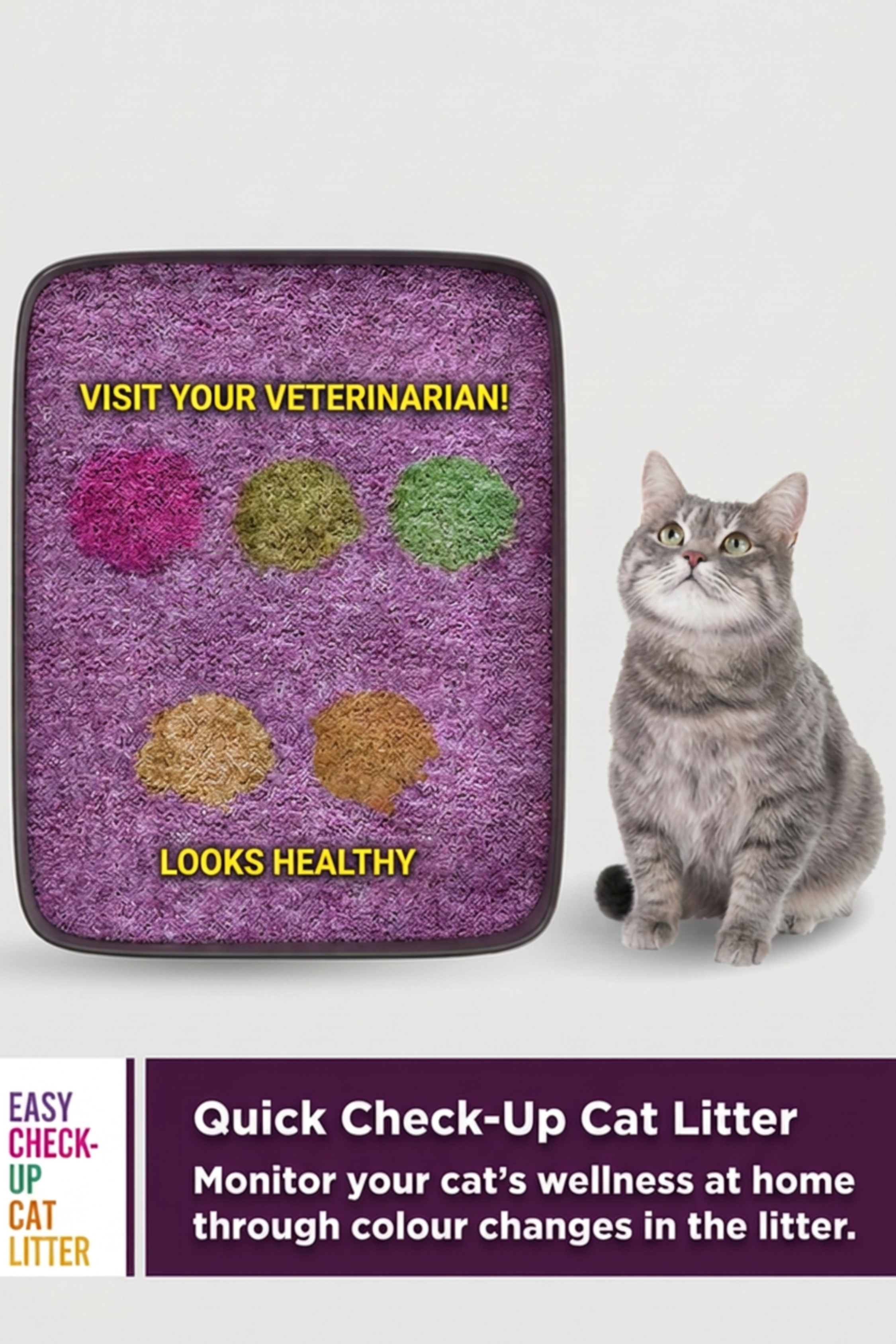
- Non-absorbent litter: for cats, special plastic litter beads allow a sample to be collected at home from a clean, empty litter box.
Collecting a Sample at Home
Home collection saves a stressful trip for a shy cat and can be done successfully with a little preparation. Ask your clinic for a sterile container in advance, and aim for a first-morning sample when urine is most concentrated unless told otherwise.
- For dogs: use a clean shallow container or a ladle taped to a stick, slide it into the stream once urination has started, and avoid touching the inside of the container.
- For cats: empty and wash the litter box, then add non-absorbent beads or a small amount of shredded plastic wrap so urine pools and can be poured off.
- Timing: deliver the sample to the clinic within a couple of hours if possible; otherwise refrigerate it and tell the team it was chilled.
- Labelling: note the time of collection and the method used, since both affect interpretation.
- Do not: squeeze a pet's abdomen to force urination, or collect from an absorbent surface such as puppy pads or clumping litter.
When Urinalysis Is Repeated Over Time
For chronic conditions, trends matter more than snapshots. Pets with kidney disease, diabetes, urinary stone history or protein loss are often monitored with repeat testing at intervals set by their veterinarian, so that gradual changes are caught while there is still room to adjust the plan.
Keep copies of results and bring them to appointments, particularly if you move or change clinics. A three-year sequence of urine and blood results is genuinely valuable clinical information that no new veterinarian can reconstruct from a single visit.
Supporting Urinary Comfort at Home
Everyday habits support the whole urinary system. Provide fresh water in several locations, consider a pet water fountain for cats that prefer moving water, keep litter boxes clean and numerous enough for the household, reduce stress and crowding in multi-cat homes, and maintain a healthy body weight through measured feeding and daily activity.
Watch for changes: straining, frequent small urinations, accidents in a previously reliable pet, blood-tinged urine, or excessive drinking all warrant a veterinary appointment. If a male cat is straining without producing urine, treat it as an emergency and seek veterinary help immediately — this situation can become life-threatening within hours.
Frequently Asked Questions
Does my pet need to fast before a urinalysis?
Fasting is generally not required for urine testing itself, but if bloodwork is being run at the same visit your veterinary team may give fasting instructions. Always follow the specific guidance your clinic provides.
Can I use a human home urine dipstick?
Interpretation differs between species and a dipstick alone misses the sediment examination, which is often the most informative part. Home strips can create false reassurance or unnecessary alarm; leave analysis to your veterinary team.
Is cystocentesis painful?
Most dogs and cats tolerate it well, comparable to a blood draw, and it takes only moments. It is preferred when a sterile sample is needed because it avoids contamination that would confuse a culture result.
How often should a healthy pet have a urinalysis?
Many practices include it in annual wellness screening and more often for seniors or pets with chronic conditions. Your veterinarian will recommend an interval based on age, breed and health history.