Stud Tail in Cats: A Greasy Tail Base Care Guide

If you have ever run your hand down a cat's back and found the fur at the base of the tail feeling waxy, gritty, or slightly greasy, you have met stud tail. It is a well-recognized grooming issue, and the name is misleading — despite the association with unneutered males, it turns up in neutered males and in females too.
In most cats it is a hygiene and grooming matter rather than a medical crisis. But it can progress to skin irritation and infection if it is left, and in some cats it points to something else going on — arthritis, obesity, or another reason a cat has stopped grooming that area properly. This guide covers both sides.
Important: This article shares general educational information for pet owners and is not a substitute for an in-person veterinary examination, diagnosis, or treatment. For any medical concern or emergency, contact your veterinarian promptly.
What Stud Tail Actually Is
Along the upper surface of a cat's tail, near where it joins the body, sits a concentrated cluster of sebaceous glands known as the supracaudal gland. These glands produce sebum — the natural oil that conditions skin and coat and carries scent used in feline communication.
In some cats these glands are more productive than the coat can handle, or the cat is not grooming the area thoroughly enough to distribute and remove the oil. Sebum then accumulates on the skin and along the hair shafts, where it oxidizes and collects debris. The result is a greasy patch, often with waxy dark specks, sometimes with hair that clumps into spiky tufts.
- It is a build-up, not an infection: at least initially — infection is a possible complication rather than the starting point.
- It is not contagious: not to other cats, dogs, or people.
- It is not caused by dirt: the material is the cat's own sebum.
- It can affect any cat: though some are clearly more prone than others.
Which Cats Develop It
Understanding the pattern helps you work out whether your cat's tail base needs a grooming adjustment or a veterinary conversation.
- Unneutered males: the classic group, since androgens influence sebaceous activity — hence the name.
- Neutered males and females: also affected, more often than the name suggests.
- Long-haired cats: dense coat traps sebum and makes distribution harder.
- Overweight cats: physically cannot reach the tail base to groom it.
- Arthritic or senior cats: reduced flexibility means the hindquarters get neglected.
- Indoor cats with low activity: less overall grooming and movement.
- Cats who have stopped grooming generally: a scruffy coat elsewhere alongside a greasy tail base is a signal to see the vet.
That last point is worth underlining. In an adult cat who used to keep themselves immaculate, a newly greasy tail base is often the first visible sign that something has made grooming uncomfortable — most commonly joint pain or weight gain, sometimes dental pain or illness.
What It Looks and Feels Like
Stud tail has a fairly distinctive appearance once you know it, though it can be confused with flea dirt, which is why a proper check matters.
- A greasy or waxy feel: at the top of the tail base, extending an inch or two along the tail.
- Dark, gritty specks: adhering to the skin and hair shafts.
- Clumped, spiky, or matted hair: in the affected patch.
- A yellowish or brownish discoloration: particularly visible on pale cats.
- Thinning hair in the area: with ongoing build-up and irritation.
- Blackheads or small bumps: similar in appearance to the comedones seen in feline chin acne.
- Redness, scabs, or odor: signs it has progressed beyond a grooming issue.
To distinguish it from flea dirt, comb some of the material onto a damp white tissue. Flea dirt is digested blood and dissolves into rusty red streaks; sebum does not. If you see red streaking, your cat has fleas and needs veterinarian-recommended parasite control for every pet in the home.
When It Needs a Veterinarian
Mild build-up in an otherwise healthy, well-groomed cat is manageable at home. These situations are not.
- Redness, swelling, or open sores: suggests secondary skin infection.
- Any odor from the area: particularly a sour or unpleasant smell.
- Your cat resents the area being touched: pain is not part of simple build-up.
- Overgrooming, biting, or chewing at the tail base: raises the question of allergy or parasites.
- A sudden change in a cat who always groomed well: look for the reason behind the reason.
- Hair loss, scabbing, or lesions spreading beyond the tail base: needs a proper skin workup.
Contact your veterinarian if any of these apply. Several conditions can look similar — including flea allergy dermatitis, which classically affects exactly this part of the body — and they need different management. A skin examination costs little and rules a great deal out.
A Practical Home Cleaning Routine
For straightforward build-up, gentle and consistent beats intensive and occasional. Work in short sessions and stop before your cat has had enough.
- Comb the area first with a fine metal comb to lift loose debris and separate clumped hair.
- If the hair is heavily matted, ask your veterinary team or a groomer to clip it — never cut a mat out with scissors, as cat skin tents into mats very easily.
- Clean the area with a product formulated for cats, worked in gently with your fingertips rather than scrubbed.
- Rinse thoroughly if using a rinse-off product, and dry the area properly — damp skin under fur invites problems.
- Comb through once more when dry.
- Repeat as often as your cat's coat needs, which may be once or twice a week initially and less thereafter.
Full baths are stressful for most cats and are rarely necessary for a localized patch. A targeted clean of one small area, done calmly, achieves more than a whole bath your cat fights through.
Grooming Products That Suit the Job
Choose products designed for cats. Cats groom themselves constantly and ingest whatever is left on the coat, so human shampoos, degreasing dish soaps, and essential oil blends are not appropriate. Several are actively unsafe for cats.
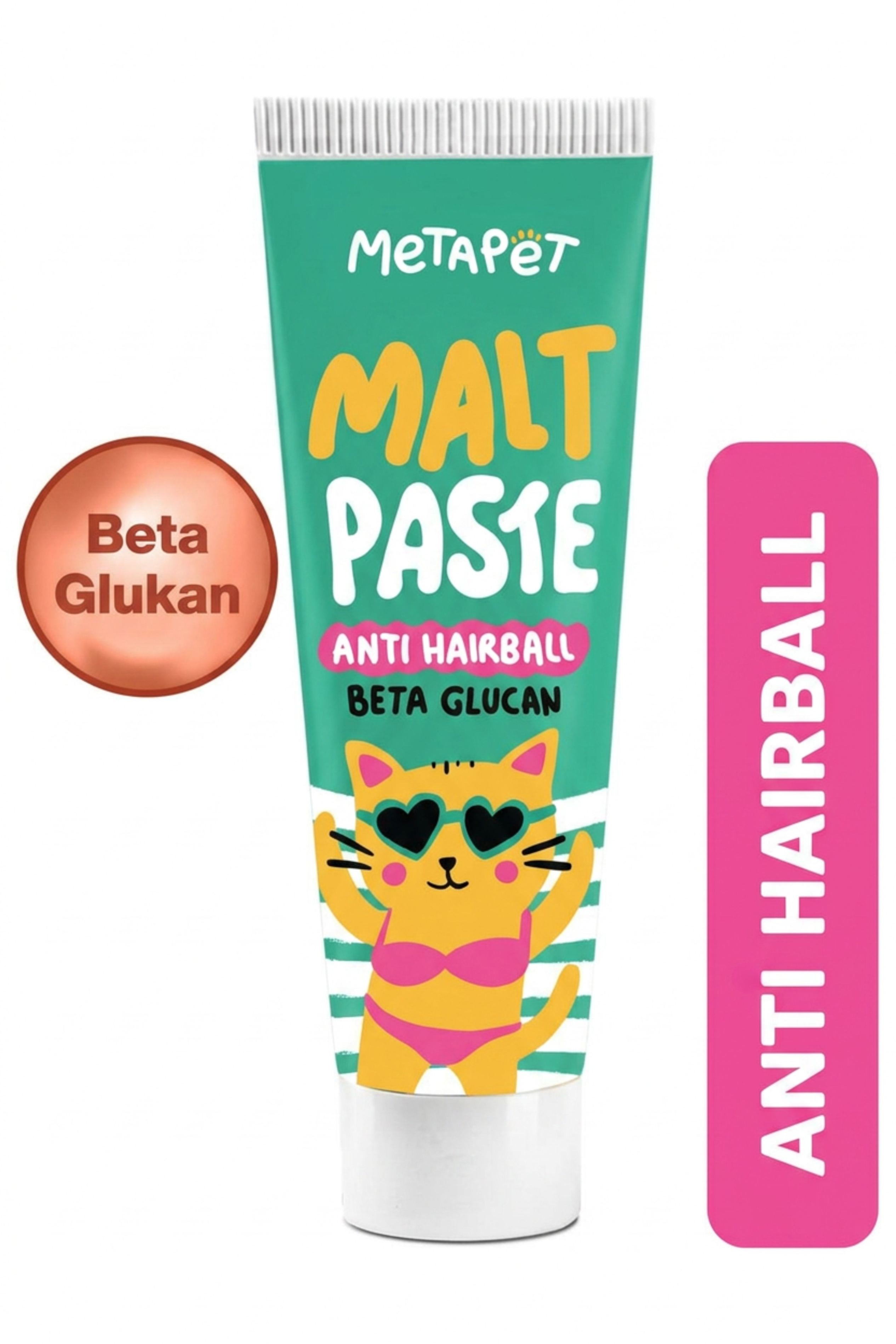
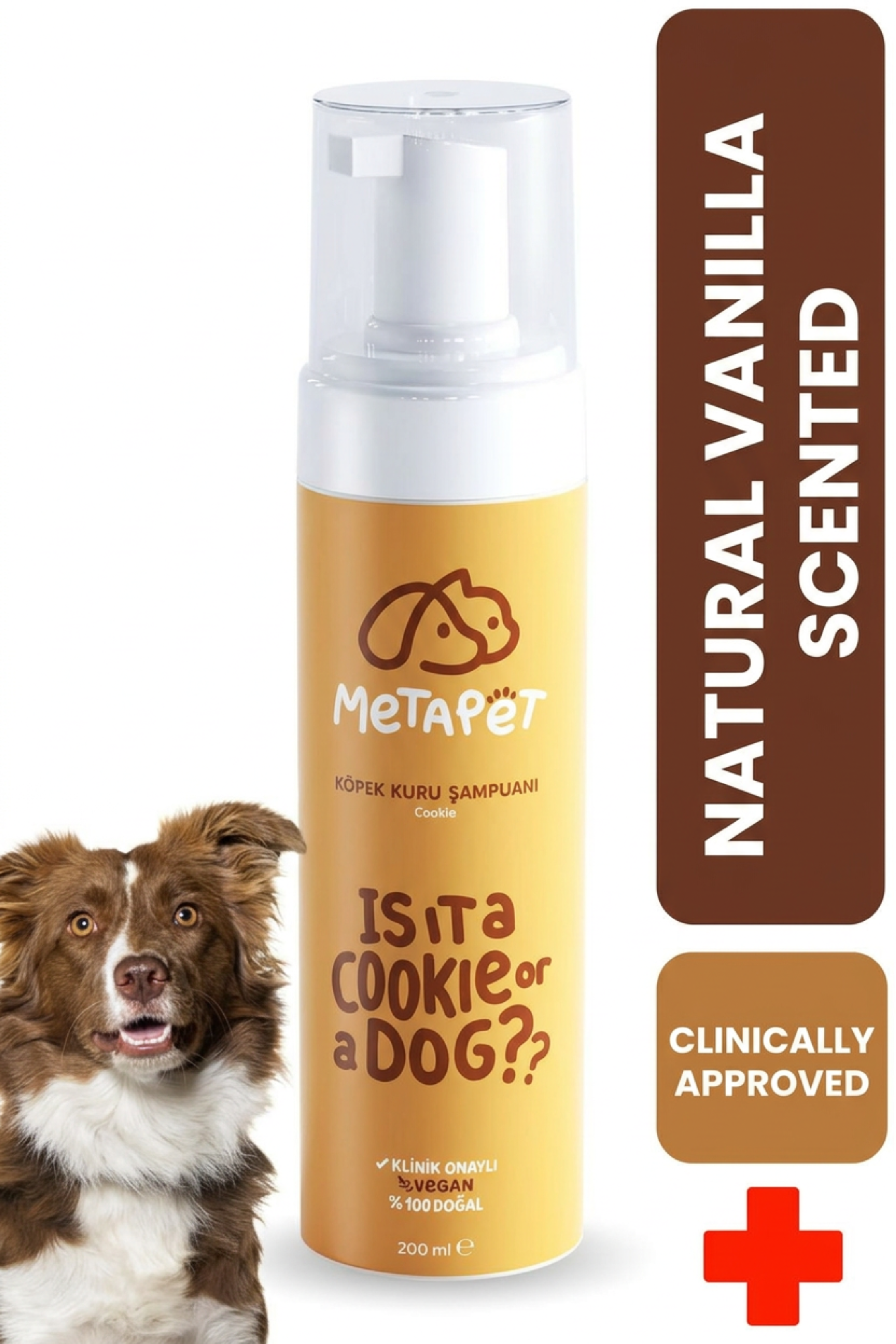
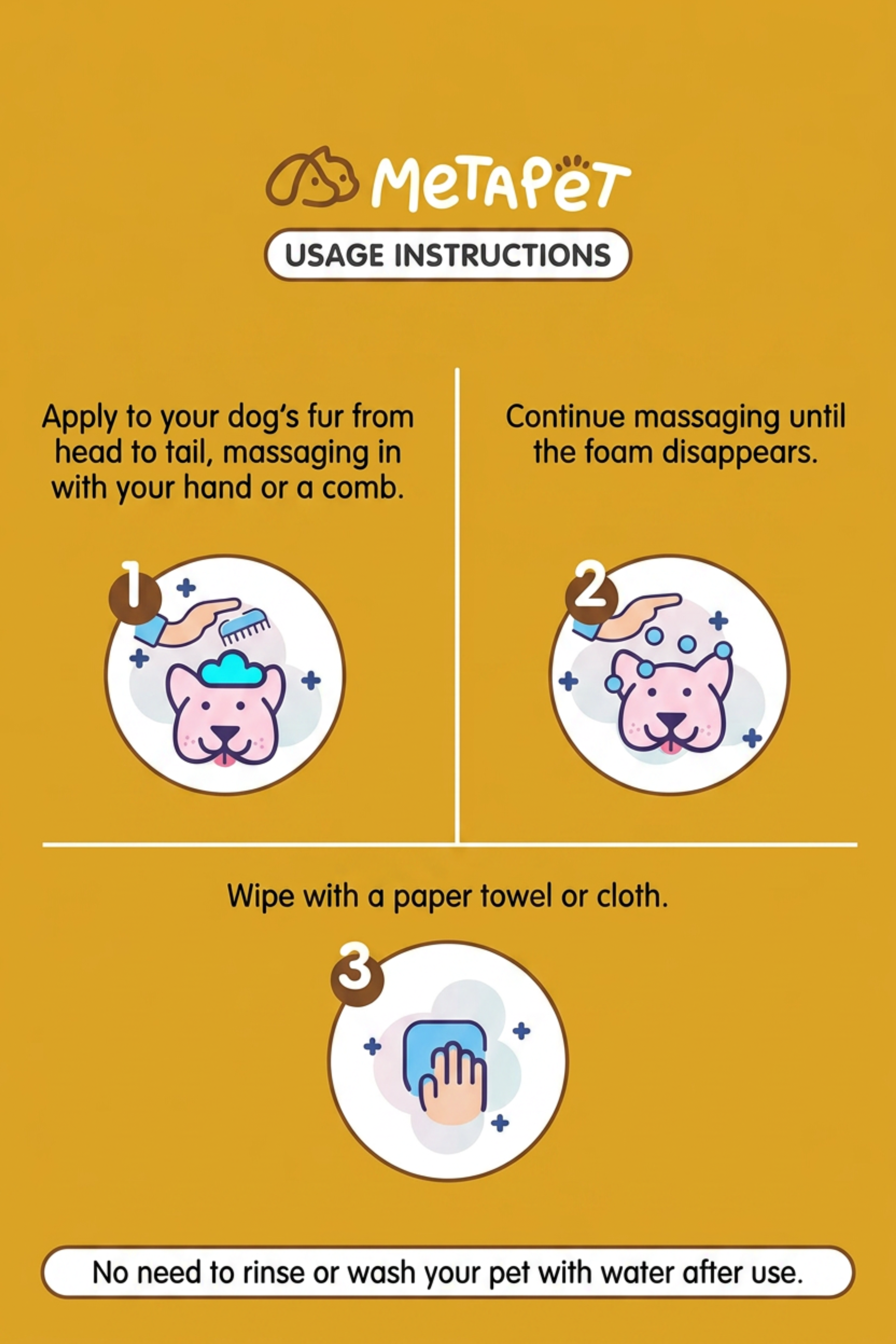
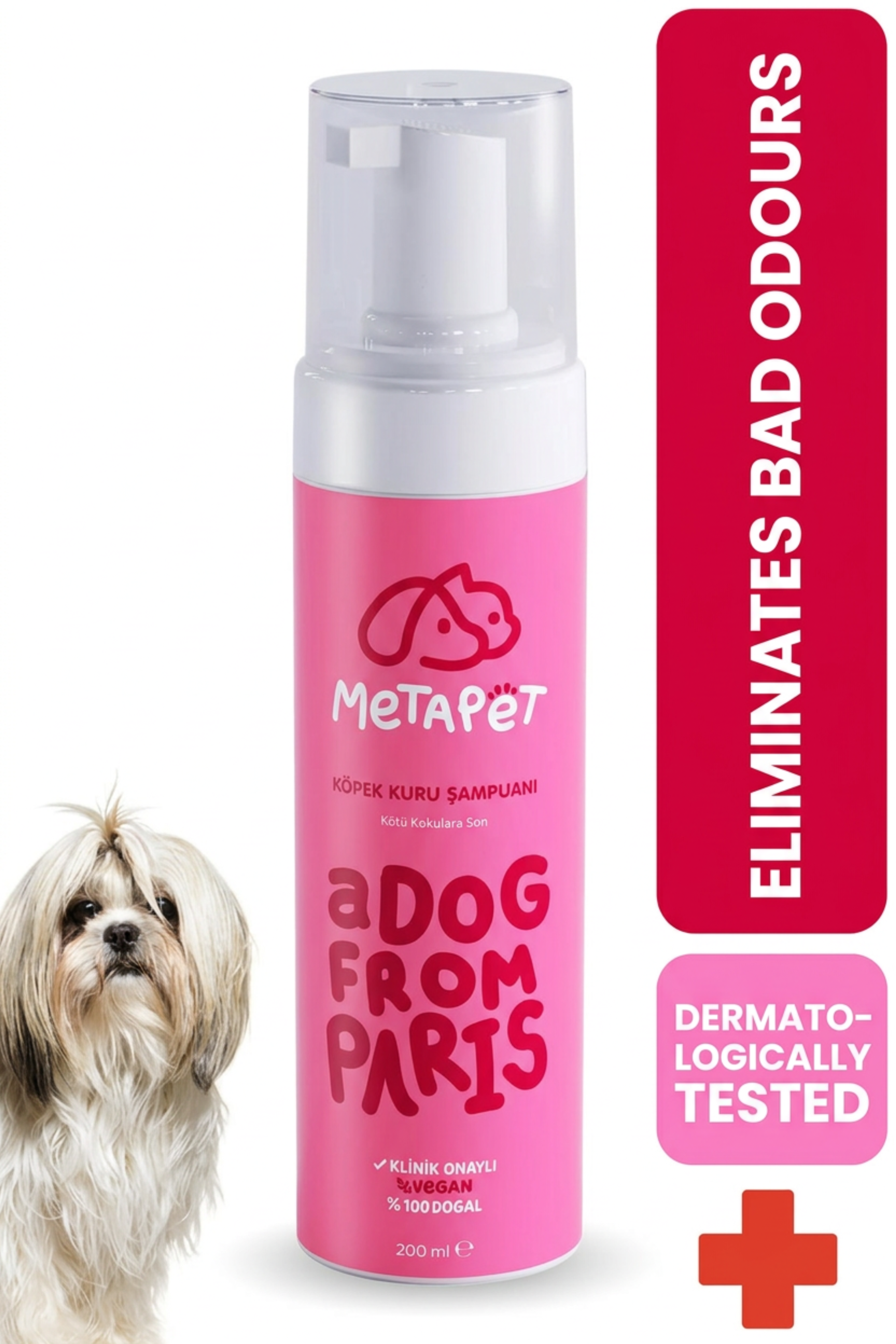
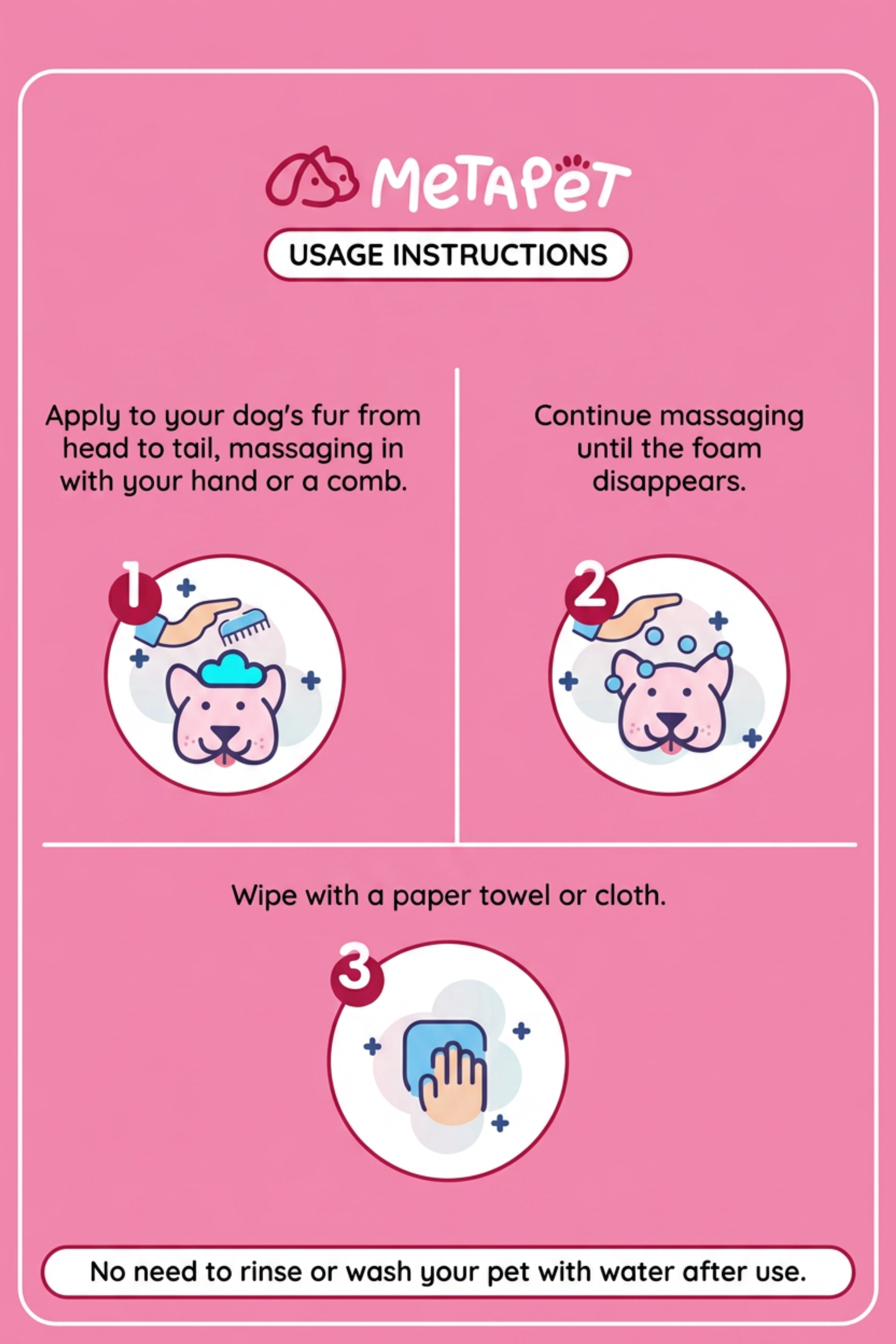
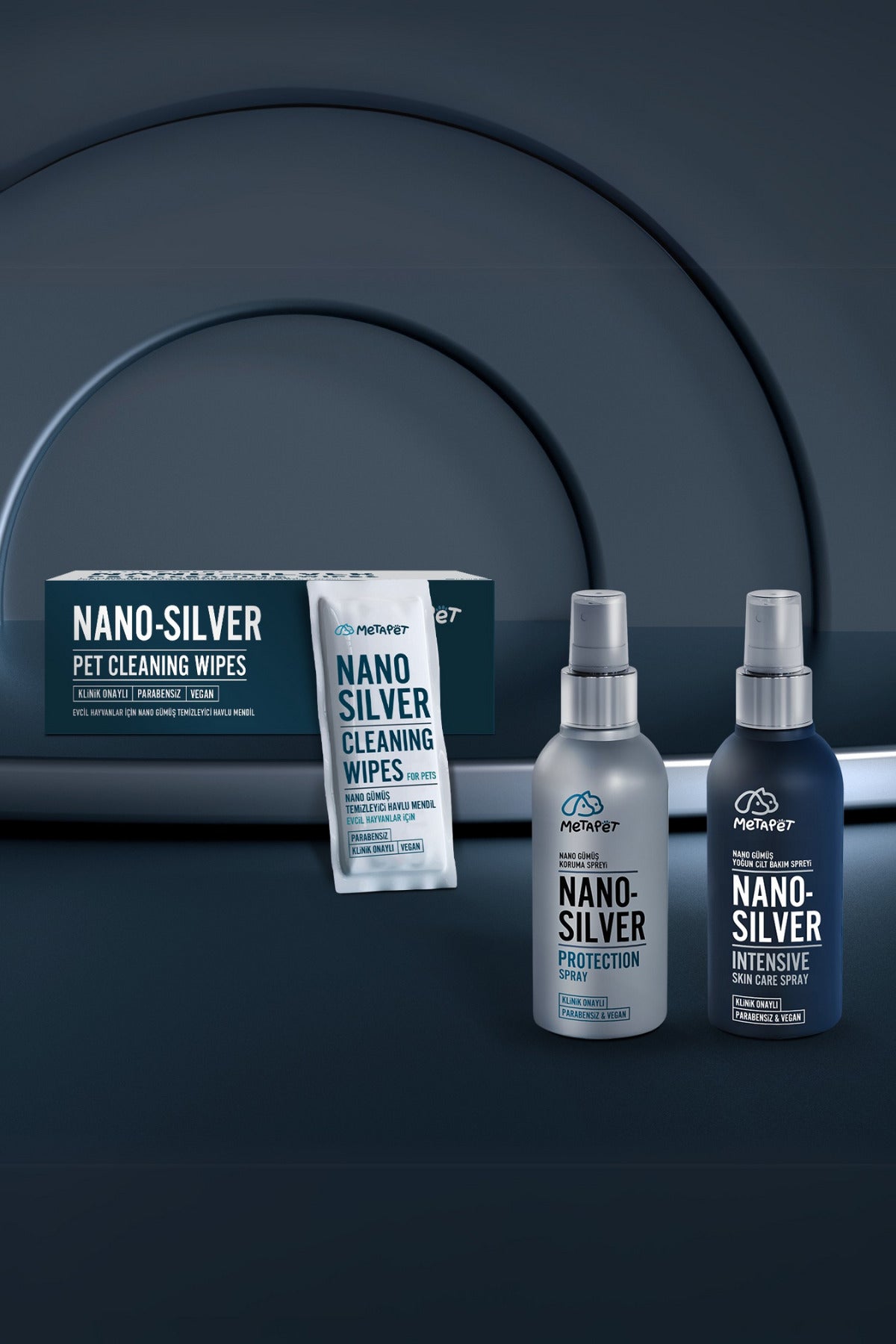
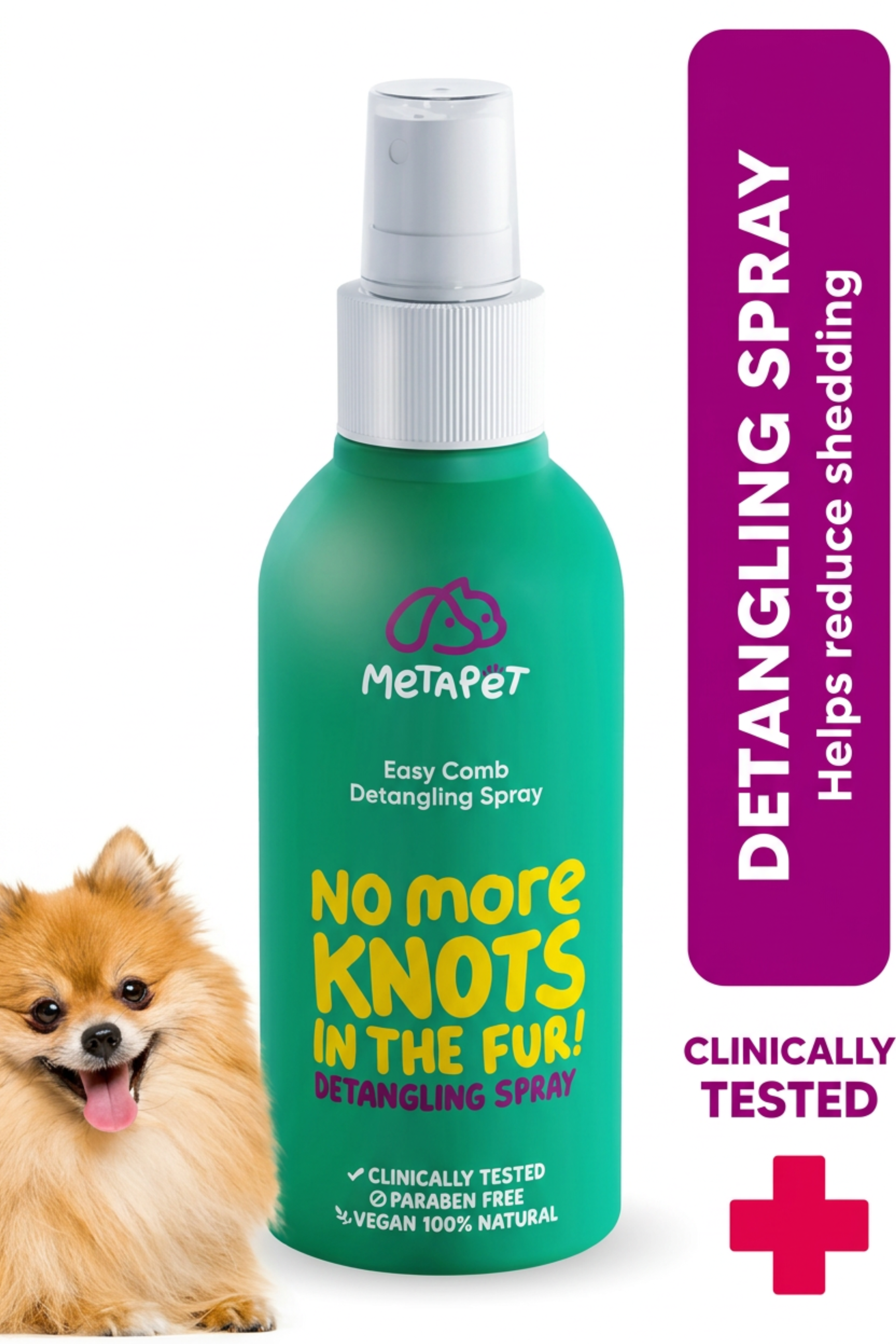
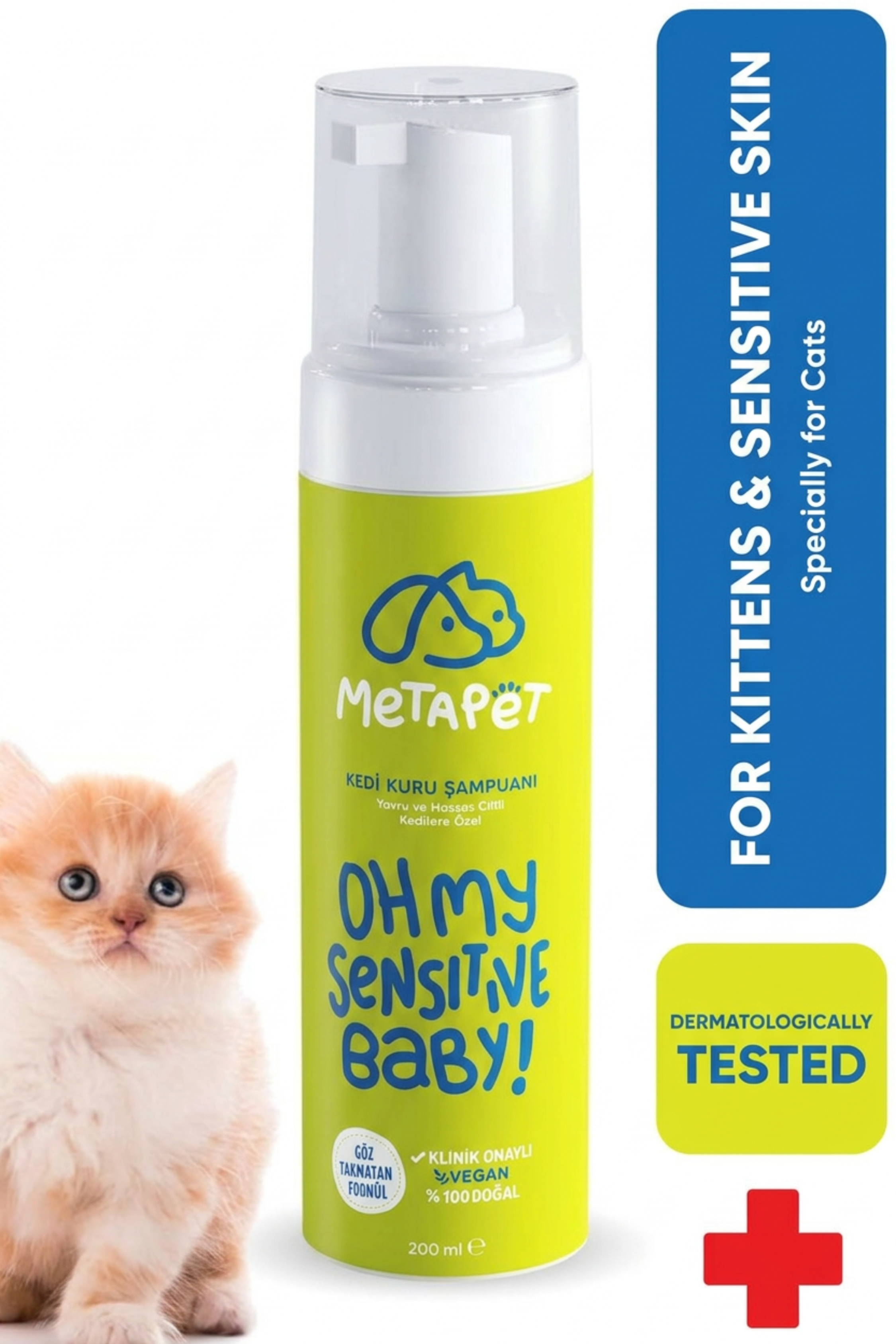
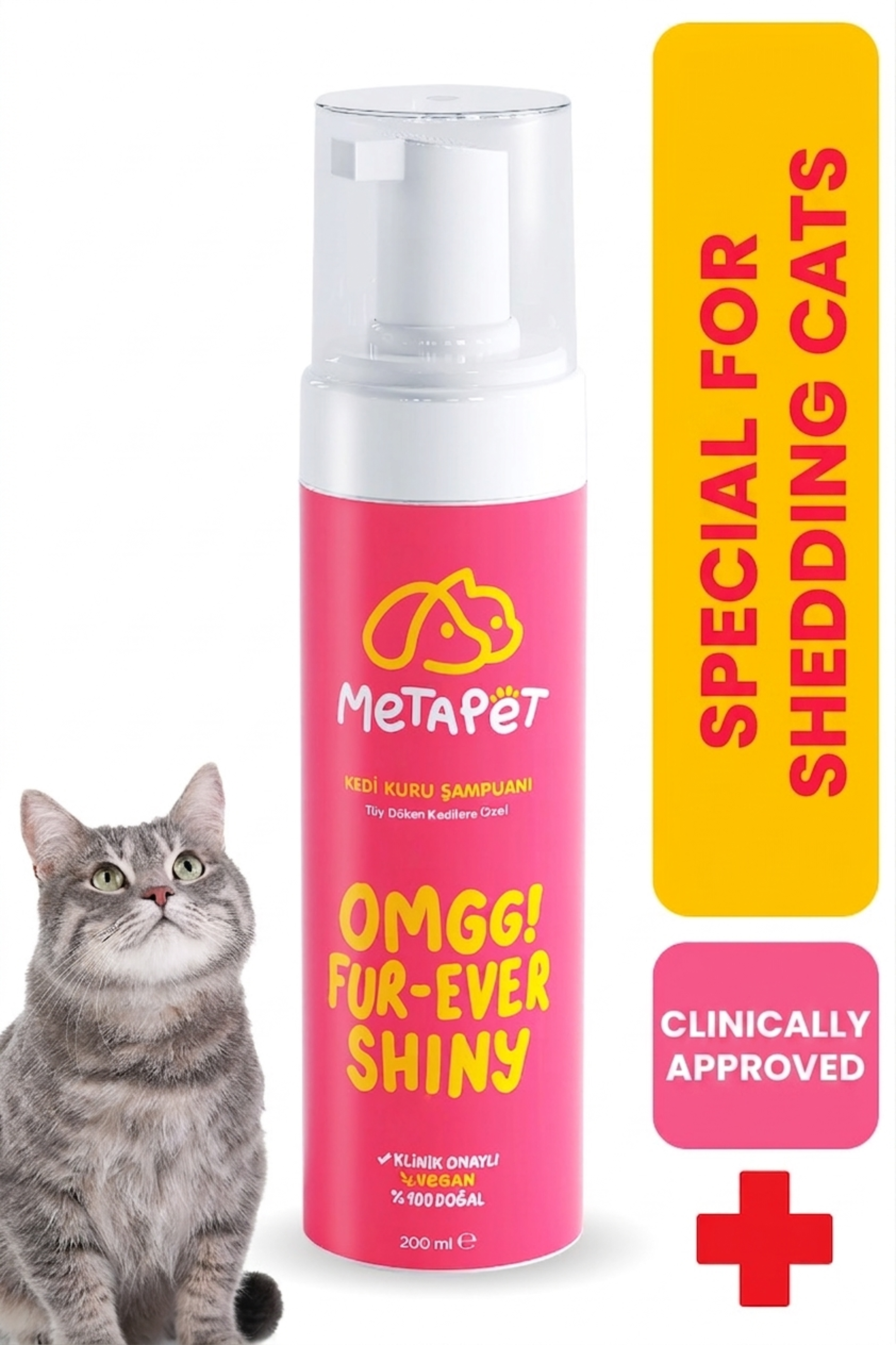
For cats who will not tolerate water on the tail base, a waterless option makes the routine realistic. MetaPet's Oh My Sensitive Baby! waterless dry foam shampoo for cats is formulated for no-rinse cleaning, and the OMGG! Fur-ever Shiny dry foam shampoo for cats is designed for coat freshening and grooming support. For clumped hair around the tail base, the No More Knots detangling and easy-combing spray can make combing easier and less uncomfortable, and the Nano-Series hygiene and care towel wipes suit quick spot cleaning between sessions.
These are cosmetic grooming products intended to help keep a coat clean and manageable. They are not medicated, they are not intended to address skin disease, and they complement rather than replace veterinary care. If the skin is red, sore, scabbed, or has an odor, stop and schedule an appointment instead of continuing at home.
Addressing the Underlying Reason
Cleaning manages the symptom. If your cat cannot groom the area, the more useful work is upstream.
- Weight management: an overweight cat physically cannot reach the tail base. Weight loss must be gradual and veterinarian-supervised — rapid weight loss in cats carries serious risks.
- Joint comfort: arthritis is extremely common in older cats and frequently missed. If your cat has stopped jumping, is grooming less, or hesitates before movements, discuss it with your veterinarian.
- Neutering discussion: for unneutered males, your veterinarian can advise whether neutering is appropriate and what effect it may have.
- Parasite control: consistent, year-round, veterinarian-recommended products for every pet in the home.
- General health check: any cat whose grooming habits have changed deserves an examination.
- Enrichment and activity: more movement supports both weight and general grooming behavior.
Helping a Cat Who Dislikes Handling
The tail base is a sensitive area for many cats, and forcing the issue makes the next session harder. Build tolerance instead.
- Start with the easy places: chin, cheeks, and shoulders, where most cats enjoy contact.
- Pair with something good: a lickable treat or a favorite food during handling.
- Keep sessions very short: thirty seconds done well beats five minutes endured.
- Stop before the tail flicks: a twitching tail or rippling skin means finish now.
- Choose the right moment: sleepy and settled beats energetic and playful.
- Use two people if needed: one to distract and reward, one to work — calmly, without restraint.
A lickable paste or treat given during handling is a genuinely effective distraction for cats. If you use one, count it within your cat's daily food allowance so it does not contribute to the weight problem you may be trying to solve.
Prevention and Maintenance
Once the area is clean, keeping it that way is mostly a matter of routine rather than effort.
- Weekly combing: including the tail base, not just the easy areas.
- Weekly hands-on check: run your fingers along the tail base and note any change in texture.
- Trim the area in long-haired cats: a short hygiene trim by a groomer or your veterinary team reduces build-up considerably.
- Keep bedding clean: regular washing reduces the debris that sticks to oily fur.
- Maintain a healthy weight: the single most effective long-term measure for many cats.
- Feed a complete, balanced diet: coat and skin condition rest on good nutrition first.
Myths Worth Correcting
- "Only intact male cats get it." Neutered males and females get it too. The name is historical.
- "Neutering will fix it immediately." It may reduce gland activity in some cats, but it is not an instant or guaranteed solution, and grooming still matters.
- "It's just dirt — he needs a bath." It is the cat's own sebum, and full baths are usually unnecessary and stressful for a localized patch.
- "Dish soap cuts grease best." Household detergents strip the skin barrier and are not appropriate for cats, who will then groom the residue.
- "It's harmless, so I can ignore it." Usually mild, but it can progress to irritation and infection, and it sometimes flags a mobility problem worth addressing.
The Bigger Picture
Grooming is one of the most informative things you do with a cat. Ten minutes a week with a comb tells you about weight, coat condition, lumps, parasites, sore spots, and whether your cat's own grooming has changed. Stud tail is a good example: a small, manageable finding that occasionally opens a much more important conversation.
Keep the area clean with cat-appropriate products, keep an eye on the skin underneath, and take any redness, odor, or sudden change to your veterinarian. If your cat's grooming habits have shifted, that change deserves an explanation rather than just a cleaning routine — and your veterinary team is the right place to find one.