Storing Pet Food Safely: A Practical Guide for Owners

Most owners think hard about which food to buy and much less about what happens to that food between the store and the bowl. Yet storage genuinely matters. Fats in pet food oxidize, vitamins degrade, moisture invites mold, and open bags attract pests. The result can be food that smells stale, tastes worse, and provides less than the label promises.
The good news is that safe storage is simple once you know the principles. This guide covers dry food, wet food, treats, raw diets and homemade meals, plus the hygiene habits, container choices and label details that keep your dog or cat's meals fresh, safe and appealing.
Important: This article shares general educational information for pet owners and is not a substitute for an in-person veterinary examination, diagnosis, or treatment. For any medical concern or emergency, contact your veterinarian promptly.
Why Storage Affects Food Quality
Commercial pet foods are formulated to be complete and balanced when fresh. Three environmental factors work steadily against that: oxygen, heat and moisture. Oxygen drives fats to go rancid, which changes both smell and taste and is a common reason a previously enthusiastic eater starts turning up their nose. Heat accelerates that process and degrades some vitamins. Moisture, whether from humidity or a damp scoop, creates conditions where mold and bacteria can grow.
Light plays a role too, which is why most pet food bags are opaque. Keeping food cool, dry, dark and sealed addresses nearly every storage problem at once.
Dry Food: Keep It in the Bag
This is the single most useful storage tip, and it surprises many owners: do not pour kibble loose into a plastic bin. Instead, place the entire original bag — rolled or clipped shut — inside the container.
- The bag is engineered for the job: most quality pet food bags include a fat barrier layer that keeps oils from soaking into packaging and going rancid.
- Fats soak into bare plastic: residue builds up on bin walls, turns rancid over time, and taints each new batch you add.
- The label stays with the food: lot number, best-by date and feeding guidance remain attached, which matters enormously if there is ever a recall.
- Cleaning gets easier: the bin stays largely clean, so a wipe between bags is usually enough.
Squeeze out excess air before sealing, fold the top down and clip it, then close the container. Store somewhere cool and dry — a pantry or interior cupboard rather than a garage, shed or spot beside the oven or a sunny window.
Choosing a Storage Container
- Food-grade material: choose containers labelled food-safe; stainless steel and food-grade plastic are both good options.
- An airtight seal: a gasket lid does far more for freshness than a loose-fitting lid.
- Right-sized: a container that holds one bag with little extra headroom means less trapped air.
- Easy to clean: smooth interiors without deep grooves; wash and dry fully between bags.
- Pest and pet resistant: a container a determined dog cannot nose open prevents both mess and dangerous overeating.
Wash the container with hot soapy water between bags and — this part matters — dry it completely before refilling. A container that looks dry but holds a film of moisture is exactly where mold takes hold.
How Long Dry Food Stays Fresh Once Opened
An unopened bag stored properly is generally good until its best-by date. Once opened, exposure to air begins the clock. As a practical rule, aim to use an opened bag within about four to six weeks, and check the manufacturer's guidance on the packaging, which takes priority.
This has a purchasing implication worth thinking about: the biggest bag is not always the best value. If your cat eats a small amount daily, a bulk bag may go stale long before it is finished. Buy a size your pet will get through in roughly a month, even if the per-pound price is slightly higher.
Trust your senses. Food that smells sharp, sour, musty or noticeably different from usual should not be served. Visible mold, clumping, insects or webbing means the bag goes in the outdoor bin, and the container gets a thorough wash.
Wet and Canned Food
Unopened cans and pouches are shelf-stable and simply need a cool, dry cupboard away from temperature extremes. Avoid using cans that are dented along a seam, bulging, rusted or leaking — discard them rather than risking contaminated contents.
- Refrigerate promptly: once opened, cover leftovers and refrigerate; most manufacturers advise using within a few days.
- Cover properly: a snug pet food can lid or an airtight container beats loose foil at preventing odor transfer and drying.
- Serve at a comfortable temperature: many pets refuse fridge-cold food. Let it stand briefly at room temperature, or warm slightly — never hot, and stir well if you microwave, since hot spots can burn a mouth.
- Do not leave it out: wet food at room temperature should be picked up within roughly an hour, sooner in warm weather.
- Freeze portions: large cans can be portioned into an ice cube tray or small containers and thawed in the fridge as needed.
Treats, Chews and Toppers
Treats follow the same principles but are often forgotten in a drawer for months. Store them sealed, cool and dry, and keep an eye on best-by dates. Soft, semi-moist treats spoil faster than hard biscuits and benefit from refrigeration once opened if the packaging suggests it.
Dried animal chews should be kept dry and sealed; if they develop an unusual smell or any surface film, discard them. Freeze-dried and dehydrated toppers are moisture-sensitive — reseal firmly and keep the desiccant packet in the bag if one is included. And keep all treats well out of reach: a bag of chews left accessible is a common cause of dietary indiscretion, upset stomachs and, with some items, genuine obstruction risk.
Raw and Homemade Diets
If you feed a raw or home-prepared diet, handling and storage become food-safety issues for your household as much as your pet, because raw meat can carry bacteria that affect people. Whatever your feeding philosophy, these hygiene practices are non-negotiable:
- Keep it frozen until needed: thaw in the refrigerator, never on the counter.
- Separate everything: dedicated cutting boards, bowls and utensils, stored and washed apart from human kitchenware.
- Clean surfaces thoroughly: wash counters, sinks and any contact surfaces with hot soapy water after preparation.
- Wash hands carefully before and after handling, every time.
- Do not leave raw food down: pick up uneaten portions promptly and refrigerate or discard.
- Protect vulnerable household members: infants, older adults, pregnant people and anyone immunocompromised face higher risk from raw-food bacteria.
If you prepare homemade meals, work from a recipe formulated by a veterinary nutritionist so the diet stays balanced, store batches in clearly labelled portions, and use refrigerated portions within a few days or freeze the rest.
Bowl and Scoop Hygiene
The freshest food in the world lands in a bowl that is often overlooked. Food and water bowls develop a bacterial film surprisingly quickly, especially with wet food or in warm weather.
- Wash food bowls daily with hot soapy water, or run dishwasher-safe bowls through a cycle.
- Refresh water daily and wash the water bowl regularly — the slippery feel on the inside is biofilm.
- Choose stainless steel or ceramic: both are easier to sanitize than plastic, which scratches and harbors bacteria.
- Use a dedicated dry scoop: never a damp one, and store it outside the food container so it does not sit in the kibble collecting moisture.
- Wipe the feeding area: spilled food attracts pests and, once stale, discourages fussy eaters.
Labels, Lot Numbers and Recalls
Every bag and can carries a lot or batch number and a best-by date. These are the details that matter if a recall is announced, and they are the reason keeping food in its original packaging is such practical advice. If you must decant, cut out the label panel with the lot code and date and tape it to the container.
Sign up for recall notifications through your food manufacturer where available, and speak with your veterinarian if you have questions about a specific product. If you suspect food has made your pet unwell, stop feeding it, keep the packaging and remaining food, and contact your veterinarian — the sample and label may be important.
A Simple Storage Routine
- When you buy: check the best-by date on the shelf and choose a bag size your pet finishes in about a month.
- When you open: note the date on the bag with a marker so you know how long it has been open.
- Every day: wash food bowls, refresh water, keep the scoop dry.
- Every bag change: empty, wash and thoroughly dry the container before the new bag goes in.
- Every month: check treat and supplement dates and discard anything past its prime.
- Any time food smells off: do not serve it. Trust your nose over the calendar.
Pets cannot tell us that dinner tastes stale — they simply eat less, or eat reluctantly. If a previously enthusiastic eater becomes hesitant, food freshness is worth ruling out alongside a veterinary check, since appetite changes can also signal health problems that deserve professional attention.
Storing Food in Difficult Conditions
Not every home has an ideal cool, dry pantry. A few situations need extra thought:
- Humid climates: moisture is the main enemy. Use a genuinely airtight container, keep it indoors in air conditioning rather than a porch or garage, and buy smaller bags so food moves through faster.
- Hot climates: heat accelerates fat oxidation. Never store food in a garage, car or shed where summer temperatures climb; an interior cupboard away from appliances is far better.
- Small apartments: if cupboard space is tight, a lidded container that doubles as a side table or bench works well, but check it is genuinely food-safe and airtight.
- Multi-pet homes with different diets: label containers clearly and store them separately, particularly when one pet is on a therapeutic diet where mix-ups matter.
- Travelling and boarding: portion meals into sealed bags for the trip, and send the original label or a photo of it with your pet so caregivers have feeding instructions and lot information.
- Bulk buying: if you buy large quantities, freeze what you will not use within a month in sealed portions, and thaw in the refrigerator.
Storing Supplements and Medications
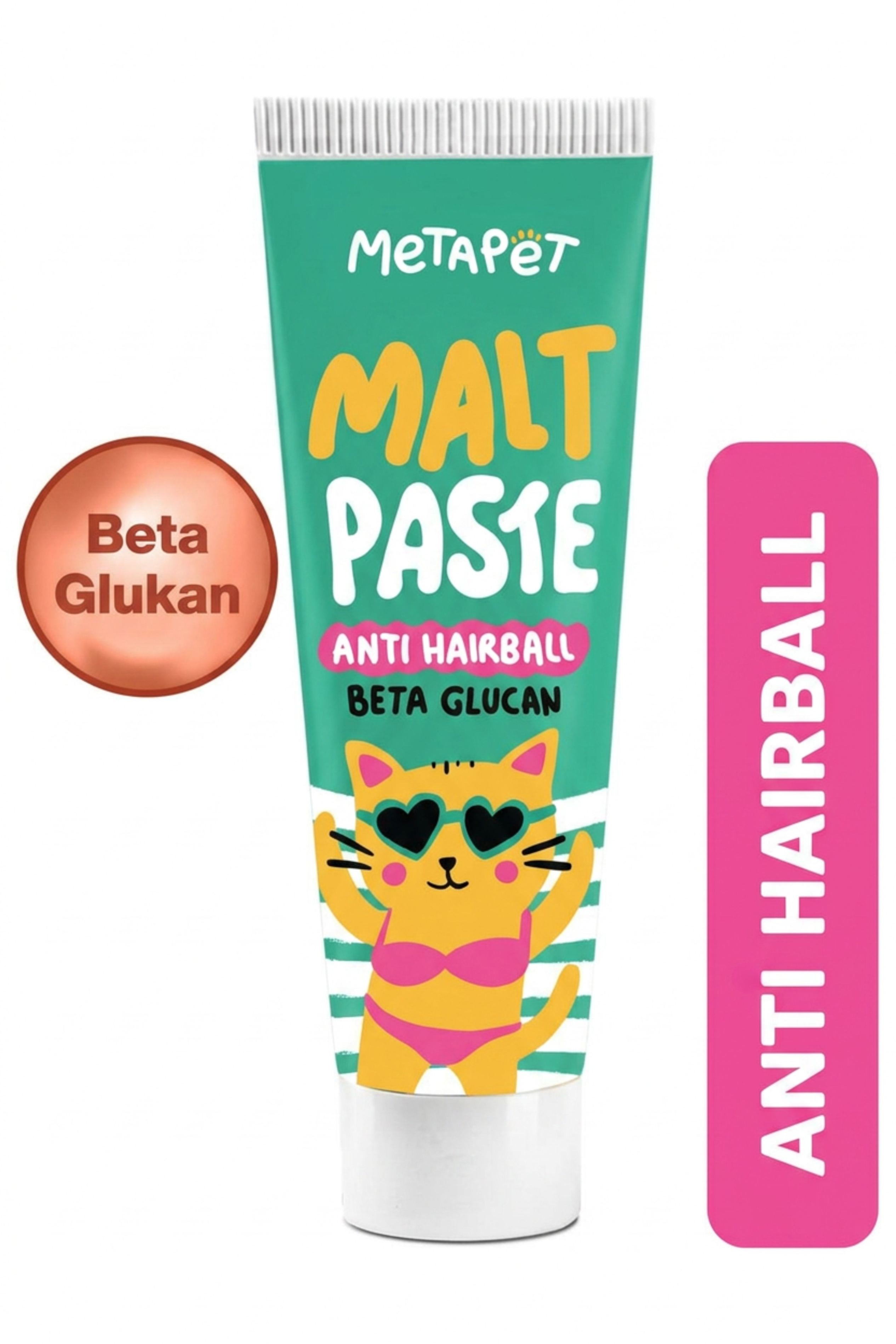
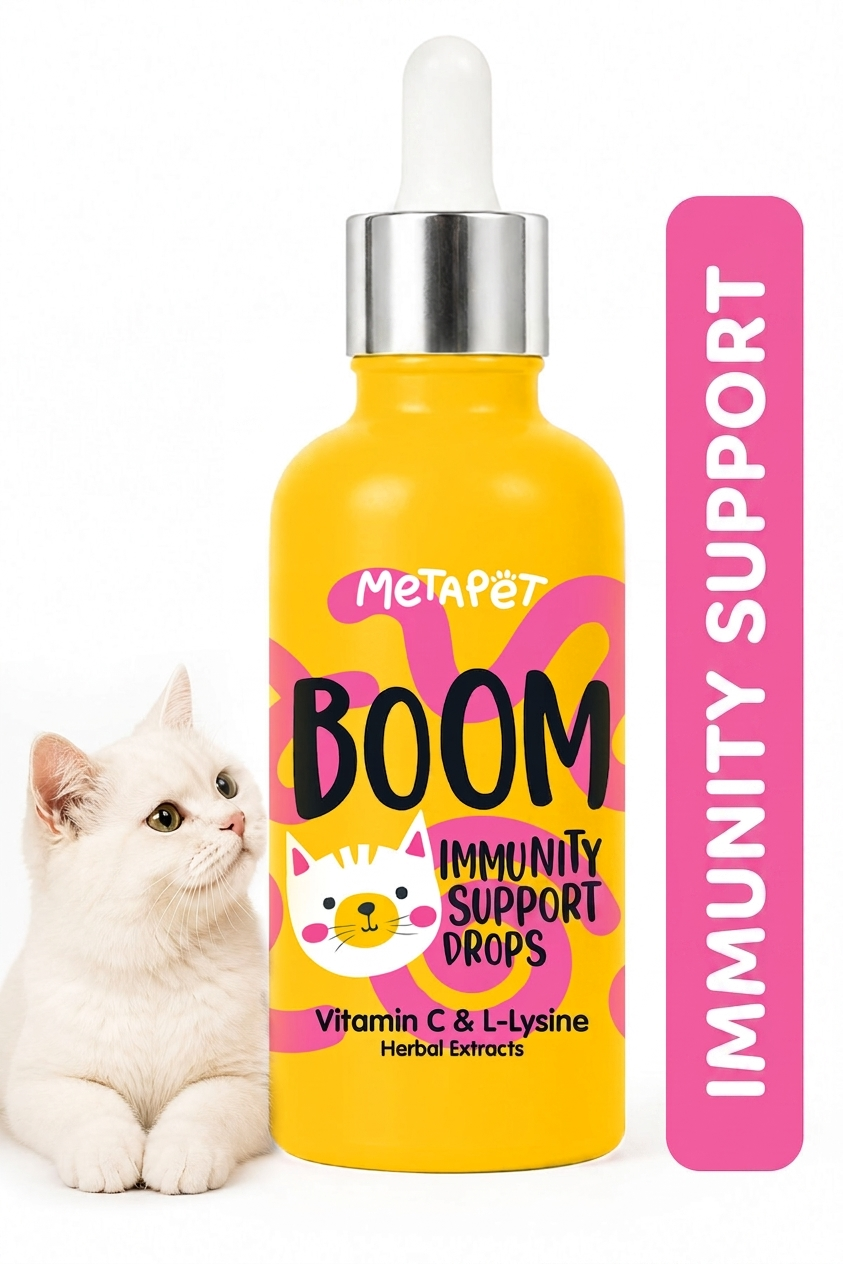
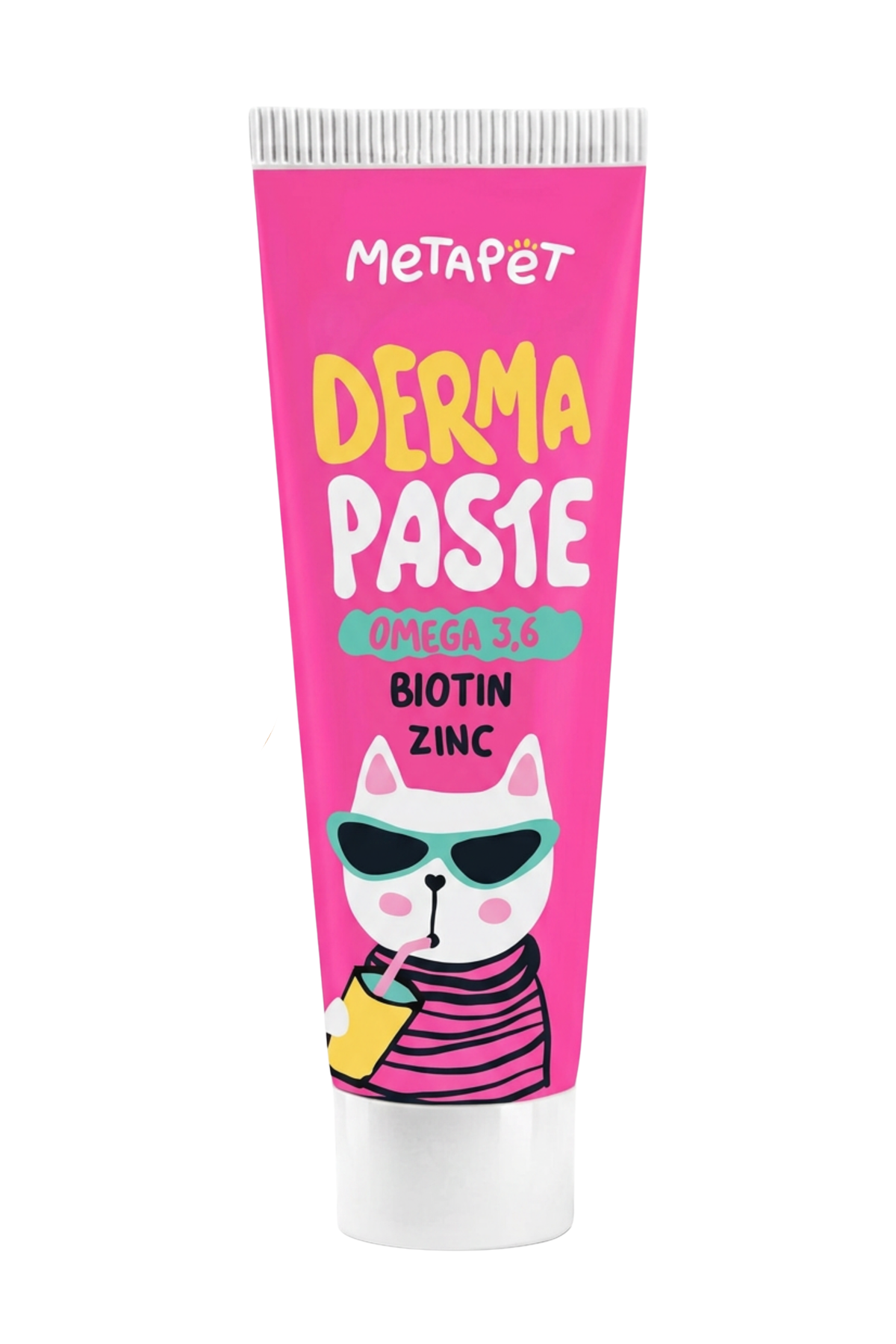
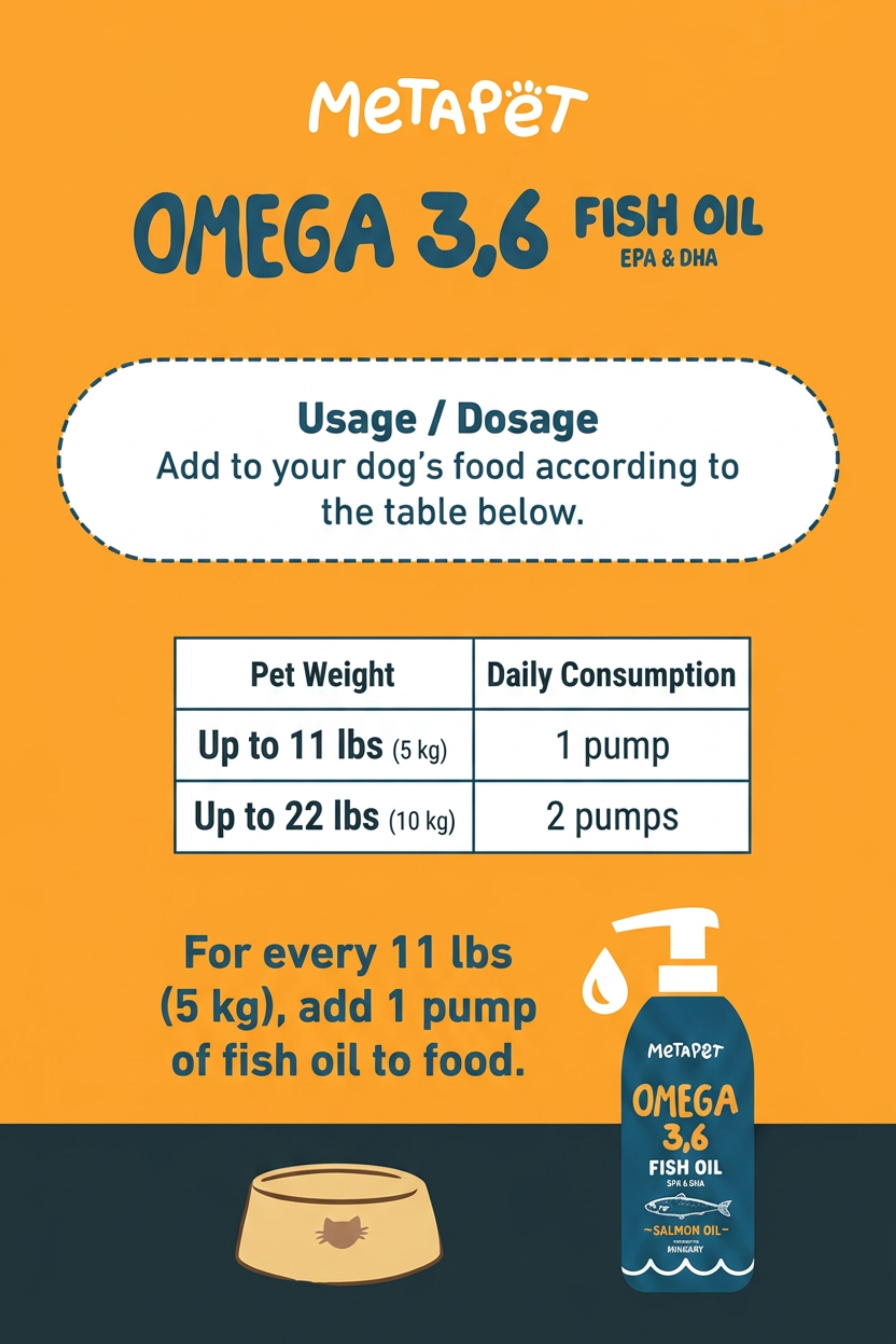
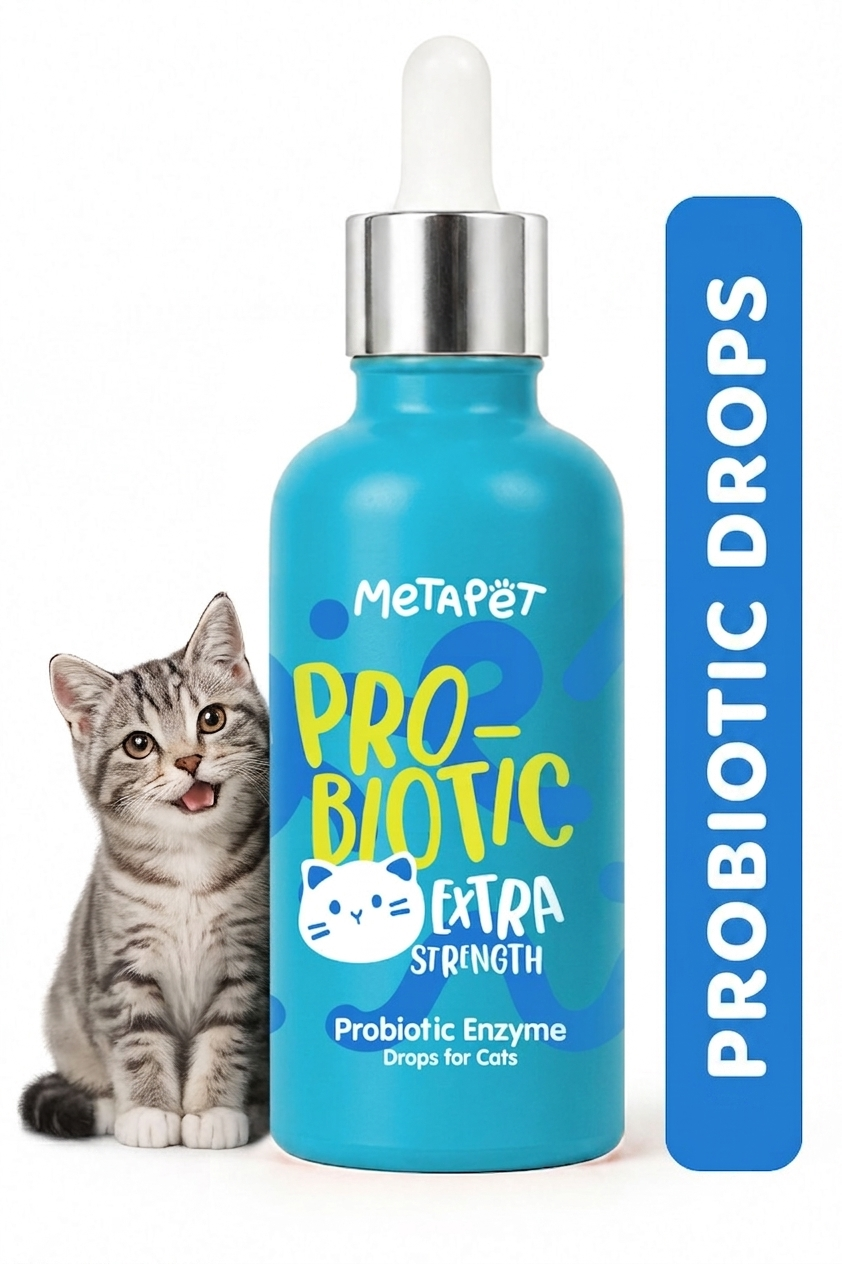
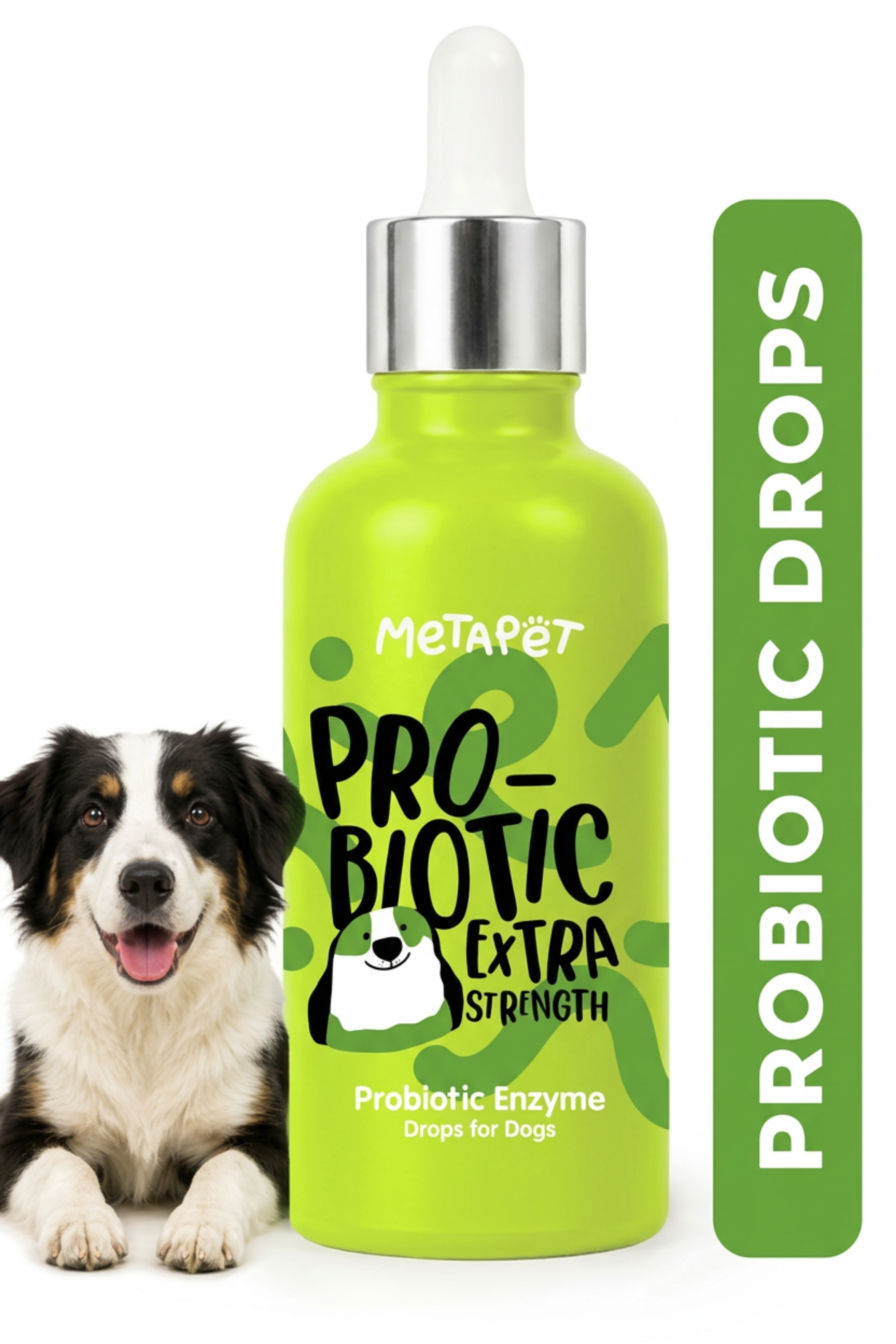
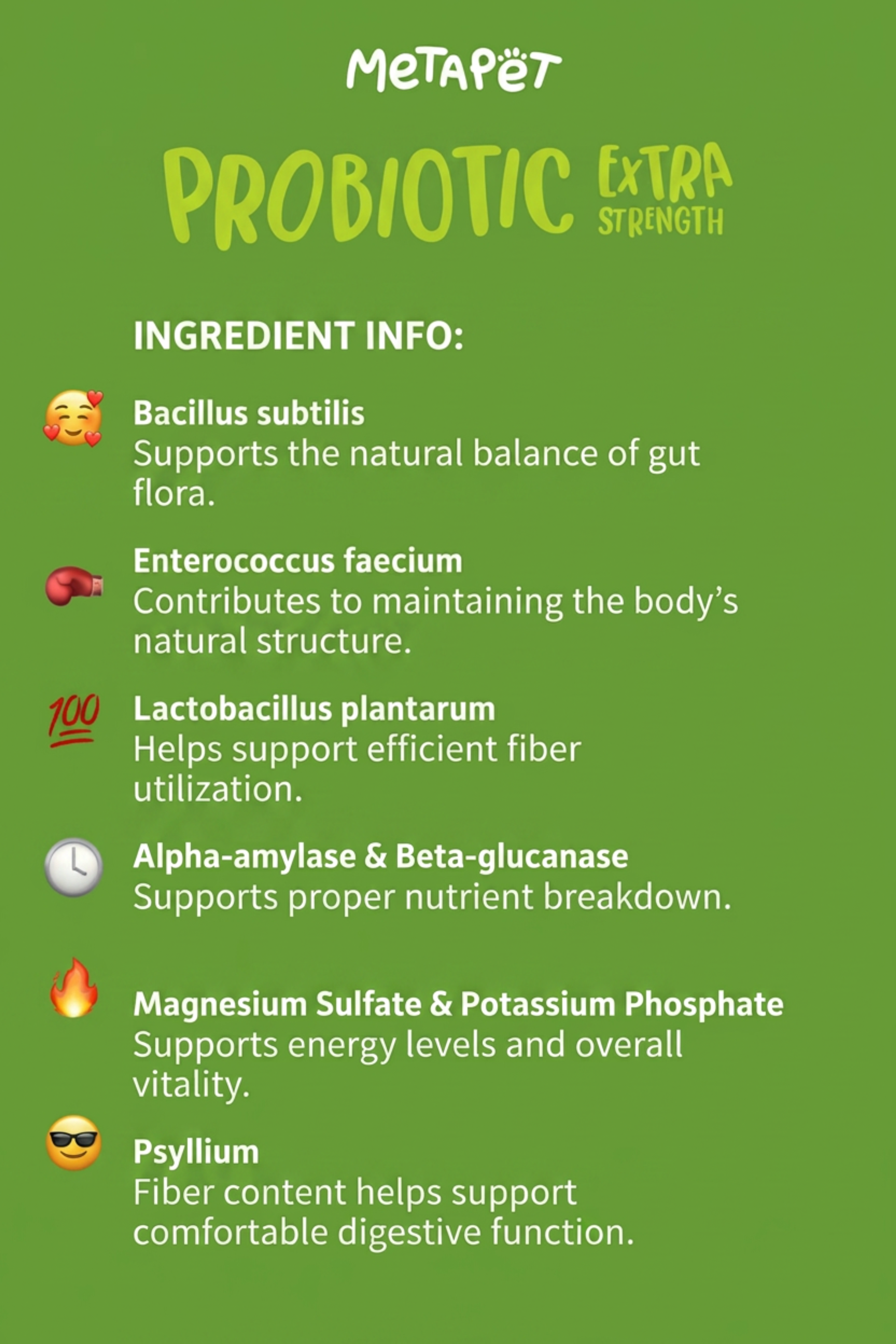
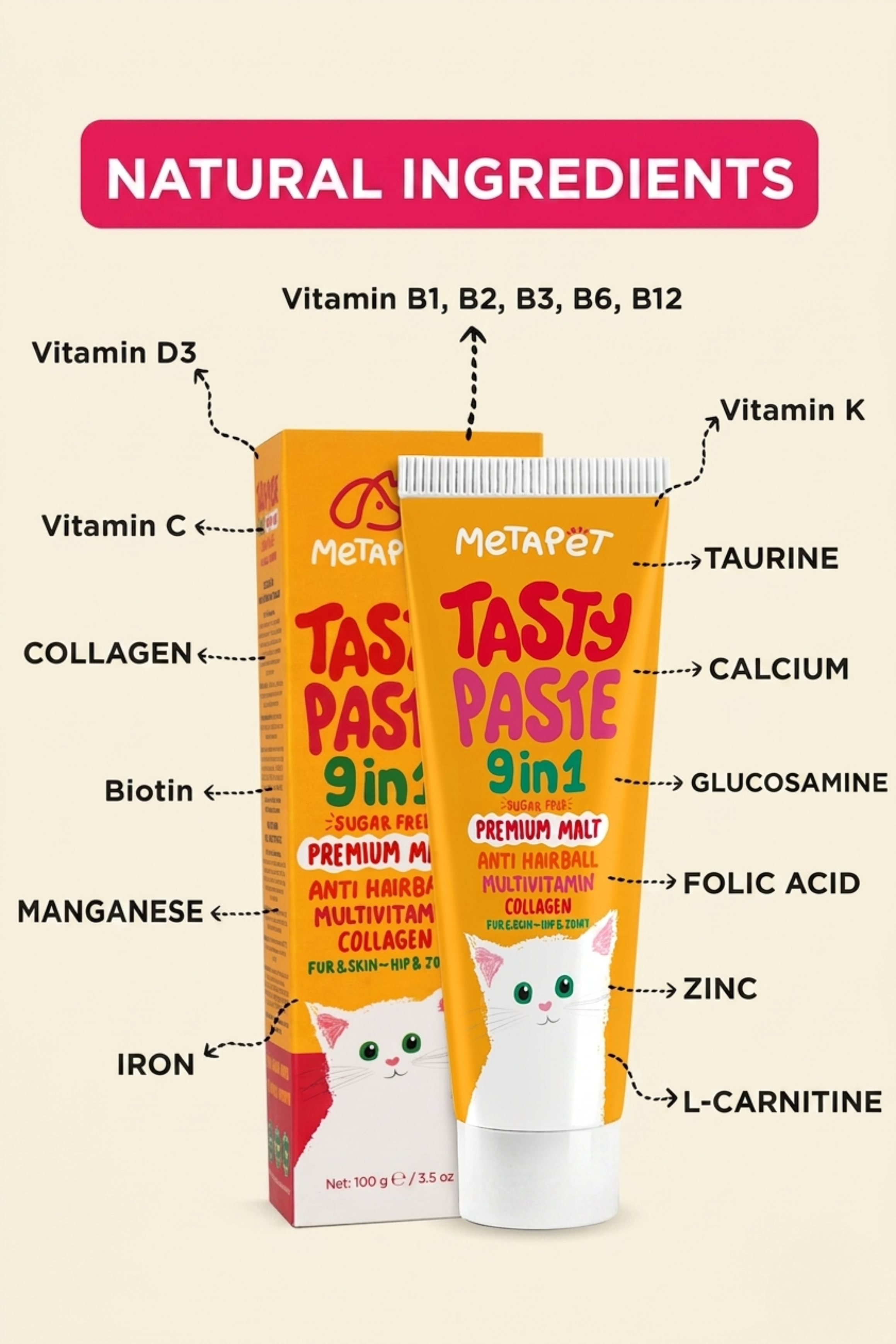
Supplements, oils and pastes have their own requirements, and the label is always the authority. Fish and salmon oils are particularly prone to oxidation and usually need refrigeration once opened; if an oil smells sharply rancid, discard it rather than serving it. Powdered supplements and probiotics can be moisture and heat sensitive, so keep lids tight and store them away from the stove and dishwasher steam.
Keep all pet medications in their original labelled containers, stored separately from human medications to avoid a dangerous mix-up. Never store medication in the bathroom, where humidity and temperature swings are worst. Check expiry dates periodically and dispose of expired products responsibly rather than leaving them in a drawer where they might be given by mistake. If you are ever unsure whether a supplement or medication is still good, ask your veterinary clinic rather than guessing.