Snow Nose in Dogs: Why Nose Color Changes and When to Worry

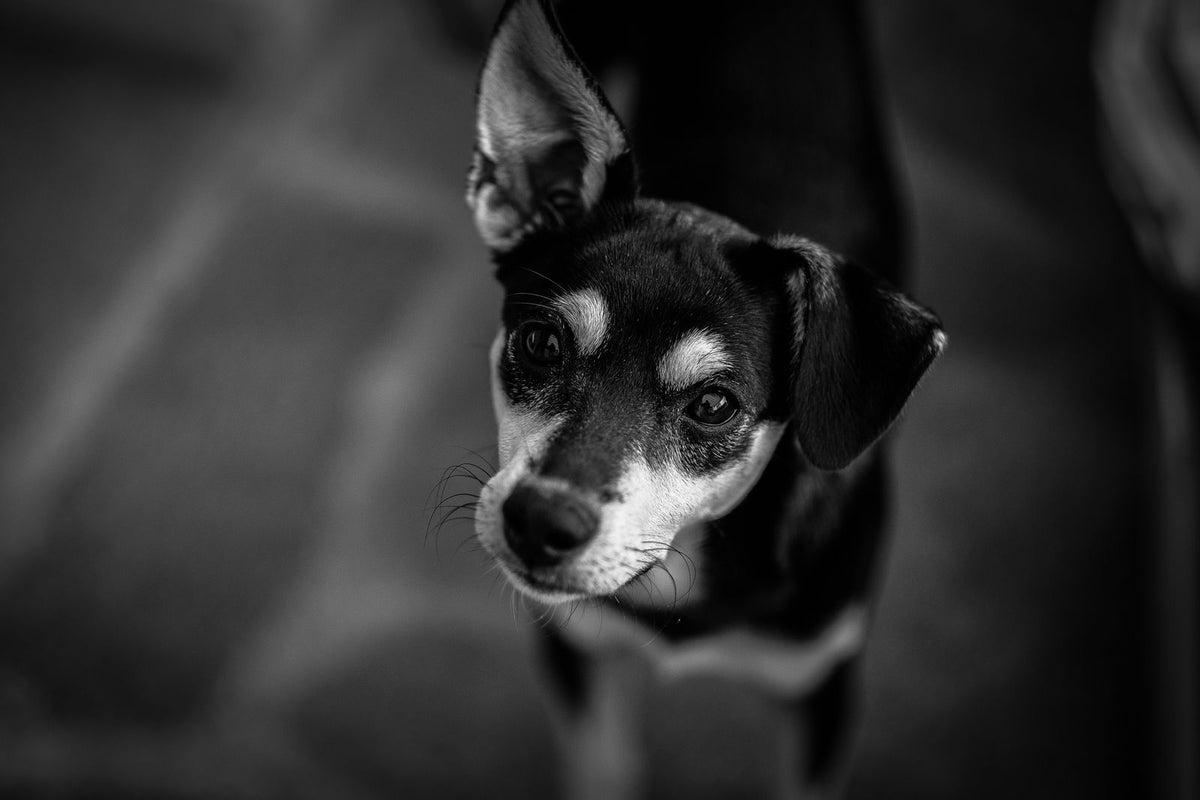
Have you noticed your dog's nose looking a little lighter as the days grow shorter and colder? Many owners are surprised when a glossy black nose starts to fade to brown or even pink over the winter months. This common change is often called snow nose or winter nose, and in most dogs it is a harmless cosmetic quirk rather than a sign of illness.
That said, a dog's nose can change color for several reasons, and a few of them do need veterinary attention. This guide explains what snow nose is, which dogs are most likely to develop it, how to tell it apart from other causes of nose color change, and the simple ways you can care for your dog's nose throughout the year.
Important: This article shares general educational information for pet owners and is not a substitute for an in-person veterinary examination, diagnosis, or treatment. For any medical concern or emergency, contact your veterinarian promptly.
What Is Snow Nose?
Snow nose is a seasonal loss of pigment on the nose, usually in the center or along the top of the nose leather. The dark color fades to a lighter brown, pinkish, or mottled shade during the colder months, and in many dogs it darkens again in spring or summer.
The change is gradual and usually painless. Importantly, the nose surface itself stays healthy: it keeps its normal cobblestone-like texture, and there are no sores, scabs, crusting, or bleeding. The only difference is color.
Snow nose is not limited to snowy climates. Dogs in areas with mild winters can also show it, which suggests shorter daylight hours and cooler temperatures both may play a role.
Why Does It Happen?
The exact cause is not fully understood, but the leading explanation involves an enzyme called tyrosinase, which helps produce melanin, the pigment that gives the nose its dark color. Tyrosinase appears to be sensitive to temperature and becomes less active in cold weather, so less pigment is produced during winter.
Genetics clearly play a part, since snow nose runs in certain breeds and families. The activity of tyrosinase also seems to decline with age, which may explain why some older dogs develop lighter noses that no longer fully darken in summer.
Breeds Commonly Affected
Any dog can develop snow nose, but it is especially common in certain breeds, including:
- Siberian Huskies and Alaskan Malamutes: northern breeds in which snow nose is well recognized.
- Labrador Retrievers: particularly yellow Labradors.
- Golden Retrievers: whose noses often fade in winter.
- Bernese Mountain Dogs: and other large working breeds.
- Samoyeds and other light-coated breeds: in which nose color changes may be more noticeable.
Breed standards for show dogs sometimes address nose color, but for pet dogs, snow nose has no effect on health or comfort.
Other Normal Nose Variations
Not every pink or lighter nose is snow nose. Some dogs simply have naturally different nose coloring.
- Dudley nose: a nose that lacks pigment from birth or loses it permanently, usually leaving it pink or light brown. It is a genetic trait rather than a seasonal change.
- Butterfly nose: a nose with patches of pink and dark pigment, sometimes seen in merle and piebald dogs.
- Liver and other coat colors: dogs with liver, chocolate, or some dilute coat colors naturally have brown or lighter noses.
- Puppy noses: some puppies are born with pink noses that gradually darken over the first months of life.
These natural variations are not a cause for concern, although lightly pigmented noses may be more sensitive to the sun.
Other Causes of Nose Color Change
When a nose changes color outside the typical winter pattern, or when the texture changes too, other causes need to be considered. Some are minor, and others require veterinary care.
Aging
Nose pigment often fades gradually as dogs grow older. This is usually harmless if the nose surface otherwise looks normal.
Contact with plastic bowls
Some dogs are thought to react to chemicals in certain plastic or rubber food and water bowls, leading to a lighter or irritated nose and lips. Switching to stainless steel or ceramic bowls is a simple step that many veterinarians suggest.
Injury and scarring
Scrapes, burns, or wounds on the nose may heal with pale scar tissue that lacks pigment.
Vitiligo
Vitiligo causes patches of pigment loss on the nose, lips, eyelids, and sometimes the coat. It is thought to be immune-related and is generally cosmetic, but it should be confirmed by a veterinarian.
Autoimmune and inflammatory skin conditions
Conditions such as discoid lupus erythematosus and pemphigus can cause the nose to lose pigment along with crusting, scaling, sores, and loss of the normal nose texture. These need veterinary diagnosis and care.
Sun damage
Lightly pigmented noses are prone to sunburn. Repeated sun damage can cause redness, crusting, and in some cases may contribute to skin cancer over time.
Uveodermatologic syndrome
In rare cases, particularly in breeds such as Akitas, Siberian Huskies, and Samoyeds, an immune condition can attack pigment in both the skin and the eyes. Nose and lip depigmentation may appear alongside red, painful, or cloudy eyes. Because vision can be at risk, this requires prompt veterinary care.
Red Flags: When to See Your Veterinarian
Snow nose affects color only. Contact your veterinarian if you notice any of the following:
- Changes in texture: the nose becomes smooth, shiny, or loses its cobblestone pattern.
- Crusting, scabs, or scaling: especially if they spread or keep returning.
- Sores, ulcers, or bleeding: any open wound on the nose that does not heal quickly.
- Swelling or lumps: new growths or thickening of the nose or surrounding skin.
- Discharge or nosebleeds: which can point to problems inside the nasal passages.
- Eye changes: redness, squinting, cloudiness, or discomfort in the eyes alongside nose color loss.
- Discomfort: rubbing, pawing at the nose, or sensitivity when touched.
Your veterinarian may examine the nose closely and, if needed, recommend tests such as skin scrapings, cytology, or a small biopsy to reach a diagnosis.
Caring for Your Dog's Nose Year-Round
Whether your dog has snow nose or a naturally pink nose, a few simple habits help keep the nose comfortable.
- Use stainless steel or ceramic bowls: they are easy to clean and avoid possible reactions to some plastics.
- Protect lighter noses from strong sun: limit midday sun exposure and ask your veterinarian about a sunscreen made for dogs. Avoid human sunscreens containing zinc oxide or other ingredients that may be harmful if licked.
- Watch for dryness and cracking: cold, dry winter air can dry out the nose. If your dog's nose becomes cracked, ask your veterinarian before applying any balm.
- Keep the nose clean: gently wipe away dirt or debris after outdoor adventures with a soft, damp cloth.
- Check the nose regularly: a quick look during cuddles or grooming helps you notice changes early.
How the Nose Works and Why It Matters
A dog's nose is far more than a cute feature. The hairless skin on the outside, called the nose leather or planum nasale, is thick and textured, with a unique pattern of ridges that some people compare to a fingerprint. This tough surface protects the delicate structures inside the nose, which are packed with scent receptors that give dogs their remarkable sense of smell.
Pigment in the nose leather helps protect it from ultraviolet light. That is why noses that lose pigment, whether through snow nose, genetics, or disease, can be more vulnerable to sunburn. The moisture on the nose surface comes partly from glands inside the nose and partly from licking, and it helps capture scent particles.
Because the nose is exposed to the environment, it is often one of the first places where certain skin conditions become visible. Paying attention to its color, texture, and moisture gives you useful insight into your dog's overall skin health.
Questions Your Veterinarian May Ask
If you visit your veterinarian about a nose change, it helps to be ready with a few details:
- When did you first notice the change? and has it happened in previous winters?
- Is the change on the nose only? or have you seen pigment loss on the lips, eyelids, or coat?
- Has the texture changed? including crusting, flaking, cracking, or bleeding.
- What bowls does your dog use? plastic, rubber, ceramic, or stainless steel.
- How much time does your dog spend in the sun? especially during the middle of the day.
- Have you noticed any eye changes? such as redness, squinting, or cloudiness.
Seasonal photos, as mentioned below, can make this conversation much easier.
What to Expect Over Time
In many dogs, snow nose follows a predictable yearly pattern: lighter in winter and darker in summer. Some dogs regain their full color each year, while others gradually keep a lighter nose as they age.
Keeping a few photos of your dog's nose in different seasons can be surprisingly helpful. If you ever need to discuss a change with your veterinarian, pictures make it easier to show what is normal for your dog and how quickly things have changed.
There is no need to try to restore color to a nose affected by snow nose. It does not cause discomfort, and no safe, proven product is known to reliably change it. The focus should simply be on keeping the nose healthy.
Myths and Facts About Dog Noses
- Myth: A warm, dry nose means a dog is sick. Fact: Nose temperature and moisture change throughout the day and are not reliable indicators of health.
- Myth: A pink nose is always a health problem. Fact: Many healthy dogs have naturally pink or seasonally lighter noses.
- Myth: Snow nose only happens in snowy places. Fact: Dogs in mild climates can also develop seasonal nose lightening.
- Myth: Any nose color change can be ignored. Fact: Color change combined with crusting, sores, or texture changes deserves a veterinary check.
Key Takeaways
- Snow nose is common and harmless: a seasonal fading of nose color, usually in winter.
- Texture stays normal: with snow nose, only the color changes, with no sores or crusting.
- Some breeds are prone: including Huskies, Labradors, Golden Retrievers, and Bernese Mountain Dogs.
- Other causes exist: aging, plastic bowls, sun damage, vitiligo, and immune-related conditions can also change nose color.
- Know the red flags: crusting, sores, bleeding, swelling, or eye changes need a veterinary visit.
In most cases, a fading winter nose is simply one of the many charming ways your dog is unique. Keep an eye on it, protect it from harsh sun, and let your veterinarian know if anything more than the color begins to change.