Muzzle Training for Dogs: A Positive Step-by-Step Guide

Few pieces of dog equipment carry as much unfair stigma as the muzzle. Many owners assume muzzles are only for dangerous dogs, so they never teach the skill — and then, the first time their injured or terrified dog genuinely needs one, the muzzle itself becomes a second source of panic.
In reality, muzzle training is a kindness. A dog who has learned to wear a well-fitted basket muzzle calmly can be treated safely when in pain, examined thoroughly at the veterinary clinic, groomed without risk, and given more freedom in situations that would otherwise require isolation. Trainers and veterinary teams widely recommend that every dog learn this skill before it is ever needed.
This guide explains how to choose the right muzzle, how to build a positive association step by step, and how to avoid the common mistakes that teach dogs to dread the sight of it.
Important: This article shares general educational information for pet owners and is not a substitute for an in-person veterinary examination, diagnosis, or treatment. For any medical concern or emergency, contact your veterinarian promptly.
Why Muzzle Training Benefits Every Dog
Any dog — no matter how gentle — can bite when frightened or in severe pain. A dog hit by a car, suffering from a broken limb, or being treated for a painful ear infection is not acting from temperament but from instinct. Emergency handling is dramatically safer and faster when the dog already views a muzzle as familiar and rewarding rather than as a frightening restraint added on the worst day of its life.
Beyond emergencies, muzzle training supports everyday care: veterinary exams for handling-sensitive dogs, grooming for dogs that dislike nail trims, safe walks for dogs that scavenge dangerous items off the ground, and legally required equipment in some regions or transit systems. Preparing calmly in advance is always easier than improvising under stress.
Muzzle Myths vs. Facts
- Myth: muzzles are only for aggressive dogs. Fact: pain, fear, scavenging, and legal requirements are all common, ordinary reasons well-socialized dogs wear muzzles.
- Myth: a muzzle fixes behavior problems. Fact: a muzzle is a safety tool that prevents bites; it does not treat the underlying emotion and belongs alongside a proper behavior plan.
- Myth: dogs cannot pant or drink in a muzzle. Fact: a correctly sized basket muzzle allows panting, drinking, and taking treats; only tight fabric sleeves prevent these, and they are unsuitable for anything beyond very brief use.
- Myth: wearing a muzzle is cruel. Fact: a trained dog wearing a comfortable basket muzzle is typically relaxed; what is unkind is forcing an untrained dog into one during a crisis.
Choosing the Right Muzzle Type
For training and general use, a basket muzzle — made of rubber, silicone, biothane, plastic, or wire — is the standard recommendation. The basket shape keeps a physical barrier in place while leaving room for the dog to open its mouth, pant freely, drink water, and accept treats through the gaps. Panting is how dogs regulate body temperature, so this room is a genuine safety requirement, not a luxury.
Soft fabric sleeve muzzles hold the mouth nearly closed and are intended only for very brief professional procedures. They should never be used for walks, warm environments, or extended wear. Homemade solutions such as loops of leash are strictly emergency measures. For flat-faced breeds, specially designed short-snout muzzles exist; fitting them is more challenging and worth discussing with your veterinary team or a professional trainer.
Getting the Fit Right
- Length: the muzzle should end just short of the nose tip without pressing on it.
- Width and depth: the dog must be able to open its mouth to pant inside the basket; check this in warm conditions especially.
- Clearance: allow roughly a finger's width of space between the strap and the head, with padding where the muzzle contacts the nose bridge.
- Stability: the muzzle should not rotate or slide into the eyes; additional head straps improve security on some designs.
- Comfort check: watch for rub marks, hair loss, or pawing after wear — signs the fit needs adjusting.
Many dogs fall between manufacturer sizes. Measure snout length and circumference as directed by the maker, and expect some trial and error. A muzzle that fits well disappears from the dog's attention within minutes; one that pinches will undermine all your training.
Step-by-Step Desensitization Plan
The goal is for your dog to see the muzzle and feel the same anticipation it feels when the leash comes out. Work in short sessions of one to three minutes, once or twice daily, and progress only when your dog is fully relaxed at the current step.
- Show the muzzle, feed a treat, and put it away. Repeat until the muzzle's appearance predicts good things.
- Hold a treat inside the basket so your dog voluntarily pokes its nose in to eat. Never push the muzzle onto the face.
- Build duration: feed several treats in a row through the basket while the nose stays inside.
- Add the strap: briefly clip it, feed generously, and remove it before your dog fusses.
- Extend wearing time from seconds to minutes while doing pleasant things — sniffing games, gentle walks, favorite chews afterward.
- Practice in varied locations, including the car and the veterinary parking lot, so the skill generalizes.
If at any step your dog backs away, freezes, or paws at the muzzle, you have moved too fast. Return to the previous successful step and rebuild. Most dogs progress comfortably over two to four weeks of brief daily practice.
Common Mistakes to Avoid
- Only using the muzzle for bad events: if the muzzle appears solely before injections or nail trims, the association sours; keep pairing it with walks and treats for life.
- Rushing the strap: clipping the strap too early is the single most common cause of setbacks.
- Wrong equipment: fabric sleeves for walks or warm weather are unsafe; always use a basket style for extended wear.
- Removing it while the dog paws: wait for a calm second, then remove — otherwise pawing gets reinforced.
- Skipping supervision: a muzzle reduces bite risk but is not foolproof; never leave a muzzled dog unattended or rely on it around children.
When a Muzzle Earns Its Keep
Trained dogs benefit in many ordinary situations: veterinary visits involving painful areas, professional grooming, introductions managed by a behavior professional, walks for determined scavengers in areas with food waste or toxic items, and travel where regulations require one. In each case, the muzzle lowers everyone's stress because the dog is comfortable and handlers can work confidently.
In genuine emergencies — road accidents, suspected fractures, severe burns — even the friendliest dog may snap at helping hands. If your dog is injured, approach calmly, use the trained muzzle if it is safe to apply, and contact your veterinarian or the nearest emergency clinic immediately. Never muzzle a dog that is vomiting, struggling to breathe, or overheating; tell handlers about the injury instead and let professionals take over.
Muzzles and Behavior Problems
If your dog has growled, snapped, or bitten, a muzzle is a sensible safety layer — but it is only management, not treatment. The underlying fear, pain, or conflict still needs assessment. Start with a veterinary exam, since pain is a frequent hidden driver of new aggression, and ask for a referral to a qualified behavior professional who uses reward-based methods.
Used inside a structured plan, the muzzle allows safe, gradual training that would otherwise be too risky. Used alone, it merely postpones problems. Think of it the way you would think of a seatbelt: essential protection, not a substitute for learning to drive safely.
Keeping Sessions Positive Long Term
Once your dog is trained, maintain the skill with brief refreshers — a muzzled five-minute walk each week with excellent treats keeps the association strong. Store the muzzle where you can grab it quickly, alongside your pet first-aid supplies, and check the fit a few times a year, since weight changes and wear can alter it.
Celebrate the wins. Owners are often surprised to find their dogs shoving their faces into the basket eagerly, tail wagging. That enthusiasm is the entire point: you have converted a potential source of panic into just another happy routine.
When to Seek Professional Help
Contact a reward-based trainer or veterinary behavior professional if your dog panics at any sight of the muzzle despite slow progression, if you need the muzzle because of bite risk to people or animals, or if you cannot find a safe fit for an unusual face shape. A single coaching session often solves fit and technique issues quickly.
And loop in your veterinary team early: tell them your dog is muzzle trained, and they can note it in the record and use your familiar equipment during visits, keeping the experience as consistent and calm as possible.
Muzzle Care, Cleaning, and Storage
Because you will be feeding treats through the basket constantly, muzzles get dirty fast. Rinse rubber, silicone, and plastic designs with warm water and a mild soap after food-heavy sessions, and let them dry fully before storage to prevent odors. Inspect straps, buckles, and the basket itself regularly for cracks or sharp edges — a damaged muzzle can rub sores or fail exactly when you need it.
Keep the muzzle somewhere consistent and easy to reach, such as with the leash or in your pet first-aid kit, and make sure every family member and your pet sitter knows where it lives and how to fit it. If you travel with your dog, pack it: unfamiliar environments, car accidents, and strange veterinary clinics are precisely the situations where a trained, available muzzle proves its worth.
Frequently Asked Questions
How long can a dog wear a basket muzzle?
With proper fit, dogs can wear a basket muzzle for extended supervised periods such as a full walk. Build duration gradually, ensure the dog can pant and drink, and remove it during rest at home.
Can my dog eat treats while muzzled?
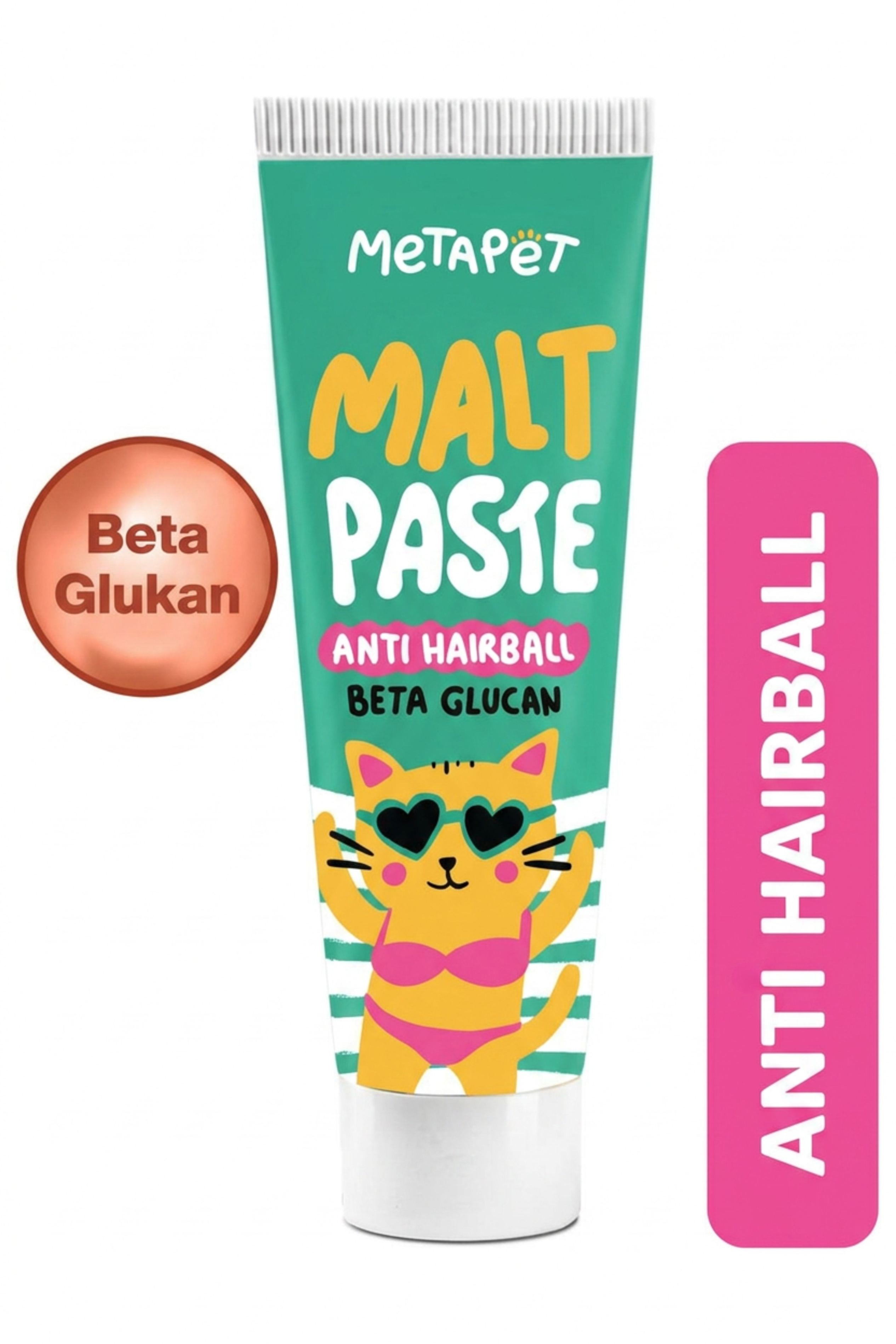
Yes — choose soft treats or a squeeze tube that fits through the basket gaps. Feeding through the muzzle is a core part of keeping the association positive.
My dog already hates the muzzle. Is it too late?
No. Switch to a different style and color so it looks new, then restart the desensitization ladder from the first step, moving more slowly. Most dogs can be retrained with patience.