How Often Should You Bathe Your Dog or Cat? Coat-Type Guide

"How often should I bathe my dog?" is one of the most common questions groomers and veterinary teams hear, and the honest answer frustrates people: it depends. It depends on the coat, the skin, the lifestyle, the season, and whether there is a medical condition in the picture. What does not vary is the underlying principle — bathing should serve the skin and coat, not work against them.
Owners tend to err in both directions. Some bathe weekly out of a sense that clean equals healthy, and end up with a flaky, itchy dog. Others go a year or more and wonder why the coat has become greasy and matted. The right rhythm sits between those extremes and is different for a short-coated hound, a double-coated husky, a curly-coated poodle mix, and a domestic shorthair cat.
This guide breaks down what bathing actually does to skin, how coat type and lifestyle shift the schedule, why cats are a special case, and how to keep a pet clean and comfortable between baths without over-washing.
Important: This article shares general educational information for pet owners and is not a substitute for an in-person veterinary examination, diagnosis, or treatment. For any medical concern or emergency, contact your veterinarian promptly.
What a Bath Actually Does
Skin is a barrier. On dogs and cats it is protected by a thin film of natural oils produced by sebaceous glands, along with a resident community of harmless microorganisms and a layer of shed skin cells. Together these keep moisture in and irritants out. Hair sits on top, trapping dirt and distributing those oils along its length.
Shampoo works by lifting oil and dirt so water can carry them away. That is exactly what you want when a dog has rolled in something unspeakable. But the same action, repeated too frequently, strips more oil than the skin can replace, and the barrier becomes drier, flakier, and more reactive. Owners often respond to the resulting itch with another bath, which deepens the cycle.
On the other hand, going too long allows oil, dead skin, dander, saliva residue, and environmental debris to accumulate. That build-up can mat the coat, feed odor, and irritate skin in its own right. Neither extreme is comfortable for the animal.
- The goal: remove excess dirt and oil without stripping the barrier.
- The signal you have overdone it: dry flakes, dull coat, increased scratching after baths.
- The signal you have waited too long: greasy feel, strong odor, visible dirt at the skin line, matting.
- The variable that matters most: your individual pet's skin and coat, not a number from the internet.
General Guidance by Coat Type
Coat structure changes how quickly dirt accumulates and how easily a coat dries. These are broad starting points to discuss with your groomer and veterinarian, not rules — an individual dog may need more or less.
Short, smooth coats
Breeds like beagles, boxers, and many mixed-breed short-haired dogs shed dirt fairly well and generally need bathing relatively infrequently. Regular brushing with a rubber curry or grooming mitt removes loose hair and surface debris and often does more good than a bath would.
Double coats
Huskies, German shepherds, golden retrievers, and similar breeds have a dense undercoat beneath a longer outer coat. These coats are naturally weather-resistant and generally do best with less frequent bathing and much more frequent brushing. Thorough drying is essential — a damp undercoat next to the skin is a genuine problem. Never shave a double coat to reduce bathing needs; the coat serves an insulating and protective purpose.
Long or continuously growing coats
Poodles, shih tzus, Maltese, and many doodle-type crosses have hair that keeps growing and mats readily. These coats usually need a more regular grooming cycle including bathing, and always require thorough brushing before the bath — water tightens existing mats and makes them far harder to remove.
Wiry and curly coats
Terrier-type wiry coats can lose texture with frequent shampooing. Curly coats trap shed hair rather than dropping it, so they need consistent brushing and a professional grooming schedule to stay comfortable.
Lifestyle Changes the Answer
Two dogs of the same breed can need very different schedules. A dog who swims in a lake, hikes muddy trails, or works outdoors accumulates debris quickly. A dog who walks on pavement and sleeps indoors does not.
- Outdoor and working dogs: more frequent rinsing or bathing, with careful attention to drying.
- Swimmers: rinse after swimming, particularly in salt water, chlorinated pools, or water with algae; a rinse is not the same as a full shampoo bath.
- Dogs who share beds with people: households often prefer a more regular schedule for comfort reasons, which is a legitimate factor.
- Allergy households: some people find that more regular bathing and brushing reduces the dander they are reacting to; discuss with your physician and veterinarian.
- City dogs: paws pick up road grit and residues, and a paw-focused clean after walks is often more useful than a full bath.
- Seasonal shifts: shedding seasons demand brushing more than bathing, though a well-timed bath can help loosen dead coat.
Puppies benefit from being introduced to bathing early and gently, even if they do not strictly need one — a positive first experience pays off for years. Senior pets, arthritic pets, and those with mobility problems need extra thought about non-slip surfaces, water temperature, shorter sessions, and gentle handling.
Cats Are a Different Conversation
Healthy cats are exceptionally efficient self-groomers. The barbed surface of a cat's tongue works like a comb, and most cats spend a substantial part of their waking hours maintaining their coat. For the majority of indoor cats, routine full baths are unnecessary and, given how stressful most cats find water, often counterproductive.
That does not mean cats never need help. Situations where extra grooming support genuinely matters include long-haired cats prone to matting, overweight or arthritic cats who cannot reach parts of their body, senior cats whose grooming has declined, cats recovering from illness or surgery, and cats who have gotten into something on their coat.
- Brushing first, always: regular brushing prevents most of the problems a bath would be needed to fix.
- Watch for grooming decline: a cat who stops grooming is telling you something — reduced grooming can accompany pain, dental problems, obesity, or illness and deserves a veterinary visit.
- Watch for overgrooming too: bald patches or constant licking is also a veterinary matter.
- Never use dog products on cats: cats metabolize certain ingredients differently, and some dog products are unsafe for them.
- Consider waterless options: for cats who find water genuinely distressing, dry foam or wipe-based grooming can be far kinder.
If your cat has a substantial mat, resist the urge to cut it out with scissors. Cat skin is thin and tears easily, and this is one of the more common home grooming injuries. A groomer or veterinary team can shave it out safely.
Signs You Are Bathing Too Often
The skin will tell you before anything else does. Watch for a pattern of these appearing in the days after a bath.
- Flaking and dandruff: white flakes through the coat, especially along the back.
- Increased scratching: itch that starts or worsens after bathing.
- Dull, brittle coat: loss of the natural sheen, hair that feels rough.
- Redness or irritation: particularly on the belly, armpits, and groin where skin is thin.
- Static-heavy, fluffy coat: in some coat types, a sign the natural oils have been stripped.
If you see these signs, extend the interval between baths and mention it at your next veterinary visit. Persistent itch, redness, hair loss, or odor is not a bathing problem to solve at home — those signs warrant veterinary examination, because skin disease, parasites, allergies, and hormonal conditions all present this way and each needs a different approach.
Choosing a Shampoo
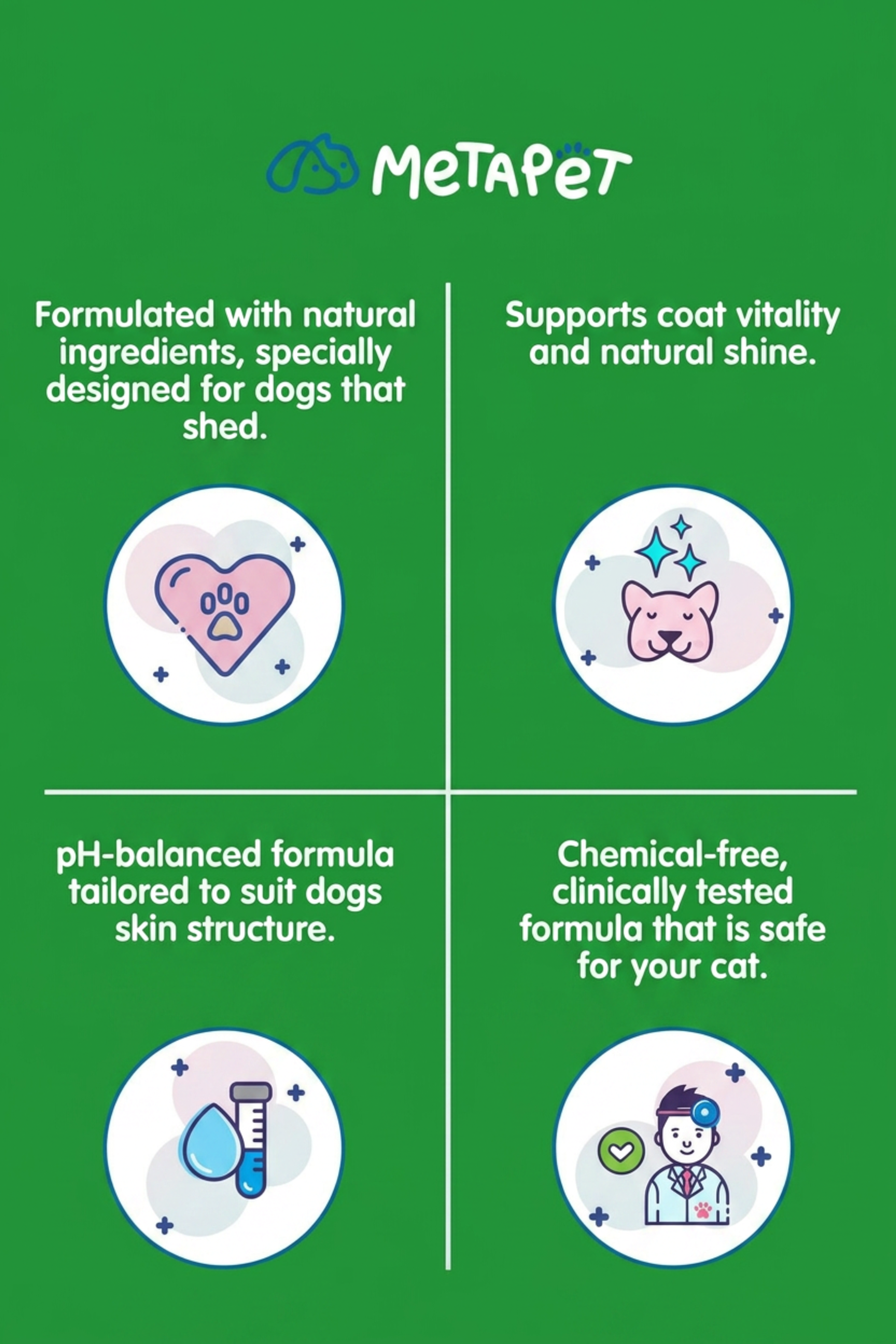
Shampoo formulated for people is not appropriate for dogs and cats — skin pH and structure differ. Use a product made for the species you are bathing, and if your veterinarian has prescribed a specific medicated shampoo for a diagnosed skin condition, use that as directed and follow the contact time they specify.
Routine grooming shampoo
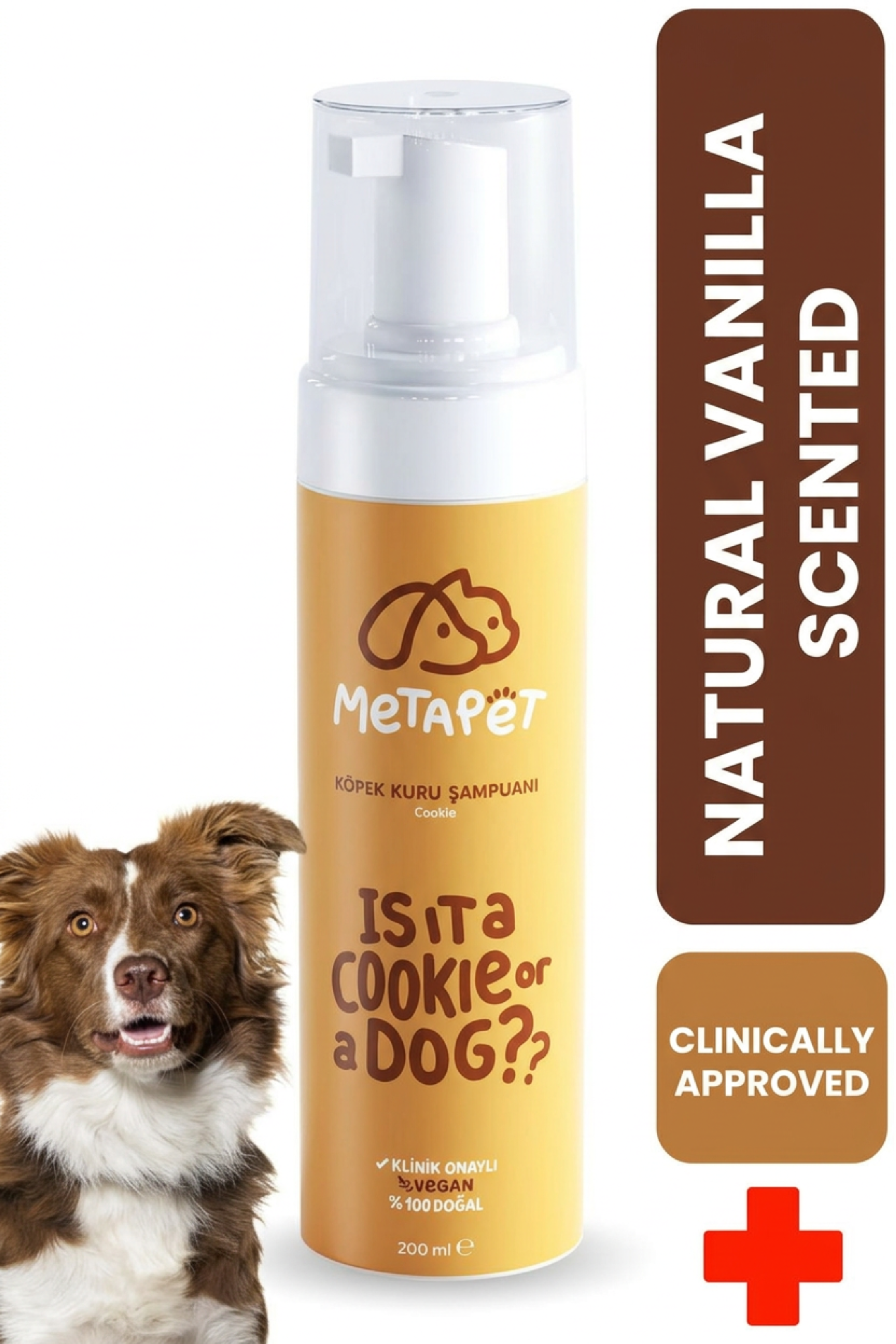
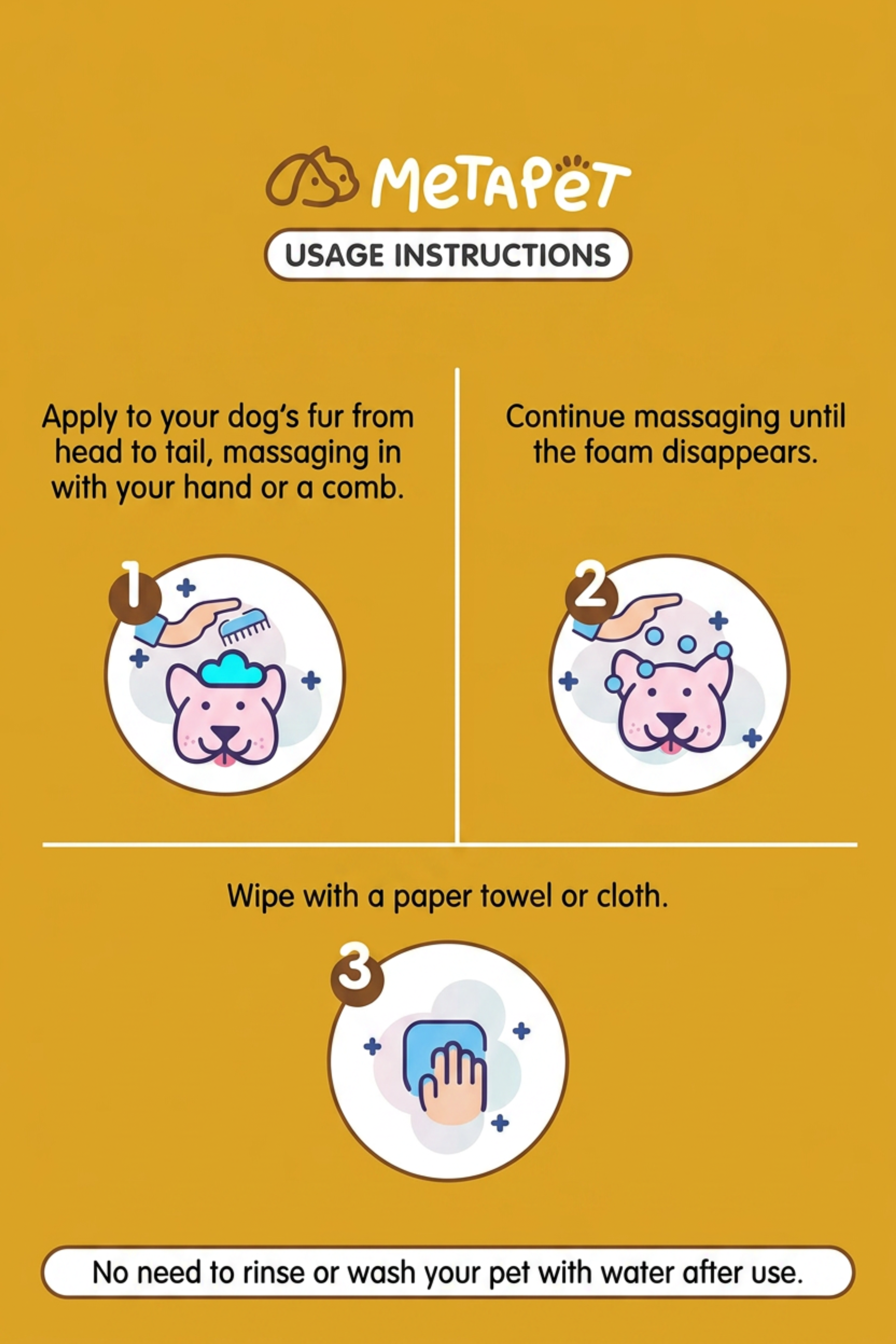
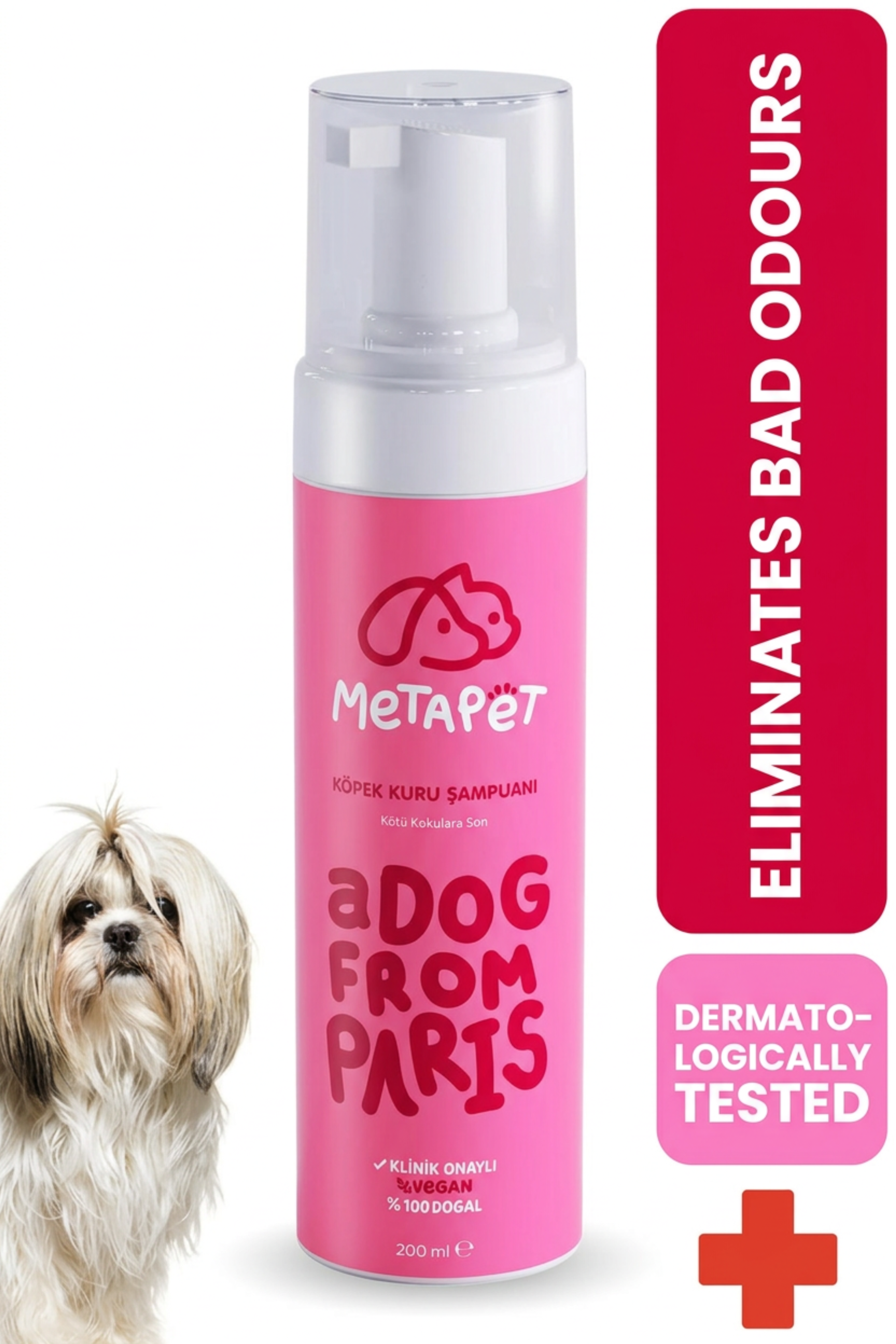
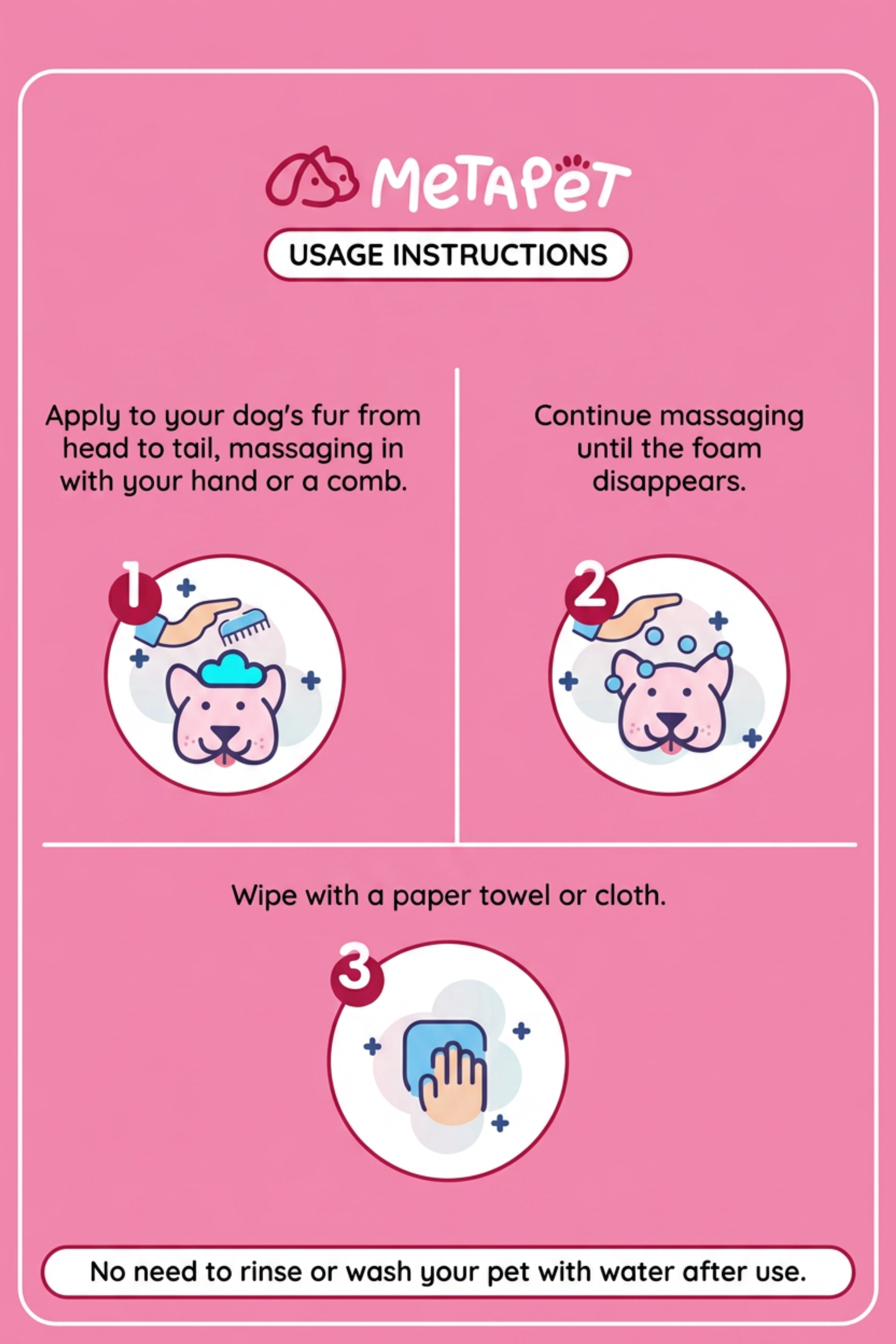
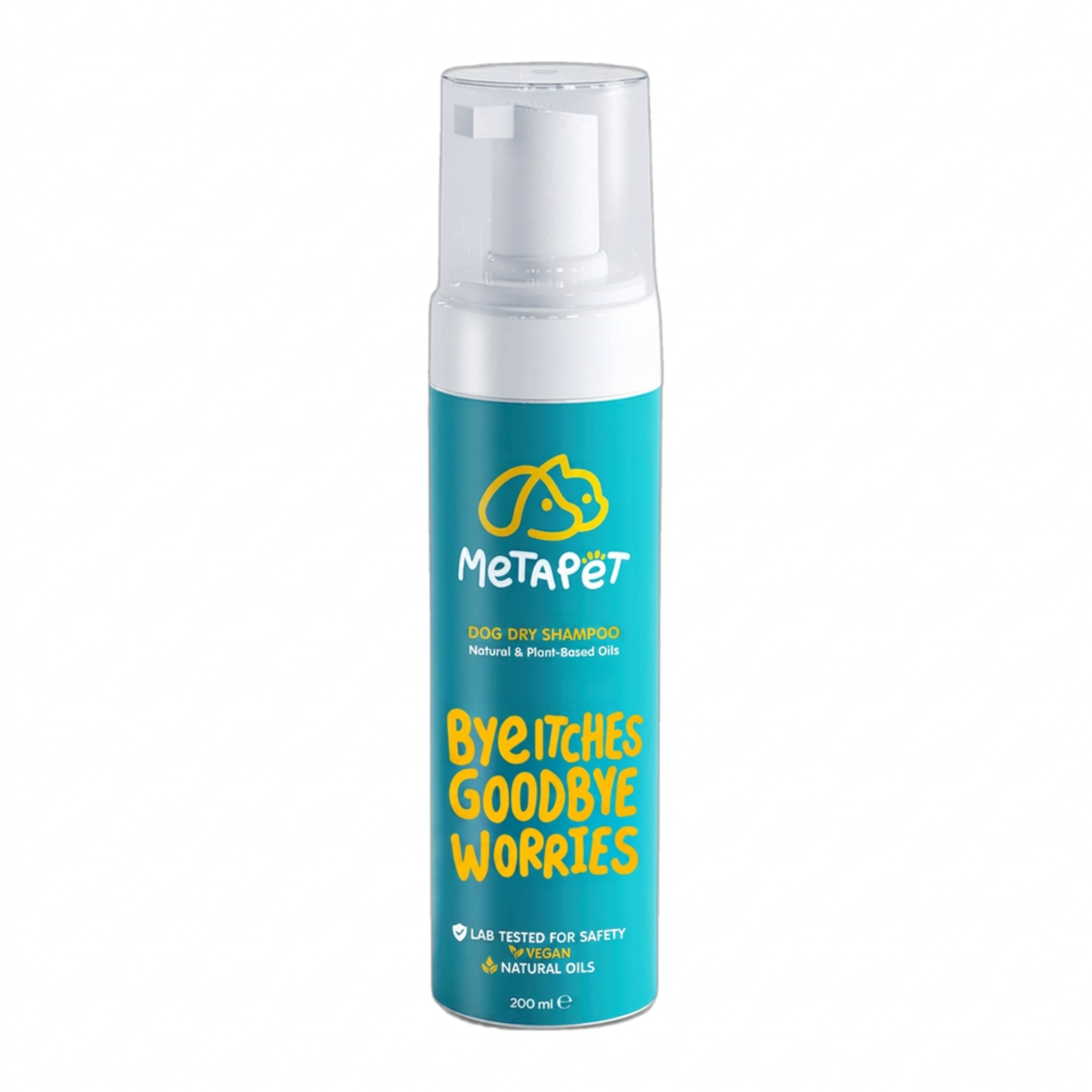
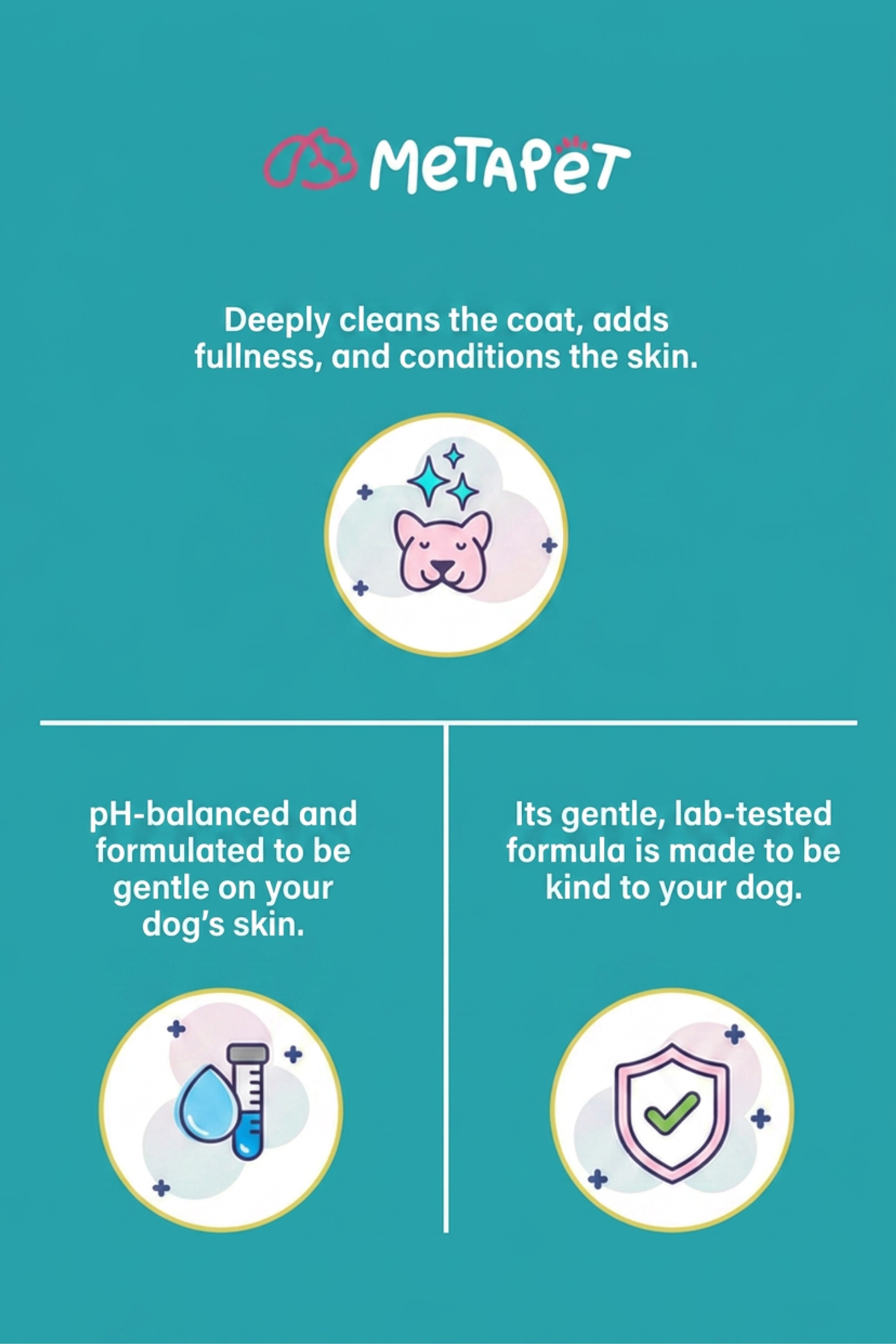
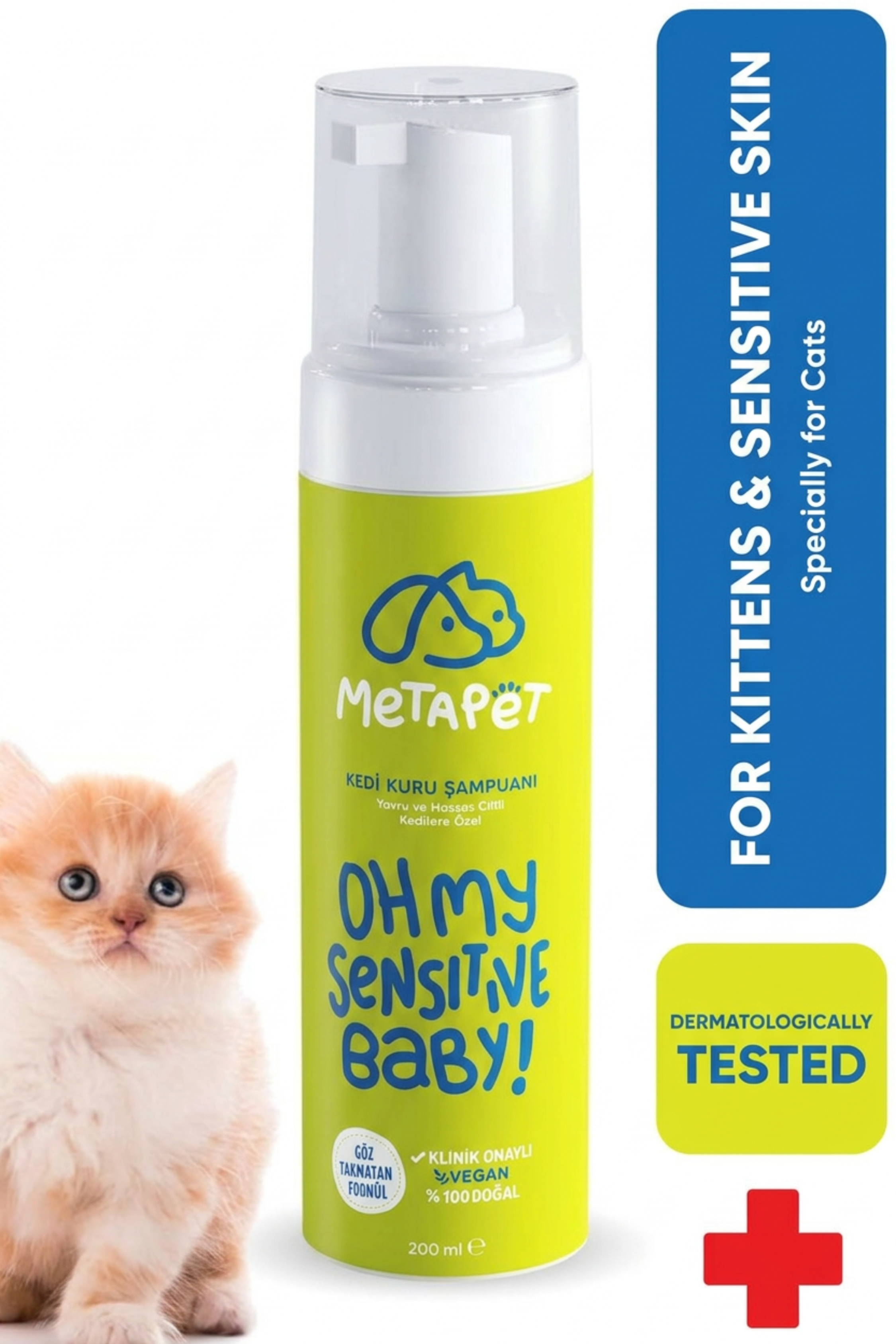
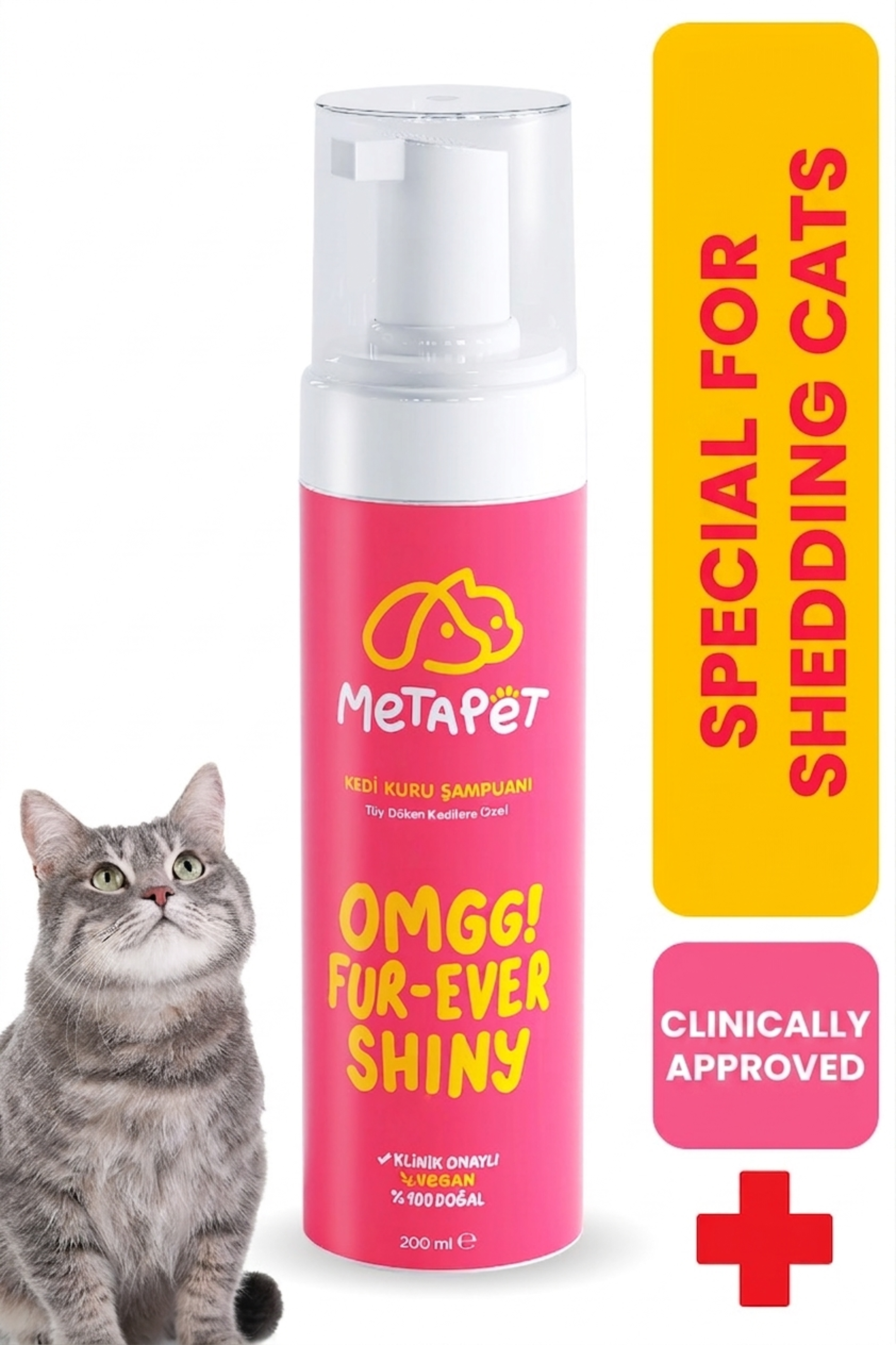
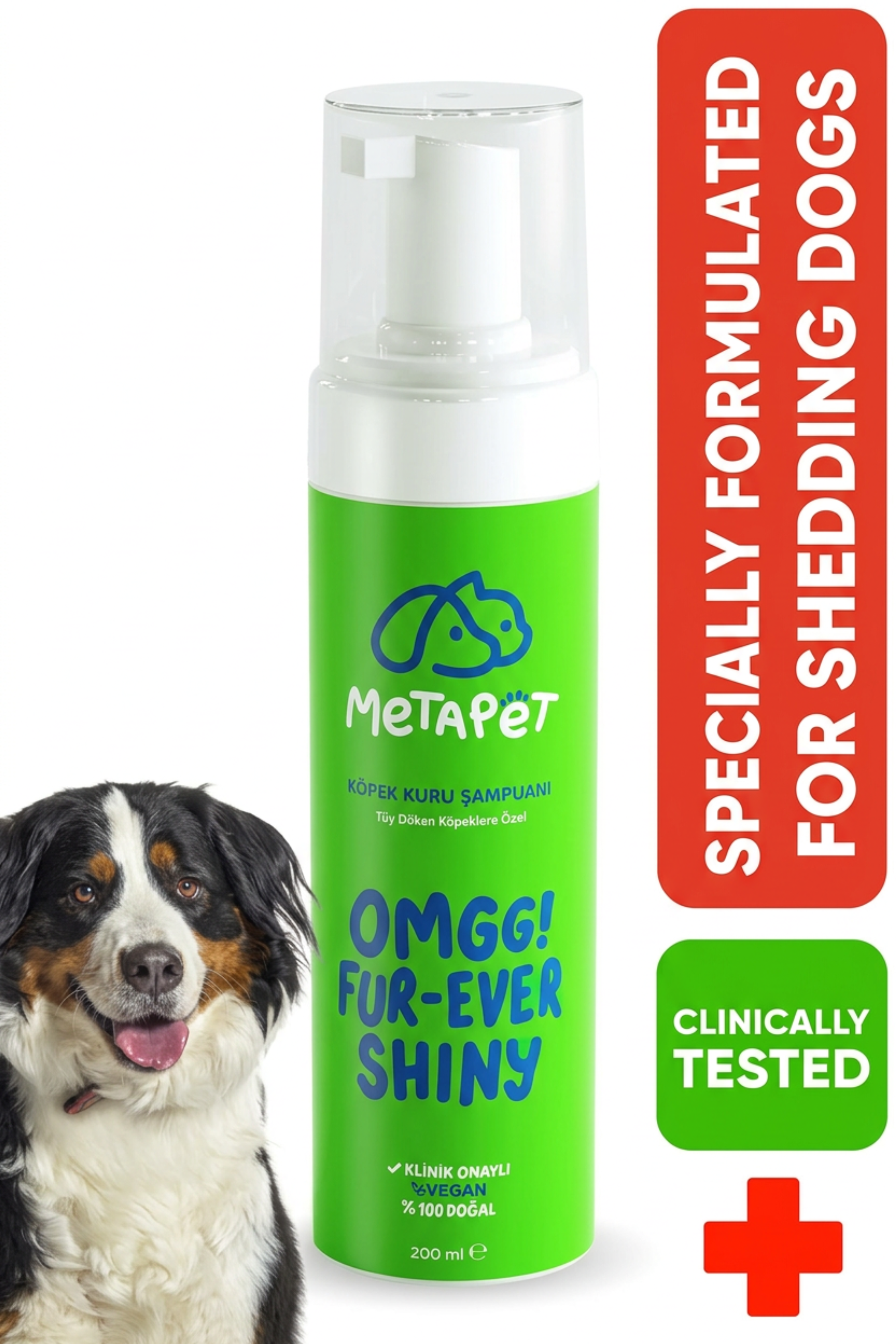
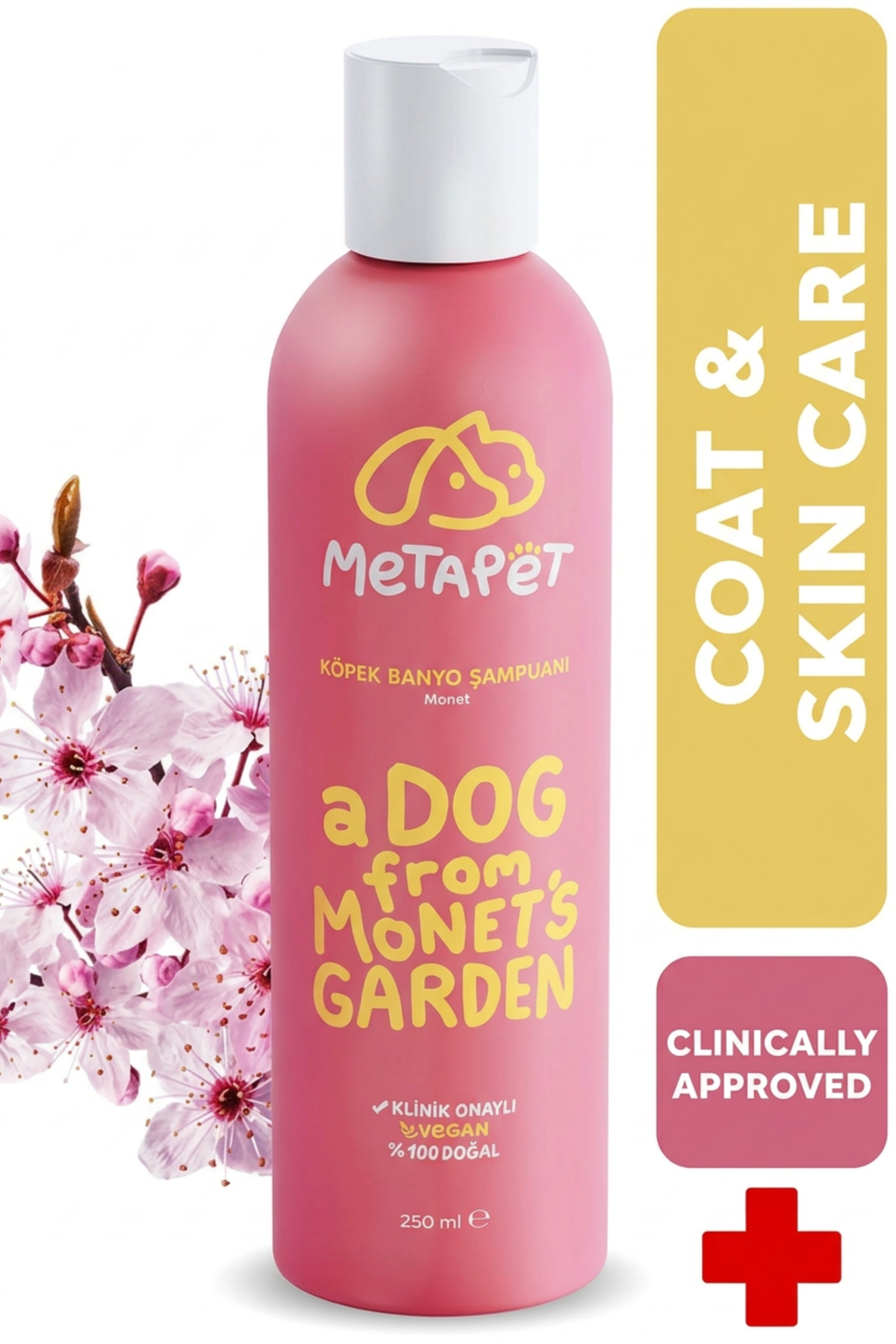
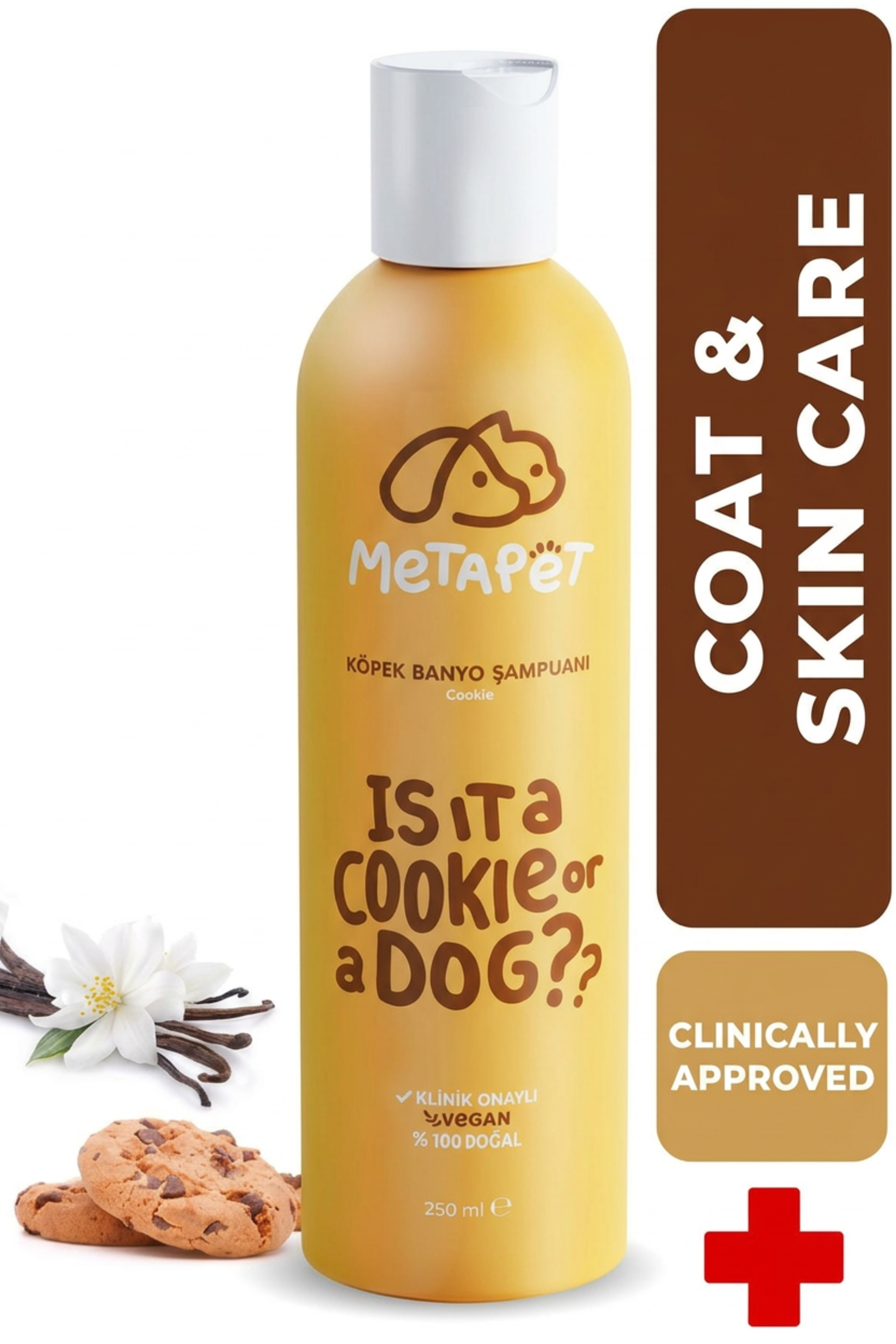
For routine grooming, a gentle formula designed for pets is the sensible default. MetaPet's pH-Balanced Bath Shampoo for Dogs is formulated for canine skin and coat as a general grooming product. For dogs and cats who are difficult to bathe with water, waterless dry foam options such as A Dog From Paris waterless dry foam shampoo for dogs and Oh My Sensitive Baby waterless dry foam shampoo for cats are designed for cleaning and freshening the coat between baths.
These are cosmetic grooming products intended to help keep the coat clean and comfortable. They are not medicated treatments, they do not diagnose or address skin disease, and they are a complement to — never a substitute for — veterinary examination and any treatment your veterinarian prescribes. If your pet has itchy, inflamed, smelly, or broken skin, that needs a veterinary diagnosis first.
How to Bathe Well When You Do
Technique matters as much as frequency. A well-executed bath at a sensible interval beats a rushed weekly one.
For a full walkthrough of the process itself, see our step-by-step guide to bathing your dog at home. This article focuses on how often to bathe and how that changes with coat type; that one covers the technique in detail.
- Brush thoroughly first, working out tangles and mats before any water touches the coat.
- Set up before you start: non-slip mat, lukewarm water, shampoo within reach, towels ready, treats on hand.
- Wet the coat completely down to the skin — thick coats can look wet on the surface while remaining dry underneath.
- Apply diluted shampoo and work it in with your fingers, saving the head for last and keeping product away from eyes and ear canals.
- Rinse far longer than you think is necessary; residue left in the coat is a common cause of post-bath itching.
- Towel dry, then air dry or use a dryer on a cool or low setting, making sure double coats dry all the way to the skin.
- Finish with praise, a treat, and a calm few minutes so the experience ends positively.
Keep water out of the ear canals, and if your pet is prone to ear problems, ask your veterinarian how they would like you to manage ears around bathing.
Keeping Clean Between Baths
Most of the work of a clean pet is not bathing at all. Brushing removes loose hair and debris and distributes natural oils along the hair shaft, which is precisely what keeps a coat looking healthy.
- Brush on a schedule: short coats weekly, long or double coats several times a week or daily during shedding season.
- Clean paws after walks: a rinse or paw-focused clean removes grit, salt, and mud before it reaches beds and furniture.
- Spot clean: a damp cloth or grooming wipe handles a muddy patch without a whole-body bath.
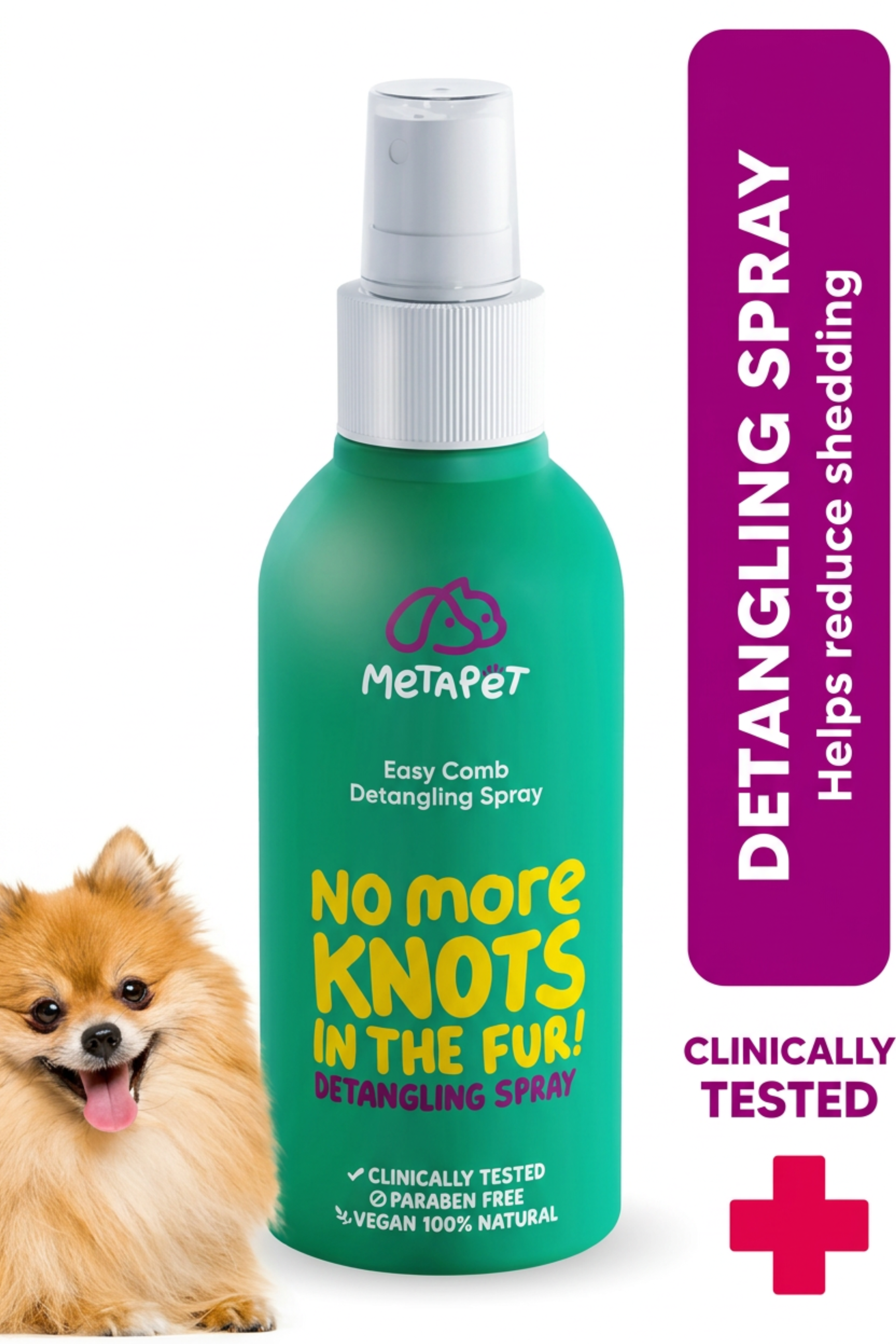
- Detangle before it becomes a mat: a detangling spray and a gentle comb make short work of a knot that would otherwise need clipping.
- Wash bedding regularly: a clean bed keeps a clean pet cleaner for longer.
- Check as you groom: brushing time is the ideal moment to feel for lumps, check ears, and look at skin.
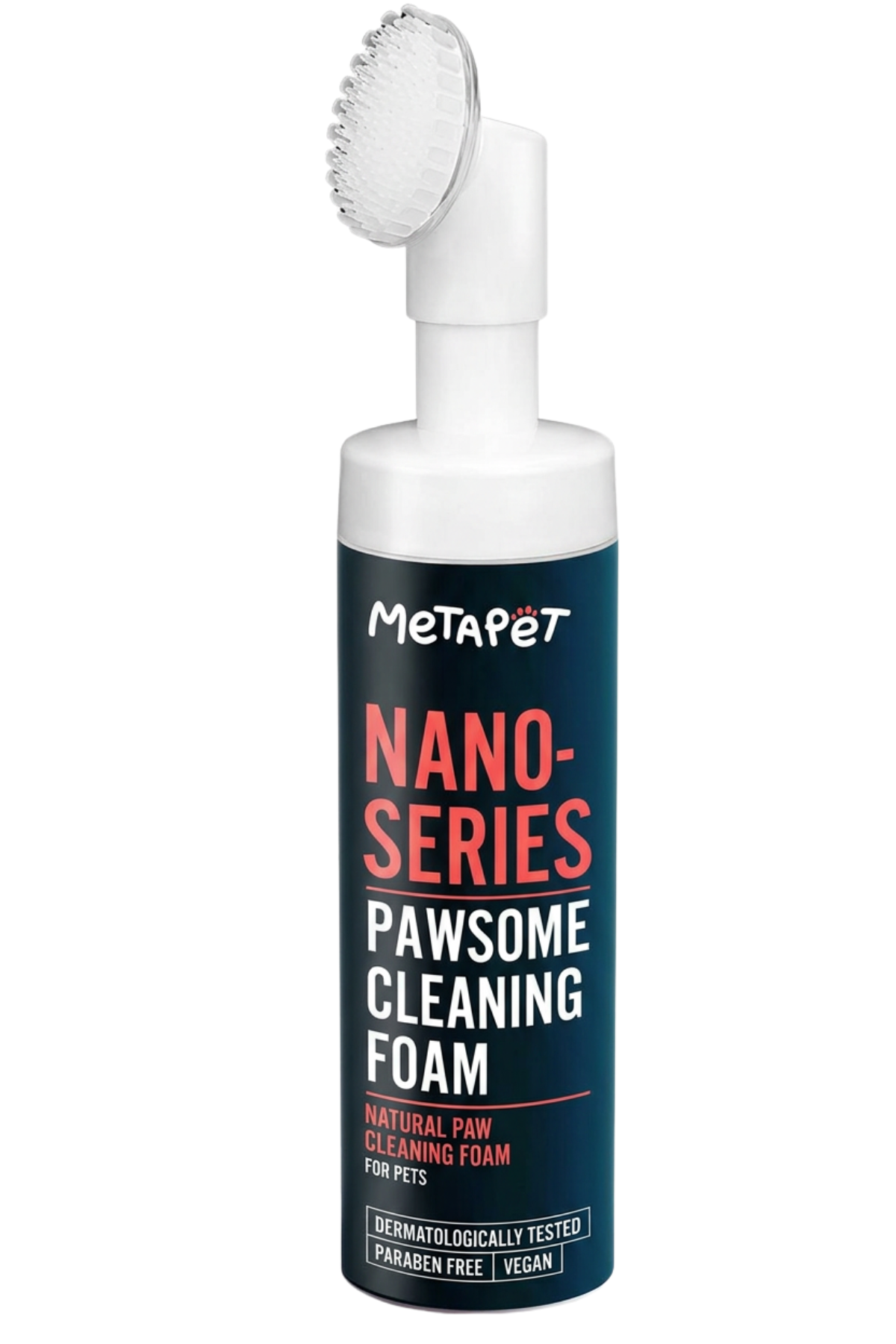
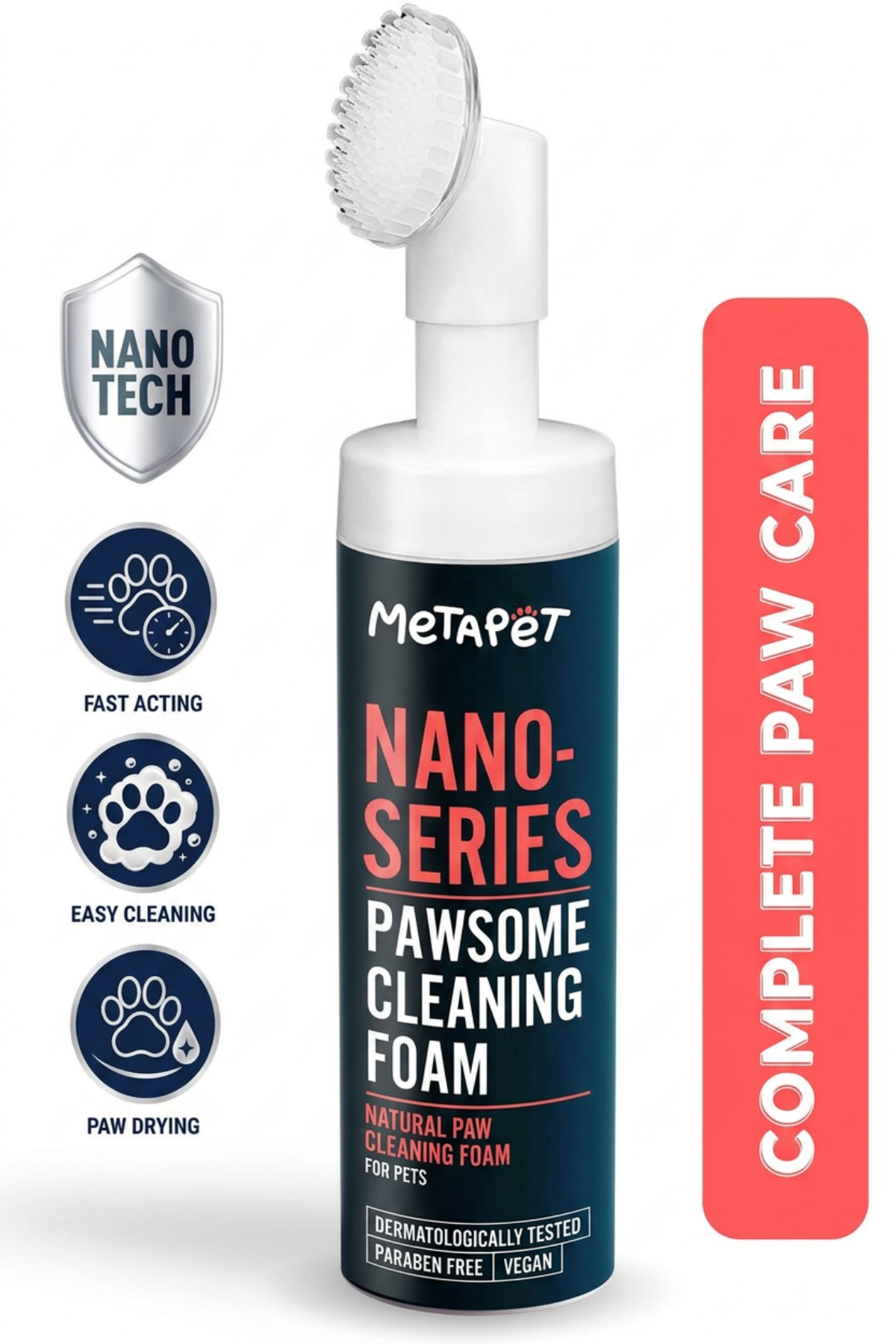
Products that support this between-bath routine include paw-focused options such as MetaPet's Nano-Series Pawsome paw cleaning foam and detangling aids such as No More Knots in the Fur detangling and easy-combing spray. Again, these are grooming and hygiene products designed to make routine coat care easier; they support a care routine rather than replacing veterinary attention for any skin or coat problem.
Special Situations
After a skunk, oil, or chemical exposure
If your pet has contacted a chemical, oil, or anything potentially toxic, call your veterinarian or an animal poison control service before bathing. Some substances require specific handling, and some are absorbed through skin or become more dangerous if a pet licks the coat. Prevent licking and grooming while you get advice.
Around surgery or wounds
Do not bathe a pet with an unhealed incision, stitches, or an open wound unless your veterinarian has cleared it. Water softens healing tissue and can introduce infection. Ask for specific guidance on when normal bathing can resume.
When a medicated shampoo is prescribed
Follow the prescribed frequency exactly, even if it seems more often than routine bathing would be. Medicated shampoos are used therapeutically, and the contact time on the skin is usually part of how they work. Do not layer a cosmetic shampoo over a prescribed one without asking.
Pets who panic
Fear of bathing is real and worth addressing rather than muscling through. Short desensitization sessions, non-slip footing, lukewarm water, a calm handler, and generous rewards change the picture for many pets. For animals who remain genuinely distressed, professional grooming or waterless approaches are kinder options.
When to Involve Your Veterinarian
Grooming and medicine overlap more than people expect. Bathing is a reasonable home routine; skin disease is not.
- Book a visit for: persistent itching, redness, hair loss, scabs, hot spots, a strong or unusual odor, greasy coat that returns quickly after bathing, or sudden dandruff.
- Book a visit for: a cat who has stopped grooming, or one who is grooming to the point of bald patches.
- Book a visit for: recurrent ear problems, especially around bathing or swimming.
- Seek prompt care for: rapidly spreading skin lesions, open sores, swelling, or a pet who is painful when touched.
- Always ask before: bathing a pet with a wound, incision, or diagnosed skin condition, or after a chemical exposure.
Odor in particular is worth taking seriously. A dog who smells bad again within days of a proper bath is usually telling you about skin, ear, dental, or anal gland issues rather than about needing more shampoo.
The Bottom Line
There is no universal bathing schedule, and any source that gives you one without asking about your pet is oversimplifying. The workable approach is to start from your pet's coat type and lifestyle, watch the skin and coat for feedback, and adjust. Brush far more often than you bathe. Keep paws and problem areas clean between baths rather than washing the whole animal.
For cats, lean heavily on brushing and reserve water baths for genuine need. For dogs, match the schedule to the coat and the mud. For any pet, treat persistent skin or coat problems as a medical question rather than a grooming one.
Done well, bath time is also relationship time — a few calm minutes of handling that make future veterinary visits, nail trims, and health checks easier. That is worth as much as the clean coat.