Feline Chin Acne: Causes, Home Care, and Prevention

If you have noticed tiny black specks or small bumps clustered under your cat's chin, you are not alone. Feline chin acne is one of the most common minor skin findings veterinarians see, and many owners first mistake it for dirt, flea droppings, or dried food. In most cats it is mild and manageable at home, but it helps to understand what is actually happening on the skin and when a spot deserves a closer look.
This guide walks through what feline acne is, why it develops, how to care for a mild case gently, and the warning signs that mean it is time to involve your veterinarian. The goal is to help you support your cat's skin comfortably without over-treating a condition that is often more cosmetic than serious.
Important: This article shares general educational information for pet owners and is not a substitute for an in-person veterinary examination, diagnosis, or treatment. For any medical concern or emergency, contact your veterinarian promptly.
What Feline Chin Acne Actually Is
Feline acne is a disorder of the hair follicles and oil (sebaceous) glands, most often on the chin and the edges of the lower lip. The area fills with keratin and sebum, producing comedones — the feline equivalent of blackheads. Because a cat's chin has a high concentration of scent and oil glands, it is a natural hot spot for this kind of buildup.
In many cats the condition is intermittent and mild: a scattering of black specks that come and go with no obvious discomfort. In others it can progress, with the follicles becoming inflamed, red, or infected. Understanding where your cat falls on that spectrum is the key to responding appropriately rather than reacting to every speck.
Common Causes and Contributing Factors
Feline acne rarely has a single, tidy cause. It is usually the result of several factors overlapping, which is why prevention often means adjusting a few small things at once rather than searching for one culprit.
- Plastic food and water bowls: plastic can develop micro-scratches that trap bacteria and oils, and some cats react to the material itself. This is one of the most frequently cited contributors.
- Poor chin grooming: cats groom most of their body meticulously but cannot easily clean their own chin, so oils and debris accumulate there.
- Overactive oil glands: some cats simply produce more sebum, especially around the chin and lips.
- Stress and hormonal shifts: these can influence skin and follicle activity in some cats.
- Underlying skin conditions: allergies, ringworm, or mites can look similar or coexist with acne, which is why persistent cases deserve veterinary eyes.
How to Recognize It at Home
Knowing what to look for helps you judge severity and track whether things are improving or worsening over time.
Mild signs
- Small black dots (comedones) under the chin or along the lower lip
- A slightly gritty or dirty look to the chin that does not wipe away easily
- No redness, swelling, or obvious itch
Signs that need more attention
- Red, swollen, or warm bumps
- Pus-filled spots, crusting, or scabs
- Hair loss on the chin
- Frequent rubbing, scratching, or apparent discomfort
- Bleeding when the area is touched
Gentle Home Care for Mild Cases
For a mild, non-inflamed case, the aim is simple hygiene and reducing buildup — not aggressive scrubbing, which can irritate the skin and make things worse. Always start gently and stop if your cat seems uncomfortable.
- Wipe the chin gently once or twice daily with a soft, damp cloth using lukewarm water to help lift surface debris.
- Keep the area dry after cleaning; trapped moisture is not helpful.
- Avoid squeezing, picking, or scrubbing at the bumps, which can inflame follicles.
- Give the chin time — improvement is usually gradual, not overnight.
If you want to use any medicated wipe, cleanser, or topical product, check with your veterinarian first. Human acne products in particular can be inappropriate or unsafe for cats, and what helps one cat may irritate another.
The Food Bowl Connection
Because plastic bowls are such a common contributor, a practical first step is switching to stainless steel, glass, or ceramic dishes. These materials are easier to keep truly clean and are less prone to the micro-scratches that harbor bacteria.
- Wash daily: clean food and water bowls every day with hot water, the way you would your own dishes.
- Shallow and wide: a shallow dish keeps the chin from pressing into leftover food and oils.
- One cat, one bowl: in multi-cat homes, separate bowls reduce shared bacteria.
- Rinse well: residual soap can irritate a sensitive chin, so rinse thoroughly.
What Not to Do
Owners often mean well but reach for approaches that backfire. Avoiding these missteps is half the battle.
- Do not squeeze the bumps: this can rupture follicles and trigger inflammation or infection.
- Do not use harsh human products: astringents and strong acne washes are formulated for human skin, not feline chins.
- Do not scrub aggressively: friction irritates already-sensitive follicles.
- Do not ignore worsening signs: a mild case that turns red and painful has moved beyond home care.
When to See Your Veterinarian
Chin acne is usually minor, but some cases need professional assessment to rule out look-alike conditions and to address inflammation properly.
- The bumps are red, swollen, painful, or draining
- There is hair loss, crusting, or bleeding
- The problem keeps returning despite good hygiene and a bowl change
- Your cat is rubbing the chin excessively or seems bothered
- You are not sure whether it is acne, mites, ringworm, or an allergy
Your veterinarian can look closely, sometimes take a simple sample to check for infection or other causes, and recommend a care plan suited to your individual cat. For any spot that looks infected or painful, contact your veterinarian rather than waiting it out.
Ruling Out Look-Alikes
Several conditions can mimic chin acne, which is why persistent or severe cases should not simply be assumed to be acne. Ringworm (a fungal infection), ear or skin mites, allergic skin disease, and localized infections can all produce bumps, crusts, or hair loss on or near the chin. A veterinary exam and, when needed, a quick diagnostic test can tell these apart so your cat gets appropriate care.
This distinction matters because the right response differs: a fungal or parasitic issue needs targeted veterinary treatment, while true mild acne mainly needs hygiene and patience.
Supporting Healthy Skin Long Term
Beyond the chin itself, general skin and coat health gives your cat a better baseline. That means a complete, balanced diet appropriate for your cat's life stage, fresh water, routine parasite prevention as advised by your veterinarian, and regular gentle grooming. Keeping stress low with predictable routines, enrichment, and safe spaces can also help skin-sensitive cats.
If your cat is prone to recurring chin acne, building a light daily chin-wipe habit and sticking with non-plastic bowls often keeps flare-ups to a minimum. Think of it as ongoing maintenance rather than a one-time fix.
Grooming and Overall Skin Support
A cat that is well groomed and comfortable in its coat tends to have healthier skin overall, and the chin is no exception. While cats are famously fastidious, the chin is one spot they physically cannot reach with the tongue, so a little owner help goes a long way. Regular, gentle brushing of the body supports coat health and reduces the buildup of oils and loose hair that can migrate to the face during self-grooming.
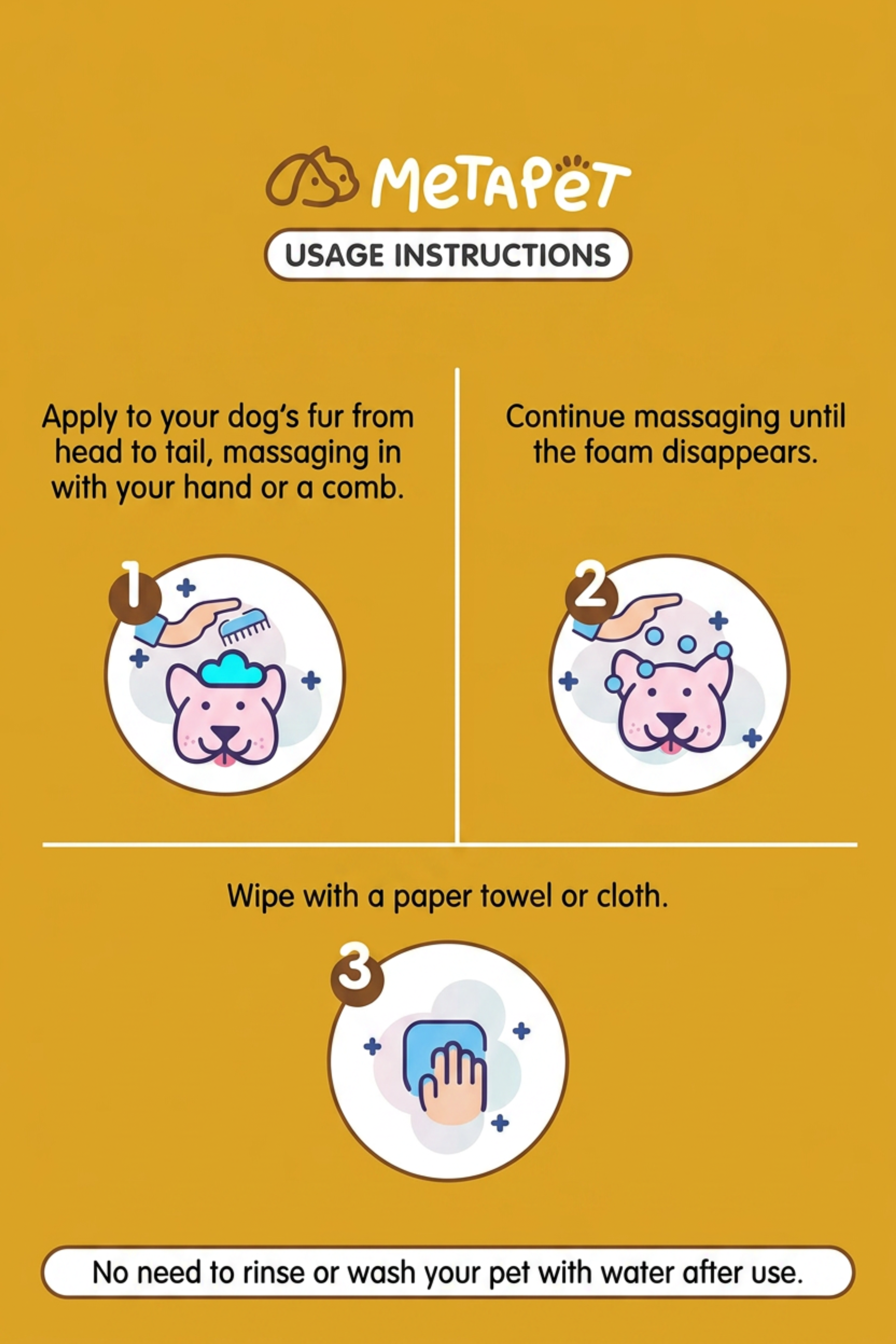
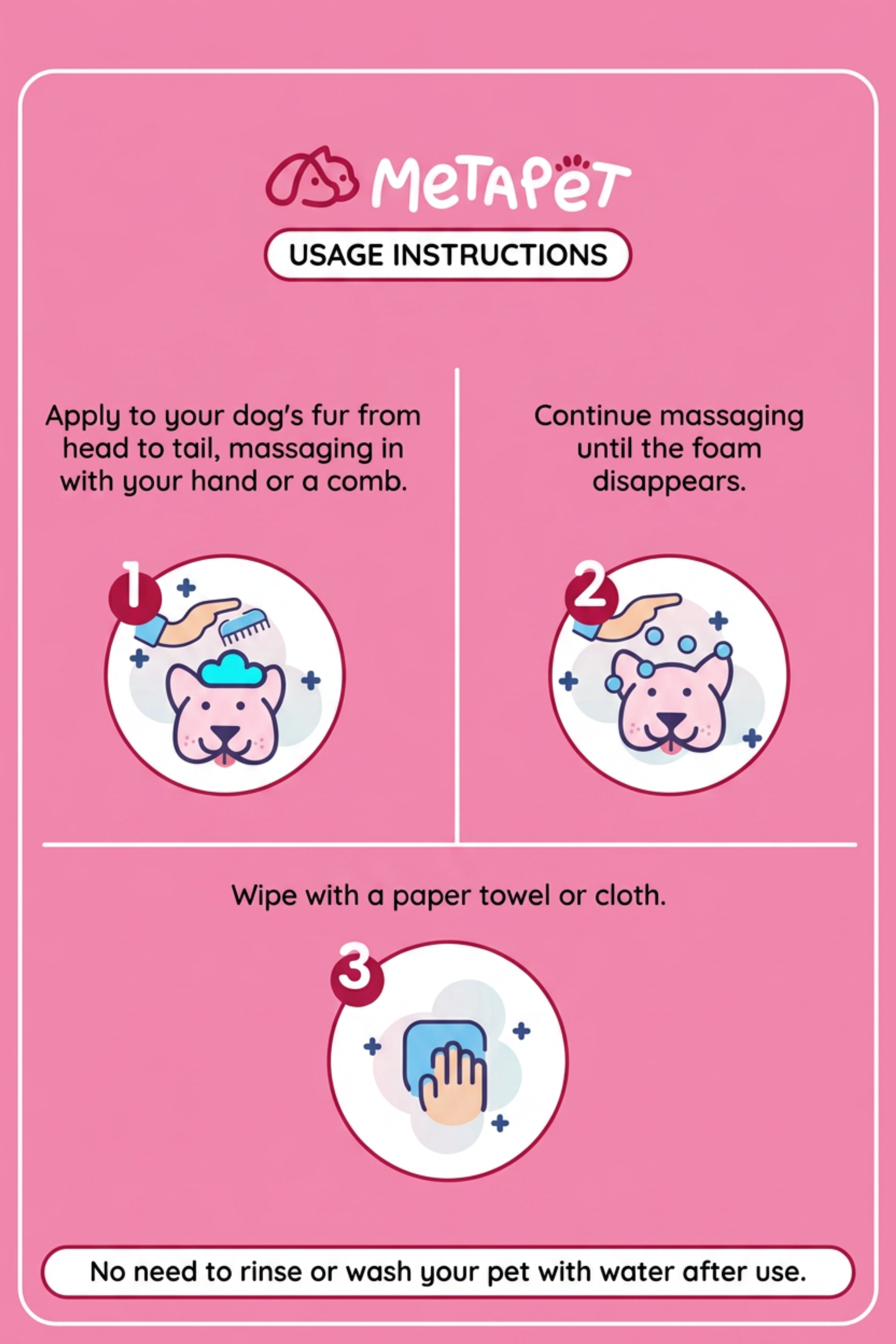
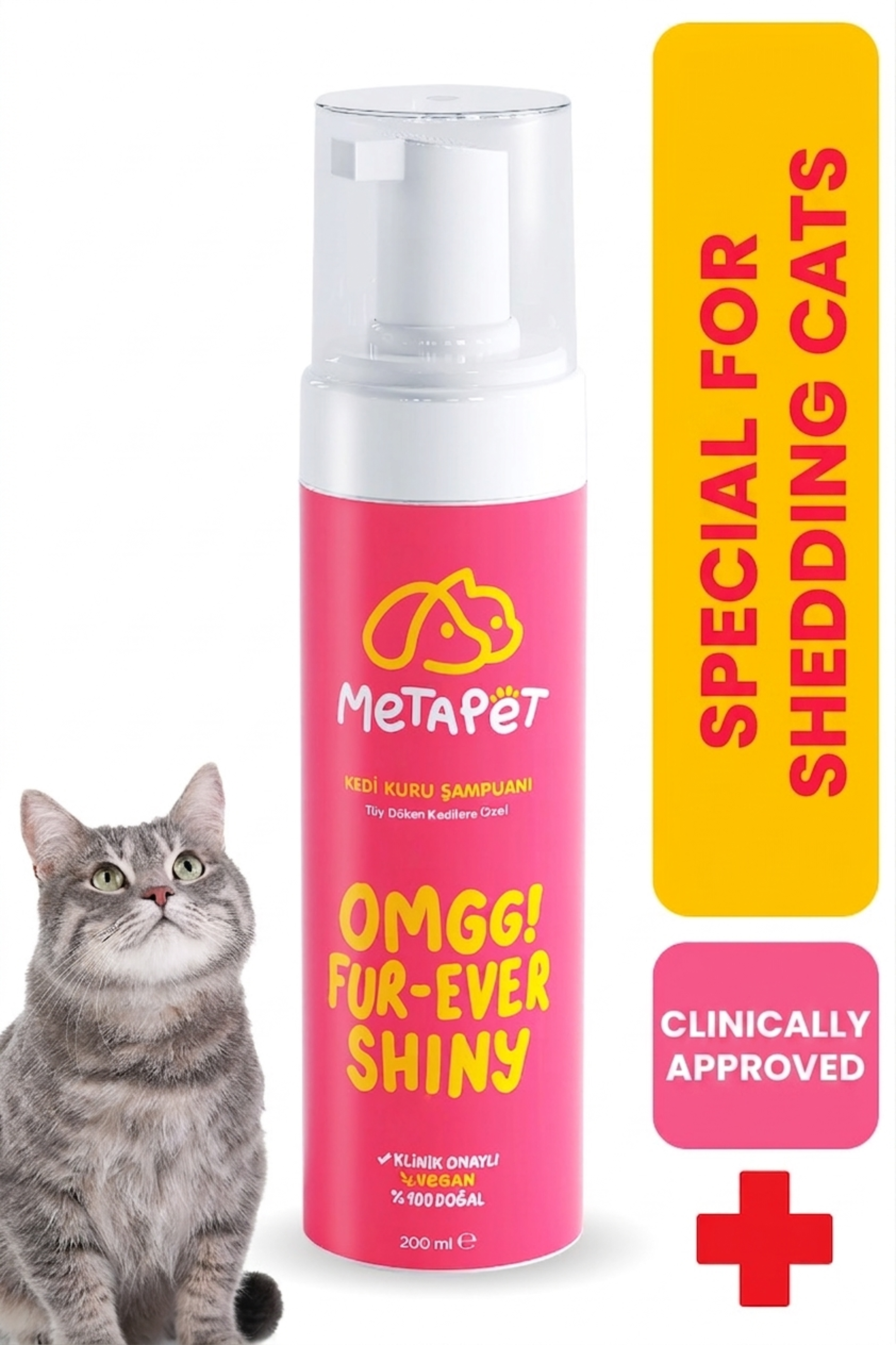
Keeping your cat's face area clean after meals — particularly for cats that eat wet food and tend to get it on the chin — removes residue before it can accumulate. Products intended for routine external hygiene, such as gentle grooming wipes or mists designed for cats, may be used to freshen the coat as part of a normal grooming routine, but they are cosmetic aids and are not treatments for skin conditions. If the chin is inflamed, sore, or broken, pause topical products and check with your veterinarian first, because irritated skin needs professional guidance rather than more handling.
The Stress Connection
Skin and stress are more linked than many owners expect. Cats living with chronic stress — from conflict with other pets, frequent household changes, or a lack of secure resting spots — can show it in various physical ways, and some skin issues appear more troublesome in stressed animals. While stress is not a proven direct cause of chin acne, a calm, predictable environment supports a cat's overall wellbeing, which underpins healthy skin.
Simple steps help: provide quiet retreat spaces, maintain consistent feeding and play routines, offer vertical territory like shelves or cat trees, and ensure each cat in a multi-cat home has its own resources. A settled cat is generally a healthier cat, and reducing stress is a low-risk part of caring for a skin-sensitive individual.
Tracking Flare-Ups Over Time
Because chin acne tends to come and go, keeping a simple record helps you and your veterinarian see the bigger picture. Note when flare-ups occur, what the chin looks like, and any changes you made around the same time — a new bowl, a diet change, a stressful event, or a move. Over weeks and months, patterns often emerge that point to specific contributors for your individual cat.
Photographs are especially useful, since subtle changes are hard to judge from memory. A dated series of clear, well-lit photos of the chin lets you objectively track whether things are improving, holding steady, or worsening. If you do end up at the veterinarian, this history turns a vague "it comes and goes" into concrete, useful information that guides better care.
Kittens and Young Cats
Chin acne can appear at almost any age, and young cats are not exempt. If you notice black specks under a kitten's chin, the same gentle principles apply: keep the area clean, switch to non-plastic bowls, and avoid squeezing or scrubbing. Because young animals are still developing and can be prone to other skin issues that look similar, it is especially worth having a veterinarian confirm what you are seeing rather than assuming.
Building good habits early — clean, shallow, non-plastic dishes washed daily, and a light chin-wipe routine when needed — sets a young cat up for fewer flare-ups over its life. It also gets your cat comfortable with having its face handled, which makes future grooming and any veterinary care far easier. Start slow, keep it positive, and pair chin care with praise or a favorite reward so it becomes a routine your cat tolerates happily.
Frequently Asked Questions
Is feline chin acne contagious?
True feline acne is not contagious to other pets or people. However, some look-alike conditions such as ringworm can spread, which is another reason to confirm the diagnosis if you are unsure.
Can I pop the blackheads?
No. Squeezing can damage follicles and lead to inflammation or infection. Gentle cleaning is safer and more effective over time.
Will it go away on its own?
Mild cases often wax and wane and may improve with simple hygiene and a bowl change. Persistent or inflamed cases usually need veterinary guidance.
Does diet cause chin acne?
Diet is not a proven direct cause, but overall nutrition supports skin health, and the food bowl material itself can be a contributor. Focus on a balanced diet and clean, non-plastic dishes.