Dogs Who Hate Baths: Making Bath Time Calm and Easier

If the sound of running water sends your dog under the bed, you are not alone. Plenty of dogs tremble or try to bolt the moment they sense a bath is coming, and every struggle makes the next one harder. The good news is that most bath-averse dogs can learn to tolerate, and sometimes even relax through, a bath when the experience is broken into small, predictable, rewarding steps. This guide focuses on the emotional side of bathing: why dogs find it frightening, how to read stress signals, how to build comfort gradually, and how gentle grooming products and waterless options can make the routine easier. For the basic mechanics of washing and rinsing, our step-by-step guide to bathing your dog at home covers that in detail.
Important: This article shares general educational information for pet owners and is not a substitute for an in-person veterinary examination, diagnosis, or treatment. For any medical concern or emergency, contact your veterinarian promptly.
Why Some Dogs Dread Bath Time
Fear of baths usually has understandable roots.
Loss of control and footing
A tub or shower floor is slick and hard. Dogs rely on traction to feel safe, and sliding paws can trigger real panic. Being lifted or confined adds to the feeling of being trapped.
Unfamiliar sensations
Running water, the sound of a sprayer, the smell of soap, and the weight of a soaked coat are all strange. Dogs not gently introduced to bathing early in life may never have learned these sensations are harmless.
Past bad experiences
Water that was too hot or cold, soap in the eyes, a fall in the tub, or a rushed, forceful bath can leave a lasting impression.
Discomfort or sensitivity
Some dogs resist handling because something hurts, such as stiff joints, sore ears, irritated skin, or tender paws. A dog that suddenly starts resisting baths after previously tolerating them deserves a veterinary check.
Reading Your Dog's Stress Signals
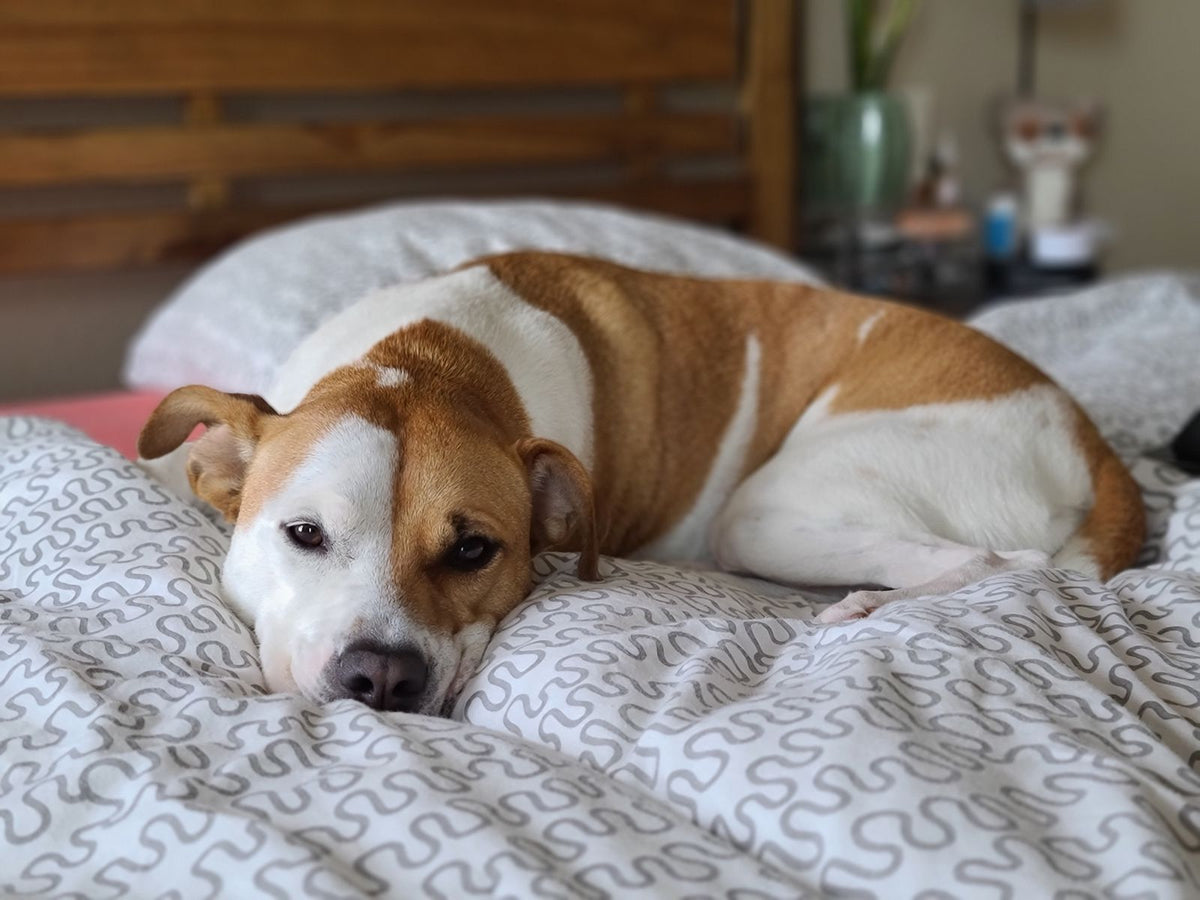
Dogs tell us how they feel long before they try to escape or snap. Learning early signals lets you pause before your dog becomes overwhelmed.
- Lip licking and yawning: often seen when a dog is uneasy, not tired.
- Showing the whites of the eyes: the head turns away while the eyes stay fixed on you or the tub.
- Ears pinned back and tail tucked: a lowered, compact body posture signals worry.
- Trembling or panting: especially when the room is comfortably warm and your dog has not been exercising.
- Freezing or going stiff: a still dog is not necessarily a relaxed dog.
- Turning away or trying to leave: your dog is asking for more distance.
- Refusing food rewards: a dog too stressed to eat is past its comfort zone.
- Growling, lifting a lip, or snapping: clear warnings that the session must end and the plan needs adjusting.
Never punish a growl. Growling is communication, and suppressing it can teach a dog to skip the warning and go straight to a bite. Instead, see it as useful information and back up to an easier step next time.
Setting Up a Calmer Bath Space
Small changes can make a big difference in how secure your dog feels.
- Add traction: place a non-slip mat or a folded towel on the floor of the tub or shower so your dog can stand steadily.
- Use lukewarm water: test it on your inner wrist. It should feel comfortably warm, never hot or chilly.
- Keep the room warm and draft-free: a shivering dog is an uncomfortable dog.
- Gather everything first: shampoo, cups or a handheld sprayer, towels, a brush, and food rewards should be within reach so you never leave your dog alone or wet.
- Lower the noise: fill a container ahead of time or use a sprayer on a gentle setting. Some dogs find pouring water from a cup far less alarming than a running faucet.
- Choose your timing: bathe after a walk, when your dog is relaxed, and never when you are in a hurry.
A lick mat stuck to the tub wall can keep your dog focused on something pleasant.
Desensitization: Building Comfort Step by Step
Desensitization means exposing your dog to a mildly worrying thing at a level low enough that it stays relaxed, then increasing the challenge gradually. Counterconditioning pairs each step with something your dog loves, such as tiny pieces of a favorite food, so the bathroom starts to predict good things.
- Visit the bathroom with no bath: walk in, offer a reward, and walk out until your dog enters willingly.
- Reward near the tub: scatter rewards on a mat beside the tub and let your dog explore at its own pace.
- Step into a dry tub: invite your dog in, reward generously, and let it hop out whenever it likes.
- Introduce sound: run a trickle of water briefly while feeding rewards, building gradually to a normal flow.
- Wet the paws: with a small amount of lukewarm water in the tub, reward your dog for standing in it for a moment.
- Wet the body gradually: pour a little water over the shoulders, reward, and pause. Work toward the rest of the body over many sessions, saving the head for last.
- Practice a short mini-bath: a quick wash of one area, a rinse, a towel, and a big reward. End before your dog shows stress.
Move on only when your dog is relaxed at the current step, and go back if stress signals appear. Short, frequent sessions tend to work best.
If a bath is needed before training is complete, keep it quick and gentle, or use a waterless option instead.
Making the Bath Itself Gentler
Once your dog is ready, aim for a calm, efficient routine.
- Start at the back, finish at the head: most dogs tolerate water on the body more easily than on the face.
- Use a washcloth for the face: wipe around the eyes and muzzle instead of pouring water over the head, and keep water out of the ears.
- Reward throughout: offer food rewards at regular moments, not just at the end.
- Keep it short: a quicker bath your dog tolerates is better than a perfect one it fears.
Choosing a gentle shampoo
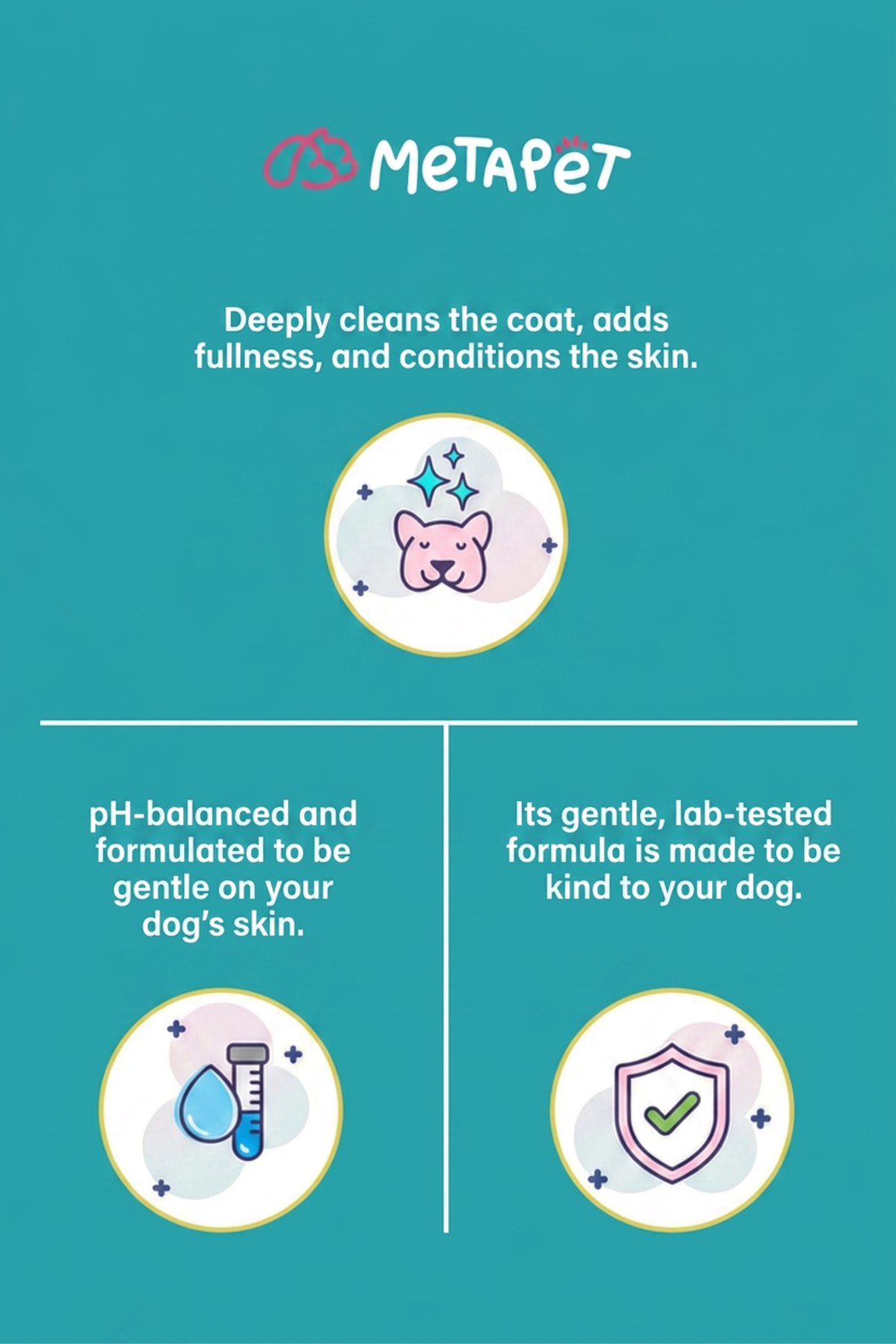
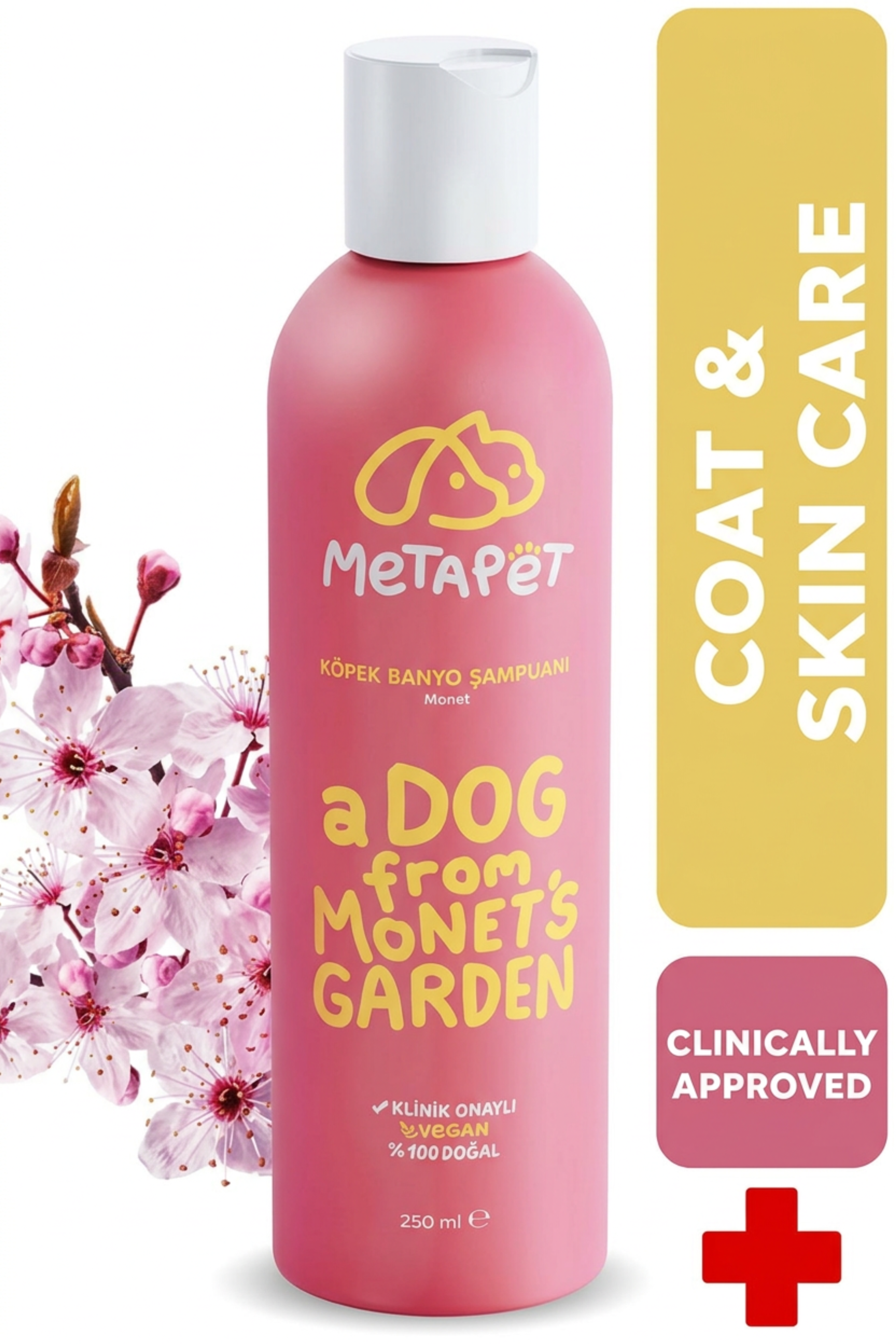
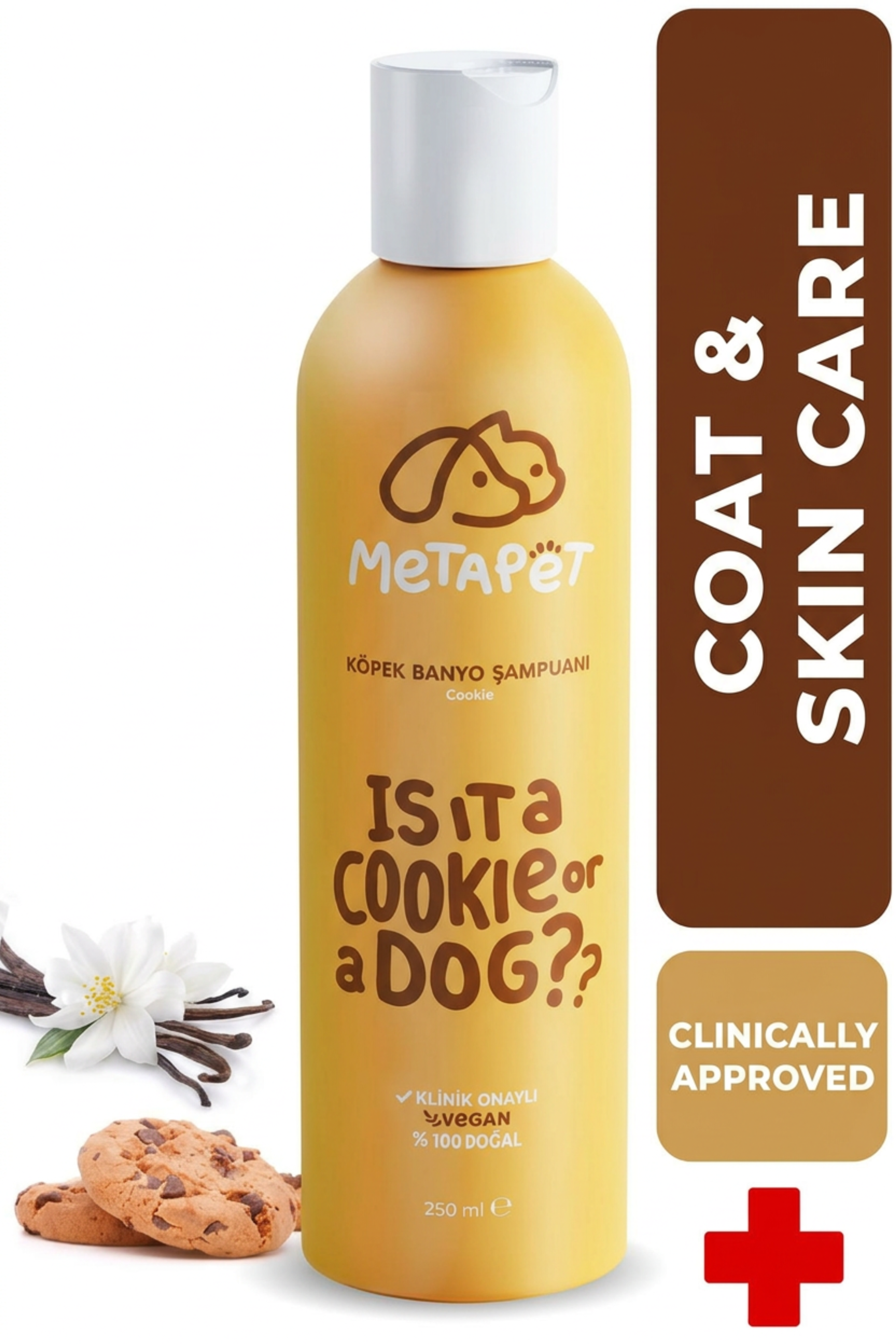
Having your shampoo and supplies ready before you start helps keep the bath short. The MetaPet pH-Balanced Bath Shampoo for Dogs is a rinse-out shampoo that deep-cleans the coat while caring for sensitive skin. It is pH-balanced for a dog's skin, made without harsh chemicals, sulfates, or parabens, conditions the skin, adds fullness, and leaves a fresh, long-lasting natural scent in a choice of Woody, Floral, or Vanilla. To use it, wet the coat thoroughly with warm water, massage the shampoo into a lather, rinse well, and dry with a towel or blow dryer. It is a cosmetic product for external grooming use and complements, not substitutes for, veterinary care.
Gentle Brushing and Drying
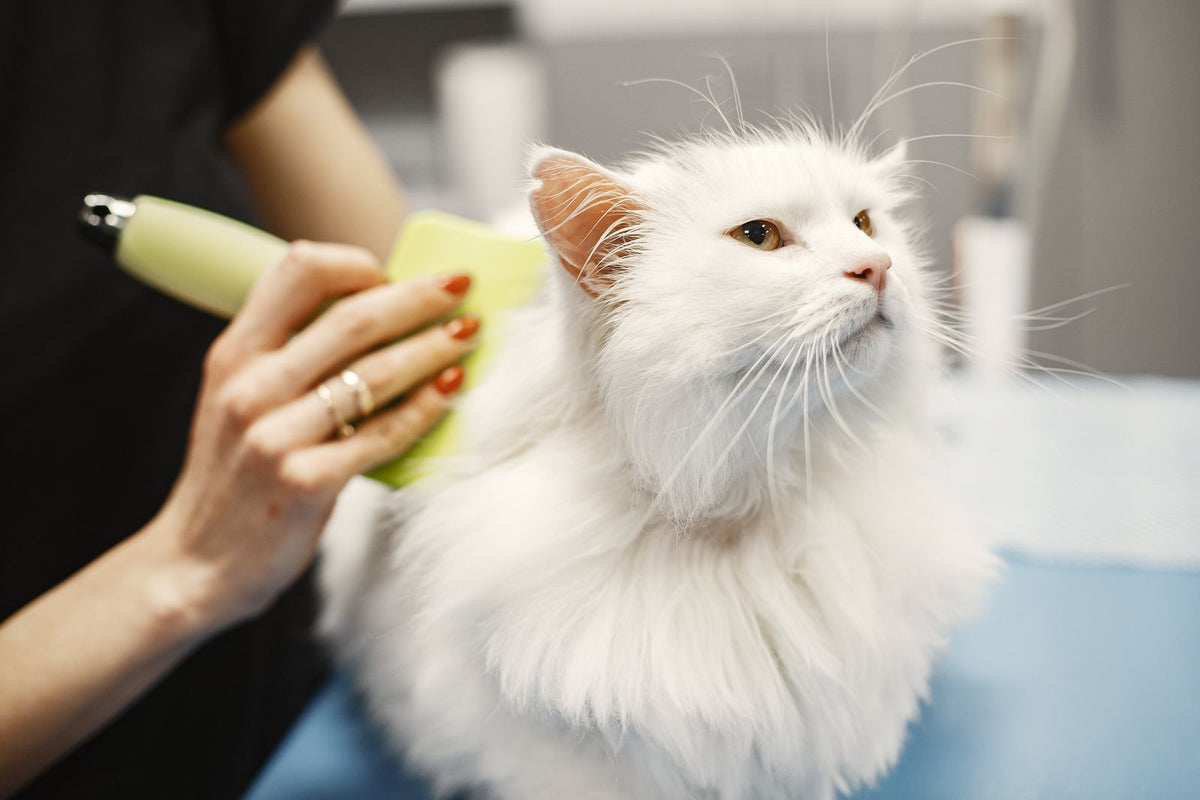
For many dogs, the hardest parts come before and after the water: tugging at tangles and the noise of a dryer.
Detangle before you bathe
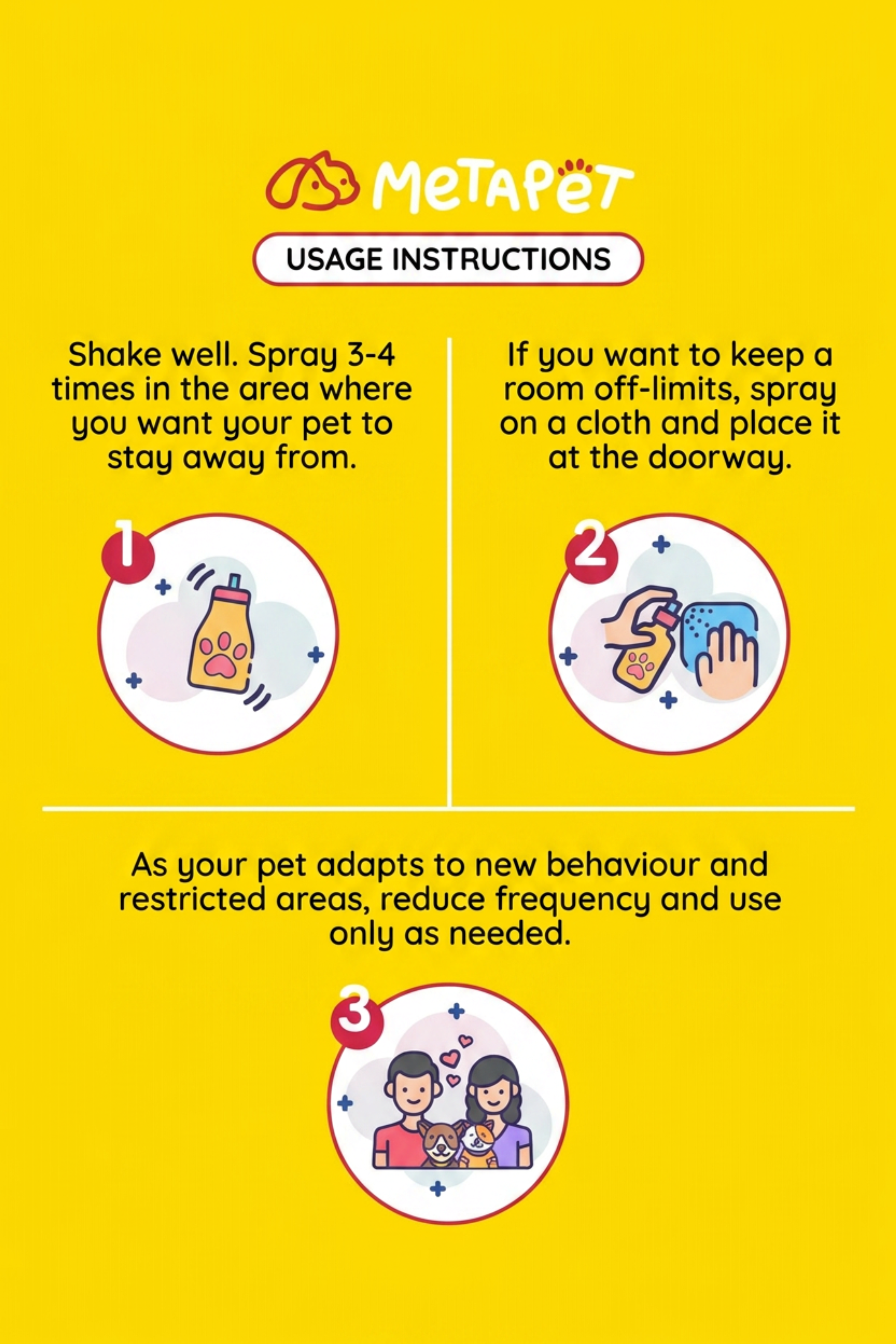
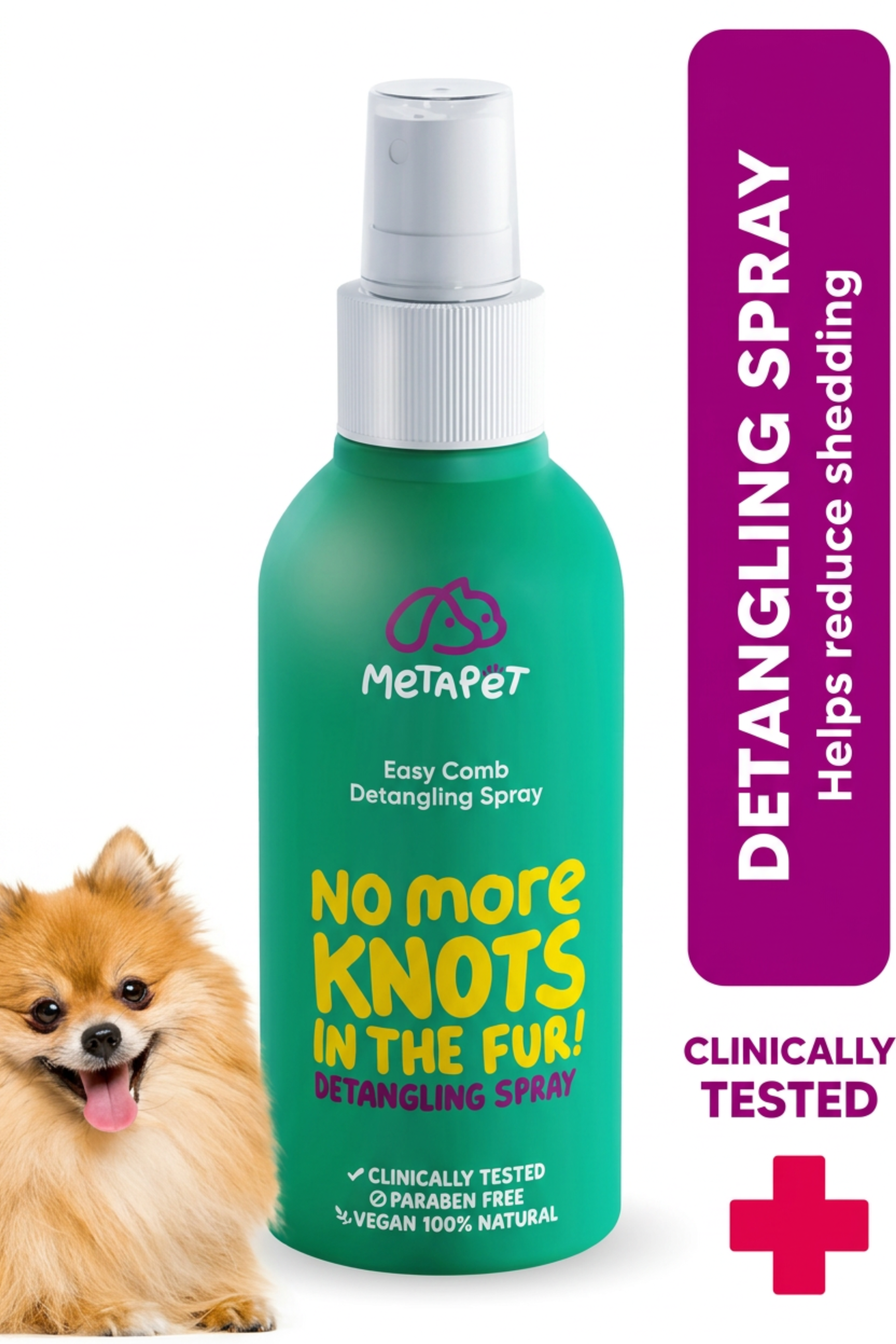
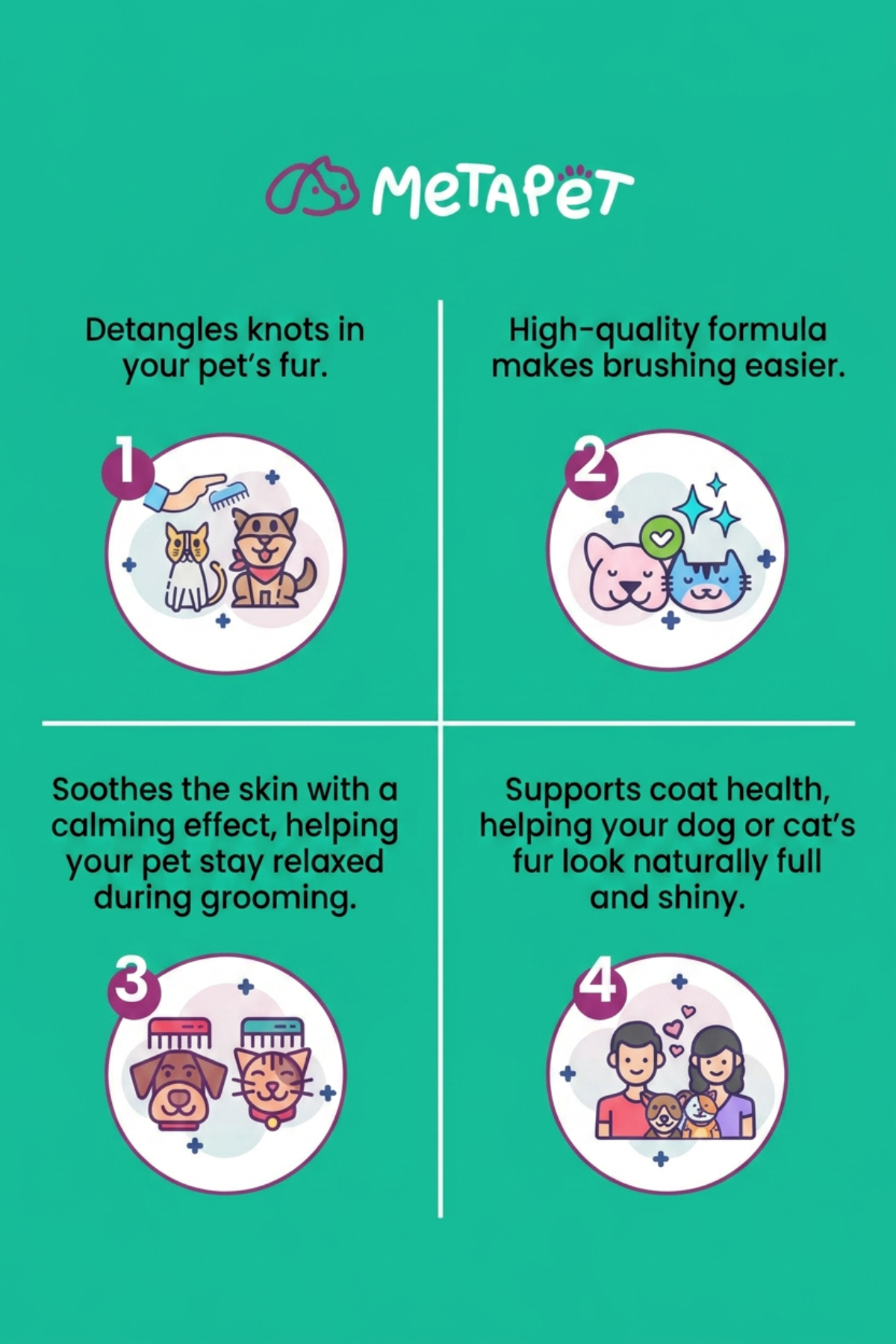
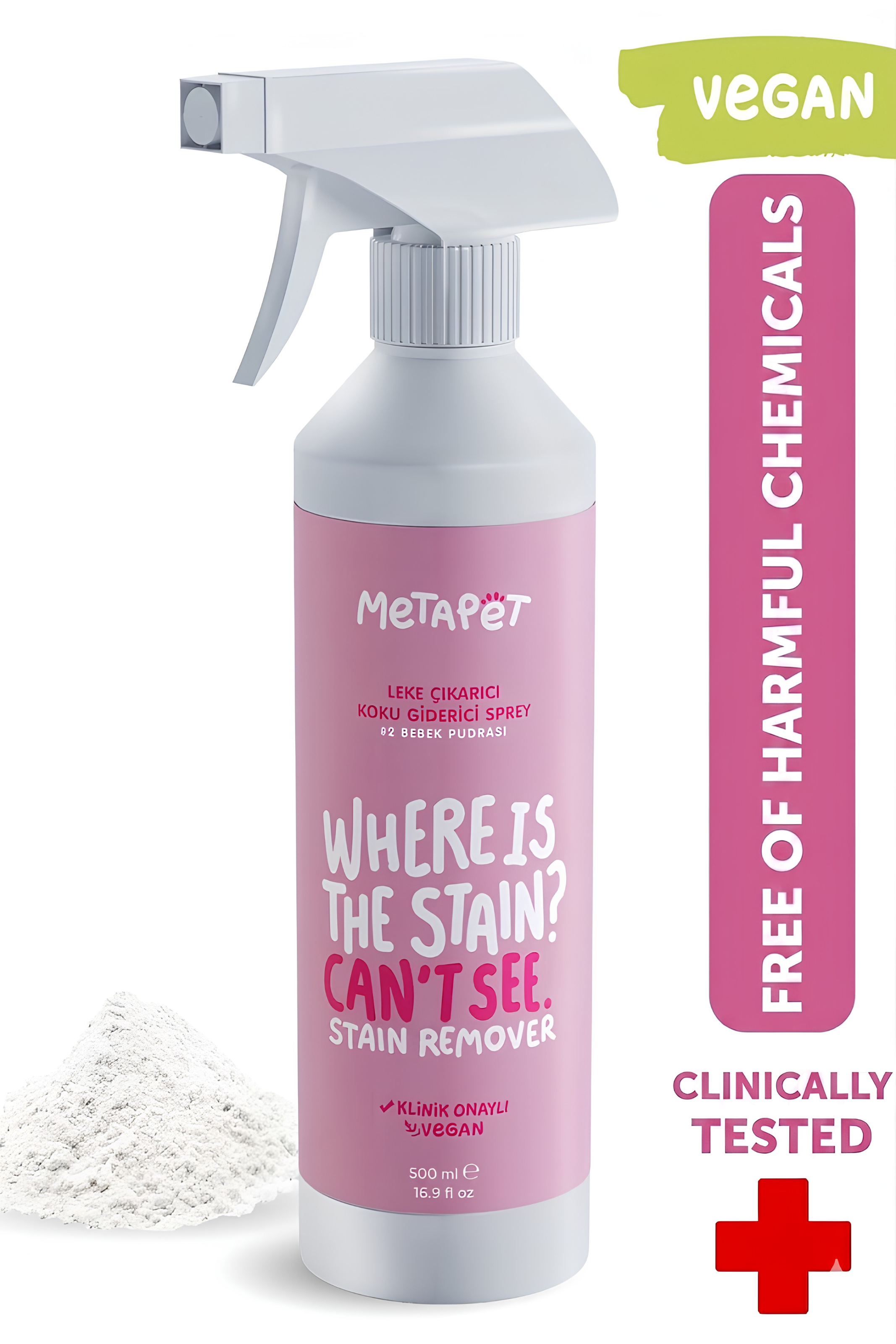
Pulling at knots is a common reason dogs learn to dislike grooming. Brush gently before the bath, holding the hair near the skin so you never tug. The MetaPet No More Knots in the Fur Detangling and Easy-Combing Spray helps loosen tangles for smoother, easier brushing and helps make grooming more comfortable. It is paraben-free and pH-balanced, and can be sprayed onto damp or dry fur before combing through. It is a cosmetic grooming product, not a medicine, and it complements, not substitutes for, veterinary care. Discontinue use if irritation occurs.
Drying without drama
Many dogs find a towel far less frightening than a dryer. If you use a dryer, choose a low, cool setting, start at a distance with the airflow pointed away, and reward calm behavior as you bring it gradually closer. Our guide to drying your dog or cat after a bath covers techniques for different coat types.
Keep your dog in a warm room until fully dry, and finish with a favorite game or chew so the routine ends on a positive note.
Waterless Options Between Baths
For a dog that finds baths difficult, needing fewer full baths takes pressure off training.
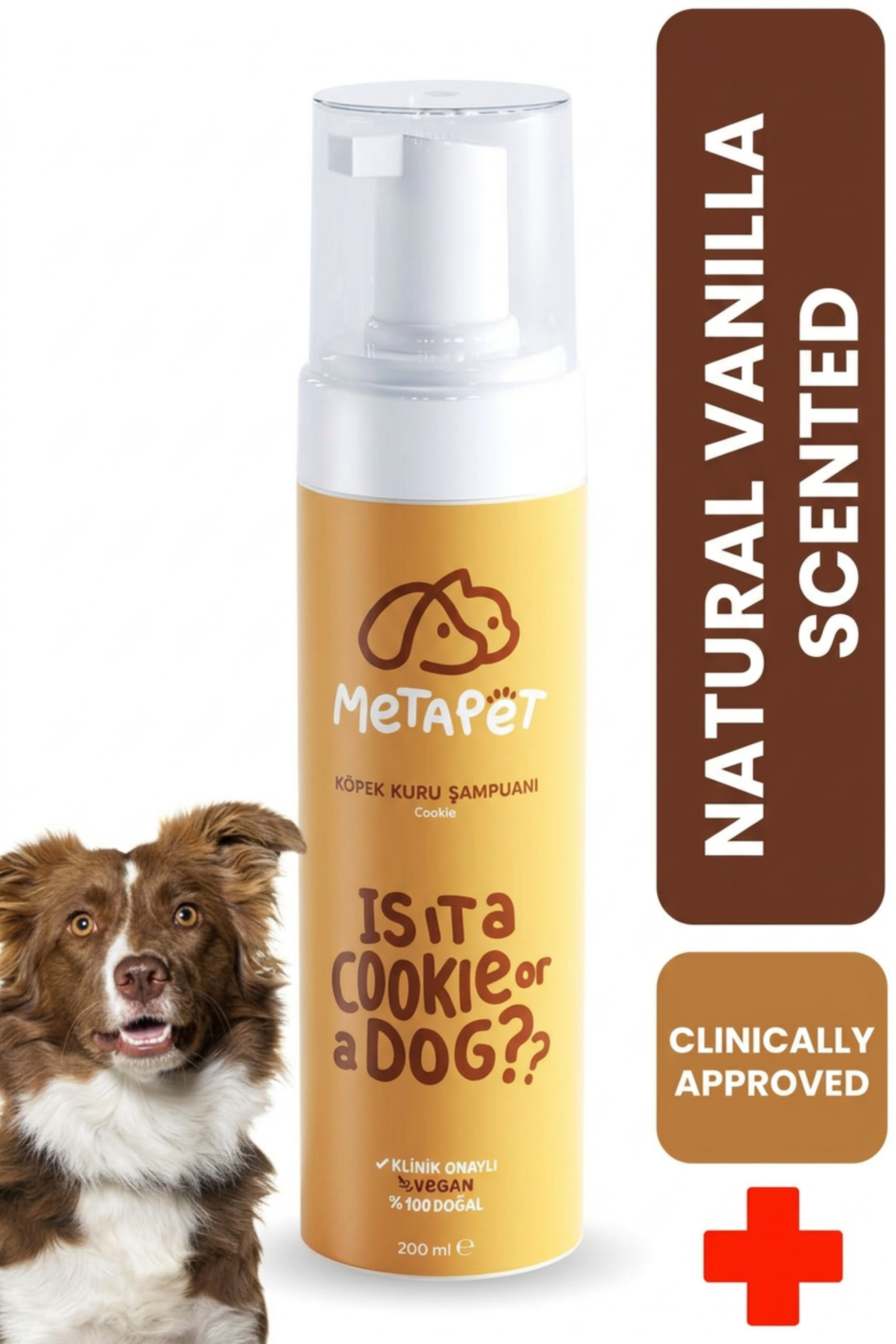
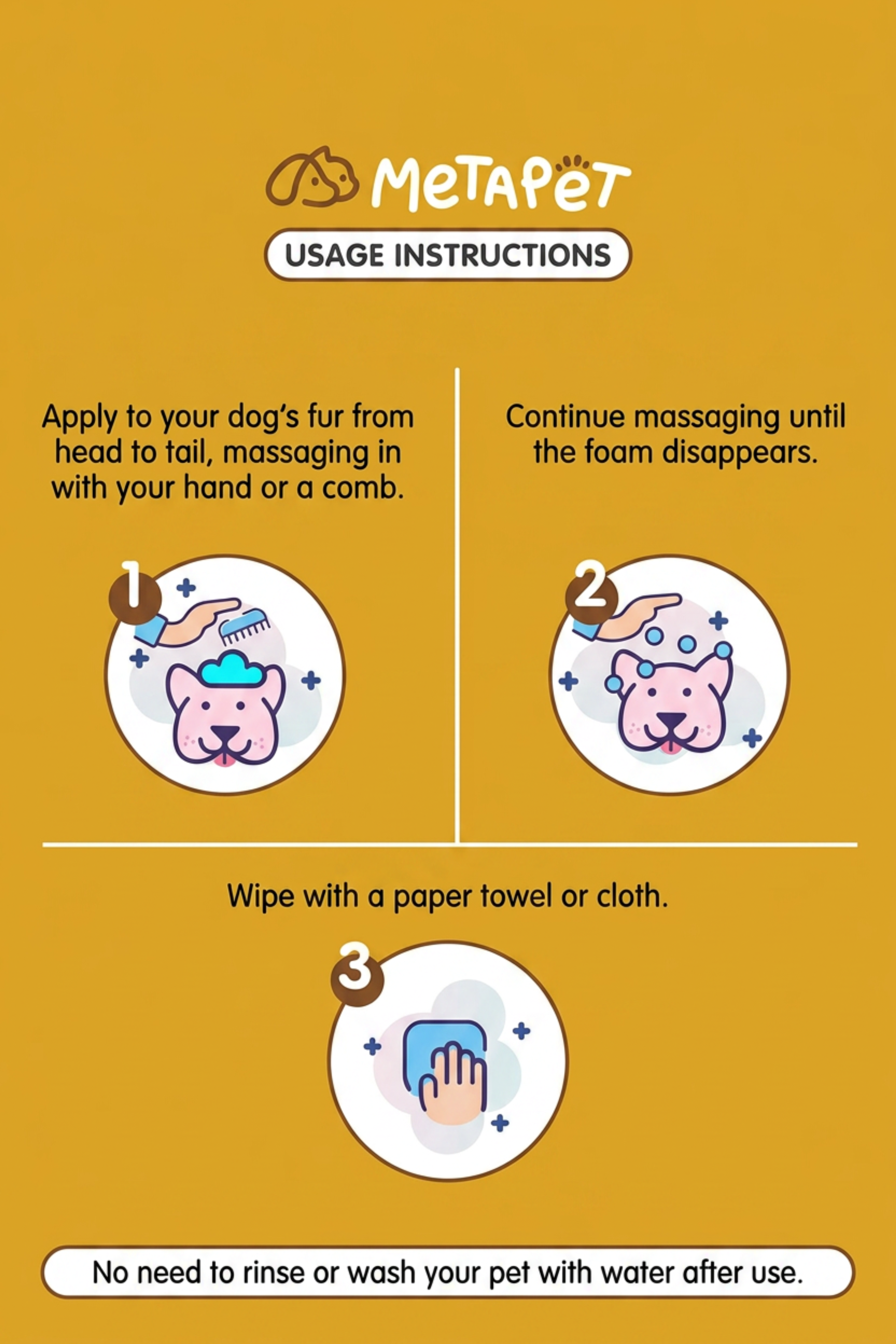
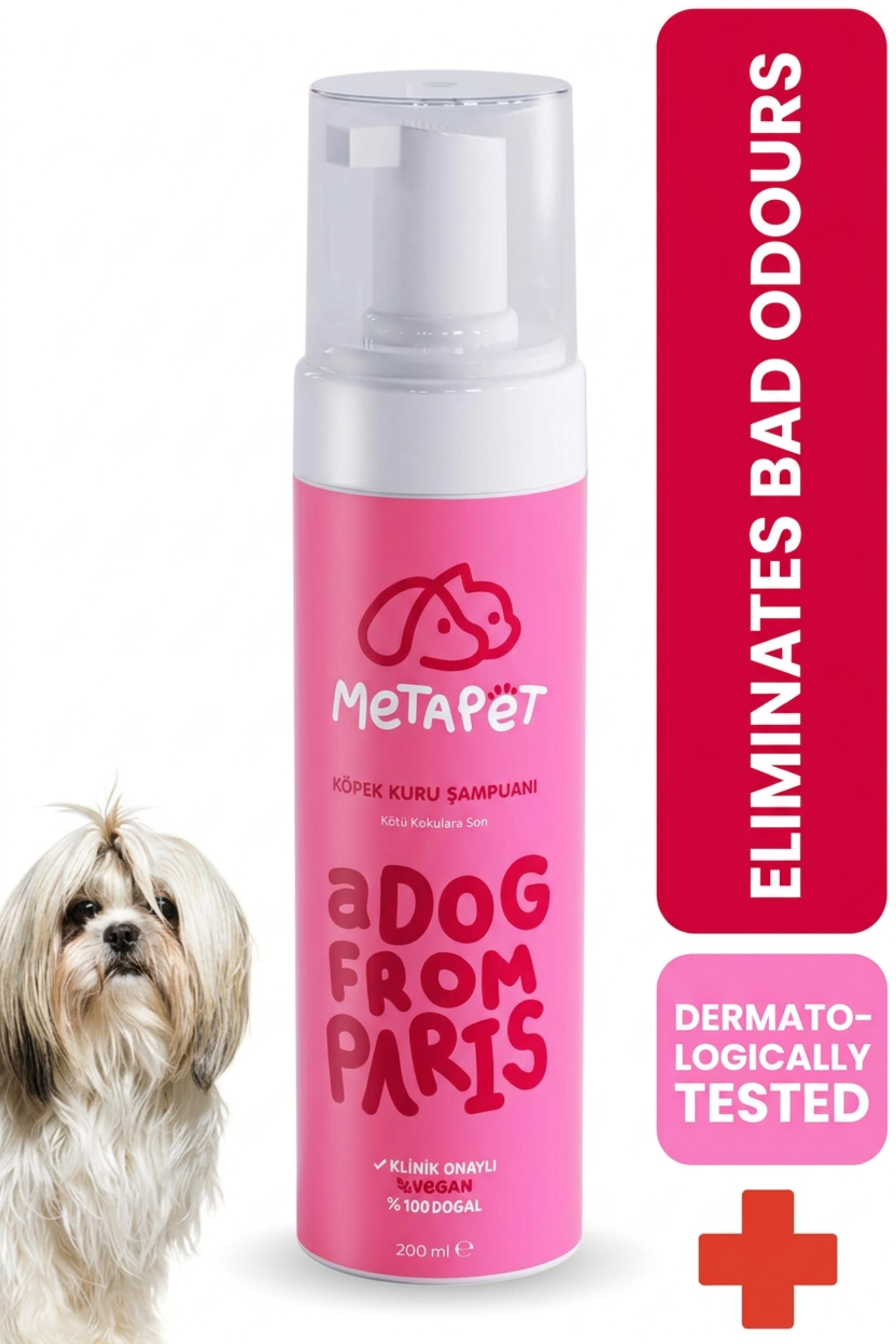
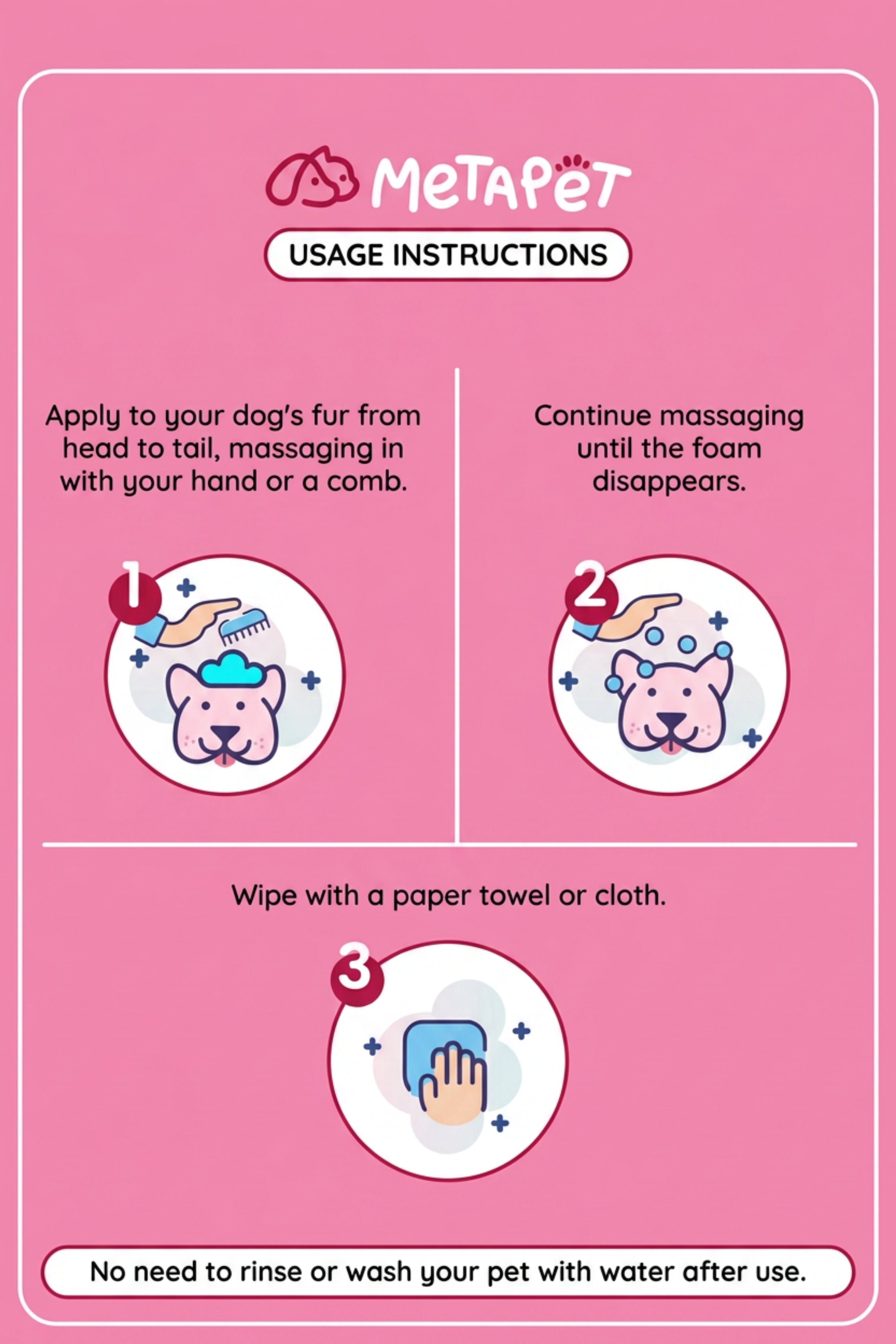
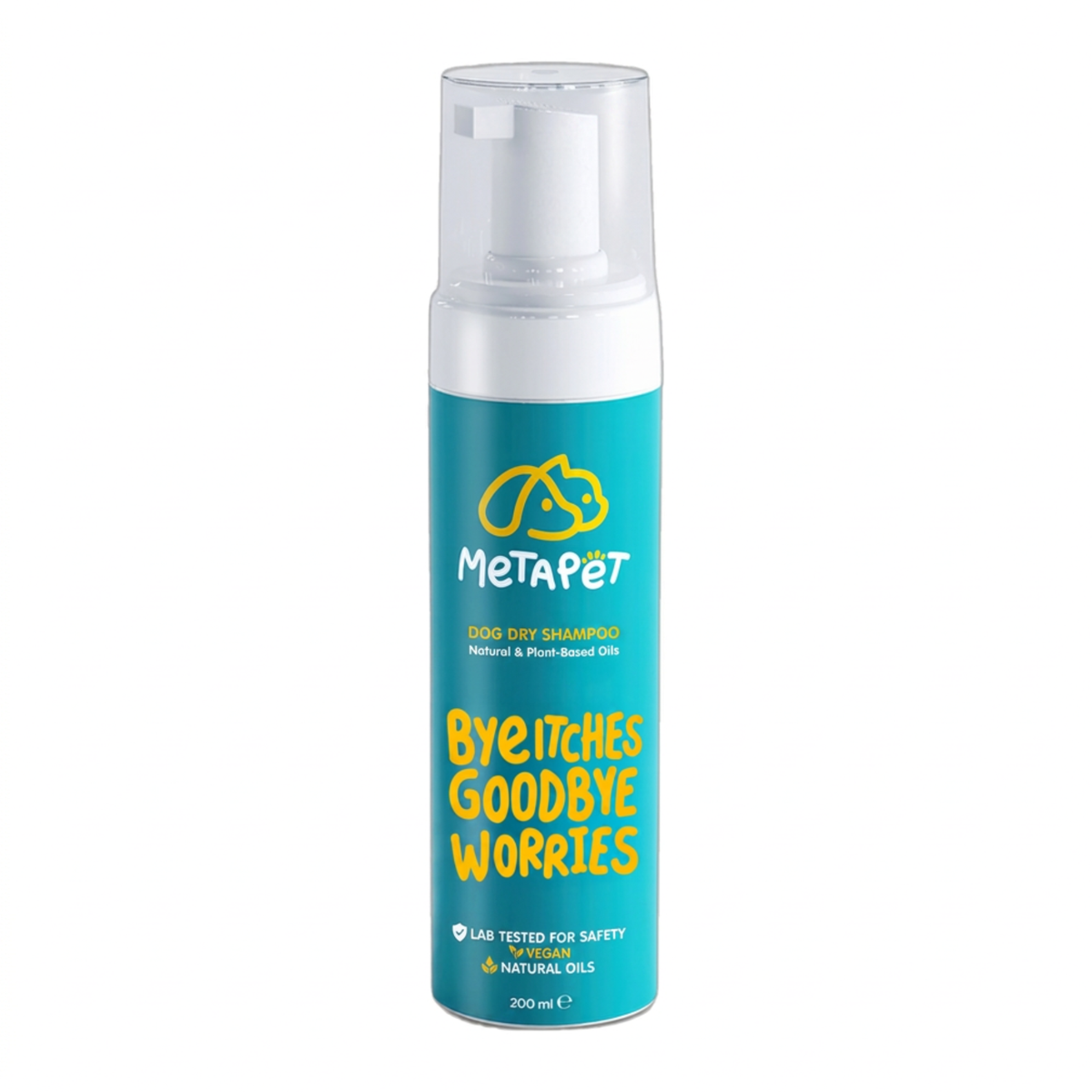
MetaPet A Dog From Paris Waterless Dry Foam Shampoo is a no-rinse foam that keeps your dog clean and smelling fresh between baths, with a long-lasting signature scent. It conditions the coat for a soft, full, well-groomed look and is a naturally derived, vegan formula with no parabens or sulfates. Shake well, massage it into the coat from head to tail while avoiding the eyes, then wipe off with a towel or cloth. It can be used as often as you wish, and it needs no running water at all.
A dry foam is not a replacement for a full bath when your dog is truly dirty, but it can stretch the time between them. For more ideas, see our practical guide to keeping your dog fresh between baths. All of these are cosmetic grooming products for external use, and they complement, never substitute for, veterinary care.
Common Mistakes to Avoid
- Forcing it in one session: flooding a fearful dog with the whole experience at once often makes fear worse.
- Punishing fear or growling: this adds stress and can teach a dog to hide its warnings.
- Skipping traction: a slippery tub is one of the most common sources of panic.
- Ignoring a sudden change: a dog that newly resists handling may be uncomfortable and should see a veterinarian.
When to Call Your Veterinarian
Contact your veterinarian if you notice:
- A sudden new reluctance to be handled, bathed, or lifted
- Signs of pain such as limping, flinching when touched, or reluctance to step into the tub
- Red, irritated, flaky, or smelly skin, or ears that are red or have discharge
- Fear so intense that your dog panics, drools heavily, loses bladder or bowel control, or cannot settle afterward
- Any bite or serious attempt to bite during grooming
Your veterinarian can look for medical causes of discomfort and, for dogs with severe fear, discuss a behavior plan, a referral to a veterinary behaviorist or certified trainer, or anti-anxiety medication as prescribed by your veterinarian. Our article on stress-free veterinary visits shares handling ideas that carry over to grooming.
Contact your veterinarian or an emergency clinic right away if your dog is injured during a bath, collapses, has trouble breathing, develops sudden facial swelling or hives after contact with a product, or swallows a grooming product.
Frequently Asked Questions
How long does it take for a dog to get used to baths?
It varies widely, from a few sessions to many weeks. Let your dog's body language set the pace.
Should I bathe my fearful dog less often?
Many dogs need full baths only when they are visibly dirty or smelly. Between baths, brushing and a waterless foam can keep the coat fresh while you work on comfort. Follow your veterinarian's advice if your dog has a skin condition that calls for a specific bathing plan.
Can a grooming product replace training?
No. Grooming products can make brushing and cleaning easier, but they do not address fear and do not replace gradual training. For significant fear, ask your veterinarian about a behavior plan.
Key Takeaways
Dogs that hate baths are usually afraid, uncomfortable, or unsure, not stubborn. Learn your dog's stress signals and pause before fear builds. Add a non-slip mat, use lukewarm water, and gather supplies first. Build comfort in small, rewarding steps, keep baths short, and save the face for last. Detangle before bathing, dry calmly, and use waterless foam so fewer full baths are needed. Grooming products complement, but never substitute for, veterinary care, and a dog with sudden resistance, signs of pain, or extreme fear deserves a veterinary visit and, when needed, professional behavior help.