Conjunctivitis in Dogs and Cats: Causes, Care & Prevention

Conjunctivitis, often called pink eye, is one of the most common eye problems in dogs and cats. It refers to inflammation of the conjunctiva, the thin pink tissue that lines the eyelids and covers part of the eye. Conjunctivitis can make the eye look red, puffy, and watery, and it can be uncomfortable for your pet. While some cases are mild, the eye is a delicate organ, and certain eye problems are genuine emergencies.
This guide explains what conjunctivitis is, what can cause it in dogs and cats, the signs to watch for, and why a veterinary exam is so important when the eyes are involved. It also covers gentle, supportive home care and steps that help keep your pet eyes healthy. When it comes to eyes, prompt and careful attention is always the safest approach.
Important: This article provides general educational information about eye health and is not a substitute for an in-person veterinary examination. Eye conditions can worsen quickly and some are emergencies, so please consult your veterinarian promptly for any eye problem and never put anything in your pet eye without veterinary guidance.
What Is Conjunctivitis?
The conjunctiva is the moist, pink membrane that lines the inside of the eyelids and covers the white of the eye. When this tissue becomes inflamed, the result is conjunctivitis. The eye may appear redder than usual, look swollen, and produce more discharge, whether watery or thicker. One or both eyes can be affected.
Conjunctivitis is not a single disease but a sign that something is irritating or inflaming the eye. The underlying cause can range from allergies and irritants to infections and anatomical problems. Because the same outward signs can come from very different causes, and because some serious eye conditions can mimic simple conjunctivitis, a veterinary examination is the only reliable way to know what is happening.
Common Causes in Dogs
Dogs can develop conjunctivitis for many reasons. Identifying the cause is important because it guides treatment, and what helps one cause may not help another.
- Allergies and irritants: Pollen, dust, smoke, or other environmental irritants can inflame the eyes.
- Infections: Bacterial or viral infections can cause conjunctivitis, sometimes alongside other signs of illness.
- Foreign material: A grass seed, dust, or debris trapped under the eyelid can cause irritation and discharge.
- Tear film problems: Inadequate tear production can leave the eye dry and prone to inflammation.
- Anatomical issues: Eyelid or eyelash abnormalities can rub the eye and cause chronic irritation.
Because these causes are so different, your veterinarian will work to determine which is at play before recommending treatment, rather than applying a one-size-fits-all approach.
Common Causes in Cats
In cats, conjunctivitis is very common and is frequently linked to feline upper respiratory infections. Cats with these infections may show eye inflammation and discharge along with sneezing, nasal discharge, or other signs. Several infectious agents are known to affect cats eyes, and some can cause recurring or long-lasting problems.
Cats can also develop conjunctivitis from irritants, foreign material, or other eye conditions. Kittens and cats in multi-cat environments such as shelters may be especially prone to eye issues. Because feline eye problems can be both contagious to other cats and a sign of a broader illness, a veterinary exam helps protect both the affected cat and any housemates.
Signs and Symptoms to Watch For
Recognizing the signs of an eye problem helps you seek care promptly. Common signs of conjunctivitis include:
- Redness: The tissue around the eye looks pink or red and may be swollen.
- Discharge: Watery, mucous, or thicker discharge from one or both eyes.
- Squinting: Holding the eye partly or fully closed, which can indicate discomfort.
- Pawing or rubbing: Rubbing the face on furniture or pawing at the eye.
- Sensitivity to light: Reluctance to open the eye in bright conditions.
Some of these signs can also point to more serious eye conditions. Because it can be hard to tell mild conjunctivitis from something more dangerous just by looking, any persistent or worsening eye signs deserve a veterinary evaluation.
When an Eye Problem Is an Emergency
Certain eye signs should be treated as urgent. Contact your veterinarian right away, or seek emergency care, if you notice a sudden onset of severe redness, a cloudy or bluish eye, an eye that is bulging or looks different in size, obvious pain, bleeding, a visible injury, or sudden changes in vision. A pet that is holding an eye tightly shut and clearly hurting also needs prompt attention.
The eye is delicate, and some conditions can threaten vision if they are not addressed quickly. When in doubt, it is always safer to have an eye problem checked sooner rather than waiting to see if it improves. Quick action gives the best chance of protecting your pet sight and comfort.
How Veterinarians Diagnose Eye Problems
A veterinary eye exam is detailed and designed to find the underlying cause. Your veterinarian will examine the eye closely and may perform specific tests, such as checking tear production, applying a special stain to look for surface scratches or ulcers on the cornea, and measuring pressure inside the eye when appropriate.
These tests matter because conditions like corneal ulcers, dry eye, glaucoma, and foreign bodies can all cause red, sore eyes but require very different treatment. By identifying the precise problem, your veterinarian can recommend care that is both safe and effective. This is also why using leftover or over-the-counter eye products without a diagnosis can be risky: the wrong product can sometimes make certain conditions worse.
Treatment Depends on the Cause
Because conjunctivitis has many possible causes, treatment is tailored to the specific diagnosis and must be guided by your veterinarian. The plan might address an infection, manage allergies or irritants, remove foreign material, support tear production, or correct an anatomical problem, depending on what is found.
It is essential never to put medications, drops, or home remedies into your pet eye without veterinary direction. Some human eye products and some leftover pet medications can be harmful to the eye or inappropriate for the underlying condition. Follow your veterinarian instructions carefully, complete the full course of any prescribed treatment, and return for rechecks so your veterinarian can confirm the eye is healing as expected.
Gentle Home Care and Hygiene
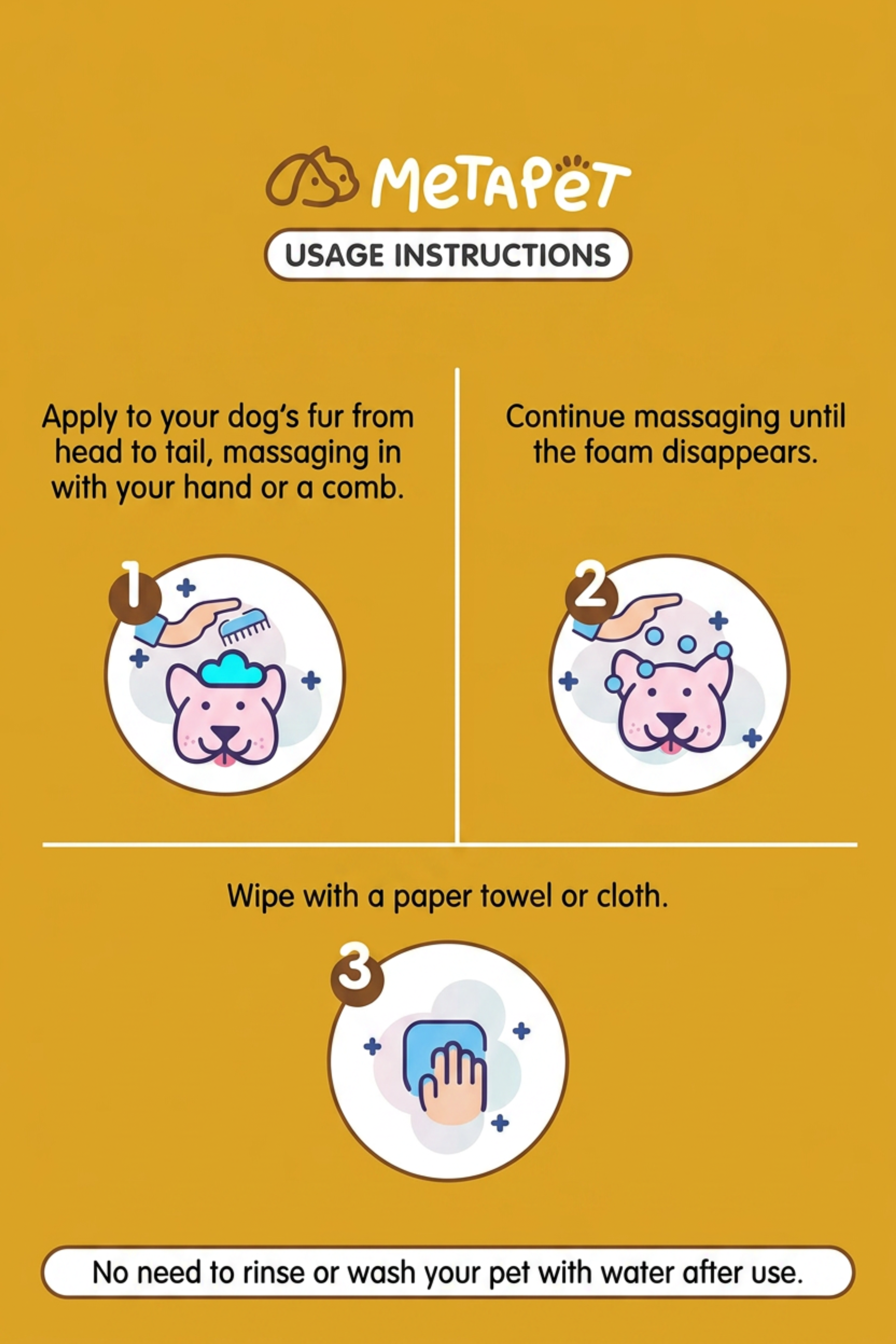
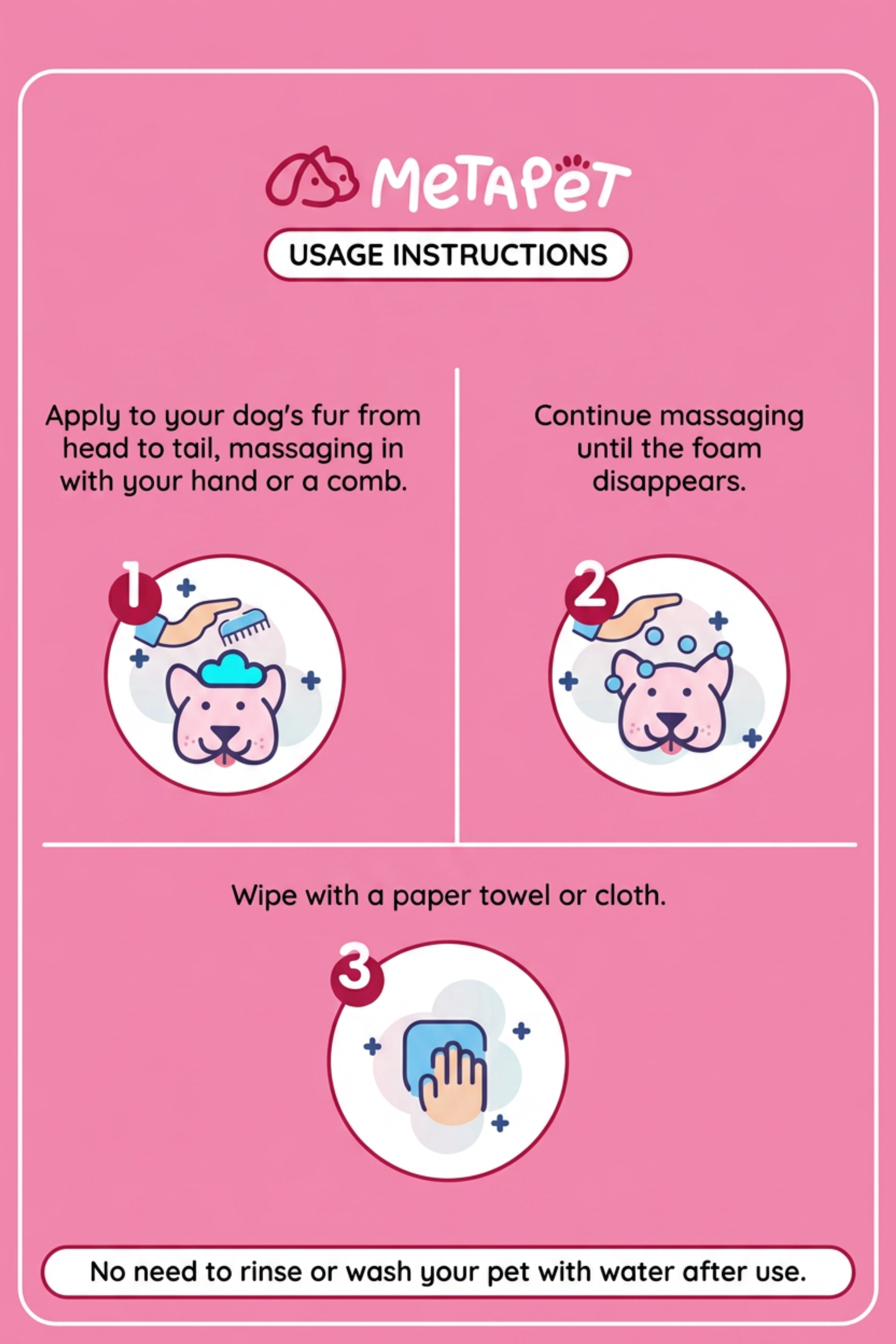
Alongside veterinary treatment, gentle hygiene can keep your pet more comfortable. With your veterinarian guidance, you can softly wipe away discharge from around the eye using a clean, damp, soft cloth, always wiping outward and away from the eye and using a fresh area of cloth for each eye to avoid spreading irritation.
Keep your pet from rubbing the eye, which can worsen irritation; your veterinarian may recommend a protective collar if needed. Avoid exposing the eyes to smoke, dust, and other irritants during recovery. Any cleansing should use only products your veterinarian approves, and routine facial and eye-area hygiene should always be gentle. These supportive measures complement, but do not replace, professional diagnosis and treatment.
Preventing Eye Problems
While not every eye problem can be prevented, several habits support eye health and help you catch issues early. Keeping up with recommended vaccinations and wellness care, especially for cats prone to upper respiratory infections, can reduce some risks. Routine grooming around the eyes, done gently, helps keep the area clean.
- Watch the eyes daily: A quick look during cuddles or grooming helps you notice changes early.
- Keep the face clean: Gently remove normal tear staining and debris with vet-approved methods.
- Reduce irritants: Limit exposure to smoke, dust, and harsh chemicals.
- Stay current on wellness care: Regular checkups and recommended vaccines support overall health.
If you ever notice redness, discharge, squinting, or any change in your pet eyes, contact your veterinarian. Early attention is the best protection for your pet vision and comfort.
Common Questions About Conjunctivitis
Can I use human eye drops on my dog or cat?
No. Do not put any human product or leftover medication in your pet eye without veterinary guidance, as some can be harmful or worsen certain conditions.
Is conjunctivitis contagious?
Some causes, particularly certain infections in cats, can spread to other animals. Your veterinarian can advise on protecting housemates.
Will pink eye clear up on its own?
It may not, and waiting can be risky because some serious conditions look similar. A veterinary exam is the safest course.
My pet eye looks cloudy. Is that conjunctivitis?
A cloudy eye can signal a more serious problem and should be treated as urgent. Contact your veterinarian right away.
Breeds and Situations With Higher Risk
While any dog or cat can develop conjunctivitis, some are more prone to eye problems than others. Flat-faced (brachycephalic) breeds, such as certain short-nosed dogs and cats, have prominent eyes and facial structures that can leave the eyes more exposed to irritation and tear-film problems. Breeds with loose facial skin, droopy eyelids, or hair that grows near the eyes may also be more susceptible to ongoing irritation.
Environment and life stage play a role too. Kittens, cats in multi-cat households or shelters, and pets exposed to dust, smoke, wind, or allergens may face a higher risk of eye inflammation. Pets that spend time around many other animals can be more likely to encounter contagious causes. If your pet falls into one of these groups, it is worth being especially attentive to the eyes during daily routines and mentioning any recurring problems to your veterinarian, who can suggest a tailored prevention and monitoring plan.
The Bottom Line
Conjunctivitis is common in dogs and cats and has many possible causes, from allergies and irritants to infections and anatomical issues. Because the eye is delicate and some serious conditions can mimic simple pink eye, the safest approach is always a prompt veterinary exam to find the true cause.
With an accurate diagnosis, appropriate vet-guided treatment, gentle home hygiene, and attention to prevention, most pets recover comfortably. Keep an eye on your pet eyes during daily routines, and never hesitate to call your veterinarian when something looks off.